In Los Angeles, residents face unique challenges when it comes to emergency preparedness. From wildfires to earthquakes, having a well-stocked first aid kit can be a lifesaver. Whether you’re preparing for natural disasters or everyday accidents, a comprehensive first aid kit is essential for maintaining safety and well-being. Here are five steps to help you assemble the perfect first aid kit for your home, car, or workplace in Los Angeles.
1. Understand the Basics: Essential Supplies for Your First Aid Kit
Before you start collecting items, it’s important to understand the basic supplies your first aid kit should contain. The American Red Cross suggests that your kit should cover a range of potential medical emergencies, from cuts and burns to more serious conditions like broken bones or allergic reactions. For LA residents, this means ensuring that the kit is equipped to handle issues related to both natural disasters and daily life.
Table of Contents
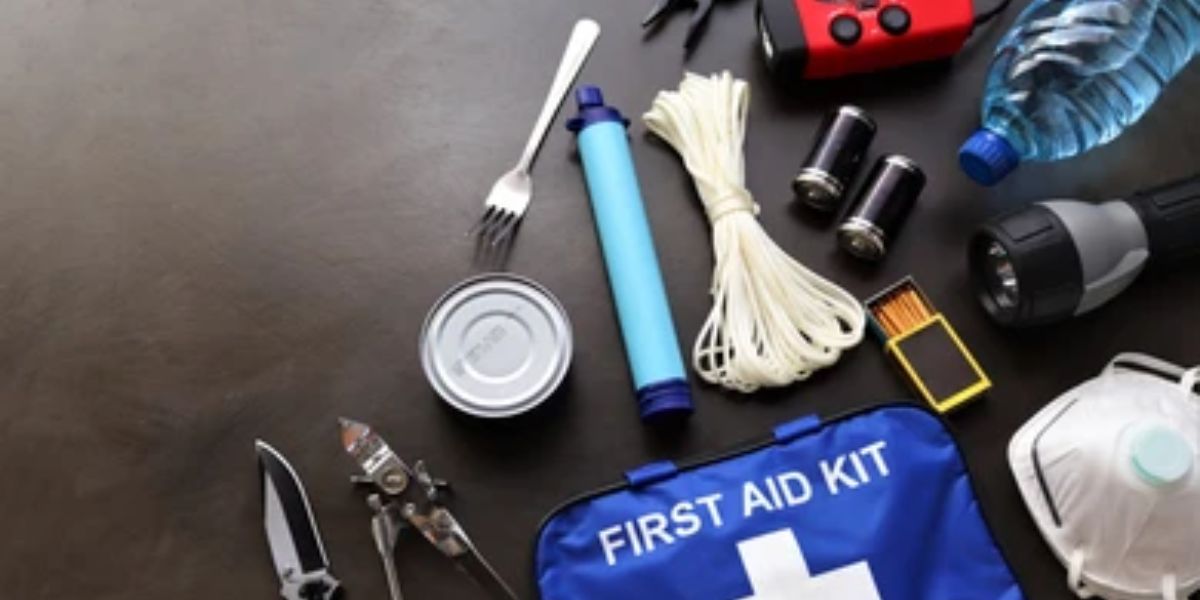
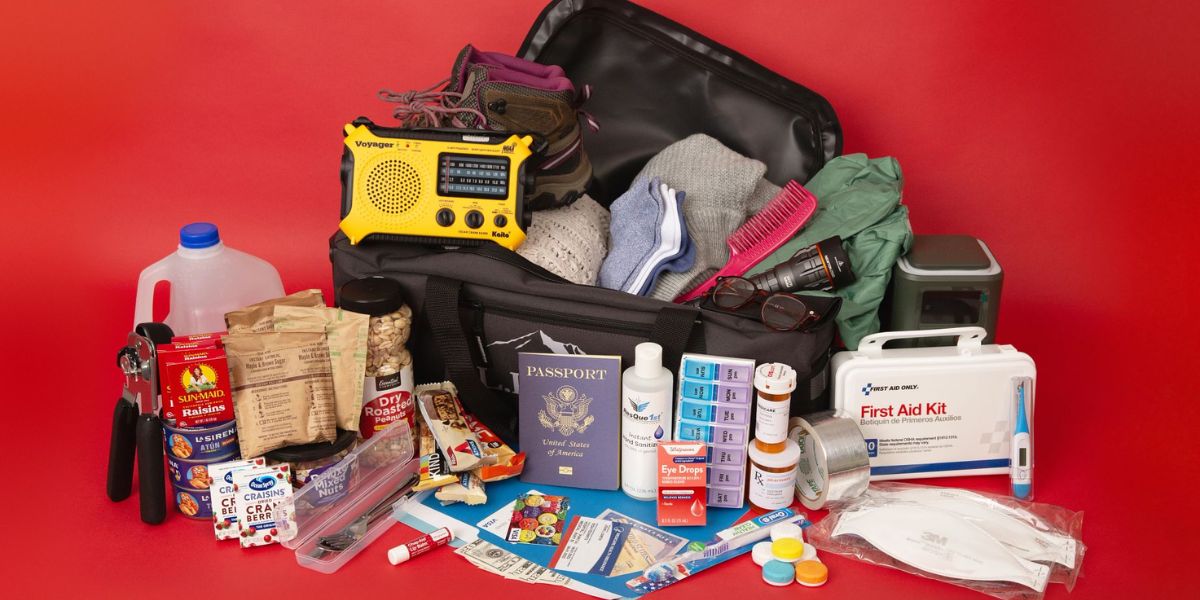
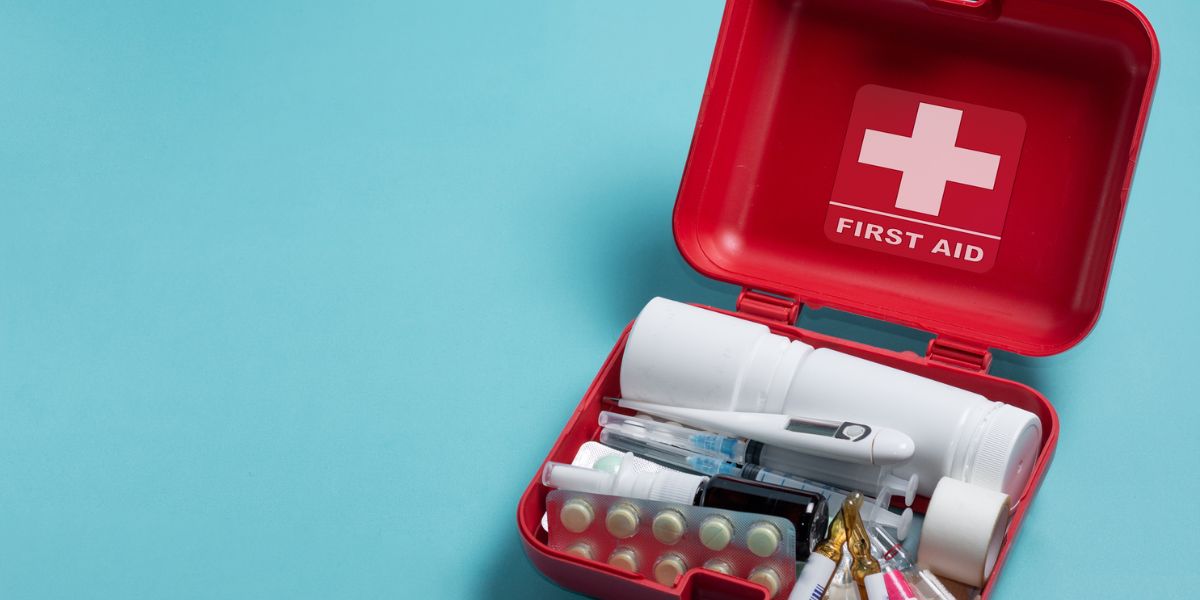
Key items for every first aid kit include:
- Adhesive bandages (various sizes)
- Sterile gauze pads and adhesive tape
- Antiseptic wipes or alcohol pads
- Antibiotic ointment (like Neosporin)
- Sterile gloves
- Tweezers (for splinters or ticks)
- Thermometer
- Pain relievers (such as ibuprofen or aspirin)
- Burn cream or gel
- Elastic bandage (for sprains)
- Scissors (for cutting tape or gauze)
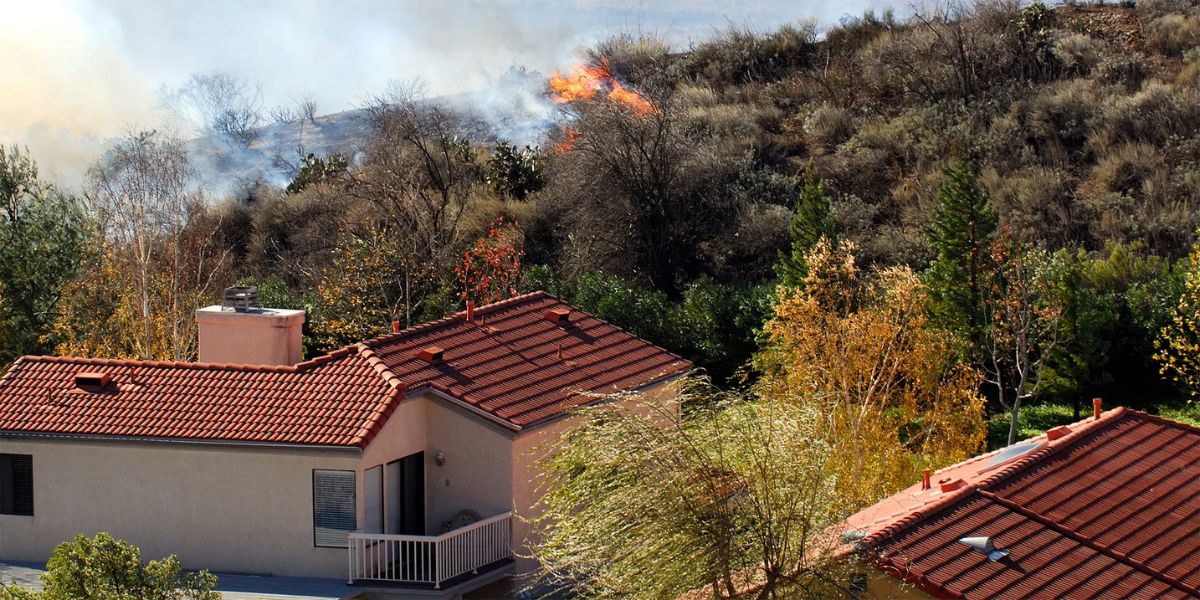
These basic supplies are a good starting point, but you should customize your kit based on your location and specific needs. For example, LA residents should focus on burn treatment and respiratory support due to the region’s high wildfire risk.
2. Tailor Your Kit for LA’s Unique Risks
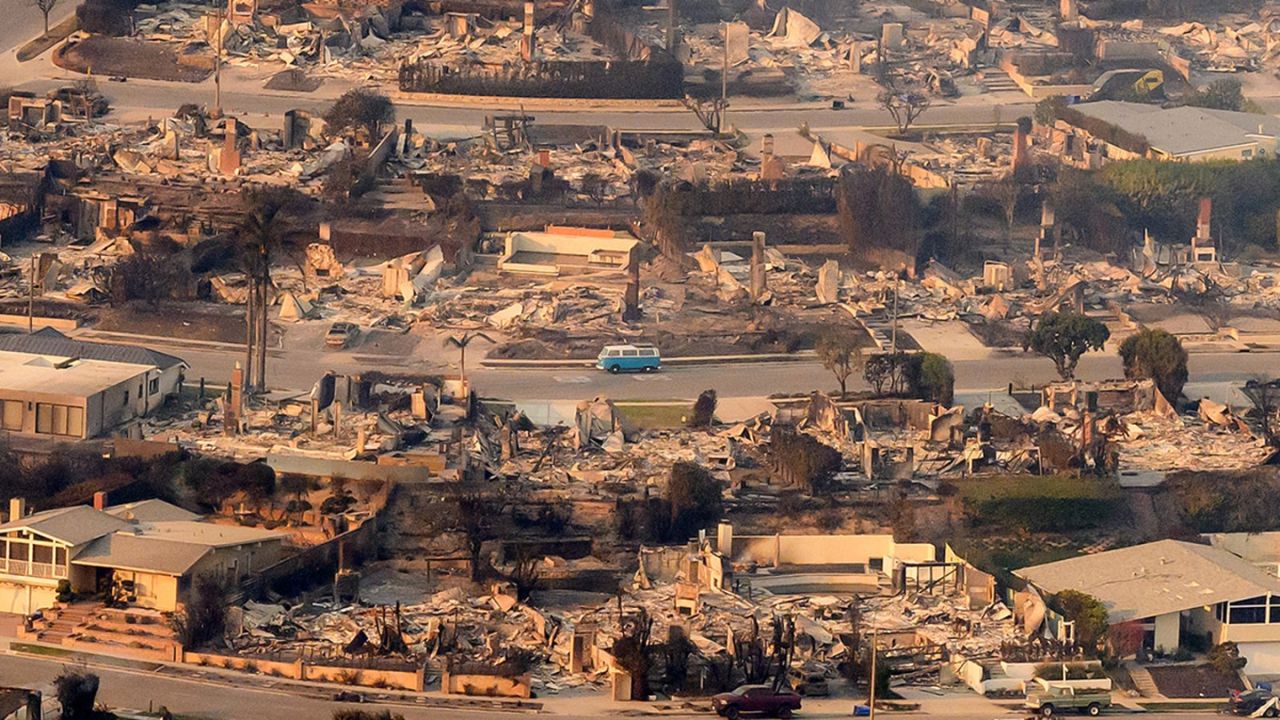
Living in Los Angeles means being prepared for specific local risks, such as wildfires, earthquakes, and air quality issues. When putting together your first aid kit, take these factors into account:
Wildfire Safety:
- N95 masks or respirator masks to protect against smoke inhalation
- Burn dressing or gel for minor burns (wildfire-prone areas make this essential)
- Aloe vera gel for skin cooling and soothing
Earthquake Preparedness:
- Flashlight and extra batteries for use during power outages
- Whistle to signal for help in case of debris or entrapment
- Emergency blanket or space blanket for warmth after an earthquake
Heat-Related Emergencies:
- Hydrocortisone cream for heat rashes and insect bites
- Electrolyte tablets or oral rehydration salts for dehydration, especially during LA’s hot summers
By considering the specific hazards you may face in LA, you ensure your kit is versatile and ready to meet your needs during emergencies.
3. Organize Your Kit for Easy Access
A well-organized first aid kit is crucial during an emergency, where time may be of the essence. Here are some tips for organizing your first aid supplies:
- Use clear containers: Transparent boxes or pouches make it easy to find the items you need quickly.
- Label everything: Group supplies by type, such as “bandages,” “medications,” and “burn care.” Labels help you locate things faster when stress levels are high.
- Create a checklist: Keep a list of everything in your kit, so you can quickly check for missing items before an emergency strikes.
- Consider portability: If you plan on taking your kit with you, make sure it’s lightweight and can easily fit in your car or backpack.
Having your first aid kit well-organized ensures that you won’t waste valuable time looking for items in an emergency.
4. Keep Your Kit Up-to-Date and Regularly Replenished
An essential step in maintaining an effective first aid kit is regular checks and replenishment. Over time, some supplies will expire or be used up. To keep your kit ready for emergencies:
- Check expiration dates: Regularly review medications, ointments, and bandages to ensure they haven’t expired.
- Replace used items: If you’ve had to use any items from your kit, replenish them as soon as possible.
- Monitor for damage: Ensure that your kit’s container is intact and that nothing is broken or damaged, particularly if it’s been stored in a high-temperature environment like a car.
A first aid kit that’s regularly replenished and well-maintained is more reliable in emergencies.
5. Consider Special Needs and Family Members
Every family has different needs when it comes to a first aid kit. If you have young children, elderly family members, or pets, your kit should reflect those needs.
For Children and Babies:
- Diaper rash cream
- Baby-safe pain relievers
- Baby thermometers
- Sunscreen (important for hot LA days)
For Elderly Family Members:
- Extra prescription medications (for conditions like asthma, diabetes, or hypertension)
- Hearing aid batteries (if applicable)
- Eyeglasses cleaning wipes
For Pets:
- Pet-friendly pain relievers (consult with your vet)
- Antiseptic for wounds on pets
- Leash and carrier in case of evacuation
Customizing your kit based on family and pet needs ensures that everyone is prepared in case of an emergency.
Conclusion: Be Prepared, Stay Safe
As a Los Angeles resident, your first aid kit is one of the most important components of your emergency preparedness plan. By following these five steps—understanding the essentials, tailoring the kit for LA’s unique risks, organizing it for easy access, regularly maintaining it, and considering special needs—you’ll be ready for anything that comes your way.
Don’t wait for an emergency to strike before preparing. Take action today and ensure that you and your family are fully equipped to handle any situation.
Ready to assemble your first aid kit? Visit Be Ready LA for more tips and resources on emergency preparedness tailored for Los Angeles residents. Make sure your family stays safe and prepared for any disaster that may come your way!