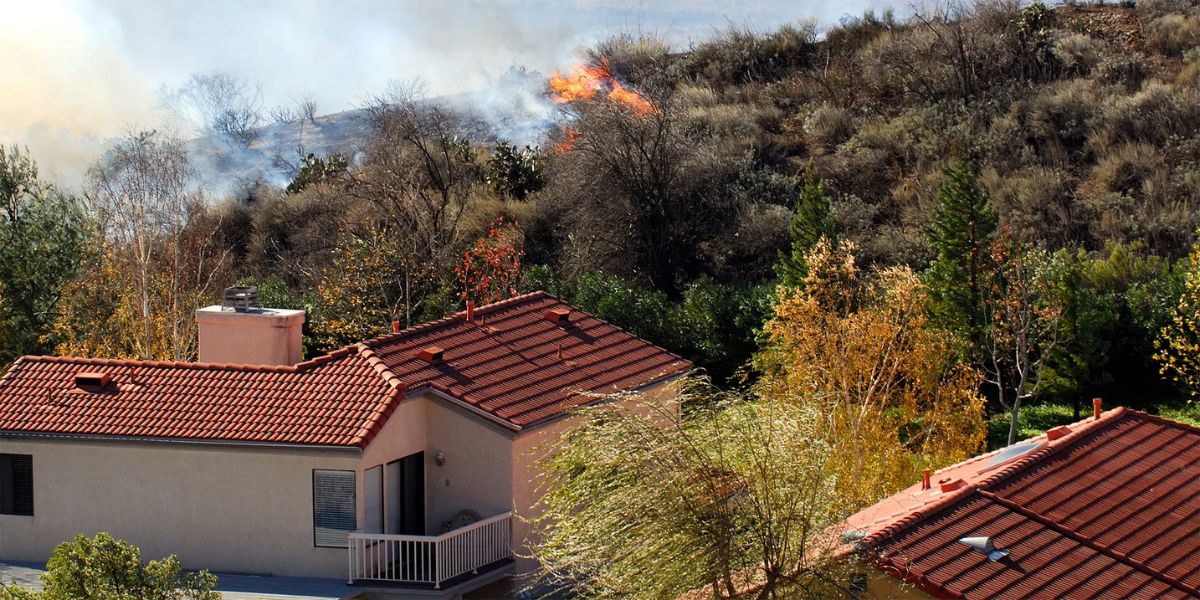
Wildfires are a harsh reality in Southern California, especially during the dry season when high winds and dry brush make fires unpredictable. As these fires approach, many residents in high-risk areas focus on protecting their homes and families, but it’s crucial not to forget about the animals who rely on us for safety and care. Whether you own pets or livestock, preparing them for wildfire emergencies is a critical part of your overall disaster readiness plan.
Why Pet and Livestock Preparedness Matters in Southern California
Southern California’s unique environment, including its dry climate, mountainous terrain, and vegetation, makes it a hotspot for wildfires. Wildfires can spread rapidly, forcing residents to evacuate with little notice. While we often think of evacuation plans for ourselves, it’s just as essential to have a plan for pets and livestock. Animals can become stressed, disoriented, and even injured during fires. In the chaos of evacuation, ensuring their safety requires preparation and foresight.
Table of Contents
Creating an Emergency Plan for Your Pets
Pets are part of the family, and preparing them for a wildfire is essential. Here’s how to get started:
- Identify a Safe Haven for Pets: In the event of an evacuation, it’s important to have a list of pet-friendly shelters, veterinary offices, or friends and family who can take in your pets. Make sure you know which facilities in your area accept animals during emergencies.
- Prepare a Pet Emergency Kit: Just like you prepare a human emergency kit, pets need one too. Your pet’s emergency kit should include:
- Food and water for at least three days
- Medications and veterinary records
- A leash, collar, and harness
- Blankets, toys, or anything that helps calm your pet
- A first aid kit and any pet-specific supplies like flea/tick treatments
- Identification tags and microchip information
- Have an Evacuation Plan Ready: Practice evacuating with your pet, ensuring they’re comfortable traveling in a car or crate. Identify safe routes and areas for temporary shelter. If you live in a rural area, also have a plan for transporting farm animals.
- Know Where to Find Pet Care: If you need to leave the area, find out if local shelters or animal organizations can provide temporary care. Make sure to store emergency contact numbers for these services.
Planning for Livestock: Special Considerations for Southern California
When it comes to livestock, the challenges are more complex, especially for large animals such as horses, cattle, and goats. However, with the right preparation, you can protect them in a wildfire situation.
- Create a Livestock Evacuation Plan: Livestock should be evacuated before the fire reaches your property, as large animals can be difficult to transport in a hurry. Your plan should include:
- The number of animals and the type of transportation required
- A map of your property to identify the safest evacuation routes
- A list of potential destinations, such as ranches, stables, or friends who can temporarily house animals
- Prepare a Livestock Emergency Kit: Just like pets, livestock need essential supplies for an evacuation. This includes:
- Extra feed and water for at least three days
- First aid supplies like antiseptics, bandages, and wound care for large animals
- Identification for each animal (e.g., branded tags, microchips, or photo identification)
- Halters, ropes, and leads for easy control
- Create Defensible Space Around Livestock Areas: To give your animals the best chance of survival, create defensible space around barns, stables, and pastures. Clear away dry brush and other fire-prone vegetation. Install sprinklers or watering systems to keep the area damp if a fire approaches.
- Shelter and Fencing Considerations: Ensure that the shelter areas are sturdy and can withstand high winds or fire exposure. Livestock need to be able to safely enter shelters or corrals during the fire. If a fire threatens your area, ensure livestock are already safely contained.
Evacuation Tips for Both Pets and Livestock
- Don’t Wait Until the Last Minute: Evacuate early, especially if you live in an area that’s frequently impacted by wildfires. Leaving early ensures your pets and livestock will be safe and can reduce the risks posed by panicked animals.
- Use a Trailer or Stock Trailer for Livestock: If you have large animals like horses or cows, make sure you have access to a livestock trailer in case of emergency. Practice loading them into the trailer well ahead of time so they’re familiar with it when the time comes.
- Keep Animals Calm: Both pets and livestock may become scared and stressed during a fire. Prepare familiar blankets, toys, or smells to comfort them. For livestock, gentle handling and extra patience can help calm them in stressful situations.
- Don’t Forget the Details: Ensure that your animals have the proper identification. This includes tags, microchips, and photos of the animals in case they become lost. If you must leave your animals behind, provide as much information as possible to rescuers.
After the Fire: Caring for Pets and Livestock
Once the wildfire is over, check your pets and livestock for any injuries or signs of stress. For pets, keep them indoors to avoid exposure to smoke, ash, or contaminated areas. Livestock may need extra attention to their water and feed, as fires can contaminate natural resources.
Conclusion
Preparing your pets and livestock for a wildfire is an essential part of any emergency plan in Southern California. By planning ahead, assembling the right supplies, and practicing evacuation procedures, you can help ensure the safety of your animals during a wildfire emergency.
Don’t wait until it’s too late—start preparing today. Review your plans for pets and livestock, assemble your emergency kits, and make sure your animals are ready for whatever comes. For more tips on wildfire safety and preparedness, visit Be Ready LA and ensure your family and animals are prepared for the unexpected!