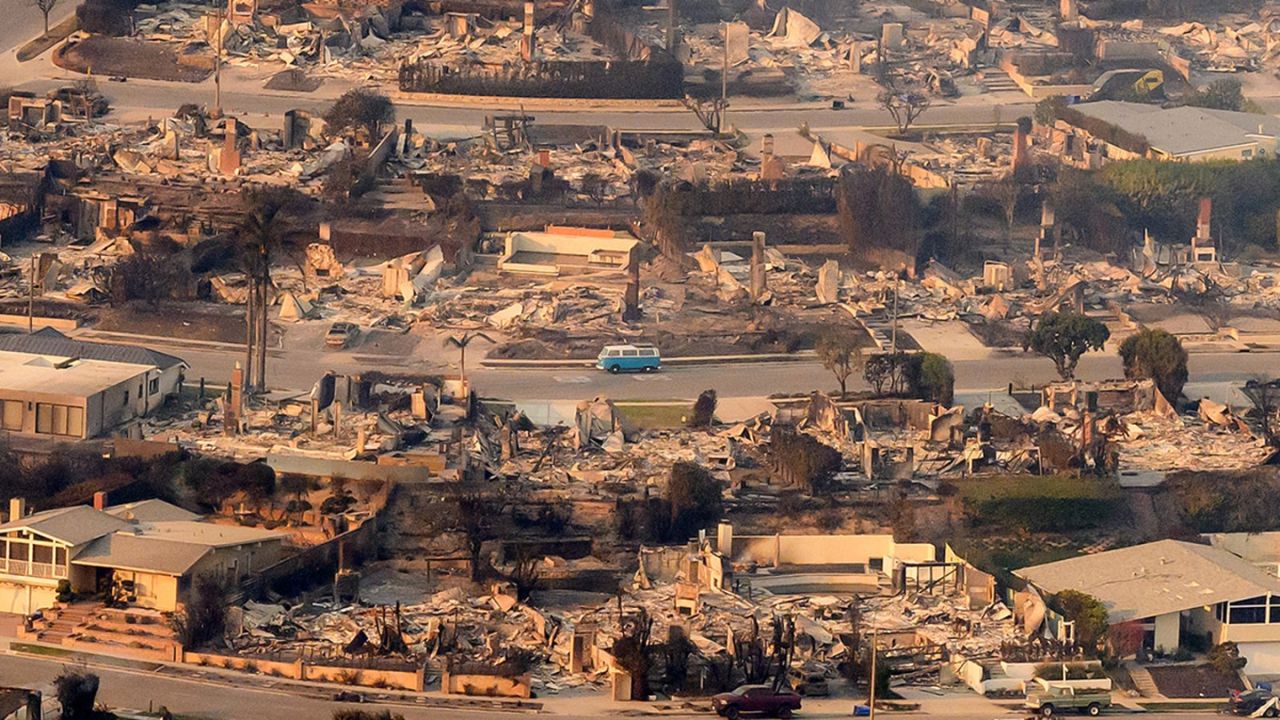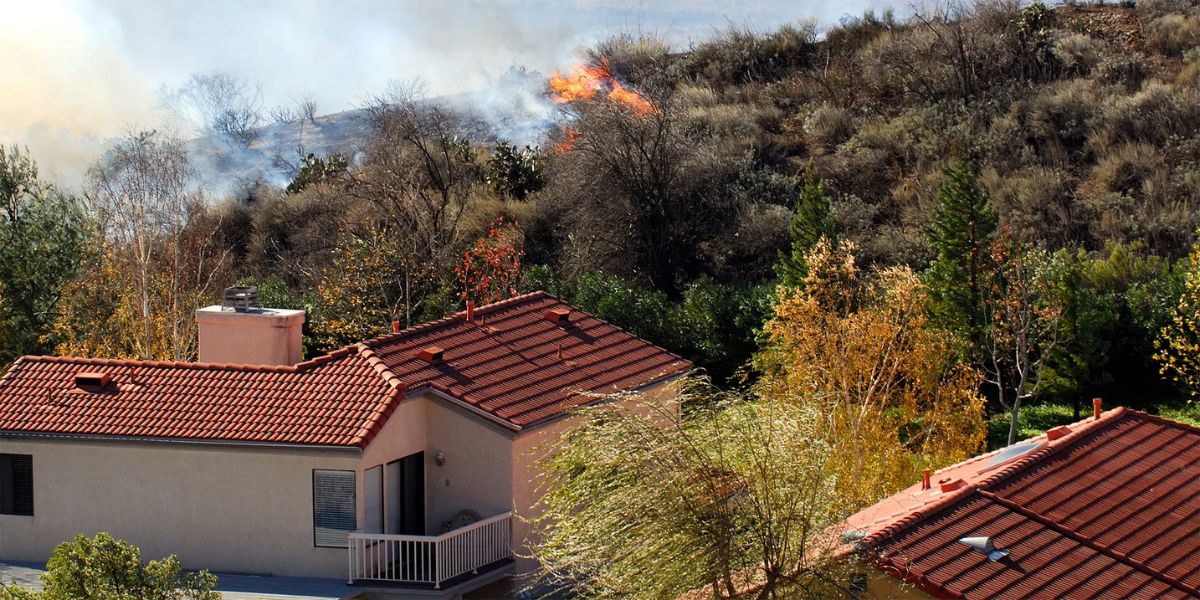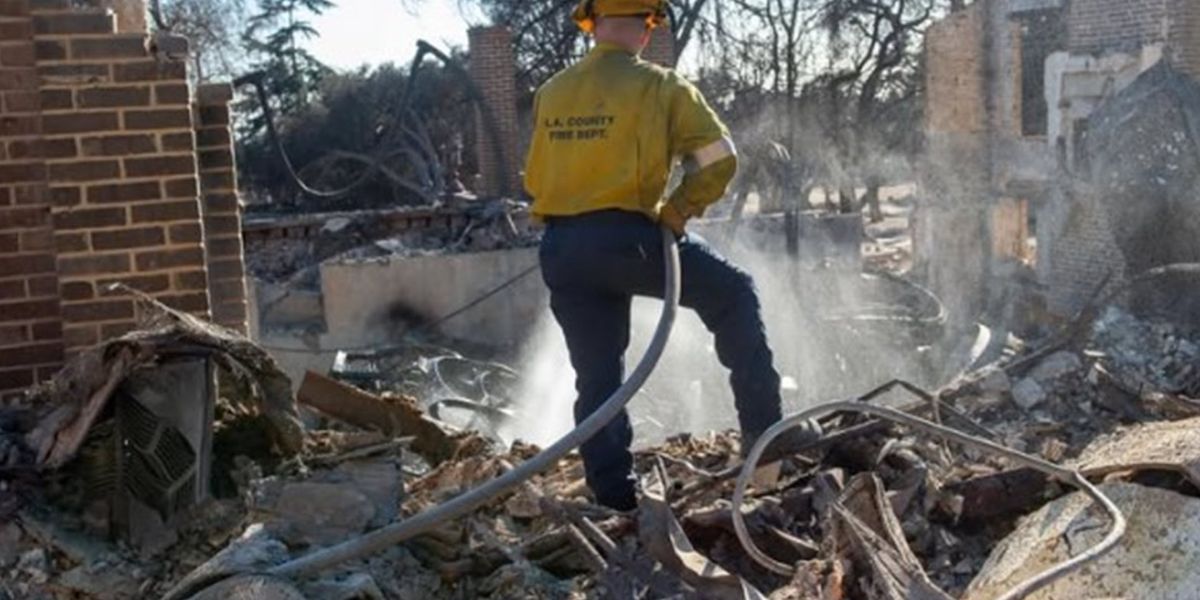
Los Angeles, a city known for its sprawling neighborhoods, diverse population, and complex geography, faces unique challenges when it comes to emergency planning. Local infrastructure plays a pivotal role in how the city prepares for and responds to disasters, whether they are natural, like wildfires and earthquakes, or man-made, such as power outages or civil disturbances. This article examines how local infrastructure directly impacts emergency planning in Los Angeles and explores the lessons learned from past events.
Understanding the Role of Infrastructure in Emergency Management
In any large city, infrastructure is the backbone of emergency preparedness and response. Los Angeles’ infrastructure, which includes roads, utilities, transportation, and communication systems, forms the foundation for managing emergencies. Efficient and reliable infrastructure ensures that emergency services can reach affected areas, resources are distributed, and citizens are informed during crises.
Table of Contents
In a city as vast and diverse as LA, the need for well-coordinated infrastructure is even more critical. The interplay between these various systems determines how quickly and effectively the city can respond to disasters. From evacuation routes to emergency services access, infrastructure plays a crucial role in how prepared LA is for any type of emergency.
Transportation Networks and Evacuation Routes
One of the most critical aspects of emergency planning is the ability to quickly evacuate large areas of the city in the event of a disaster. Los Angeles’ expansive road networks and freeway system serve as primary evacuation routes during emergencies like wildfires, earthquakes, or civil unrest. However, the vast size of the city also creates potential bottlenecks that could impede the movement of residents and emergency responders.
In past events, such as the 1994 Northridge earthquake and more recent wildfires, the roadways have been both a lifeline and a challenge. While some neighborhoods can be accessed relatively quickly, other areas, especially those in the hills or with fewer main routes, face difficulties in evacuation.
The key lesson here is that thorough planning of evacuation routes, especially for vulnerable populations in areas with limited access, is essential to ensure smooth evacuations. Improved infrastructure planning that accounts for bottlenecks and integrates multiple evacuation options can make a significant difference in emergency outcomes.
Power and Utility Systems: Critical for Response and Recovery
Another significant aspect of local infrastructure that impacts emergency planning is the power grid and utility systems. In a city like LA, where millions of people rely on electricity for basic needs, power outages can significantly hinder emergency response efforts. During wildfires or severe storms, the power grid can be knocked out, leaving residents without essential services like lighting, water, and communications.
For example, during the 2020 California wildfires, power outages were widespread, and some areas were cut off for days. Emergency services depend on reliable power sources to operate communication systems, conduct search-and-rescue operations, and support hospitals and shelters.
In response to these challenges, Los Angeles has invested in backup power systems and microgrids that can provide power to critical infrastructure during emergencies. Additionally, the city has worked on improving the resilience of utility services, including water supply and waste management systems, which are crucial during long-term emergencies.
The lesson learned is that ensuring redundancy and resilience in critical utility systems, particularly electricity and water, is essential for effective emergency planning and response.
Communication Infrastructure: Keeping Residents Informed
Communication infrastructure is another key element that influences emergency planning in Los Angeles. When disaster strikes, timely and accurate information is crucial for both residents and emergency responders. The city’s ability to send out public alerts and keep citizens informed about evacuation orders, shelter locations, and emergency services depends on its communication systems.
Los Angeles has made strides in improving its emergency communication systems through the implementation of technologies like reverse 911 and mass notification systems. However, the city faces challenges in reaching certain populations, including those without access to smartphones, the elderly, or those who speak languages other than English.
During the 2018 Woolsey Fire, for example, many residents reported not receiving evacuation notices in time, highlighting the need for better communication strategies for diverse communities.
The key takeaway is that robust and inclusive communication systems are vital for ensuring that all residents receive important information during a disaster. Emergency planning must account for diverse communication needs, including multilingual messaging and non-digital options for those without internet access.
The Importance of Resilient and Green Infrastructure
As climate change accelerates, the importance of resilient infrastructure in emergency planning has become even more apparent. In Los Angeles, where wildfires, floods, and droughts are frequent concerns, the city has increasingly focused on building green infrastructure that can help mitigate the effects of these events.
Green infrastructure solutions like permeable pavements, stormwater retention basins, and urban tree canopies are essential for reducing flood risks, improving air quality, and managing heat islands in the city. Moreover, these types of infrastructure help the city adapt to climate change by providing more sustainable solutions for disaster resilience.
Incorporating green infrastructure into emergency planning not only helps reduce the impact of natural disasters but also ensures that the city is more adaptable to future challenges. The lesson here is that resilient infrastructure, particularly green and sustainable solutions, should be prioritized as part of long-term emergency planning in cities like LA.
Collaboration Between Local Agencies and Infrastructure Providers
Effective emergency planning in Los Angeles is not solely the responsibility of one entity. Local government agencies, utility companies, transportation departments, and first responders must collaborate to create comprehensive emergency plans that integrate all aspects of infrastructure.
For example, during wildfires, the coordination between the LA Fire Department, utility companies, and transportation departments ensures that evacuation routes are clear, that resources are delivered efficiently, and that residents are kept safe.
The lesson learned here is that cross-sector collaboration is crucial. Agencies must work together, share data, and engage in joint exercises to ensure that LA’s infrastructure supports coordinated emergency responses.
Conclusion: Strengthening LA’s Infrastructure for Future Emergencies
The infrastructure that makes up Los Angeles is central to the city’s ability to prepare for, respond to, and recover from emergencies. From transportation and utilities to communication systems and green infrastructure, each component plays a vital role in safeguarding the city’s residents.
The key lessons learned from past events underscore the importance of redundancy, resilience, and collaboration in emergency planning. As Los Angeles continues to grow and face new challenges, the city must invest in modernizing and improving its infrastructure to ensure that it can handle the complexities of future disasters.
For more information on emergency preparedness and planning, visit Be Ready LA and discover actionable resources to help you stay safe and informed during emergencies.