Los Angeles is known for its bustling traffic, diverse terrain, and occasional natural disasters such as wildfires and earthquakes. In such a dynamic environment, it’s critical for every vehicle owner to be prepared for emergencies. Whether you’re stuck in a traffic jam during a heatwave, caught in a wildfire evacuation, or navigating after an earthquake, being ready can make all the difference. This guide provides essential steps to help you prepare your vehicle for emergency situations in Los Angeles.
1. Keep Your Vehicle in Good Condition
The first and most essential step to ensuring your vehicle is ready for an emergency is keeping it in top working condition. Regular maintenance is vital, especially in a city like Los Angeles where road trips, long commutes, and high traffic volumes are the norm.
Table of Contents
Key Maintenance Tips:
- Check Fluids: Regularly check your engine oil, transmission fluid, brake fluid, and windshield washer fluid. Low or old fluids can leave you stranded in an emergency.
- Inspect Tires: Ensure your tires are properly inflated and have good tread. During emergencies, especially after a natural disaster, tire problems can worsen.
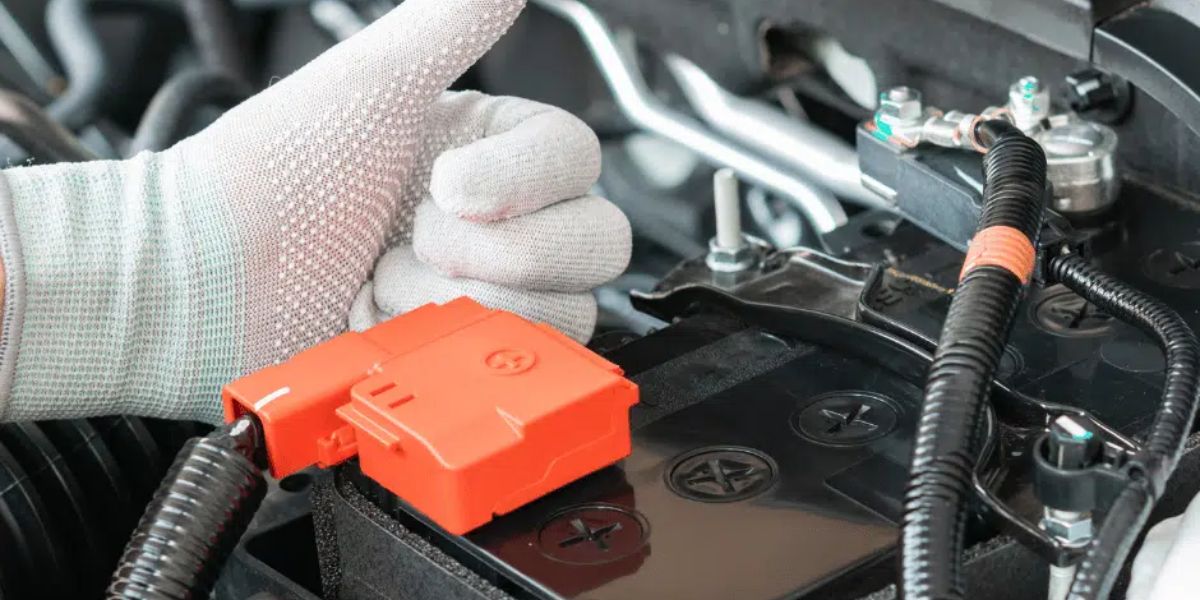
- Battery Health: A reliable battery is crucial in an emergency. Ensure your battery is fully charged and replace it every few years.
- Brakes & Lights: Ensure your brakes are functioning well and that all vehicle lights are operational, including headlights, taillights, and hazard lights.
By keeping your vehicle regularly serviced and addressing issues promptly, you can avoid breakdowns when you need your car the most.
2. Build an Emergency Kit for Your Vehicle
Whether you’re driving across town or heading into more rural areas of LA, always have an emergency kit on hand. The kit should be tailored to Los Angeles-specific conditions, such as heat, wildfires, and earthquakes, but should also cover general emergencies.
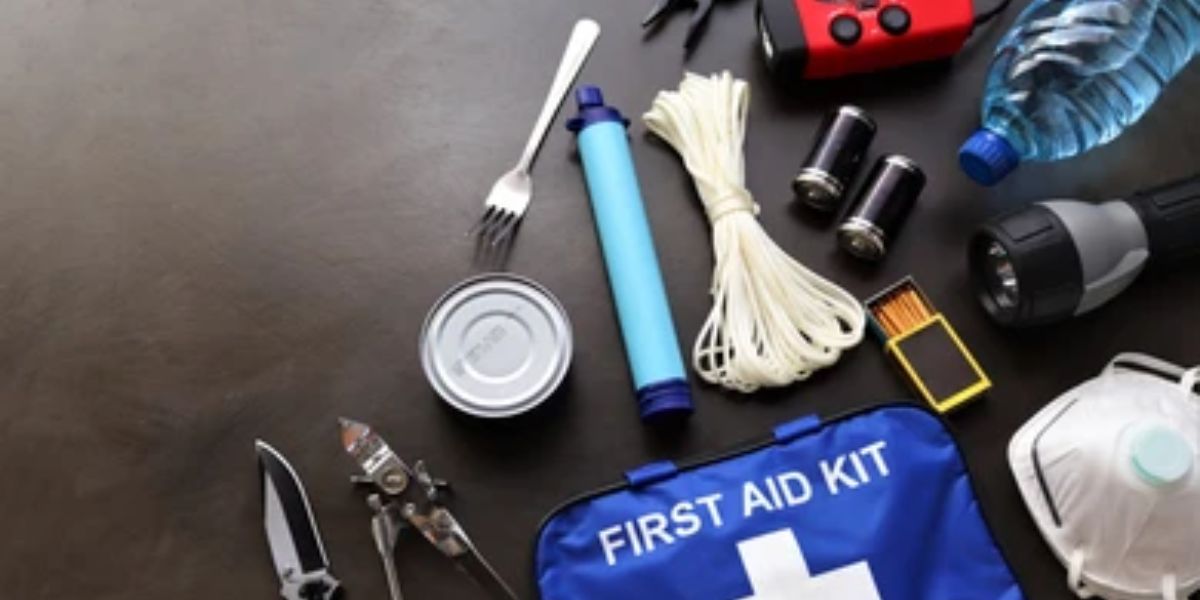
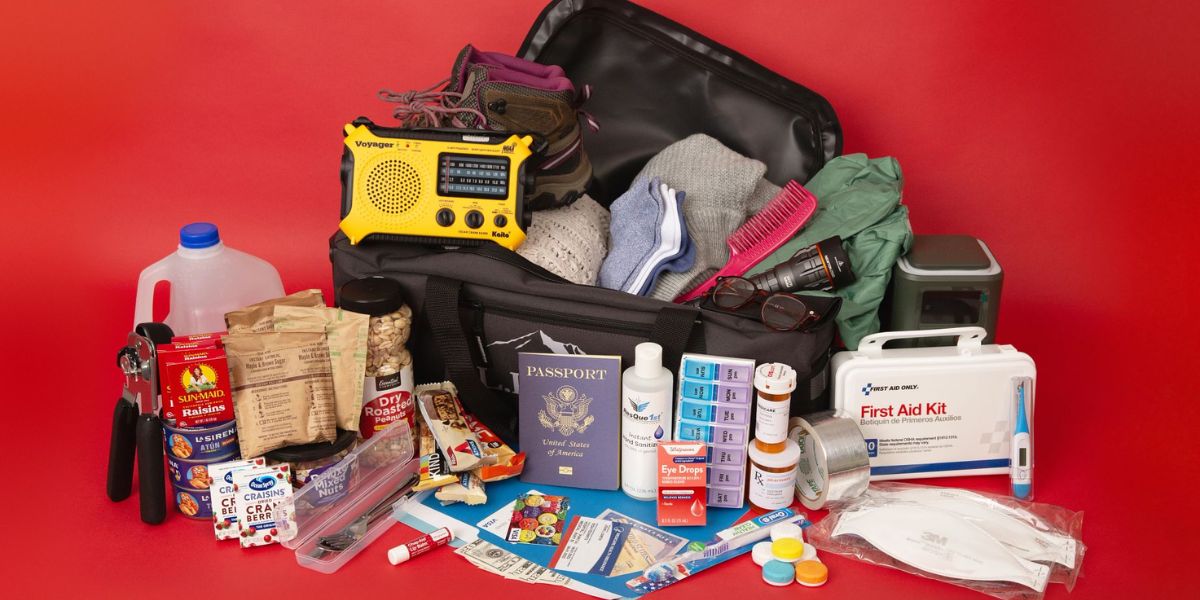
Essential Items for Your Emergency Kit:
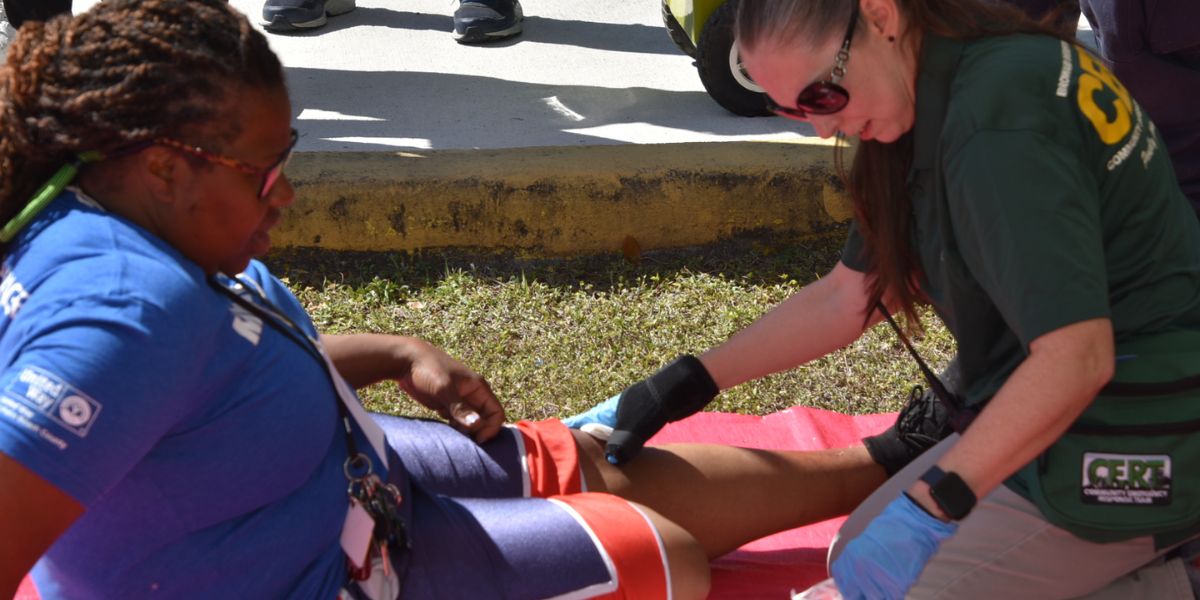
- First Aid Kit: Include bandages, antiseptic, pain relievers, and any personal medication you might need.
- Water & Non-perishable Snacks: In case you’re stranded in traffic or on the road for an extended period, these items will keep you hydrated and energized.
- Flashlight & Extra Batteries: Power outages can occur after an earthquake, wildfire, or storm, so always have a flashlight on hand.
- Portable Phone Charger: Having a portable charger ensures you can keep your phone charged during an emergency, especially when there are power outages.
- Fire Extinguisher: If you’re caught near a wildfire or an accident, having a small fire extinguisher in your car can be lifesaving.
- Multi-tool or Car Tool Kit: A tool kit can come in handy for basic vehicle repairs.
- Blankets & Warm Clothing: Even in LA, weather can be unpredictable. Pack blankets, jackets, and warm clothes for colder months or emergencies in higher altitudes.
- Maps & Directions: A paper map can help if your phone runs out of battery or you lose signal in certain parts of LA.
3. Prepare for Natural Disasters in LA
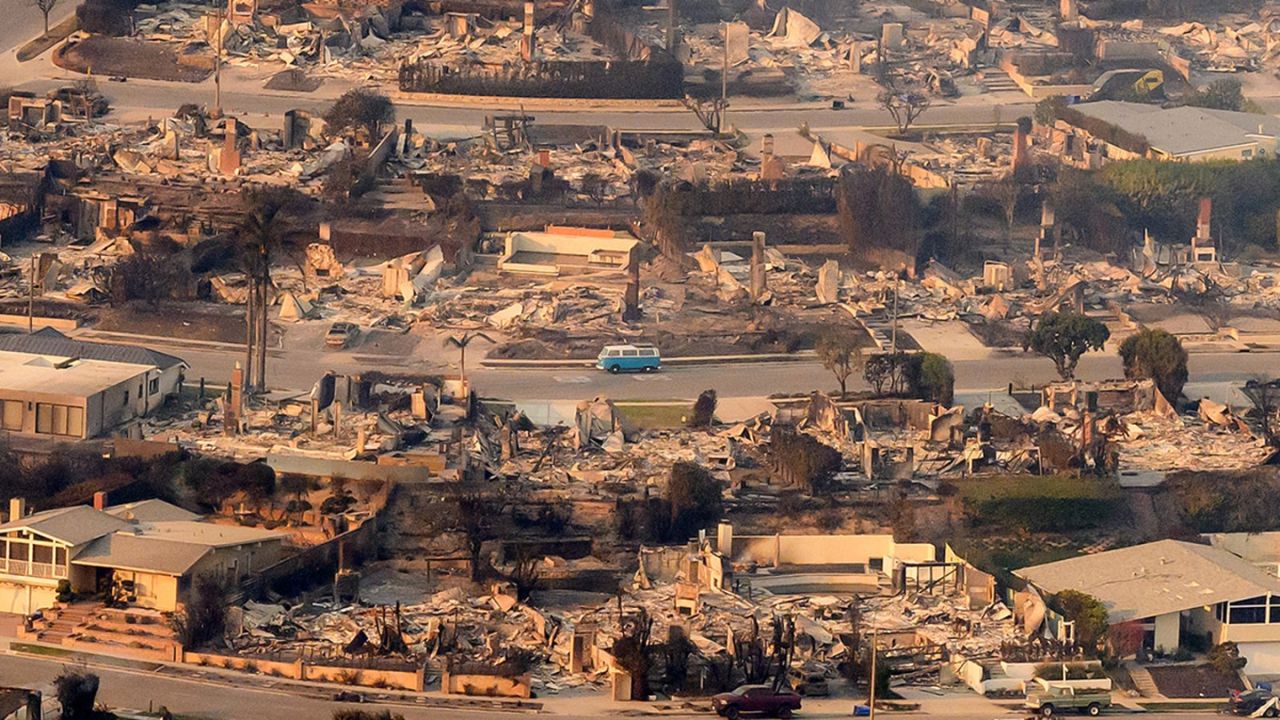
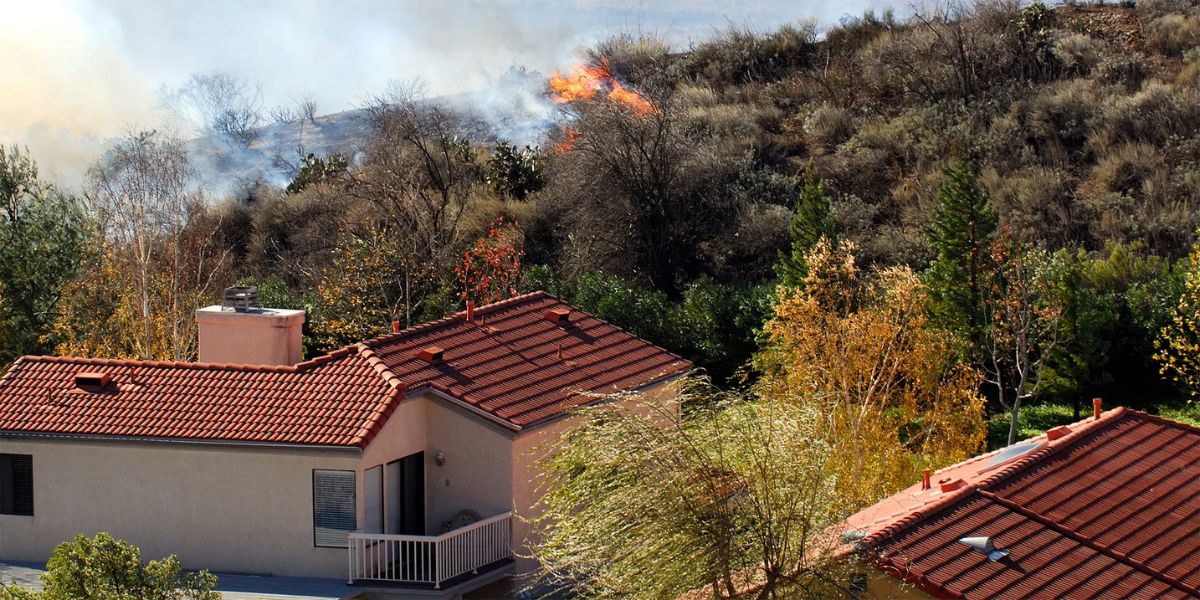
Los Angeles is prone to natural disasters, including earthquakes, wildfires, and mudslides. These situations can disrupt travel plans and create hazardous driving conditions. Having a plan for your vehicle in such cases is essential.
Wildfire Preparedness:
- Stay Informed: Monitor local news and wildfire reports. Know the routes to evacuate and avoid roads that may be blocked by fires.
- Vehicle Ready for Evacuation: If you live in a fire-prone area, keep your vehicle packed and ready to evacuate at a moment’s notice. Have an emergency go-bag that includes essential documents, medications, and valuables.
- Protect Your Vehicle: If there’s a wildfire near you, park your vehicle away from trees and shrubbery. Keep the windows rolled up and the air conditioning on recirculation to prevent smoke from entering the cabin.
Earthquake Preparedness:
- Secure Your Car: When an earthquake hits, roads may be damaged, and fallen debris can obstruct your path. Keep your vehicle stocked with essentials and consider storing your vehicle in a garage or parking structure that is less prone to damage.
- Know the Evacuation Routes: Familiarize yourself with the quickest evacuation routes around LA, especially if you’re near fault lines. Some areas may become impassable due to landslides or road damage.
4. Plan for Traffic Emergencies and Road Closures
Los Angeles is infamous for its traffic jams. It’s not uncommon for commuters to be stuck in gridlock, especially during rush hours. During emergencies, like wildfires or major accidents, traffic conditions can worsen. Plan ahead and keep your car stocked with the necessary resources to endure long delays.
What to Include in Your Traffic Emergency Plan:
- Alternate Routes: Familiarize yourself with secondary roads and exits in case of road closures due to traffic, accidents, or natural disasters.
- Gas Tank: Keep your gas tank at least half full at all times. In case of an emergency, you may not have easy access to a gas station.
- Avoid the Highways: Major highways such as the 405 or 101 can become parking lots during emergencies. Avoid them when possible or plan ahead to use alternative routes.
5. Stay Connected and Informed
In an emergency, staying connected is essential. Keep your phone fully charged, and make sure you have access to real-time traffic and emergency alerts.
Staying Informed:
- Emergency Alert System: Enable emergency alerts on your phone, such as LA’s NotifyLA or FEMA alerts, to receive up-to-date information about wildfires, earthquakes, or traffic incidents.
- Traffic Apps: Use traffic apps such as Waze or Google Maps to stay informed about road closures, accidents, or hazards in real-time.
- Emergency Broadcast Radio: In case of an area-wide power outage, an emergency radio broadcast can provide information on evacuations, shelter locations, and weather warnings.
6. Keep Important Documents in Your Car
In an emergency, having quick access to important documents can be a lifesaver. Store critical documents like your driver’s license, registration, insurance information, and emergency contacts in a safe and easily accessible place in your vehicle.
Conclusion: Be Ready for the Unexpected in LA
Whether it’s an earthquake, wildfire, or a traffic emergency, being prepared is key to navigating the unique challenges of living and driving in Los Angeles. By maintaining your vehicle, keeping an emergency kit on hand, and having a plan for natural disasters, you can ensure that you’re ready for anything that comes your way.
For more helpful tips on community preparedness and emergency planning, visit Be Ready LA—your local resource for staying informed and ready for emergencies.
What emergency preparedness tips do you use for your vehicle in LA? Share your thoughts in the comments below!