Los Angeles, a city known for its sprawling neighborhoods and diverse communities, faces unique challenges when it comes to disaster preparedness and response. From earthquakes and wildfires to floods and power outages, the city is no stranger to natural disasters. While citywide efforts are crucial in disaster management, the importance of local neighborhoods supporting each other during emergencies cannot be overstated. In this article, we explore how Los Angeles neighborhoods can strengthen their resilience through mutual support during natural disasters.
1. Establishing Neighborhood Emergency Plans
One of the most effective ways for LA neighborhoods to prepare for natural disasters is by establishing comprehensive neighborhood emergency plans. These plans should include details on evacuation routes, meeting points, and communication strategies, ensuring that all residents know where to go and who to contact in the event of an emergency.
Table of Contents
Creating these plans requires input from diverse community members, including local leaders, emergency responders, and residents. Involving everyone in the process ensures that the plan is inclusive and considers the needs of vulnerable populations such as the elderly, disabled, and those without access to transportation. By setting clear expectations and roles, neighborhoods can act quickly and efficiently when disaster strikes.
2. Creating Community Emergency Response Teams (CERTs)
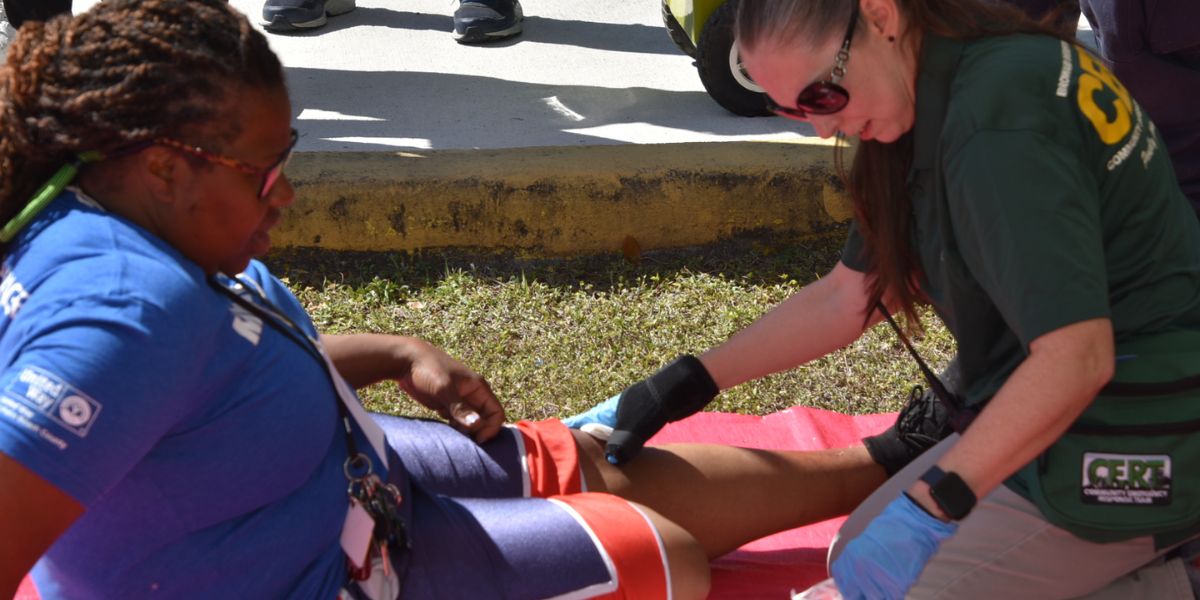
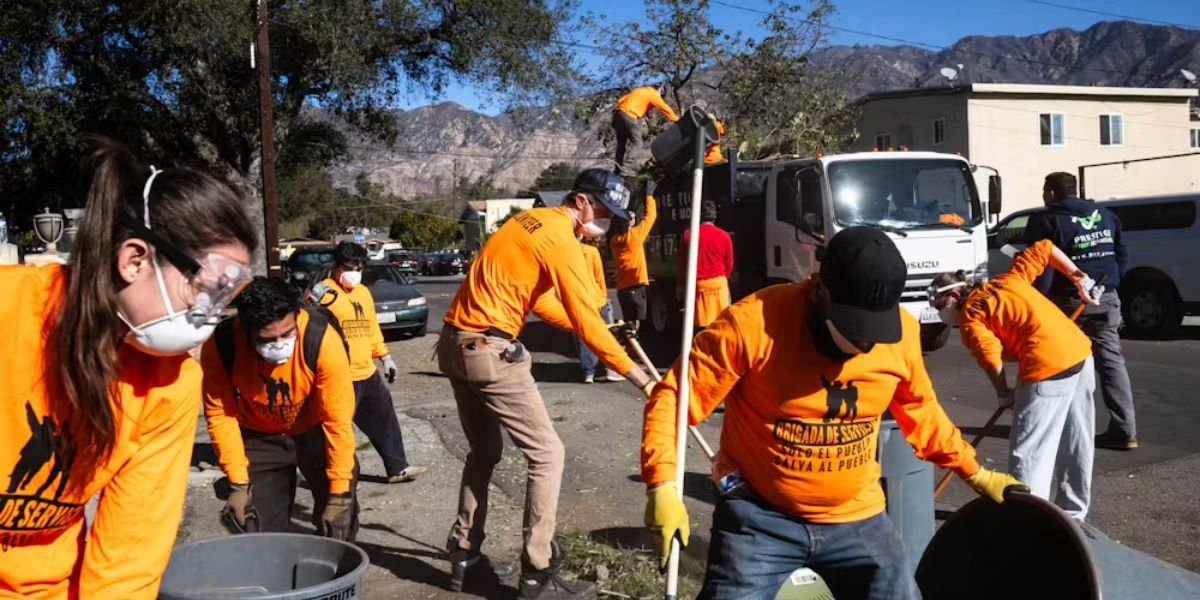
Community Emergency Response Teams (CERTs) are volunteer groups trained to assist during and after a disaster. In Los Angeles, CERT programs have proven to be highly effective in mobilizing neighborhood support. These teams are trained in basic firefighting, first aid, search and rescue, and other essential emergency response skills.
Having CERT-trained volunteers in each neighborhood enables a rapid response to local disasters, especially in the crucial moments before professional emergency responders can arrive. CERT members can assist in evacuating residents, setting up temporary shelters, and providing first aid to those in need. The key lesson here is that investing in local volunteers and training them can save lives and build a sense of solidarity within neighborhoods.
3. Strengthening Communication Networks
Effective communication during a disaster is vital. Los Angeles neighborhoods should prioritize creating reliable communication channels to ensure that residents can stay informed and connected during an emergency. This might include setting up neighborhood-based text alerts, social media groups, or dedicated emergency phone trees.
In addition, some neighborhoods can invest in satellite phones or walkie-talkie systems to ensure communication even when cellular networks are down. By ensuring everyone has access to important information and updates, neighborhoods can better coordinate evacuations, shelter locations, and resource distribution.
4. Supporting Vulnerable Residents
In a city as large and diverse as Los Angeles, the needs of vulnerable residents—such as the elderly, disabled, low-income families, and those with limited English proficiency—must be considered during disaster planning. Neighborhoods should identify these individuals and ensure they have the support they need, whether it’s assistance with evacuation, access to medical supplies, or help reaching emergency shelters.
One effective strategy is for neighbors to look out for one another. For example, local volunteers can be assigned to check on elderly residents or those with mobility challenges. By having a support system in place that specifically addresses the needs of vulnerable populations, LA neighborhoods can ensure that no one is left behind during a disaster.
5. Organizing Disaster Supply Drives
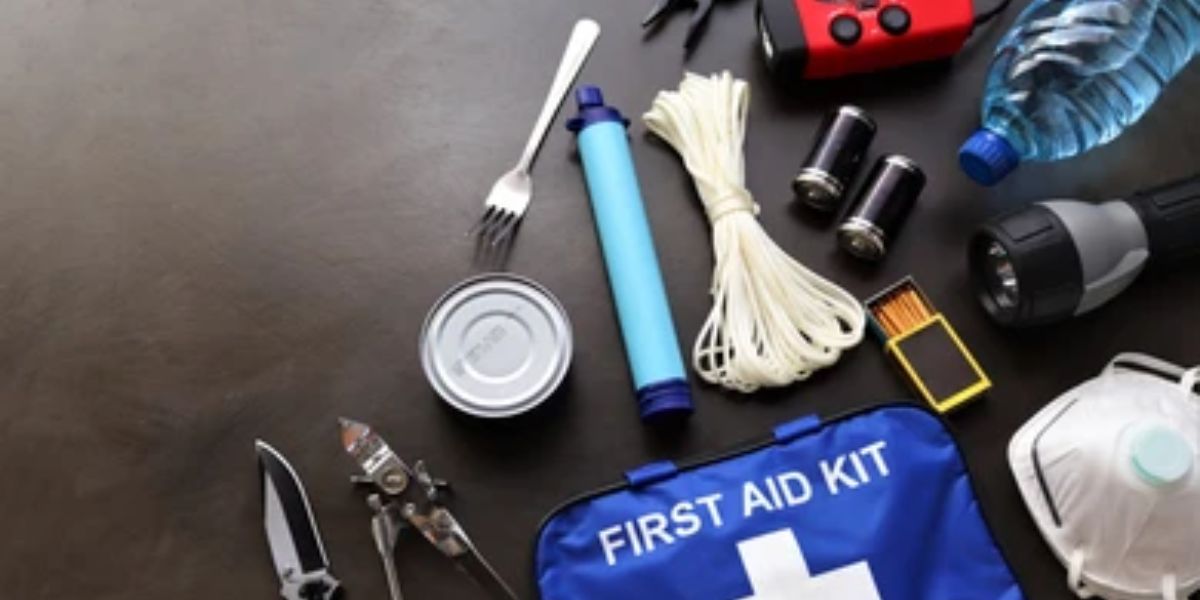
Neighborhoods can also organize supply drives to ensure that there are enough resources available for everyone during a disaster. This could include collecting non-perishable food, water, blankets, first-aid kits, and other essential supplies that can be distributed to residents in need.
By collaborating with local businesses, schools, and churches, neighborhoods can create disaster relief stockpiles that are ready to be used when needed. The lesson here is that collective effort ensures that neighborhoods are better prepared to provide immediate assistance without waiting for external aid.
6. Building Disaster-Resilient Infrastructure
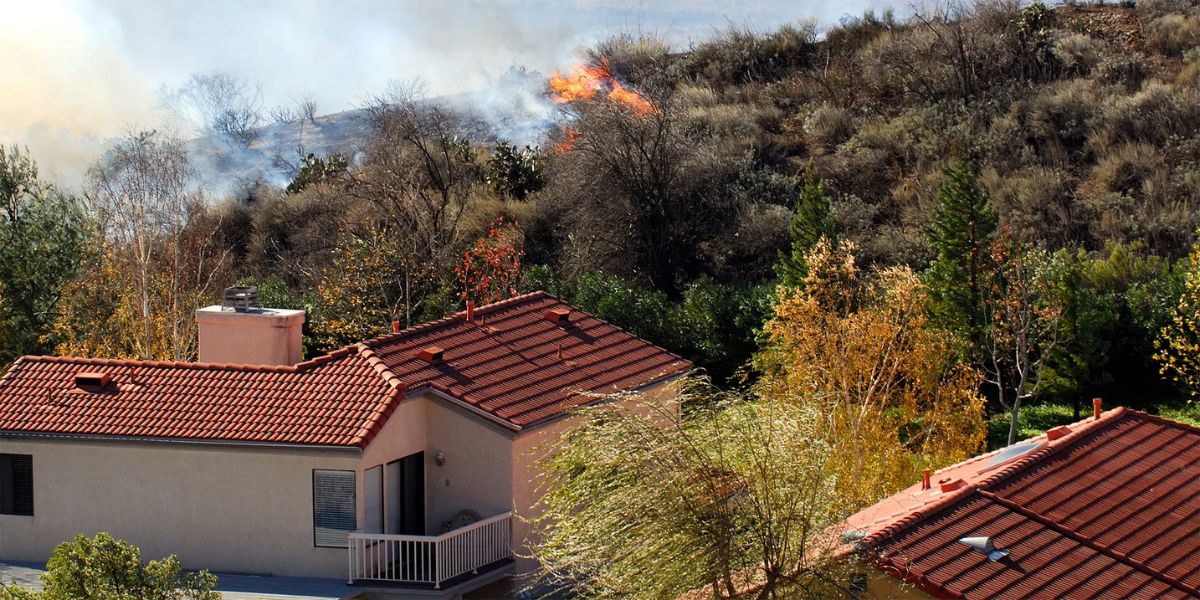
While individual neighborhoods can do a lot to prepare, the importance of disaster-resilient infrastructure cannot be overlooked. LA neighborhoods should advocate for infrastructure improvements that will help protect them during natural disasters. This includes upgrading bridges, reinforcing buildings, creating firebreaks in wildfire-prone areas, and ensuring the resilience of power grids and water systems.
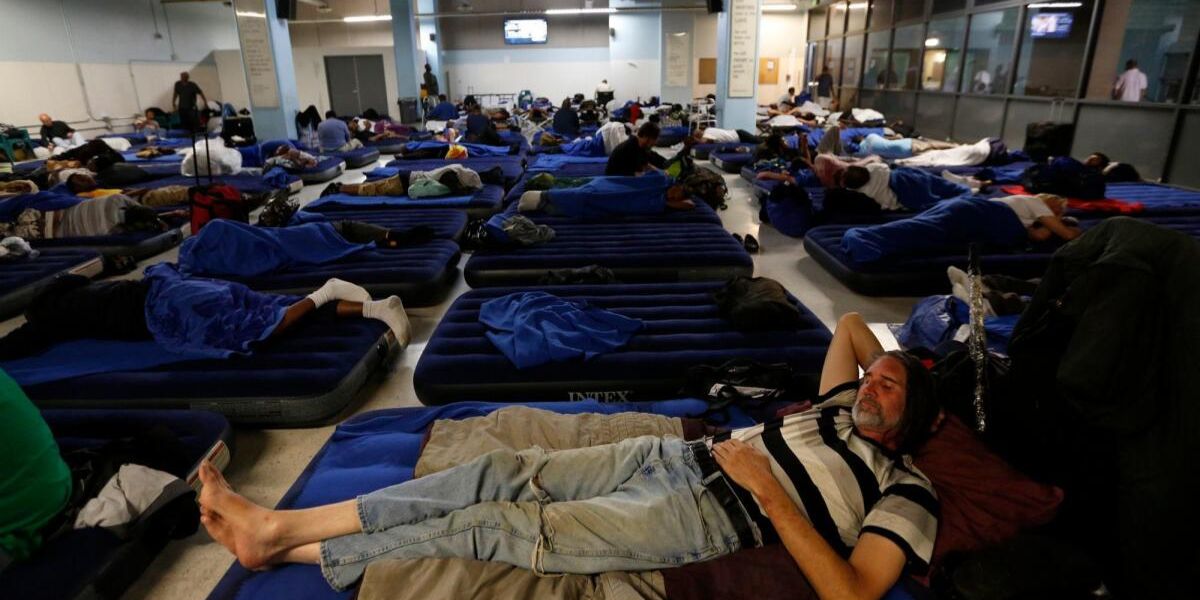
In addition, local governments should ensure that public spaces such as parks and schools are designated as emergency shelters. By building infrastructure that can withstand the impacts of natural disasters, neighborhoods will be more resilient and better equipped to support residents during an emergency.
7. Promoting Community Education and Preparedness
Education is key to disaster preparedness. Neighborhoods in Los Angeles can organize workshops, training sessions, and informational campaigns to ensure that all residents know how to respond during a natural disaster. Topics might include basic first aid, how to create emergency kits, and fire safety.
The goal is to create a well-informed community where everyone understands the steps to take before, during, and after a disaster. By encouraging residents to take personal responsibility for their safety and well-being, neighborhoods can significantly reduce the risk of injury and loss of life during a disaster.
8. Fostering a Culture of Mutual Aid
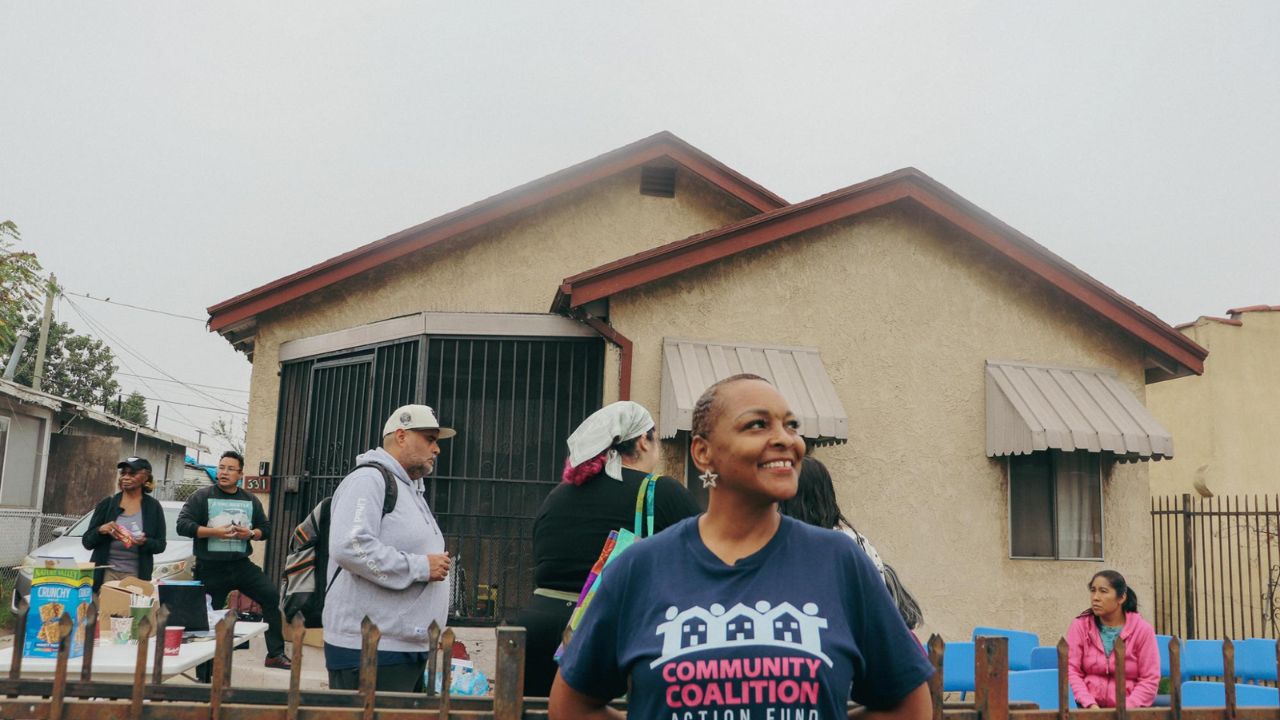
Ultimately, creating a culture of mutual aid is one of the most important ways neighborhoods can support each other during natural disasters. Mutual aid refers to the practice of neighbors helping one another, whether it’s by sharing resources, providing emotional support, or offering a safe place to stay.
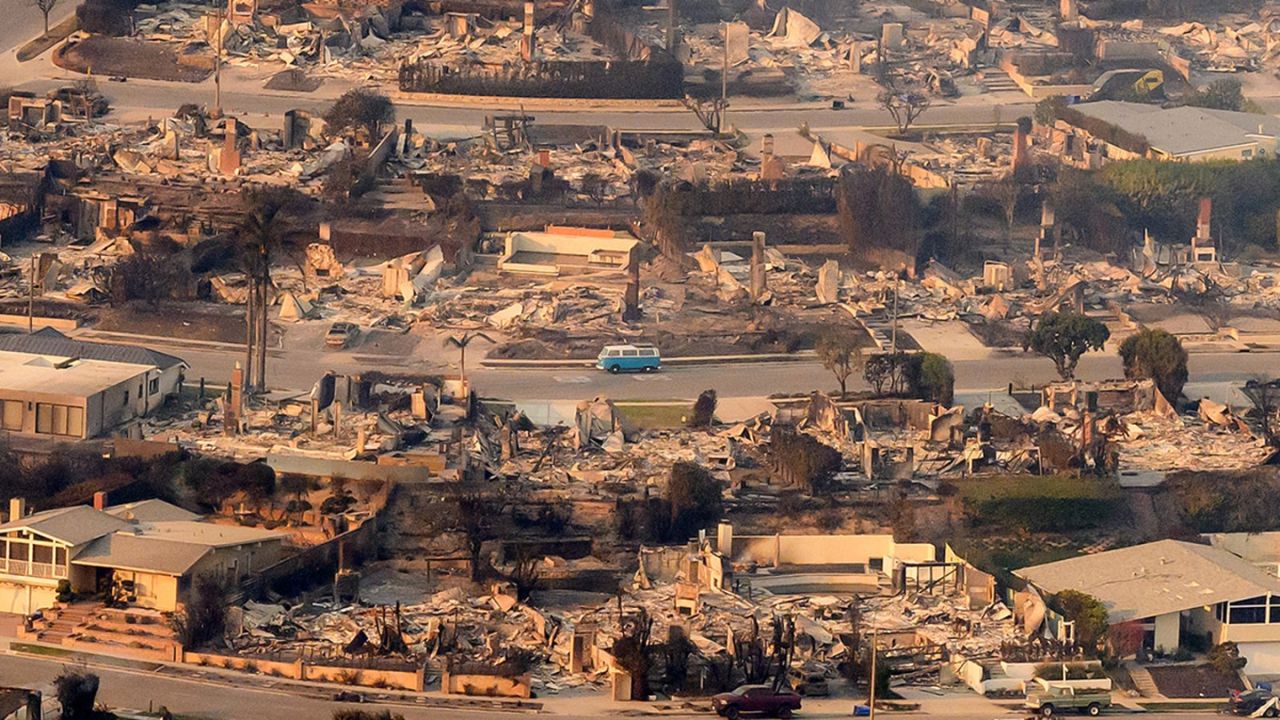
During the 2020 wildfires, many Los Angeles neighborhoods came together through mutual aid networks, distributing food, water, and supplies to those affected. These networks not only help in immediate relief efforts but also foster long-term relationships that strengthen the community’s ability to bounce back from disasters.
Conclusion: Strengthening LA’s Neighborhood Resilience
When natural disasters strike, it is often the strength of local neighborhoods that determines the speed and effectiveness of recovery. By creating emergency plans, supporting vulnerable residents, strengthening communication networks, and investing in disaster-resilient infrastructure, Los Angeles neighborhoods can become more self-reliant and resilient.
In times of crisis, the sense of community is invaluable. Through collaboration, mutual aid, and preparedness, LA neighborhoods can support each other and overcome the challenges posed by natural disasters. Together, they can ensure that when disaster strikes, no one is left behind.
Take action now! Learn more about disaster preparedness and how you can get involved in supporting your neighborhood by visiting Be Ready LA. Let’s work together to make LA more resilient for everyone!