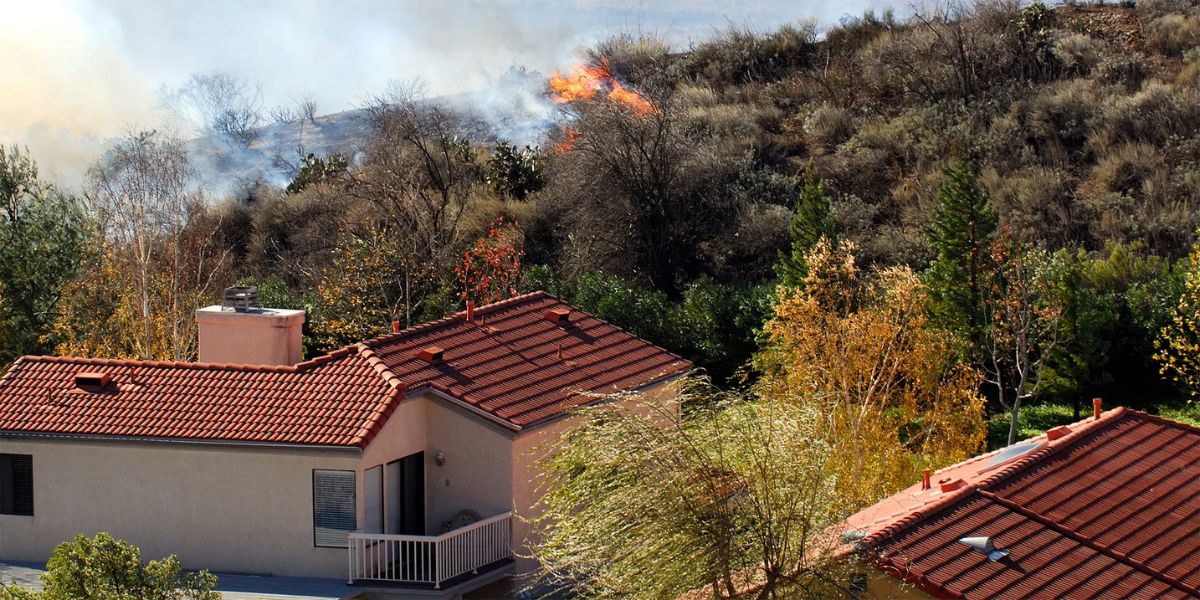
When it comes to emergency preparedness, the collaboration between local governments, community leaders, and residents is essential for saving lives and minimizing damage. In Los Angeles, a city prone to natural disasters such as wildfires, earthquakes, and flooding, a well-coordinated emergency plan can make all the difference. This article explores the critical role local government collaboration plays in ensuring LA’s residents are safe and well-prepared during emergencies.
The Role of Local Government in Emergency Preparedness
Local governments in Los Angeles, including city councils, emergency management departments, and public safety agencies, are tasked with creating, updating, and implementing emergency plans. These plans cover a broad range of scenarios, from natural disasters to man-made crises, and involve coordinating resources, communication, and community support.
Table of Contents
One of the most important functions of local government in emergency preparedness is ensuring that there are clear, actionable guidelines for all residents. Whether it’s directing evacuation procedures during a wildfire, providing shelter during an earthquake, or ensuring communication lines remain open during power outages, local governments need to make sure every resident knows what to do when disaster strikes.
The Need for Multilevel Collaboration
Emergencies often require a multi-agency response, and this is especially true in a complex urban environment like Los Angeles. Collaboration between various local government agencies is vital for ensuring a smooth, unified response. The Los Angeles Emergency Management Department (EMD), for example, partners with the Los Angeles Police Department (LAPD), the Los Angeles Fire Department (LAFD), and local hospitals to ensure quick response times and resource availability during emergencies.
These agencies must work together, share information, and deploy resources effectively. Coordination is especially crucial when it comes to information-sharing platforms, as timely and accurate information can prevent confusion and keep the public informed on safety protocols, evacuation routes, and shelter locations.
Connecting with Non-Governmental Organizations (NGOs)
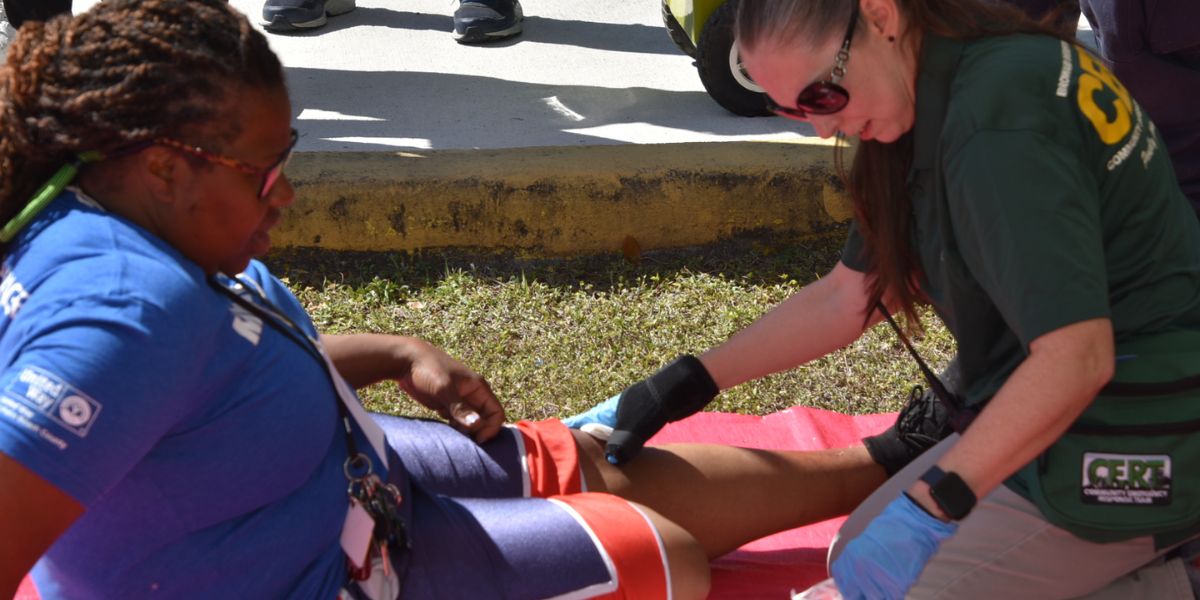
In addition to government agencies, local nonprofits, community groups, and volunteer organizations are often on the front lines of emergency response. Local governments in LA recognize the importance of these partnerships. For instance, Los Angeles has established relationships with groups like the Red Cross and CERT (Community Emergency Response Teams) to expand resources and support to vulnerable populations.
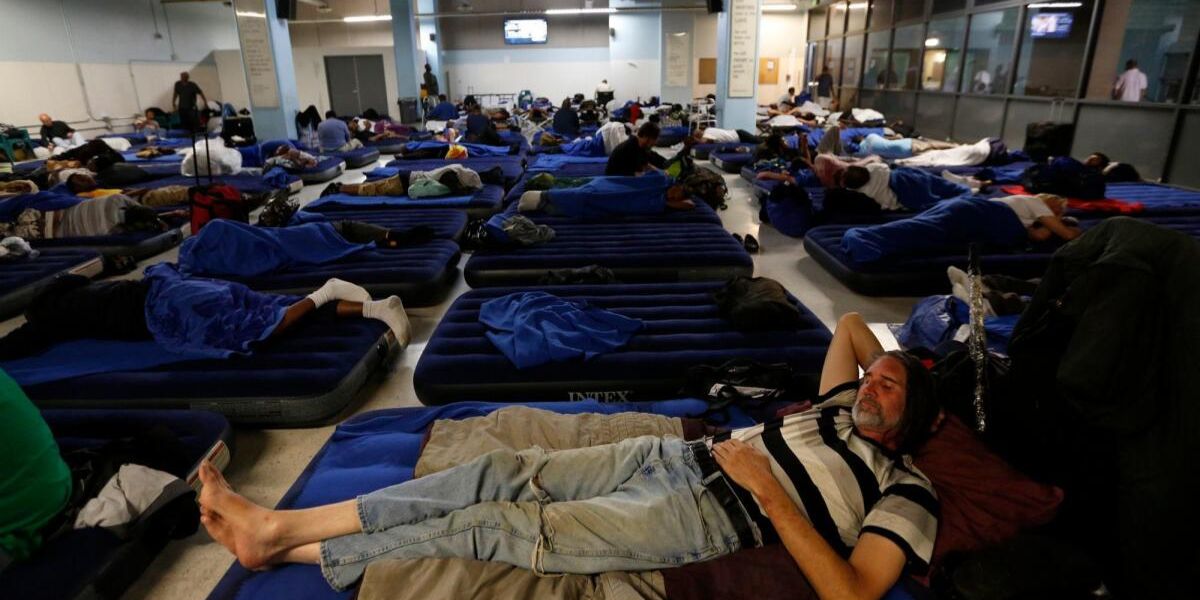
Local government collaborations with NGOs are also crucial in meeting the needs of specific communities during an emergency. Vulnerable groups such as seniors, children, and individuals with disabilities require specialized support, which is why NGOs often step in with services like shelter, food, medical assistance, and emotional support.
Training and Resource Sharing
A critical component of successful collaboration in LA’s emergency plans is training. Local government agencies regularly hold joint training sessions, simulations, and drills to ensure all departments are well-prepared. These exercises allow city officials, first responders, and even the general public to better understand their roles during an emergency.
Shared resources, such as emergency shelters, food banks, and mobile medical units, must be strategically positioned throughout the city. Through collaboration, local government agencies can identify and utilize these resources more effectively, ensuring rapid deployment during a crisis.
Furthermore, collaboration also means pooling expertise from various sectors, from urban planning and engineering to public health and communications. For example, urban planners may help identify high-risk areas for wildfires or flooding, while public health officials can ensure that shelter locations meet the necessary health and safety standards. This synergy of expertise makes emergency responses more effective.
Enhancing Public Communication During Crises
Clear, consistent communication is key during any disaster, and local governments play a central role in keeping residents informed. The city of Los Angeles uses multiple communication platforms to deliver emergency alerts, including text messages, social media, television broadcasts, and the LA emergency notification system.
Moreover, collaboration with local media outlets ensures that emergency information is spread quickly. These outlets serve as a bridge between government agencies and the public, helping to relay critical updates about evacuation orders, shelter locations, and health guidelines. Ensuring this system works seamlessly requires constant cooperation between local governments, media organizations, and technology providers.
Encouraging Community Engagement
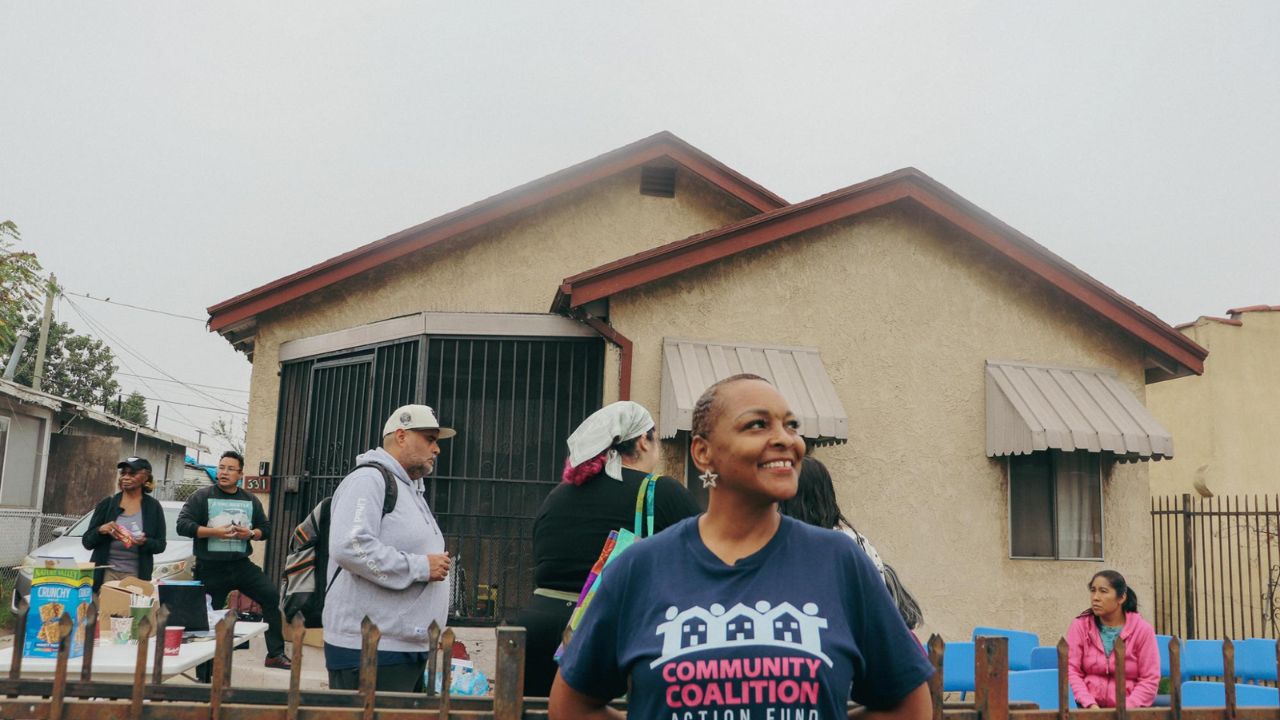
An often-overlooked aspect of local government collaboration is the engagement of residents in the preparedness process. Local government efforts to involve the community in emergency planning create a more resilient population. Through initiatives like neighborhood preparedness workshops, town hall meetings, and public awareness campaigns, LA residents are encouraged to take active roles in their own safety and the safety of their neighbors.
When local governments work directly with communities, they can address specific needs and concerns, such as providing bilingual resources for non-English speaking residents or offering assistance to people with disabilities who may have unique evacuation requirements. Community involvement helps ensure that everyone is equipped with the knowledge and tools needed for emergency situations.
The Importance of Collaboration in Long-Term Recovery
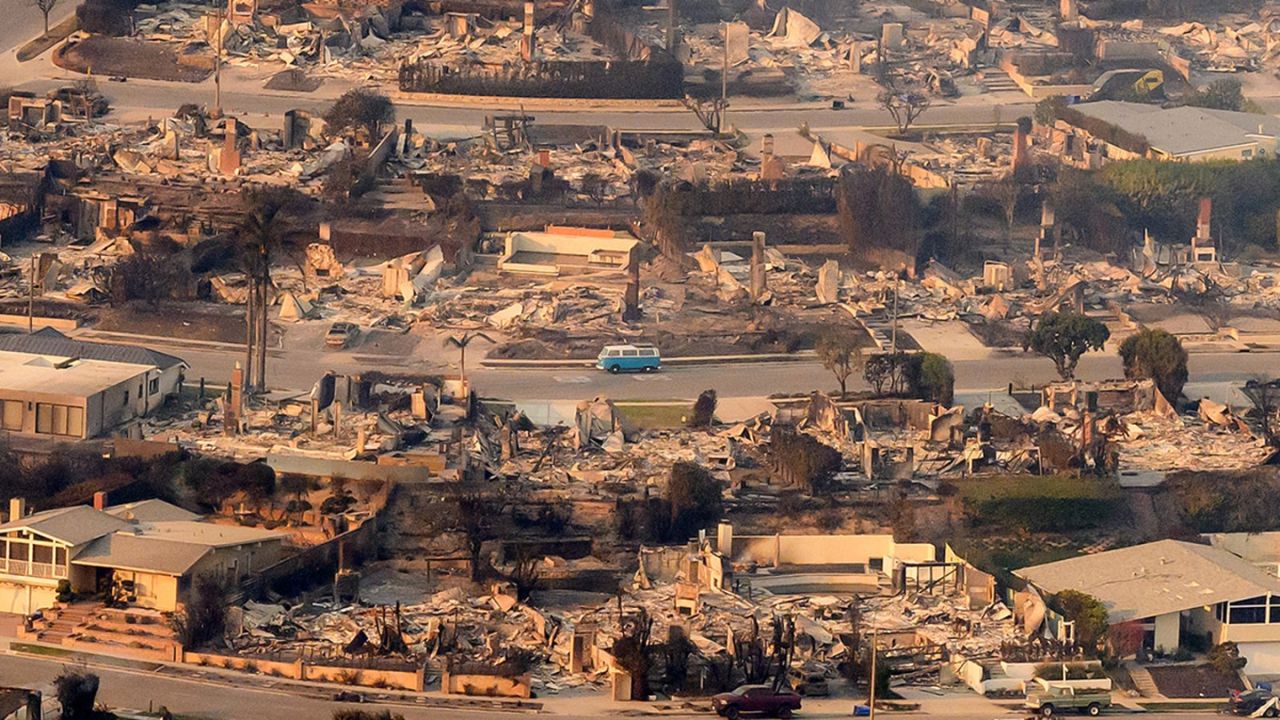
The role of local government collaboration does not end after the immediate emergency response. Once the crisis has passed, government agencies, NGOs, and the community must come together again for the long-term recovery phase. This can include rebuilding infrastructure, providing financial support to affected families, and addressing the mental health impacts of disasters.
Collaborating on post-disaster recovery is just as vital as the emergency response itself. The Los Angeles community has learned valuable lessons from past events, such as the 1994 Northridge earthquake and the 2018 Woolsey Fire, on how to manage recovery efforts collaboratively and efficiently.
Conclusion: Working Together for a Safer Los Angeles
The importance of local government collaboration in LA’s emergency plans cannot be overstated. In a city as large and diverse as Los Angeles, where natural disasters and emergencies are inevitable, the joint efforts of government agencies, NGOs, local businesses, and residents are essential for a successful response. With proper coordination, communication, and preparation, LA’s emergency plans can save lives, protect property, and ensure the city’s resilience in the face of crises.
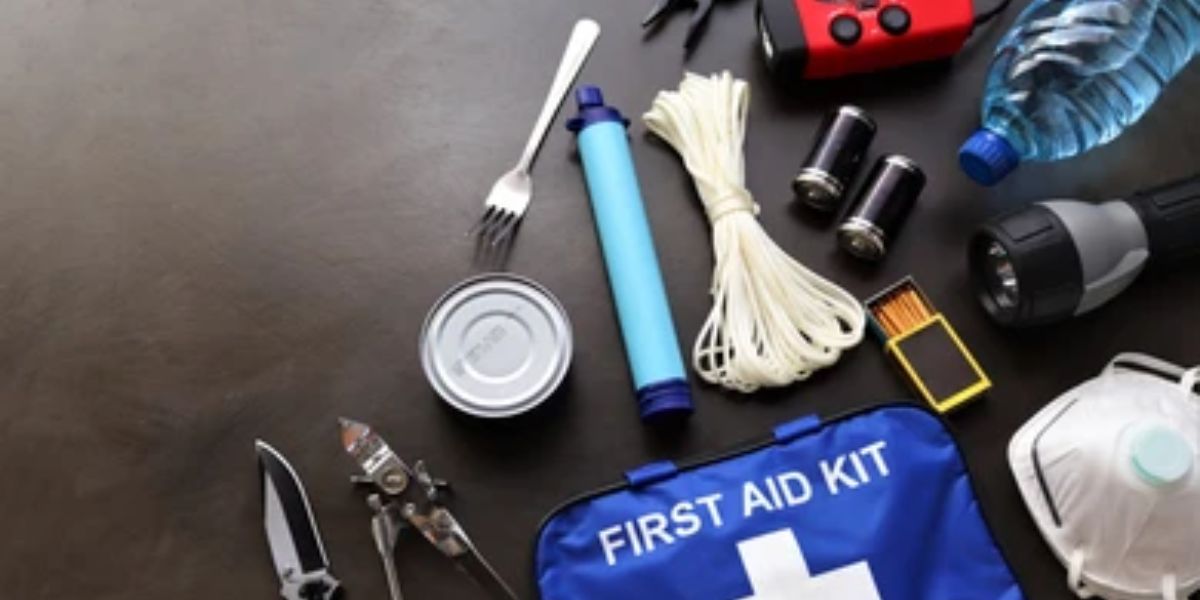
It’s crucial to be proactive when it comes to emergency preparedness. Visit bereadyla.org to learn more about how you can get involved in your local emergency plans. Whether it’s attending a neighborhood meeting or creating your own emergency kit, every step counts toward building a safer, more prepared Los Angeles.