Living in Los Angeles’ hillside communities offers stunning views and a tranquil environment, but it also comes with a unique set of challenges, especially when it comes to wildfire safety. The dry, hot climate, coupled with the dense vegetation in these areas, makes them highly susceptible to wildfires. Being prepared is crucial for protecting yourself, your home, and your community. In this article, we’ll cover essential wildfire safety tips that every resident of LA’s hillside communities should know.
Understand the Risk: Why Wildfires Are a Threat to Hillside Communities
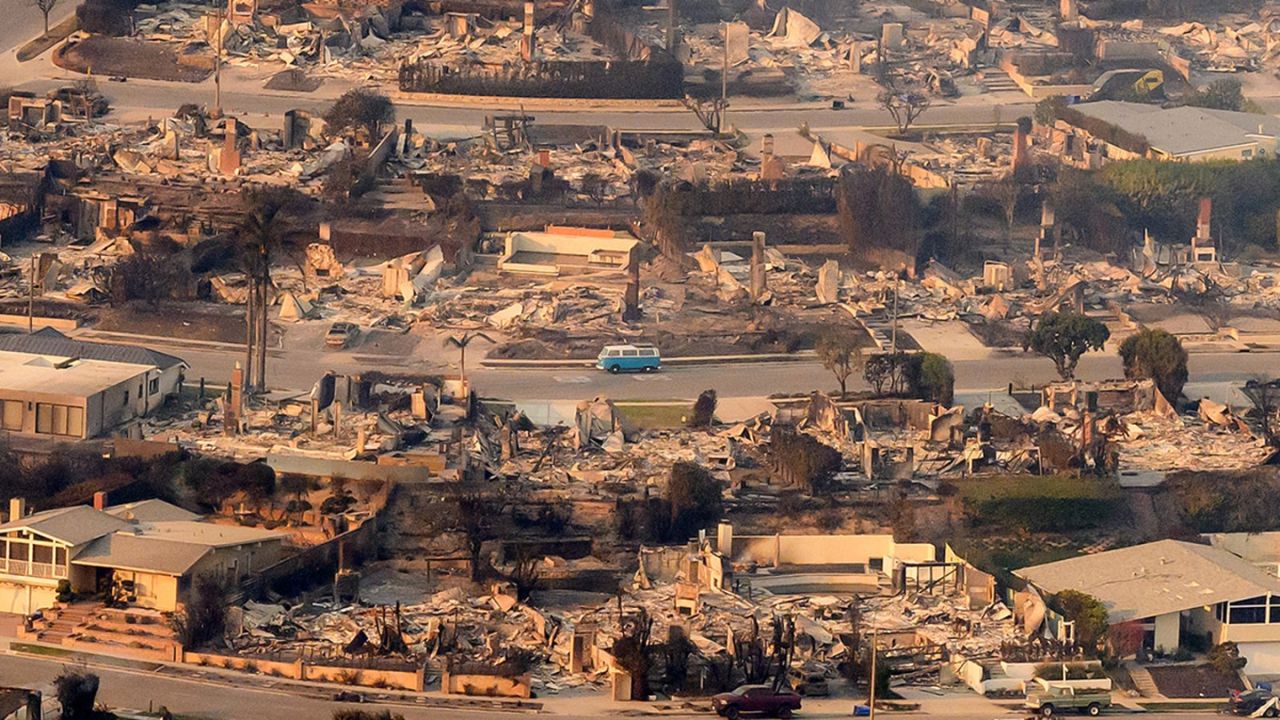
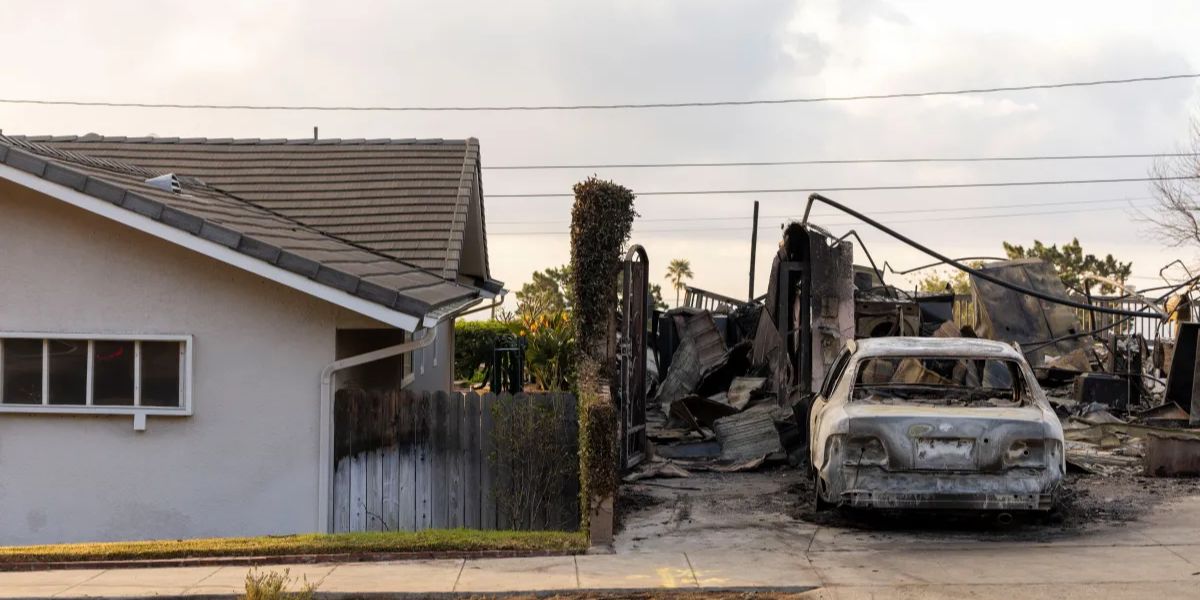
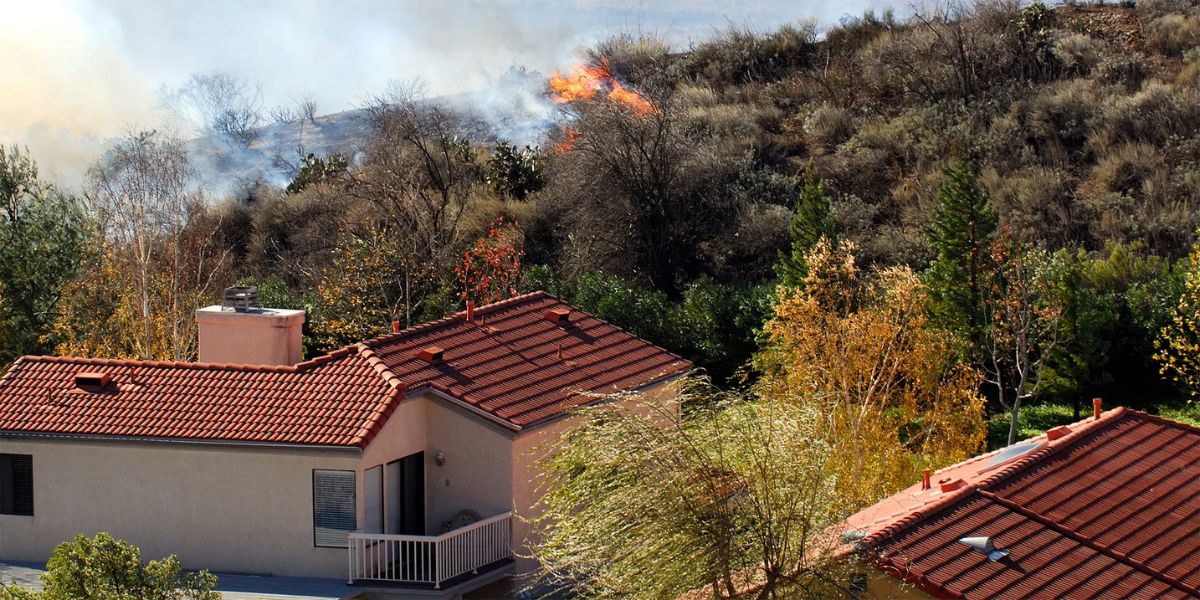
Los Angeles is no stranger to wildfires, and hillside areas are often the most vulnerable. These regions are characterized by steep terrain, dense vegetation, and often limited access points for evacuation. When wildfires occur, they can spread quickly due to high winds and dry conditions, making it difficult for residents to get out in time.
Table of Contents
In addition to the immediate fire risk, hillside areas are prone to post-fire hazards such as landslides and mudflows. The removal of vegetation during a fire can destabilize the soil, increasing the potential for debris flows, particularly during the rainy season.
Understanding the specific risks your area faces will help you take the right precautions and stay ahead of a potential emergency.
Create an Evacuation Plan for Your Family
One of the most important steps in preparing for a wildfire is to have an evacuation plan in place. This plan should outline multiple escape routes, as some roads may become impassable during a fire. Make sure everyone in your household knows these routes, and establish a meeting point outside your neighborhood in case of separation.
Here are a few key elements to include in your evacuation plan:
- Designated Meeting Points: Choose locations where your family can reunite if you’re separated.
- Emergency Contacts: Have a list of local and out-of-state contacts for updates.
- Pet Evacuation Plans: Ensure pets are included in your plan and have carriers ready for transport.
It’s also important to stay informed. Sign up for local emergency alerts and keep a battery-powered radio or emergency app handy for real-time updates.
Create Defensible Space Around Your Home
Defensible space refers to the area around your home that has been cleared of combustible materials to slow or stop the spread of wildfire. Creating defensible space is one of the most effective ways to protect your home and property.
The National Fire Protection Association (NFPA) recommends the following guidelines for defensible space:
- Zone 1 (0-30 feet): Clear all flammable vegetation, dry leaves, and brush. Trim trees to prevent fire from spreading to the canopy.
- Zone 2 (30-100 feet): Thin out trees and shrubs to create space. This reduces the fuel load and slows the progress of the fire.
- Zone 3 (100 feet and beyond): Keep grass mowed and leaves cleared. Consider using fire-resistant plants to further reduce risk.
This defensible space will give firefighters a better chance to protect your home while slowing the fire’s advance.
Fire-Resistant Landscaping and Building Materials
In addition to defensible space, choosing fire-resistant landscaping and building materials can significantly reduce the risk of fire damage. Opt for plants that are drought-resistant and have a lower sap or oil content, as these tend to burn less readily. Some examples of fire-resistant plants include:
- Lavender
- Yucca
- Aloe Vera
- Ice Plant
For building materials, consider using non-combustible materials such as stucco, stone, and metal for exterior walls, roofs, and decks. Additionally, use fire-resistant paints and sealants to further protect vulnerable areas of your home, such as eaves and vents.
Install Fire-Resistant Roofs and Gutters
Your roof is one of the most vulnerable parts of your home during a wildfire. Make sure your roof is made from fire-resistant materials such as metal or clay tiles. Avoid using wood shingles, as they can catch fire easily.
Another critical area is the gutters. Keep your gutters clean and free from leaves and other debris that can catch fire. Consider installing mesh gutter guards to prevent debris buildup, which could ignite in the event of a nearby fire.
Equip Your Home with Fire Safety Tools
Having the right tools in your home can make all the difference when it comes to wildfire survival. Equip your home with the following fire safety tools:
- Fire Extinguishers: Keep multiple fire extinguishers in key areas like the kitchen, garage, and near exits.
- Fire Hose: If you have a private water source, a fire hose can be a useful tool for combating small fires before they escalate.
- Emergency Lighting: Power outages are common during wildfires. Ensure you have flashlights and a battery-powered lantern on hand.
- Smoke Detectors: Regularly test smoke detectors and replace batteries as needed.
Stay Informed: Monitor Fire Conditions and Alerts
In a wildfire-prone area, staying informed is critical. Monitor local news reports and wildfire alerts from the Los Angeles Fire Department (LAFD) and other agencies. Use apps like “ReadyLA” or “FEMA” to receive emergency alerts on your phone.
If a wildfire is approaching, don’t wait for evacuation orders. Leave early to avoid getting trapped by smoke, flames, or road closures. If you are unsure about whether to evacuate, it’s always better to leave earlier rather than later.
Be Ready to Evacuate: Pack Your Emergency Kit
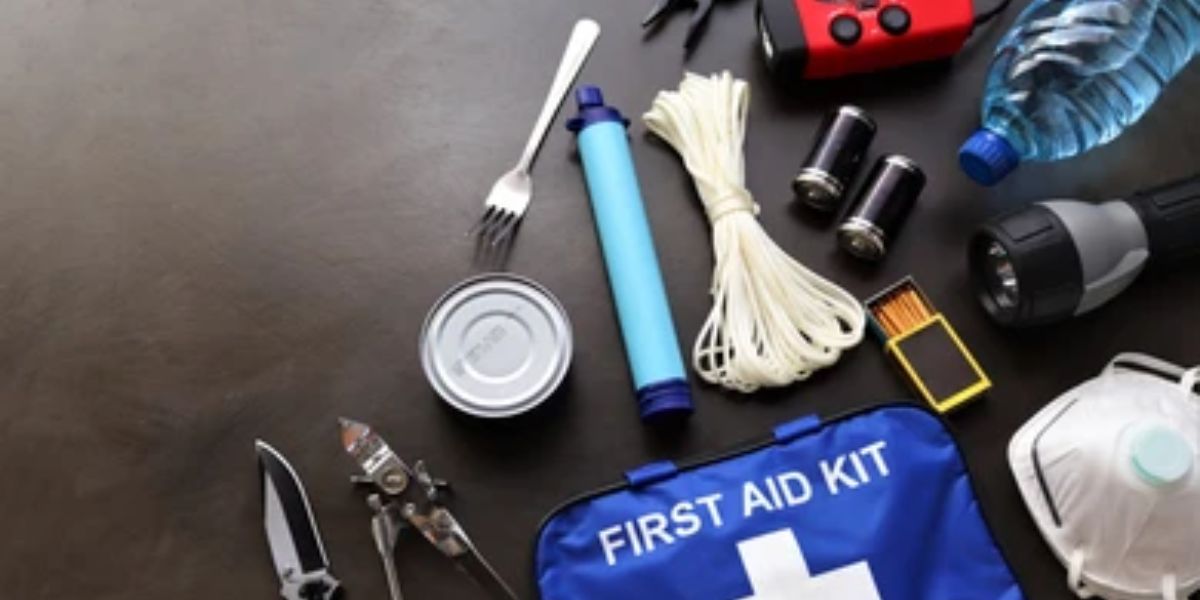
Packing an emergency kit can save precious time during an evacuation. Your kit should include the essentials for you and your family to survive for at least 72 hours. Here’s what to include:
- Water and non-perishable food
- Medications and medical supplies
- Copies of important documents (ID, insurance policies, etc.)
- Flashlight, batteries, and a first aid kit
- Clothing and personal hygiene items
- Pet supplies (food, leash, carriers)
Keep this kit in a central location where everyone knows where it is. Make sure to update the kit regularly, especially with expiration dates and seasonal changes.
Conclusion: Protect Your Family and Property in LA’s Hillside Communities
Living in LA’s hillside communities means living in an area with great beauty—and a significant wildfire risk. But with proper preparation, you can mitigate the dangers and ensure that your family and property remain safe. Start by creating a comprehensive evacuation plan, maintaining defensible space around your home, and keeping fire safety tools and emergency supplies ready.
Call to Action:
Prepare today to protect your home tomorrow. Visit BeReadyLA.org for more information on wildfire safety, neighborhood preparedness, and emergency planning. Your community’s safety starts with you!