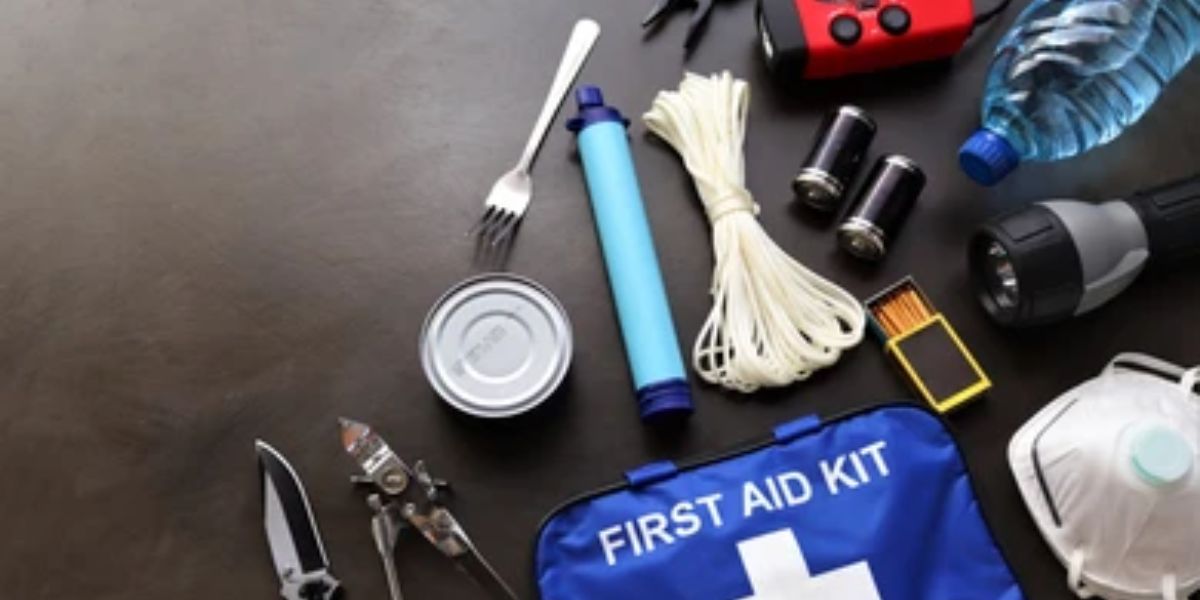
Building a community that is ready to handle emergencies is essential, especially in places like Los Angeles, where the risk of natural disasters such as wildfires, earthquakes, and floods is significant. One of the most effective ways to ensure that your neighborhood is prepared is by involving your neighbors in community preparedness programs. However, getting people engaged can be a challenge. Here are practical strategies to help you involve your neighbors in disaster preparedness efforts.
Start with Education and Awareness
The first step in getting neighbors involved is raising awareness about the importance of community preparedness. Many people may not fully understand the risks associated with natural disasters or the benefits of being prepared. Hosting educational events is a great way to start the conversation.
Table of Contents
Host Community Workshops and Seminars
Consider organizing neighborhood meetings, workshops, or webinars where experts discuss the various risks facing your area, such as earthquakes, wildfires, and floods. Invite local authorities or community resilience experts to speak about safety measures, evacuation plans, and emergency kits.
Create Informational Flyers or Newsletters
If your neighbors are unable to attend an event in person, create flyers or newsletters that explain the importance of preparedness. Include actionable steps for individuals to take to protect themselves and their families. Make sure the information is concise, easy to understand, and relevant to your specific community’s risks.
Identify Local Leaders and Champions
It’s crucial to identify people within your neighborhood who are respected and trusted by others. These individuals can act as leaders or champions for community preparedness initiatives.
Empower Community Leaders
These leaders could be block captains, active parents from local schools, or long-time residents who have experience with emergencies. Reach out to them, provide them with resources, and encourage them to advocate for preparedness within their circles. By enlisting the help of local influencers, you’ll make your message resonate more deeply with others.
Build a Core Team
Create a small team of dedicated volunteers who can help with organizing activities, sharing information, and spreading awareness. This team can serve as the foundation for larger community preparedness projects and will help maintain momentum as new events or emergencies arise.
Use Technology to Facilitate Engagement
In today’s digital age, technology can play a significant role in getting neighbors involved in community preparedness. Using communication platforms and social media can help spread the word quickly and keep the community engaged.
Create a Neighborhood Social Media Group
Set up a Facebook group, WhatsApp group, or Nextdoor community where neighbors can stay connected. Share important updates, emergency plans, and preparedness tips regularly. These platforms also allow neighbors to ask questions, share their own preparedness ideas, and discuss local risks in real-time.
Use Online Survey Tools
Use survey tools like Google Forms or SurveyMonkey to assess the community’s current preparedness level. This information can help you identify gaps in knowledge, missing resources, or areas where additional training is needed. Plus, it allows you to gather input directly from residents, making them feel more involved in the process.
Make Preparedness Fun and Accessible
Sometimes, getting people to take action requires making preparedness more engaging and accessible. Consider organizing fun and interactive events that encourage people to participate while also learning important skills.
Hold a Community Disaster Drill
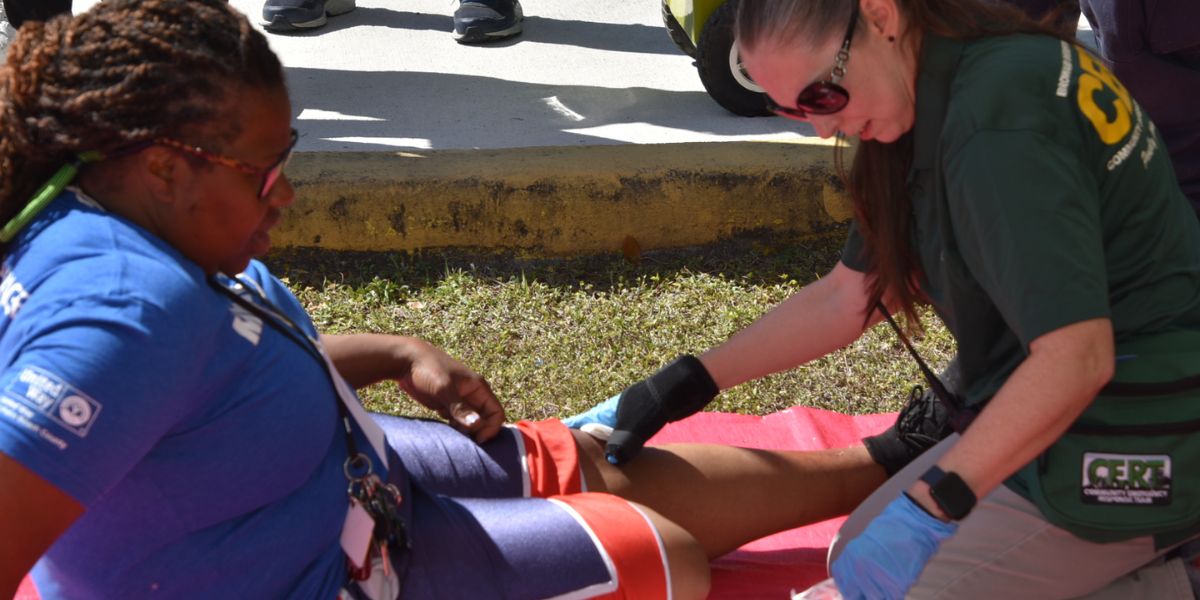
Organize a community-wide emergency drill that simulates a disaster scenario, such as a wildfire evacuation or an earthquake response. This event can help neighbors practice their emergency plans and get familiar with the local evacuation routes. Not only does this offer valuable hands-on experience, but it also builds confidence in the community’s ability to respond in an actual emergency.
Launch a Preparedness Challenge
You can also encourage neighbors to get involved by launching a preparedness challenge. For example, challenge families to put together a 72-hour emergency kit, create a family emergency plan, or complete a home safety audit. Offer small rewards or public recognition to participants who complete the challenge. This creates a sense of accomplishment while making the process of preparing for emergencies more enjoyable.
Foster a Culture of Mutual Support
Community preparedness programs should emphasize the importance of helping one another. When neighbors work together, they build strong relationships that can be vital during a disaster.
Build a Volunteer Network
Establish a neighborhood volunteer network that can be activated during emergencies. This could include people willing to check on vulnerable residents, assist with evacuations, or help with first aid. Having a dedicated team of volunteers not only increases preparedness but also fosters a sense of camaraderie among neighbors.
Host Social Events to Strengthen Bonds
A strong community is one that already knows and trusts each other. Consider organizing social events like block parties, potlucks, or informal meet-ups to help neighbors get to know one another. When people have a personal connection, they are more likely to be engaged in joint efforts like disaster preparedness programs.
Offer Incentives and Recognize Participation
Finally, offering incentives and recognizing participation can help maintain enthusiasm and encourage ongoing involvement in community preparedness efforts.
Provide Recognition for Active Participants
Make sure to publicly recognize individuals and groups who are actively involved in your community preparedness initiatives. This could be through shout-outs in newsletters, social media posts, or during neighborhood events. Recognition can go a long way in showing appreciation and motivating others to take action.
Offer Preparedness Resources
Consider providing practical resources, like free emergency kits, fire extinguishers, or first aid supplies, for people who complete certain preparedness tasks. This can act as an additional incentive to motivate your neighbors to take part in the programs you’re organizing.
Getting your neighbors involved in community preparedness programs is a critical step toward creating a safer, more resilient neighborhood in Los Angeles. Start small, but aim high—by educating, empowering, and connecting with your community, you can build an emergency-ready environment that will benefit everyone.
If you’re ready to take action, begin by organizing a small community meeting, reaching out to local leaders, or starting an online group for preparedness discussions. Together, we can create a safer future for Los Angeles.
Reach out to us at bereadyla.org to find more resources, sign up for workshops, and start building your community’s preparedness plan today!