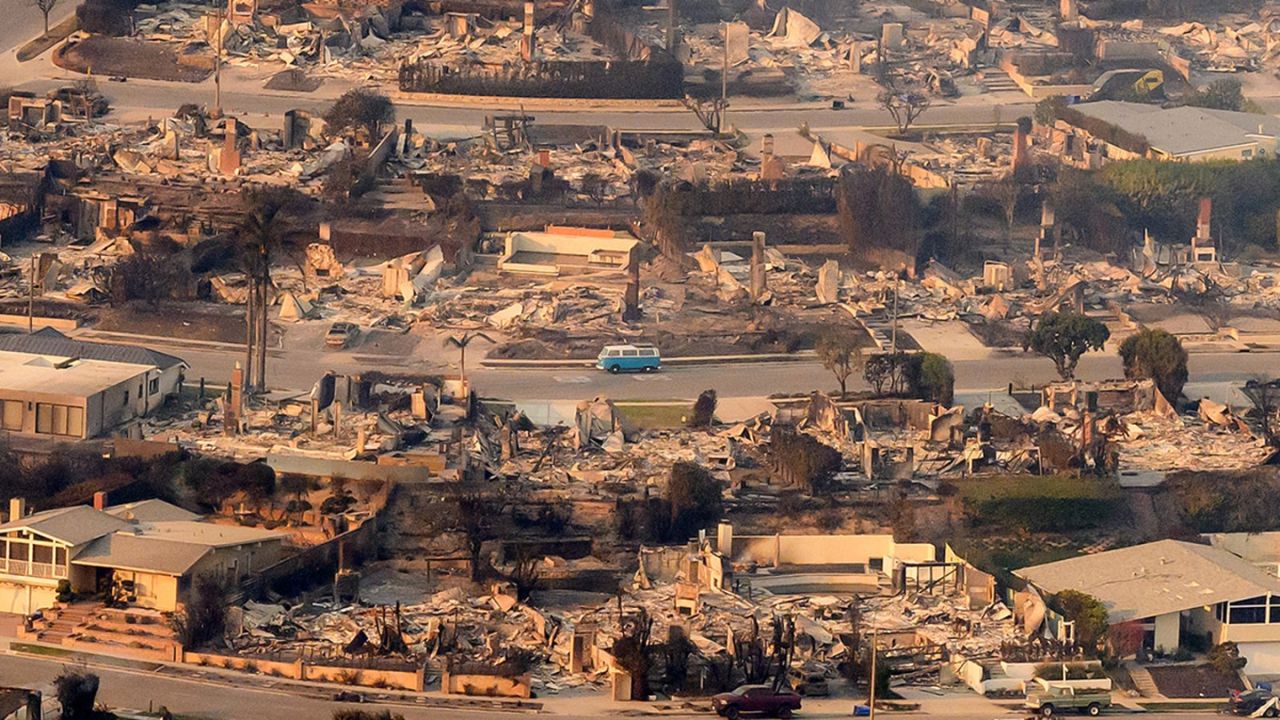
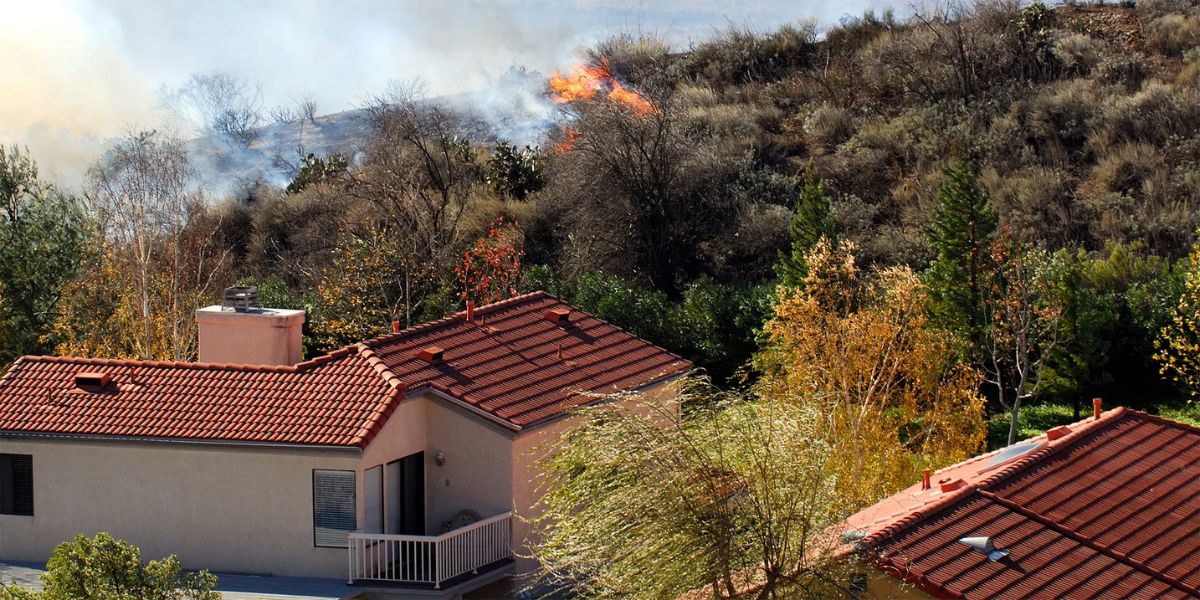
Los Angeles is no stranger to wildfires, with many neighborhoods located in high-risk areas due to the dry conditions, urban sprawl, and mountainous terrain. For homeowners in areas like the hills, foothills, and suburban regions, creating defensible space around their homes is crucial in protecting both their property and loved ones from the devastation of wildfires.
What is Defensible Space?
Defensible space refers to the area around a home that is managed and cleared of vegetation and debris to create a buffer between the home and surrounding wildlands. The purpose of defensible space is to slow the spread of a wildfire, making it easier for firefighters to protect structures and giving homeowners a better chance to escape safely.
Table of Contents
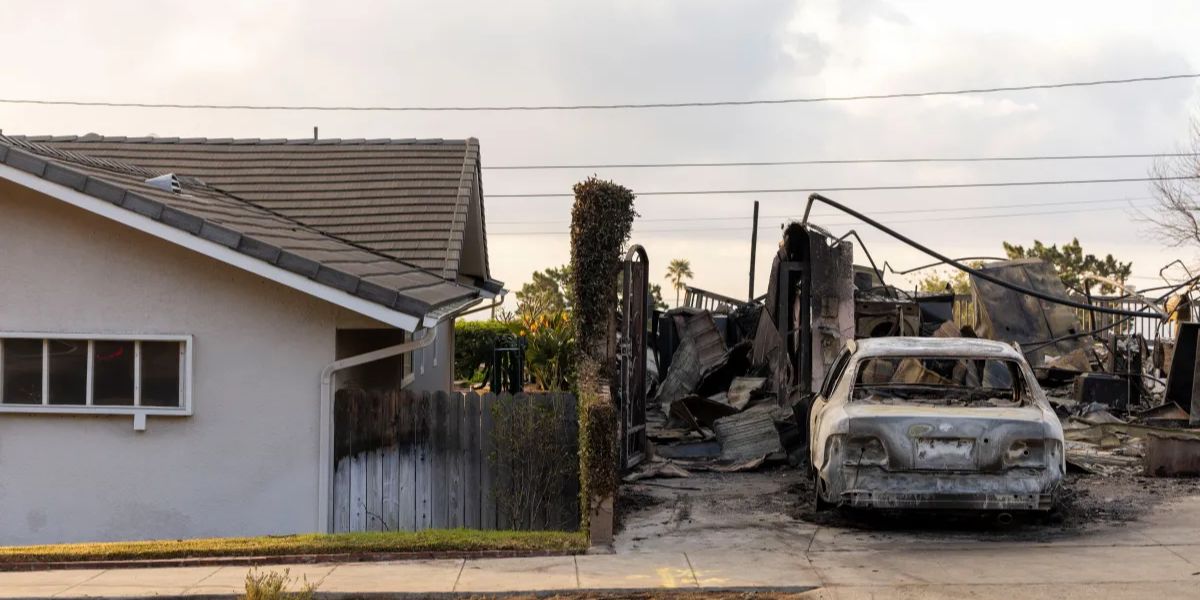
In Los Angeles, defensible space is more than just a good practice—it’s a necessity. With the ongoing threats posed by seasonal fires, creating defensible space can be the difference between a home surviving a wildfire or being completely destroyed.
Why is Defensible Space So Important in Los Angeles?
1. Fire Prevention
One of the primary reasons defensible space is critical is its ability to reduce the risk of fires starting in the first place. By clearing away dry, flammable vegetation and other combustibles around your home, you create a barrier that can prevent a wildfire from spreading directly to your home.
In areas with dense vegetation like the hills and canyons, clearing brush and trees, especially those that are dead or dying, helps mitigate the possibility of embers igniting your property. The defensible space around your home serves as a firebreak, limiting the amount of fuel available to a wildfire.
2. Protecting Your Property
Wildfires in Los Angeles can move quickly, leaving little time for evacuation. By creating defensible space, you’re essentially buying yourself more time. A well-maintained defensible space allows firefighters to defend your home more effectively, giving them the best opportunity to prevent your property from catching fire.
The amount of defensible space needed varies based on the topography of the land, proximity to other homes, and vegetation density. Typically, a defensible space should extend at least 30 feet from the home in low to moderate-risk areas, but in high-risk zones, the space may need to extend up to 100 feet or more. This buffer zone allows firefighters to do their job without being surrounded by an overwhelming amount of fuel.
3. Safety for Your Family
In the event of a wildfire, defensible space can help ensure that there are clear evacuation routes for you and your family. This zone provides an area where emergency responders can work to safely evacuate individuals without the added challenge of maneuvering around thick brush, trees, or debris. It also reduces the chance of fire getting trapped around your home, preventing the dangerous scenario where families are forced to leave through narrow, overgrown paths.
A defensible space isn’t just for fire protection; it is about creating an environment that allows people to stay safe during an emergency. With defensible space, families are less likely to be caught off-guard and can focus on evacuating quickly if necessary.
Key Steps to Create Defensible Space Around Your Home
1. Clear Flammable Vegetation
The first step in creating defensible space is to clear any dry, dead, or dying plants, shrubs, and trees. Remove overgrown vegetation and trim back any trees that might touch your home. Overhanging branches can easily catch fire and spread flames to the roof or windows. Create a defensible zone by cutting back branches at least 10 feet from your roof.
2. Maintain a Fire-Resistant Landscape
After clearing the brush, consider planting fire-resistant vegetation. These plants, which are naturally less likely to catch fire, can help further reduce the spread of flames. Ground cover like succulents, native grasses, and drought-tolerant shrubs are excellent choices for creating a fire-resistant landscape that still provides beauty and curb appeal.
3. Create Vertical and Horizontal Spacing
Ensure that trees and shrubs are spaced appropriately to prevent a fire from traveling easily from one plant to another. It’s recommended to space tree crowns (the uppermost branches) at least 10 feet apart. In addition, keep shrubs and trees away from windows and walls to reduce the risk of fire spreading onto your home.
4. Use Non-Combustible Materials for Hardscaping
When building or maintaining your landscape, use non-combustible materials such as gravel, stone, or cement for pathways and driveways. These materials can slow the spread of fire and prevent embers from traveling easily across your yard.
5. Maintain Your Defensible Space
Defensible space is not a one-time task. It requires regular maintenance, especially in areas with frequent dry seasons. Periodically check for overgrown vegetation, dead trees, or anything that could pose a fire risk. Keep gutters clean of leaves and pine needles, which can catch fire easily. Fire officials recommend maintaining defensible space year-round to ensure it remains effective.
How Los Angeles Homeowners Can Get Help
In Los Angeles, homeowners are not alone in their efforts to protect their properties. Many local fire departments, such as the Los Angeles Fire Department (LAFD), offer guidance and resources to help residents maintain defensible space. Local organizations often host workshops and seminars on wildfire prevention and offer assistance with creating defensible space.
Additionally, LA County provides free or subsidized services for homeowners in high-risk areas, including defensible space assessments and even funding for vegetation removal. These resources can significantly ease the financial burden of making your home fire-safe.
Wildfires are unpredictable, and their destruction can be devastating. Creating defensible space around your home is a proactive and essential step in ensuring the safety of your property and loved ones. If you haven’t already taken action, now is the time to start.
By clearing flammable vegetation, maintaining a fire-resistant landscape, and keeping your home’s surroundings clear of fuel, you can increase your chances of surviving a wildfire. Don’t wait until it’s too late—protect your home today by creating a defensible space that will stand between your property and the next wildfire. Reach out to local resources or fire experts to learn how you can improve the safety of your home and community.