Living in Los Angeles means being prepared for the possibility of an earthquake. The region sits along the San Andreas Fault, making it prone to seismic activity. Having an earthquake-ready emergency kit is one of the most important steps you can take to ensure your safety and well-being during and after a quake. Here’s how you can create an earthquake-ready emergency kit tailored to the needs of Los Angeles residents.
Understand the Essentials of an Earthquake Emergency Kit
An earthquake emergency kit should be designed to sustain you and your family for at least 72 hours. After a major earthquake, roads may be damaged, power may be out, and essential services could be delayed. Having the right supplies on hand will help you manage these challenges.
Table of Contents
Key Items Every Earthquake Kit Needs
- Water Supply
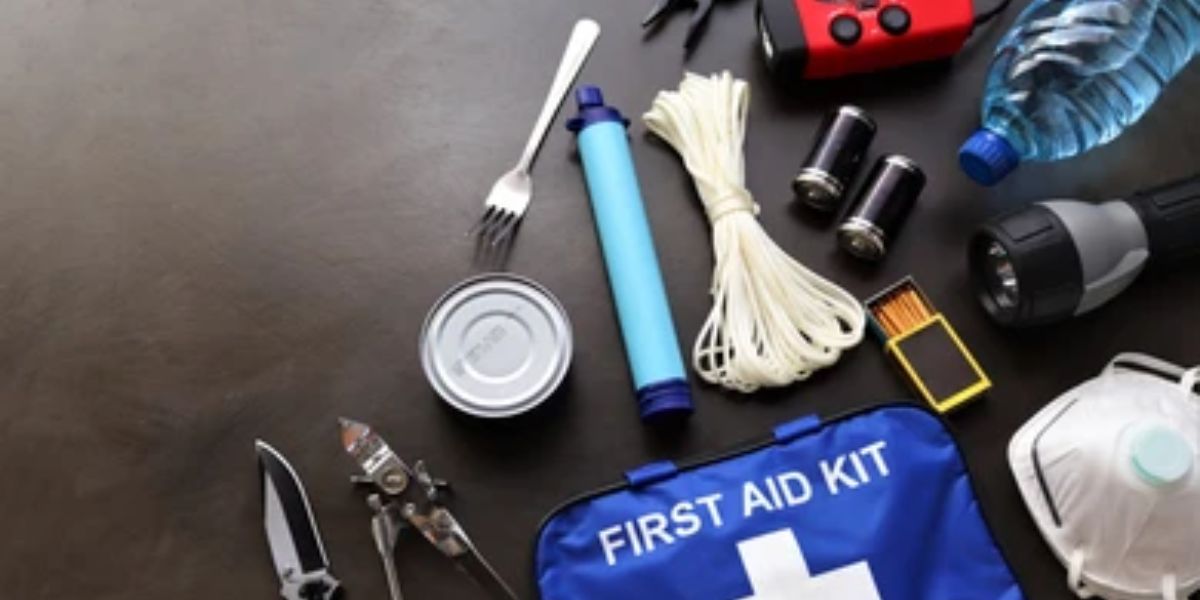
In the event of an earthquake, access to clean water may be limited. It’s recommended that each person in your household has one gallon of water per day for at least three days. Be sure to store water in sturdy, sealed containers that won’t leak. - Non-Perishable Food
Stock up on non-perishable food items such as canned goods, energy bars, and dried fruit. Choose items that are easy to prepare and require minimal cooking. Don’t forget a manual can opener in case you need to open cans without electricity. - First-Aid Kit
A well-stocked first-aid kit is crucial for addressing minor injuries. It should include bandages, antiseptics, pain relievers, scissors, tweezers, and any prescription medications you or your family may need. Remember to check expiration dates regularly. - Flashlights and Batteries
Power outages are common during and after earthquakes. Have at least one flashlight per family member, along with extra batteries. Consider getting a hand-crank flashlight that doesn’t require batteries, ensuring you have light in case you run out. - Portable Phone Charger
A portable charger will help keep your phone charged when the power goes out. Make sure it’s fully charged and stored in an easy-to-access spot in your kit. - Whistle
A whistle is a simple yet effective tool to signal for help if you’re trapped or need to attract attention. Choose a loud, durable whistle that won’t lose its effectiveness over time. - Dust Masks
Earthquakes can lead to building collapses and debris, which may make the air in your area hazardous. A dust mask will help protect your respiratory system from dust and smoke. N95 masks are ideal for this purpose. - Clothing and Footwear
Keep extra clothes in your kit, including a change of socks, underwear, and sturdy shoes. Earthquakes can leave broken glass and debris on the ground, so durable shoes are essential. - Tools and Supplies
Items such as a multi-tool, wrench, or pliers can help you shut off utilities like gas or water if needed. Having a basic toolset in your kit can be useful for quick repairs or adjustments after the quake. - Important Documents
Store copies of important documents, such as IDs, insurance papers, and medical records, in a waterproof, fireproof container. These documents will be invaluable if you need to prove your identity or access emergency services.
Customize Your Earthquake Kit for LA
Los Angeles residents face specific challenges when preparing for an earthquake. In addition to the basic kit mentioned above, you should consider adding items that reflect the unique conditions of your environment.
- Wildfire Preparedness
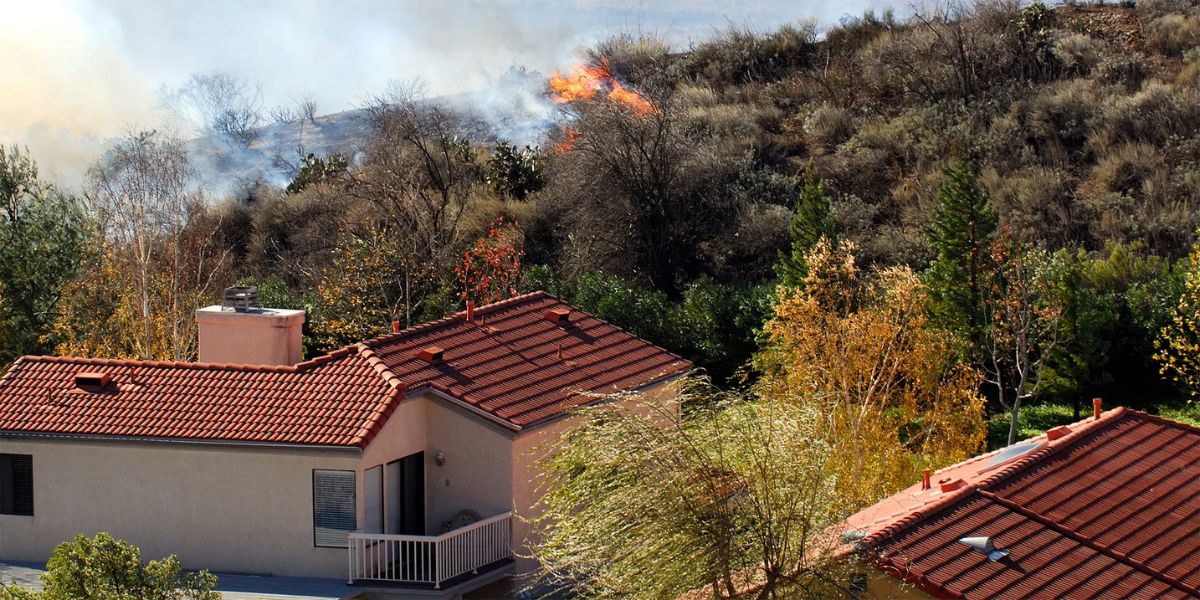
LA is prone to wildfires, so it’s important to add wildfire-specific items to your kit, such as fire-resistant blankets and masks for smoke inhalation. Also, keep an eye on local fire season warnings and adjust your kit accordingly. - Neighborhood Communication Tools
LA is a densely populated urban area, so communication with neighbors may be essential in the aftermath of an earthquake. Consider adding a two-way radio or walkie-talkies to your kit, especially if cell service is disrupted. - Transportation Tools
LA’s heavy traffic can be exacerbated by an earthquake, so it’s wise to include a car emergency kit. Keep essentials like a map of your area, a first-aid kit, extra water, and snacks in your car, as well as a portable phone charger to stay connected. - Pet Supplies
If you have pets, make sure to include pet food, water, leashes, and any medications your pets might need in your emergency kit. LA residents with pets should also prepare an evacuation plan that includes their animals.
How to Store Your Emergency Kit
Once you’ve assembled your earthquake emergency kit, it’s important to store it in a location that’s easily accessible. Keep the kit in a sturdy, waterproof container and place it in a central location where all family members can quickly retrieve it. Avoid storing the kit in a basement or attic where it could be damaged by floods or other natural disasters.
Review and Update Your Kit Regularly
Building an earthquake-ready emergency kit is just the first step. It’s important to review and update the kit every six months to ensure that all items are in good condition and that your kit still meets the needs of your family. Replace expired food and medications, check batteries, and adjust the contents based on any changes in your family’s circumstances.
Conclusion: Be Ready for the Unexpected
Earthquakes can happen without warning, but with the right preparation, you can ensure that your family is ready to face any challenges. By creating an earthquake-ready emergency kit and customizing it to meet the unique needs of Los Angeles residents, you’ll be better prepared to handle any situation that arises.
Don’t wait for disaster to strike. Start building your earthquake emergency kit today, and make sure your family is prepared for the unexpected. Visit Be Ready LA for more tips on creating a community-driven emergency plan, and share this guide with your neighbors to help them get prepared too.