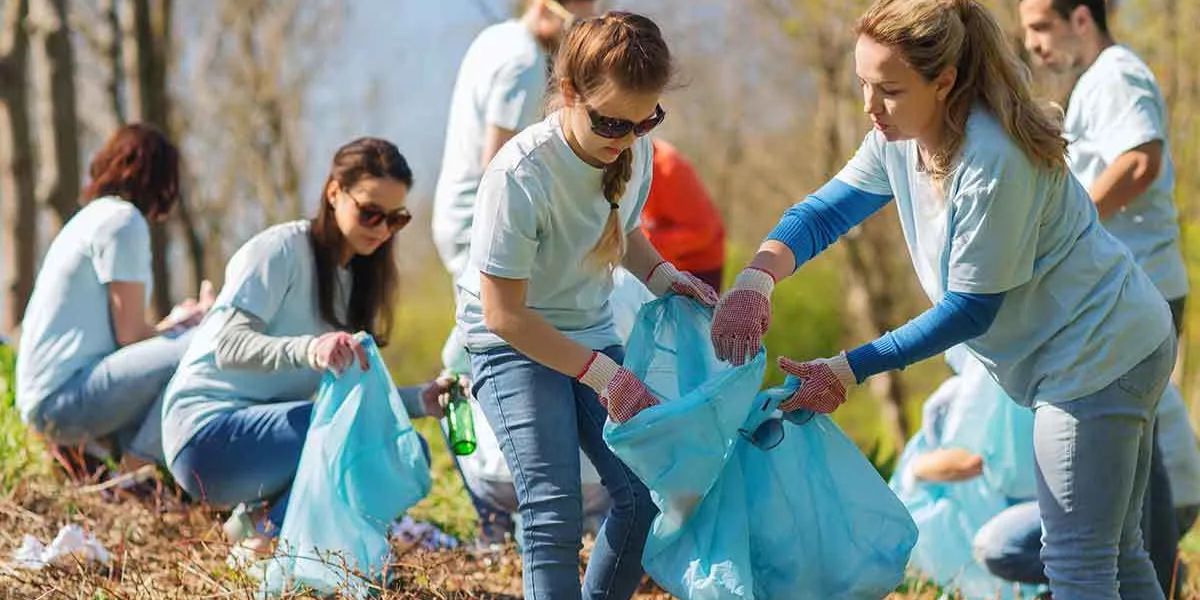
Los Angeles, CA – In a city as vast and diverse as Los Angeles, preparing for emergencies requires more than individual readiness. From wildfires and earthquakes to heatwaves and power outages, community resilience depends on people coming together. Setting up community volunteer programs is one of the most effective ways to build local strength and ensure neighborhoods are ready when disaster strikes.
Why Community Volunteer Programs Matter in Los Angeles
Los Angeles faces unique challenges due to its size, geography, and population diversity. Emergencies can quickly overwhelm official agencies, making local volunteers a crucial resource. Programs like these:
Table of Contents
- Provide immediate, on-the-ground support before first responders arrive.
- Strengthen trust and cooperation within neighborhoods.
- Ensure vulnerable populations, such as seniors or non-English speakers, are not left behind.
- Reduce recovery time after a disaster by mobilizing community-led aid.
Identifying the Needs of Your Community
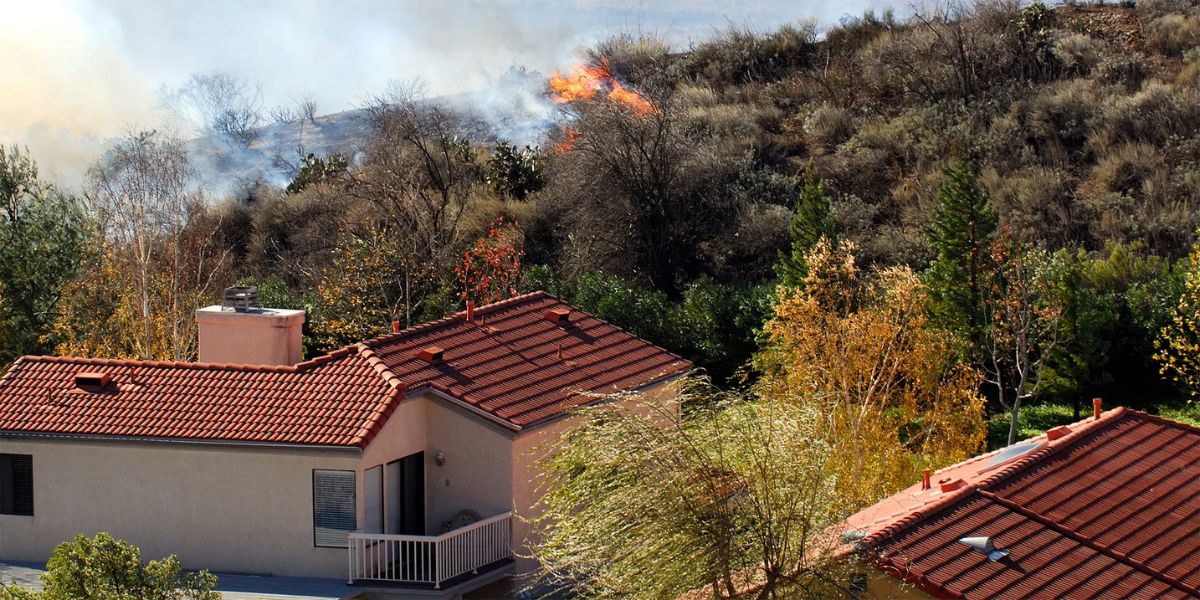
Before creating a program, it’s important to identify the specific risks and needs of your neighborhood. A hillside community in Griffith Park may need a wildfire response plan, while a downtown neighborhood may focus on earthquake readiness. To get started:
- Survey residents about their concerns and vulnerabilities.
- Consult local hazard maps provided by the City of Los Angeles Emergency Management Department.
- Evaluate resources already available in your neighborhood, such as schools, churches, and community centers.
Building a Core Leadership Team
Every successful volunteer program starts with a reliable leadership team. This group will handle coordination, communication, and training. Ideally, your team should include:
- A program coordinator to oversee operations.
- A communications lead to manage outreach, alerts, and social media.
- A logistics manager to handle supplies, meeting spaces, and training materials.
- Liaisons with local government and emergency agencies.
Recruiting people with diverse skills—medical training, bilingual ability, or local knowledge—will make your team stronger.
Recruiting and Training Volunteers
Once you have your leadership team, it’s time to recruit volunteers. Start by reaching out through:
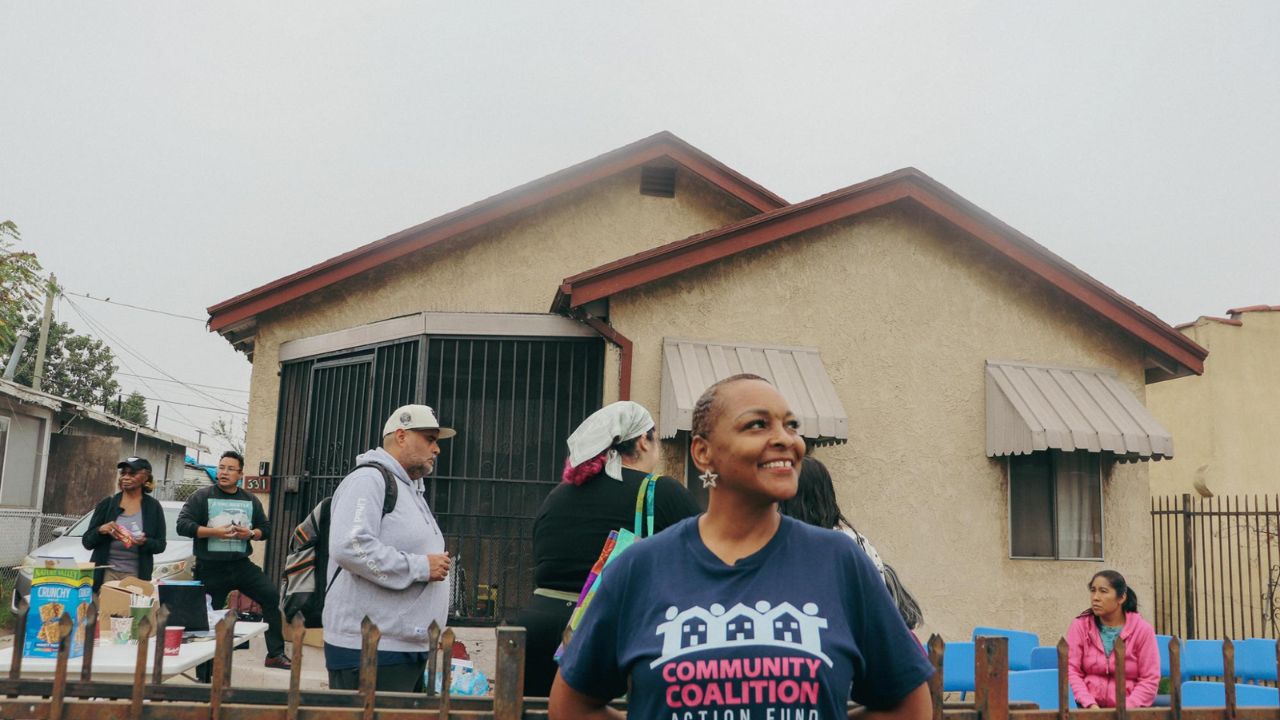
- Neighborhood councils and community associations.
- Local schools and universities with student volunteer programs.
- Faith-based organizations, which often have strong networks.
- Social media platforms and apps like Nextdoor that connect neighbors.
Training should focus on practical skills. Consider including:
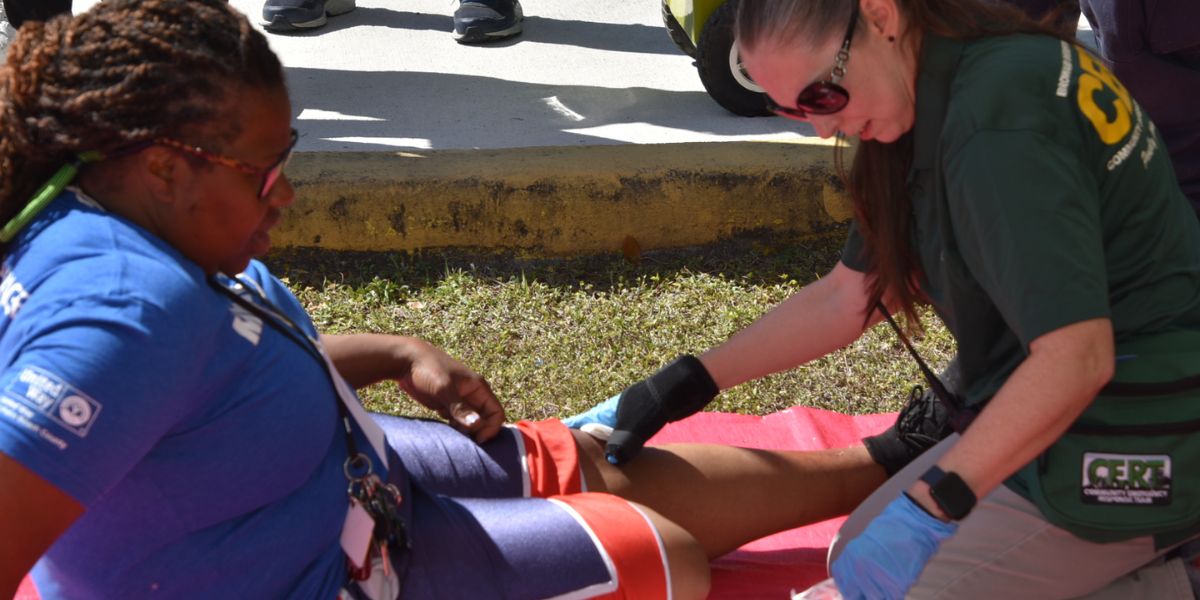
- First aid and CPR certification.
- Basic fire suppression techniques.
- Search and rescue methods.
- Communication protocols, including the use of radios when phone service fails.
Partnering with the Los Angeles Fire Department’s CERT (Community Emergency Response Team) program is a powerful way to give volunteers structured, hands-on training.
Creating an Action Plan for Emergencies
An effective volunteer program must have a clear action plan. This should outline:
- Roles and responsibilities of volunteers during emergencies.
- Meeting points and staging areas for different disaster scenarios.
- Communication methods, including emergency contact trees or walkie-talkies.
- Resource management, such as how to distribute food, water, and first aid supplies.
Regular drills should be held to practice this plan. Even a simple earthquake drill in a local park helps volunteers feel more confident when real events occur.
Ensuring Sustainability of the Program
Volunteer programs often lose momentum without long-term planning. To keep your program alive:
- Host monthly or quarterly meetings to stay connected.
- Celebrate milestones, like training achievements or successful drills.
- Secure funding through grants, local businesses, or city partnerships.
- Offer recognition with certificates or community awards for dedicated volunteers.
By fostering a sense of pride and belonging, you’ll encourage continued involvement.
Partnering with Local Agencies and Organizations
Strong community programs don’t operate in isolation. Collaborating with existing organizations ensures resources are used efficiently. In Los Angeles, you can partner with:
- Los Angeles Emergency Management Department (EMD) for official guidance.
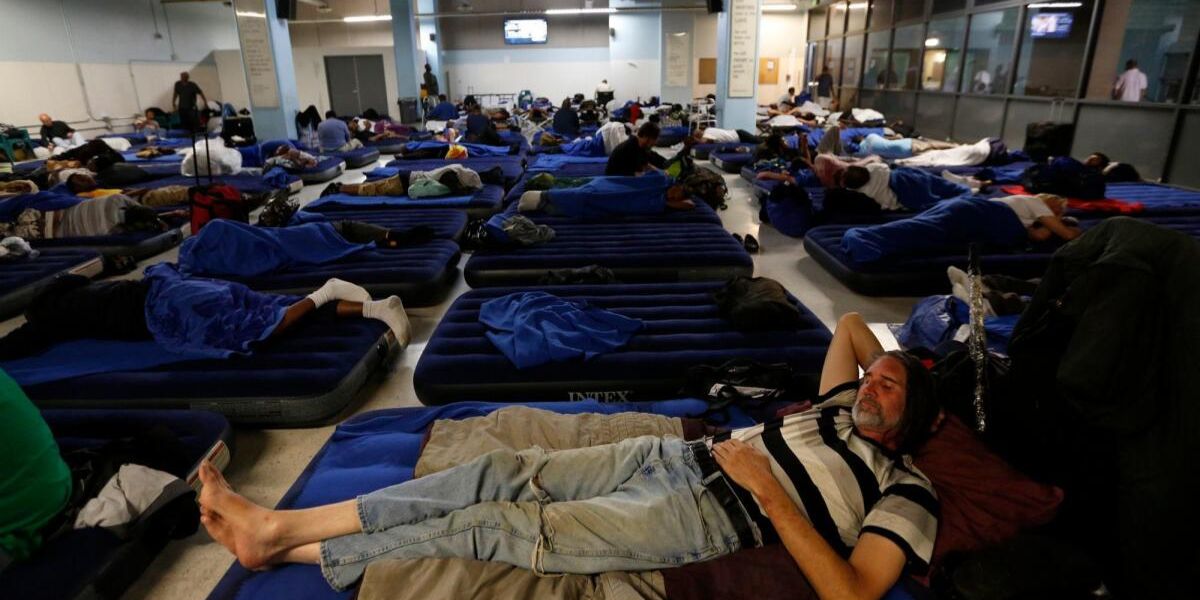
- American Red Cross Los Angeles Region for shelter and relief support.
- Neighborhood Councils for outreach and local advocacy.
- Local schools and libraries as potential emergency hubs.
These partnerships not only add credibility but also expand your program’s capacity.
Building a Culture of Preparedness
Ultimately, setting up a volunteer program isn’t just about logistics—it’s about creating a culture of preparedness. In Los Angeles, where natural disasters are inevitable, every household should see themselves as part of the solution. Community-led programs remind residents that they’re not alone; resilience comes from working together.
Final Thoughts
Los Angeles thrives on its diverse, vibrant communities. By organizing volunteer programs for emergencies, residents can turn that diversity into strength. Whether it’s offering first aid, organizing evacuation routes, or simply checking on neighbors, small actions add up to major impact.
What do you think Los Angeles neighborhoods need most for emergency readiness? Share your thoughts in the comments below and explore more resources at BeReadyLA.org.