Los Angeles, CA – When disaster strikes in Los Angeles—whether it’s an earthquake, wildfire, or flood—many residents focus on survival essentials like food, water, and shelter. But there’s one often-overlooked necessity that can make recovery smoother and less stressful: keeping your important documents safe. Birth certificates, property deeds, medical records, and insurance papers can be nearly impossible to replace if lost. In a city as disaster-prone as LA, safeguarding these papers is a key part of any preparedness plan.
Understand Which Documents Are Essential
Not every piece of paper in your home needs protection, but a few are absolutely vital. Begin by identifying which items you can’t afford to lose. Experts recommend dividing documents into three categories:
Table of Contents
- Identity documents – Passports, birth certificates, driver’s licenses, and Social Security cards.
- Financial documents – Bank records, tax returns, property deeds, vehicle titles, and insurance policies.
- Medical and legal documents – Prescriptions, medical histories, power of attorney, wills, and family legal papers.
Create a simple checklist of these documents and review it annually. If your household changes—like moving homes, adding dependents, or opening new accounts—update your list to reflect those changes.
Use Fireproof and Waterproof Storage at Home
Los Angeles faces a mix of disasters: earthquakes, fires, and flash floods. To protect your records, invest in a fireproof and waterproof safe. Choose one that can withstand temperatures up to 1,700°F for at least one hour and remains sealed against water intrusion.
Keep the safe in a low-traffic, ground-level area—preferably close to an exit in case you need to evacuate quickly. Avoid placing it in the attic or basement, where it could be harder to reach during an emergency.
For extra safety, store the most critical documents—like birth certificates or passports—in a smaller portable lockbox inside the main safe. This allows you to grab it quickly if evacuation becomes necessary.
Digitize Everything You Can
In today’s world, the best backup plan is digital. Scan or photograph each important document and save copies in multiple secure places:
- Cloud storage: Use encrypted platforms like Google Drive, Dropbox, or iCloud.
- External hard drives: Keep a password-protected USB or external drive stored separately from your main documents.
- Email backups: Send encrypted copies to a trusted personal email account for easy retrieval.
Be sure to label files clearly and include dates, so you know which versions are current. Remember—digital backups don’t replace the need for originals, but they do make it far easier to prove ownership, identity, or insurance coverage during recovery.
Consider Offsite or Bank Vault Storage
If you live in a wildfire-prone area of Los Angeles—such as near the foothills or canyon zones—it may be safer to keep your most irreplaceable papers in a bank safe deposit box. These boxes are climate-controlled, secure, and usually fire-resistant.
Alternatively, some LA residents use secure document storage services, which specialize in protecting personal and legal files. This option can be especially useful for professionals like attorneys, medical providers, or small business owners who must store client records securely.
Keep Copies in Your Emergency Go-Bag
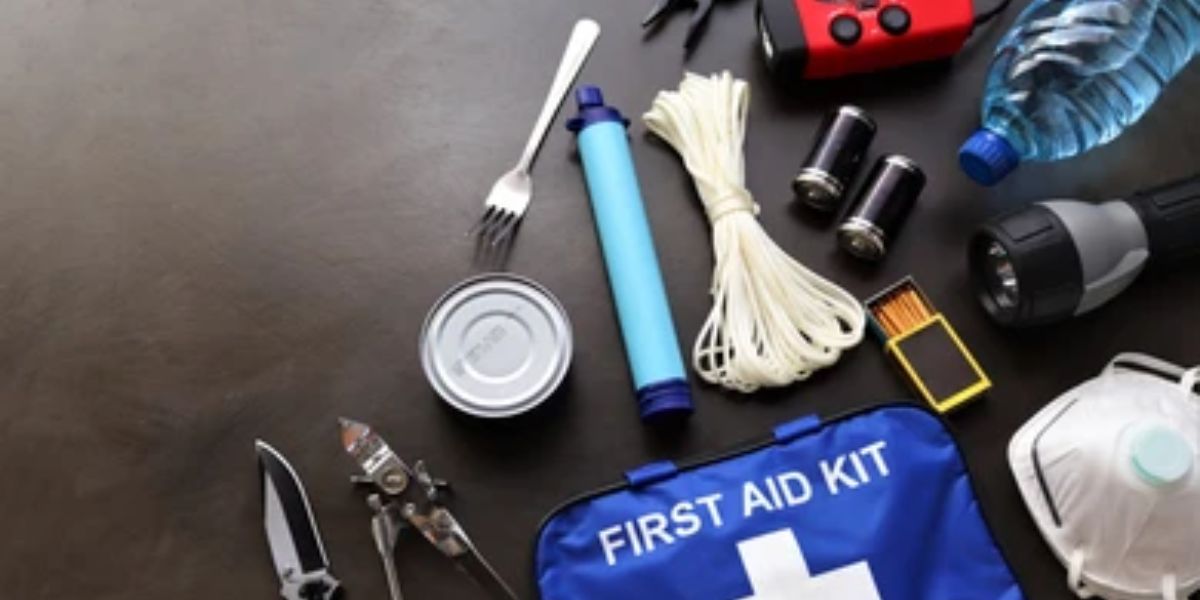
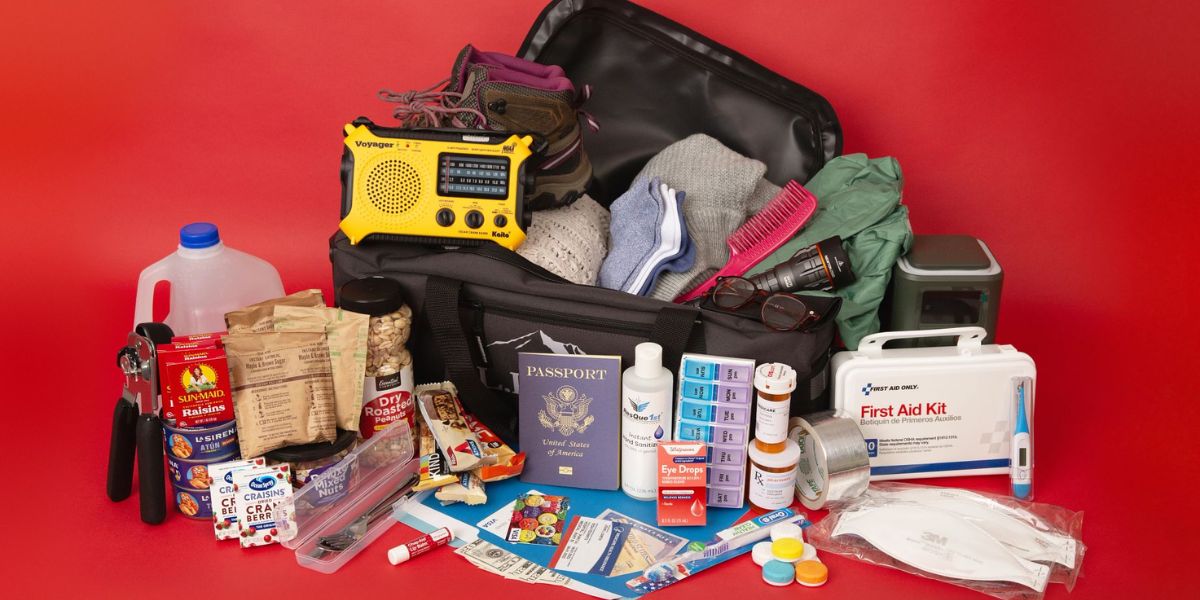
Your emergency kit should include copies—digital or printed—of essential documents. Place them in a waterproof plastic pouch or sealed document sleeve. These should include:
- Personal IDs and emergency contacts
- Copies of medical prescriptions
- Property insurance details
- A recent utility bill (to prove residence)
If you have children or elderly family members, include copies of their medical or legal documents as well. It’s also smart to carry a USB drive containing digital backups of all documents.
Protect Your Privacy and Prevent Identity Theft
In disaster recovery periods, identity theft often spikes. Thieves take advantage of lost or discarded papers. To prevent this:
- Shred old or outdated documents rather than throwing them away.
- Avoid leaving personal records in your car or unsecured bags during evacuation.
- Use strong passwords and two-factor authentication for all cloud storage accounts.
If you believe sensitive documents are lost or stolen, report it immediately to relevant authorities—like your bank or credit agencies—to minimize potential fraud.
Make Document Protection a Family Habit
Emergency preparedness isn’t a one-time task—it’s an ongoing process. Schedule a “document safety check” once a year, ideally at the start of LA’s wildfire or earthquake season. Involve your entire household so everyone knows where the records are stored and how to access them.
You can even assign one family member to maintain digital backups while another checks expiration dates and updates insurance papers. Shared responsibility ensures no critical information is overlooked.
Why This Matters in Los Angeles
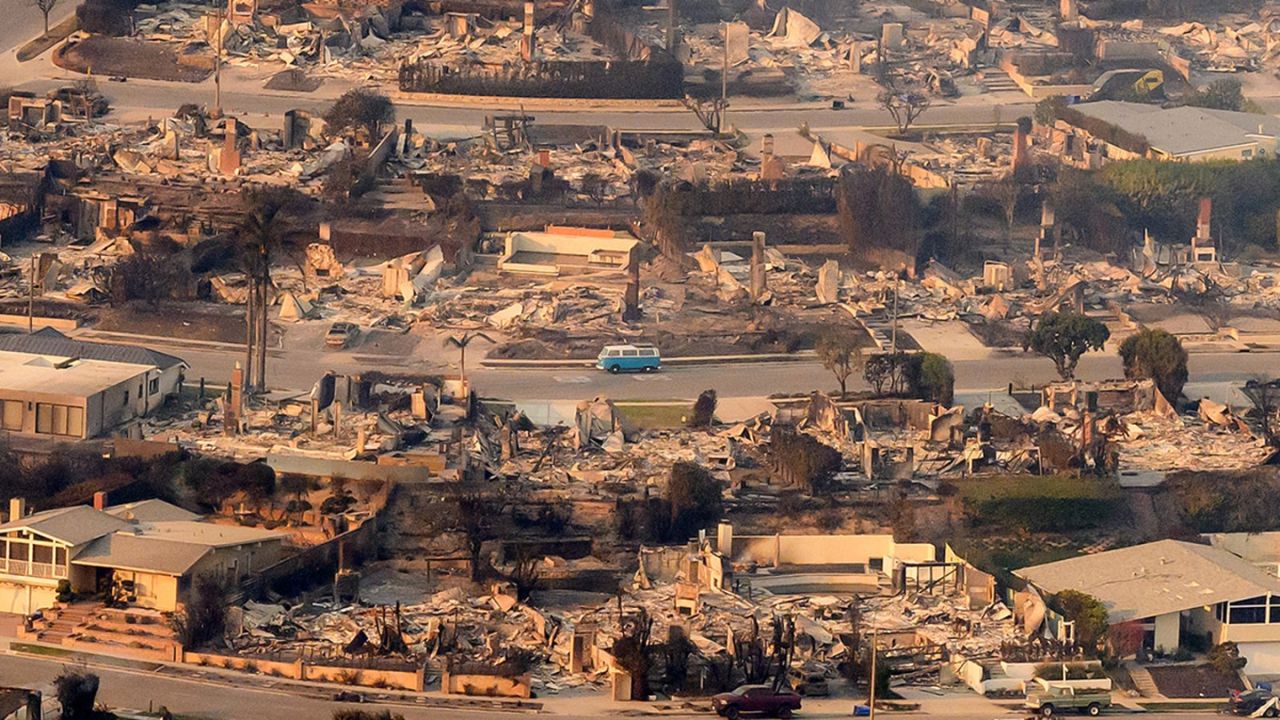
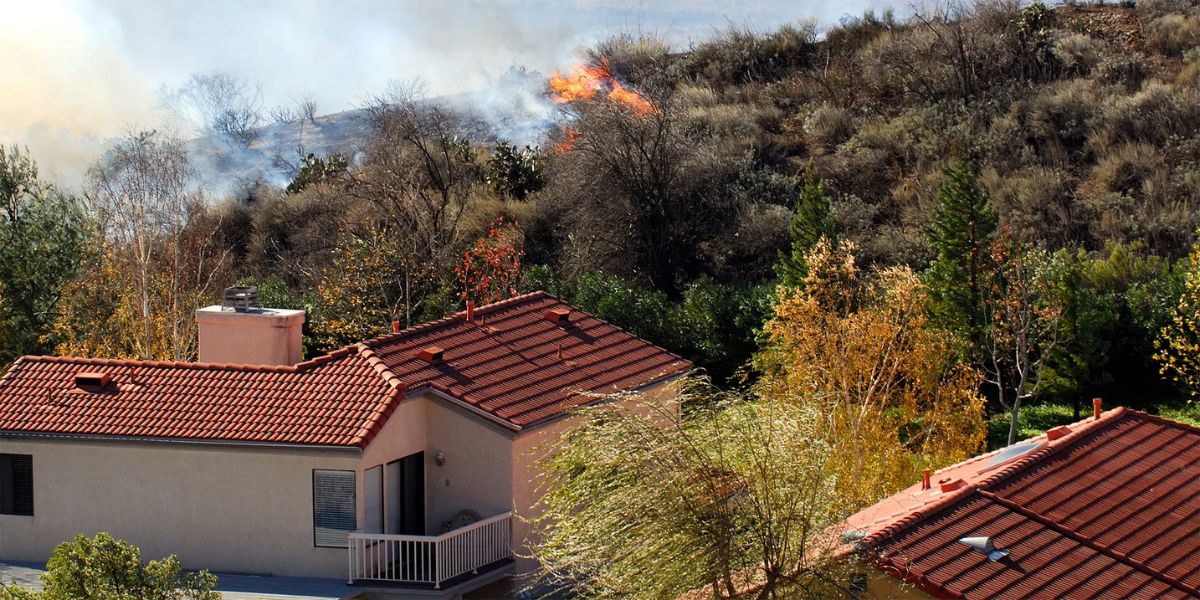
Los Angeles sits at the crossroads of multiple natural hazards. Wildfires can spread within hours, earthquakes can strike without warning, and flooding can follow heavy rain. Recovering from any of these events is hard enough—but losing proof of ownership or identity makes it even harder. By proactively protecting your documents, you’re securing your ability to rebuild, apply for aid, and get life back to normal faster.
Takeaway
Protecting your important documents isn’t just about organization—it’s about resilience. In a disaster-prone city like Los Angeles, having your paperwork secured, digitized, and easy to access could save weeks of frustration and financial loss.
Have you prepared your document safety plan yet? Share how your household keeps records safe or explore more preparedness tips at bereadyla.org.