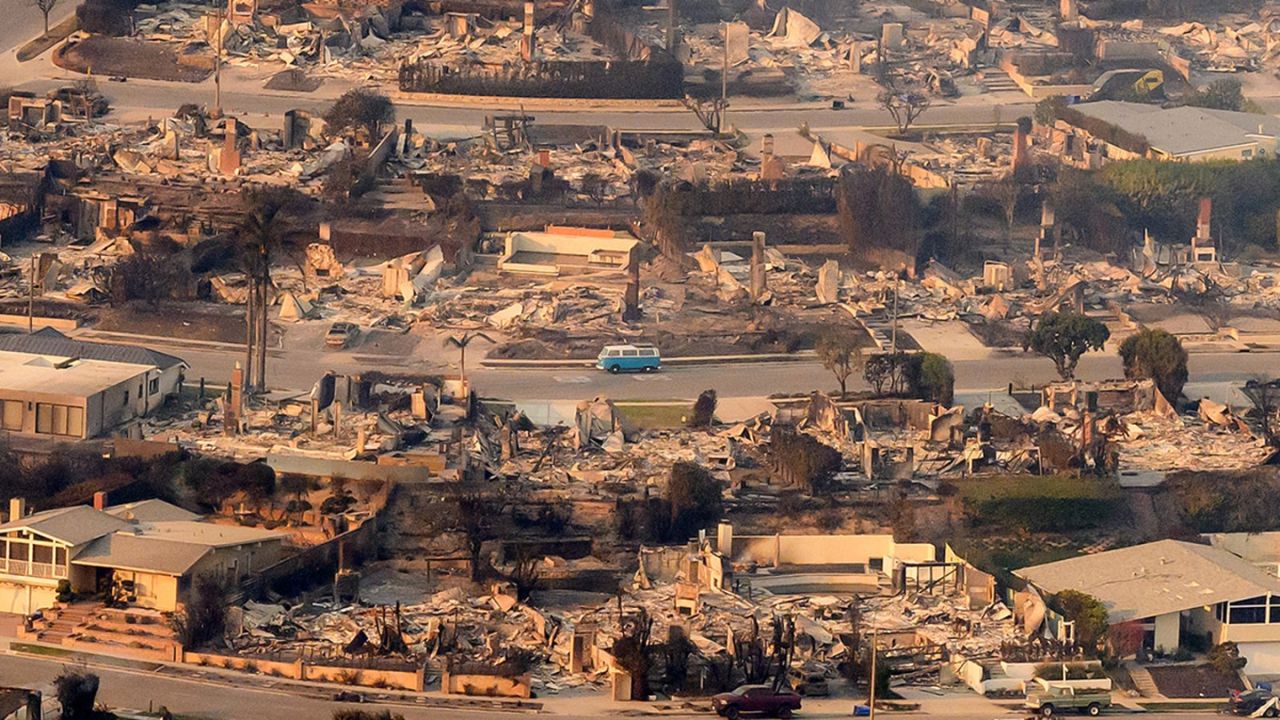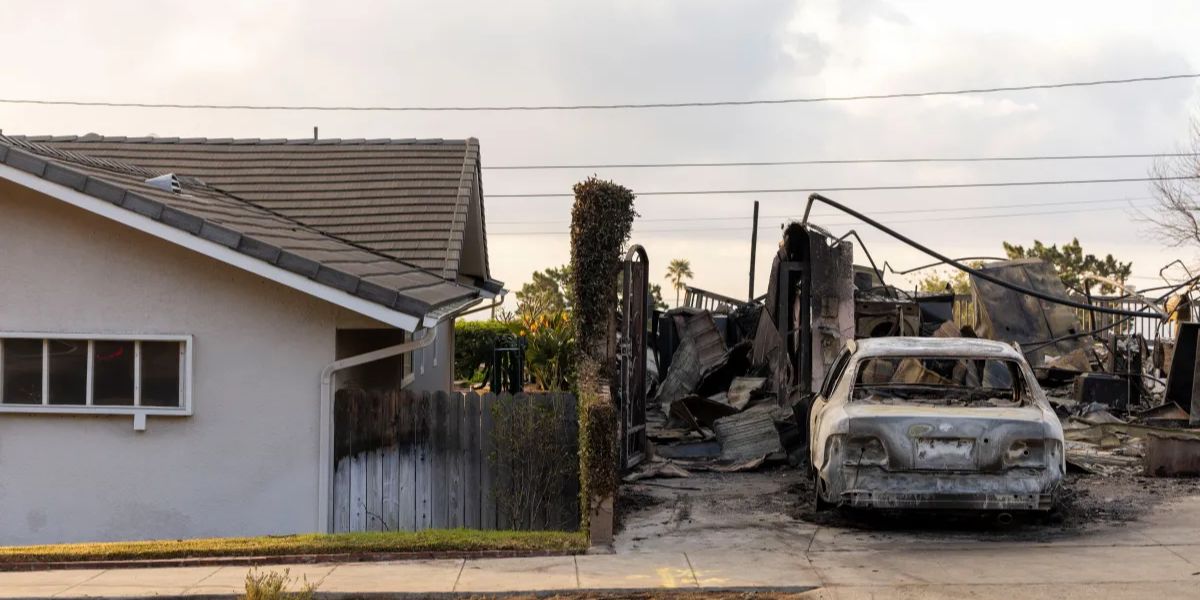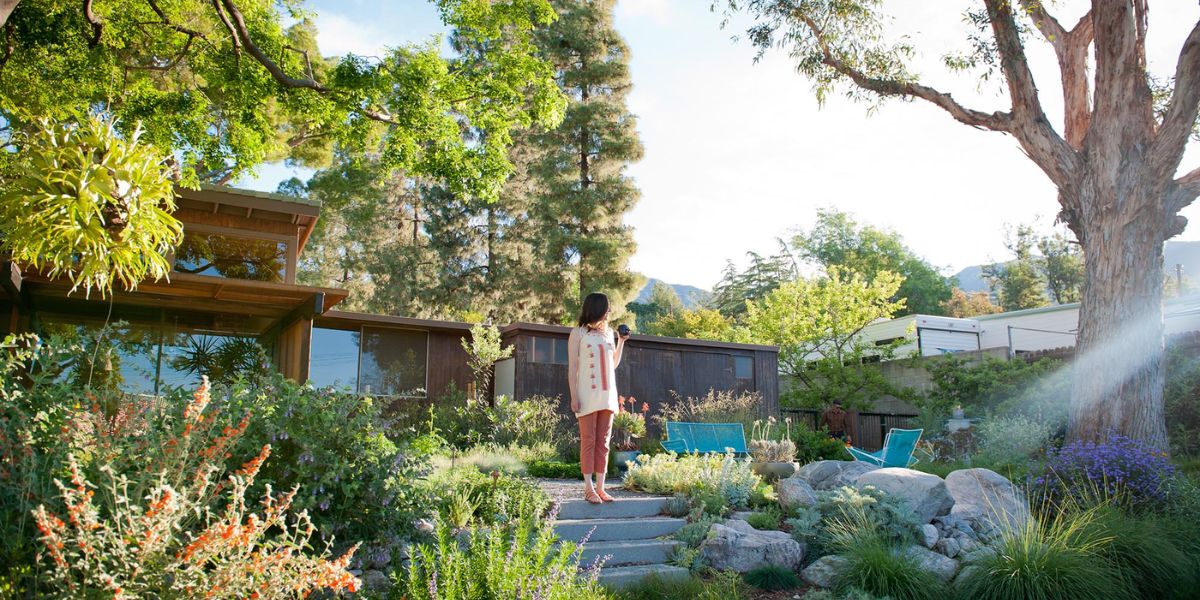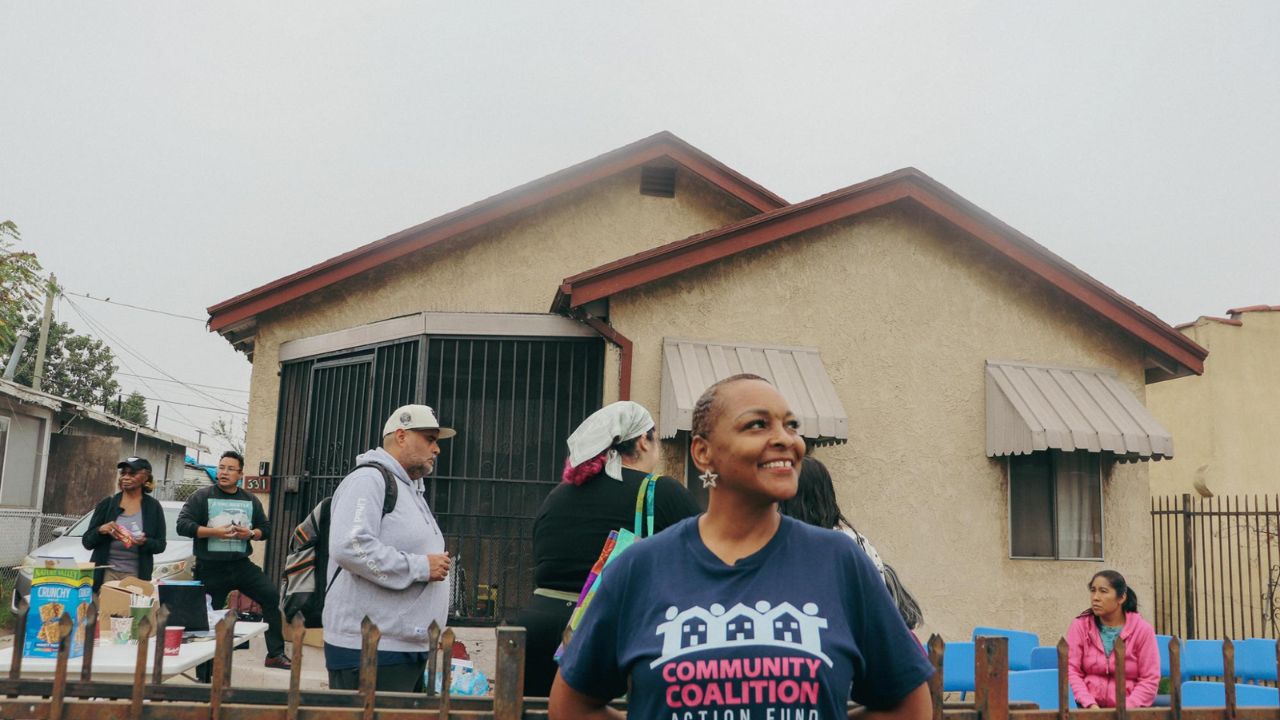
With the growing threat of wildfires in California, creating a Firewise community is a critical step in ensuring the safety and resilience of neighborhoods. The Los Angeles region, especially its hillside and foothill areas, faces unique challenges when it comes to wildfire preparedness. A Firewise community encourages residents to take proactive measures in reducing fire risks and fosters a collective effort to protect homes, property, and lives. Here’s how you can establish a Firewise community in your area.
Understand the Firewise Program
The Firewise USA program, established by the National Fire Protection Association (NFPA), provides a framework for communities to reduce their wildfire risks. It’s designed to help neighborhoods assess their vulnerability to wildfires and take collective action to reduce hazards.
Table of Contents
As a community member, it’s important to understand that Firewise is not just about protecting individual properties; it’s about creating a collaborative approach to wildfire prevention. The program involves educating residents, implementing mitigation strategies, and working together to develop a community-wide emergency plan.
Step 1: Get the Community Involved
The first step in creating a Firewise community is engagement. The success of a Firewise community depends on collective action. Start by organizing informational meetings to educate residents about the program and its benefits. Consider partnering with local fire departments, emergency responders, and neighborhood organizations to host these meetings.
In Los Angeles, many neighborhoods already have existing community groups, such as neighborhood councils or homeowners associations (HOAs), that can help facilitate these efforts. If such groups do not exist, it’s important to start forming a leadership group that can drive the initiative forward.
Step 2: Conduct a Community Fire Assessment
A critical part of the Firewise program is conducting a fire risk assessment for your community. This involves evaluating the area’s vulnerability to wildfires, identifying high-risk zones, and spotting potential hazards. Some key factors to assess include:
- Vegetation management: Is there dry grass, brush, or trees that could fuel a wildfire?
- Access and evacuation routes: Are roads and paths wide enough for fire trucks and residents to evacuate safely?
- Building materials: Are homes constructed using fire-resistant materials?
- Water sources: Are there sufficient hydrants or other water sources for firefighting efforts?
Once you identify these risks, you can develop a prioritized list of actions to take as a community. Many fire departments offer free or low-cost assessments, and you can also use Firewise USA’s Community Self-Assessment Guide for guidance.
Step 3: Develop a Community Action Plan
After the risk assessment, the next step is to develop a community action plan that outlines specific steps for fire prevention. This could include:
- Creating defensible space around homes, including clearing vegetation and creating fire breaks.
- Installing fire-resistant roofing and siding on homes, especially in areas where wildfires are frequent.
- Maintaining roads and access points for firefighting vehicles, ensuring they remain clear of debris.
- Educating residents on fire safety practices, such as using fire-resistant plants in landscaping and avoiding fire hazards like unattended grills.
In Los Angeles, where urban-wildland interface areas are a significant concern, these measures can make a substantial difference in slowing down or stopping the spread of fires.
Step 4: Apply for Firewise USA Recognition
Once your community has completed the assessment and implemented mitigation measures, you can apply for Firewise USA recognition. This recognition serves as an official acknowledgment that your community is actively taking steps to reduce wildfire risks.
To apply, your community needs to meet several requirements, including:
- Forming a Firewise board or leadership team.
- Completing a risk assessment and developing an action plan.
- Implementing at least one fire prevention project (such as clearing brush or creating fire breaks).
- Holding at least one community meeting each year to continue educating residents.
Fulfilling these requirements shows that your community is committed to long-term wildfire safety, which can also improve relationships with local fire departments and emergency services.
Step 5: Foster Ongoing Education and Engagement
The threat of wildfires in Los Angeles doesn’t go away after one season. For a Firewise community to remain effective, it’s essential to continue fostering education and engagement.
- Host regular fire drills: Test your community’s emergency response and evacuation plans.
- Share seasonal updates on fire safety, such as reminders to clear defensible space before fire season or to check smoke alarms.
- Celebrate Firewise achievements: Recognize residents who go above and beyond in fire prevention efforts.
Ongoing engagement keeps fire safety at the forefront of community priorities and ensures that everyone is prepared in case of an emergency.
Step 6: Work with Local Agencies and Resources
Creating a Firewise community is a team effort, and it’s important to partner with local agencies and organizations. Los Angeles residents can connect with:
- Los Angeles Fire Department (LAFD): Provides fire prevention services, such as defensible space inspections and risk assessments.
- California Department of Forestry and Fire Protection (CAL FIRE): Offers wildfire mitigation programs and resources for residents.
- Southern California Edison (SCE): Provides information about fire safety for power lines and transformers.
Additionally, leverage community grant opportunities to fund mitigation efforts, such as fire-resistant landscaping or emergency supplies.
Final Thoughts
Building a Firewise community in Los Angeles requires commitment, collaboration, and a proactive approach to wildfire preparedness. By working together, you can significantly reduce the risks of wildfires and enhance the safety of your neighborhood. The more communities embrace the Firewise program, the more resilient Los Angeles will become in the face of future fire seasons.
Are you ready to start building a Firewise community in your neighborhood? Share your thoughts or ask questions in the comments below—let’s prepare our communities for a safer future.