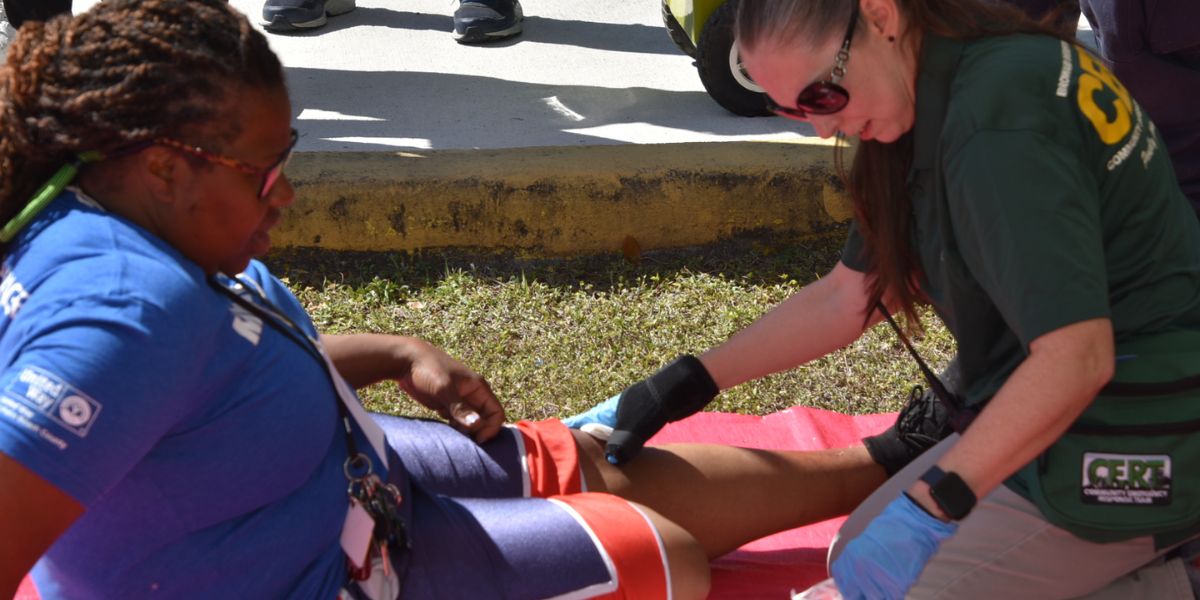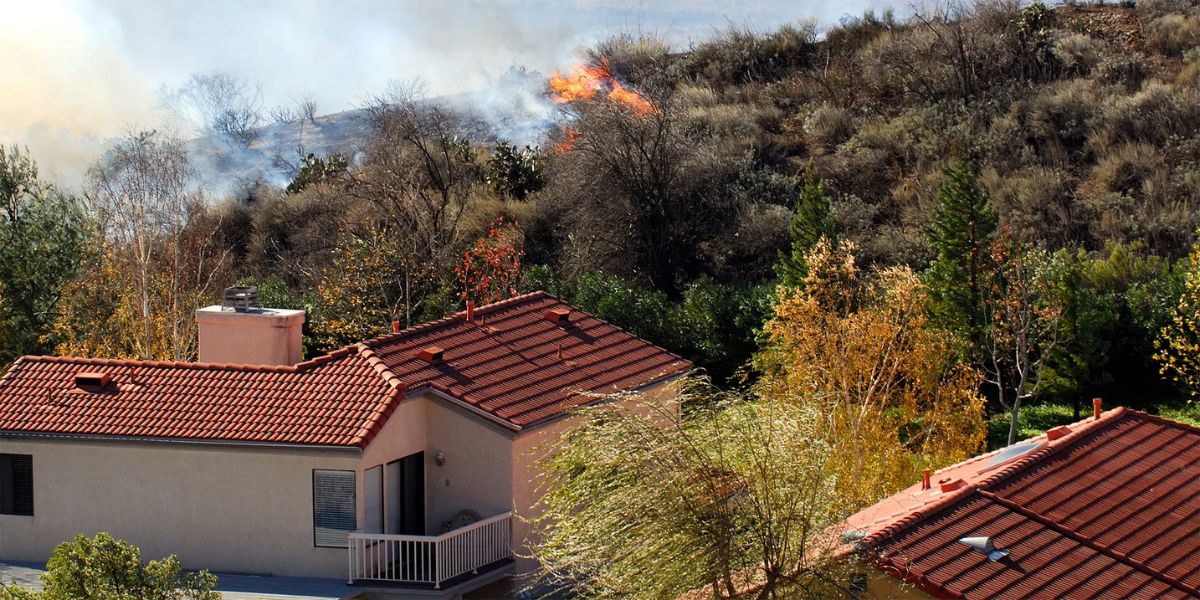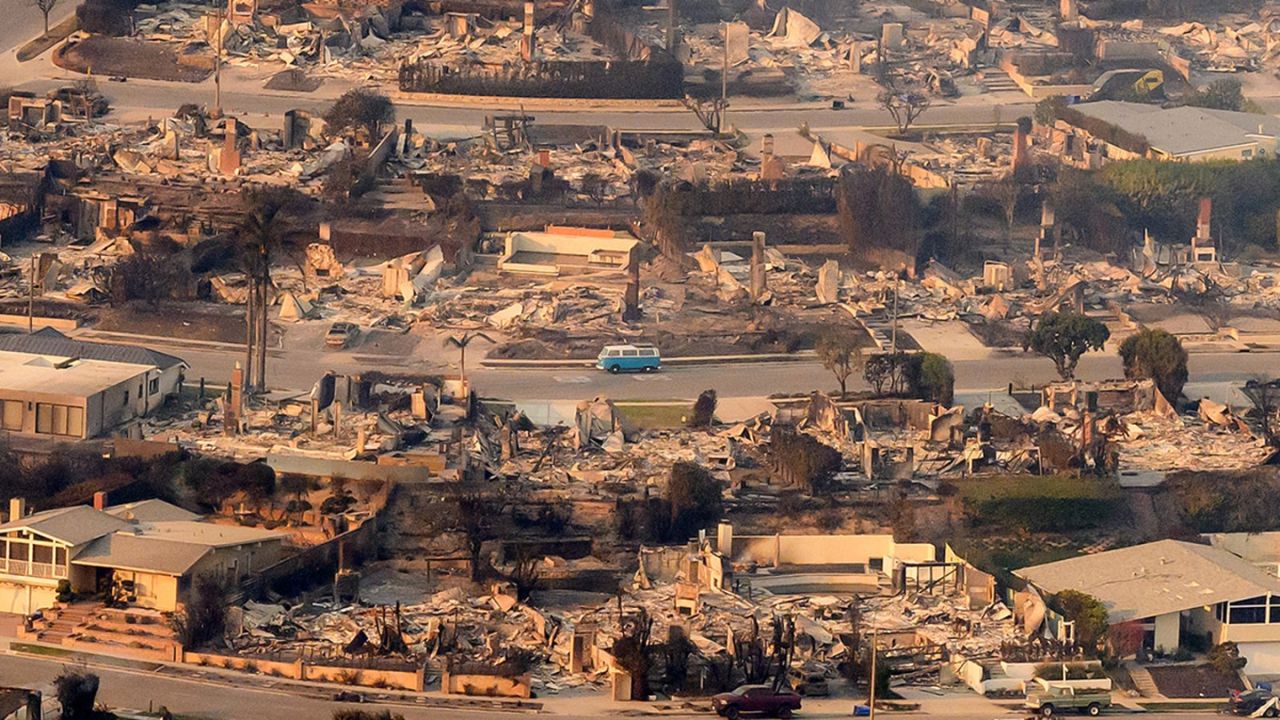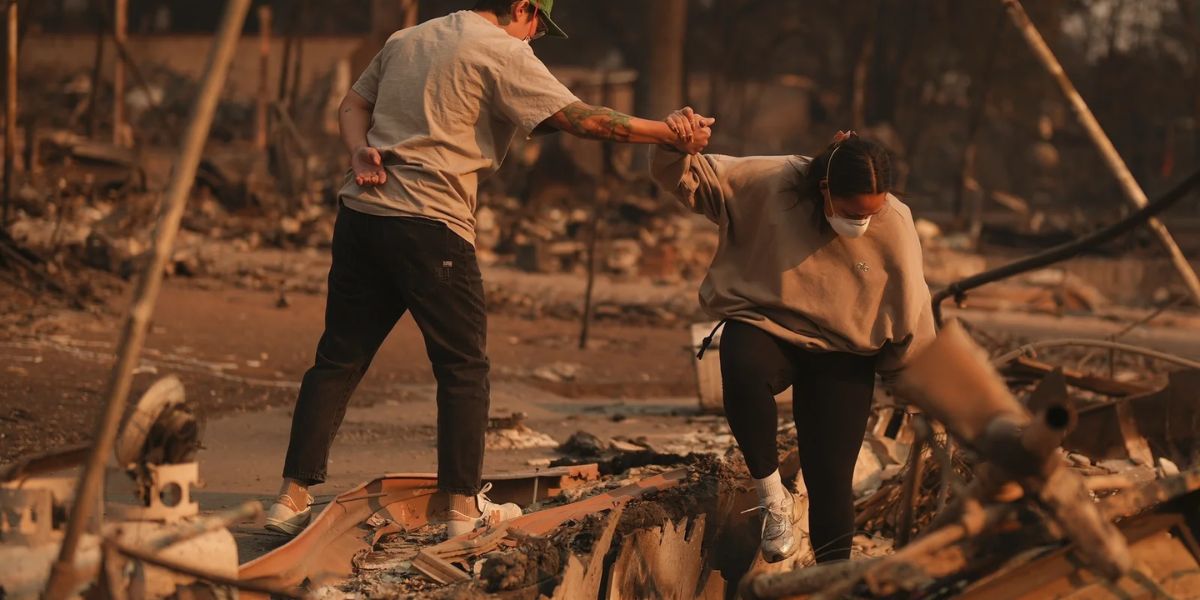
When disaster strikes, some of the most vulnerable populations are at the highest risk. Whether it’s a wildfire, earthquake, or flood, individuals in low-income communities, seniors, those with disabilities, or people who speak little to no English often face greater challenges when disaster strikes. Los Angeles, a city constantly exposed to a variety of natural disasters, must prioritize the needs of these groups in planning and response efforts. This article explores how communities and organizations can better support vulnerable populations during disaster events in LA.
Identify Vulnerable Populations in Your Community
The first step to providing effective support is understanding who the vulnerable populations are. In Los Angeles, this includes:
Table of Contents
- Seniors: Older adults often have mobility or health issues that make evacuation or accessing resources harder.
- Low-income families: Those with fewer resources may lack access to essential tools like backup generators or the ability to prepare for evacuations.
- People with disabilities: Individuals with physical, cognitive, or sensory impairments may require specialized assistance.
- Non-English speakers: Language barriers can prevent people from receiving critical disaster-related information.
- Homeless populations: Those without a stable living situation are particularly at risk during disasters.
By identifying these groups ahead of time, communities can tailor their disaster preparedness strategies to meet their specific needs.
Build Inclusive Emergency Plans
Emergency plans must be inclusive, ensuring that all populations have access to essential services during disaster events. In Los Angeles, emergency planners should:
- Ensure communication access: Provide disaster alerts in multiple languages and formats, including text, video, and audio, to reach non-English speakers and people with disabilities.
- Provide mobility support: Ensure that there are evacuation plans that accommodate people with mobility challenges, including accessible transportation options.
- Ensure access to healthcare: For individuals with medical conditions, ensure that healthcare services are available during the disaster, such as accessible shelters with medical care or mobile health clinics.
By building inclusive emergency plans, LA’s response teams can avoid leaving anyone behind during a crisis.
Engage with Local Support Organizations
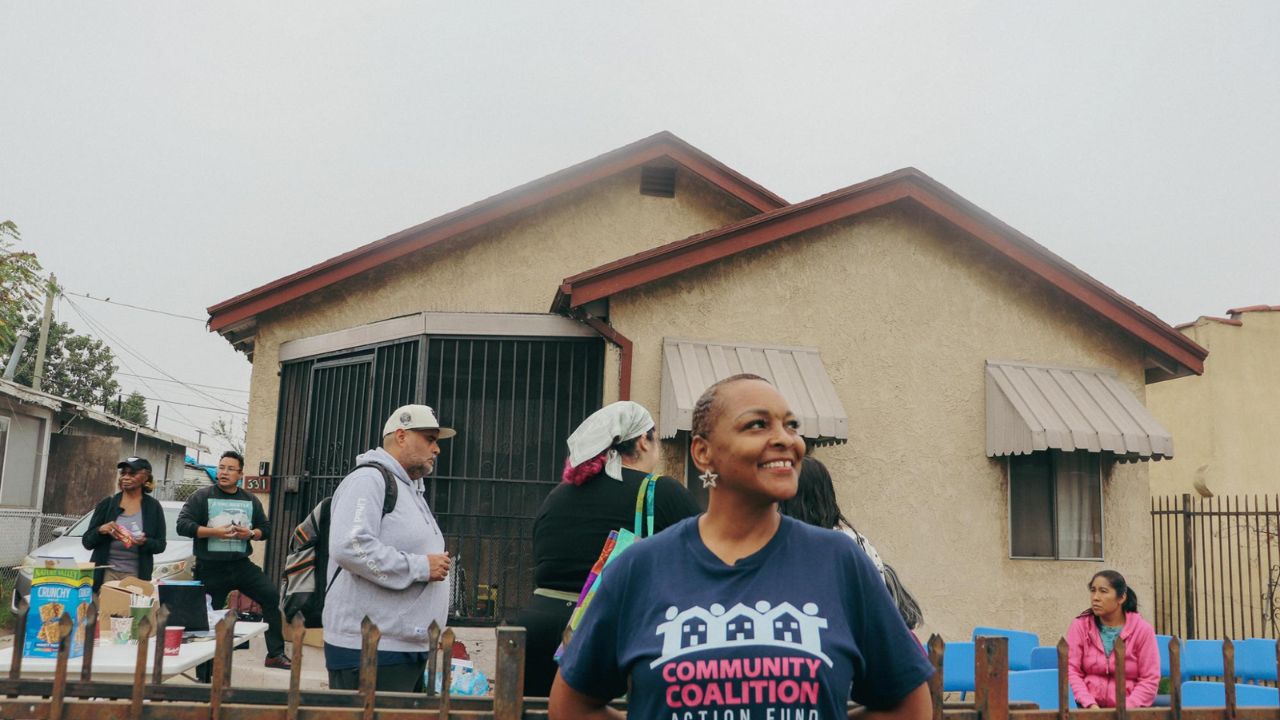
There are many organizations in Los Angeles dedicated to supporting vulnerable populations during disaster events. These groups can be instrumental in getting resources to the right people. Community leaders and first responders should:
- Partner with nonprofits and local charities: Organizations such as the Los Angeles Homeless Services Authority (LAHSA), The United Way of Greater Los Angeles, and The Red Cross can provide food, shelter, and medical supplies.
- Work with disability services: Ensure that agencies like the Los Angeles Department of Disability are involved in disaster planning and response to ensure proper accommodations are made.
- Mobilize volunteer networks: Groups such as Los Angeles Volunteers can assist in distributing goods and services to hard-to-reach populations, especially during an evacuation.
By engaging these groups ahead of time, LA can quickly mobilize resources when disaster strikes.
Offer Accessible Shelter and Safety
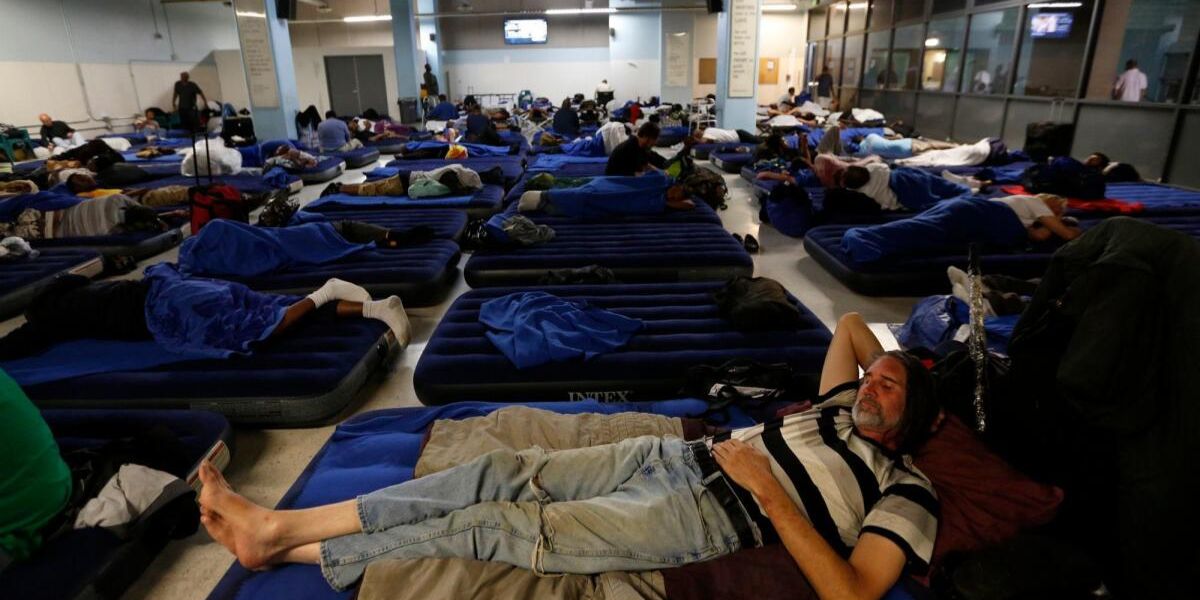
One of the biggest concerns during a disaster is safe and accessible shelter. Vulnerable populations often have different needs when it comes to sheltering during disasters. Consider the following strategies:
- Designate accessible shelters: Ensure shelters are accessible for people with disabilities, with wide aisles, ramps, and assistance for individuals with mobility challenges. Designating shelters specifically for seniors and people with medical needs is also critical.
- Provide assistance in shelters: Trained professionals should be available to provide support, including caregivers for seniors, medical staff for those with health conditions, and language interpreters for non-English speakers.
- Ensure personal safety: Safety in shelters should not only involve protection from the disaster but also protection from harassment or violence, particularly for vulnerable populations.
By ensuring safe, supportive shelter, vulnerable populations can weather disasters more effectively.
Coordinate with Local Authorities for Resources
Local authorities play a crucial role in ensuring vulnerable populations are supported during disaster events. It is essential that resource coordination is established early. Some key steps include:
- Coordinating food and water supplies: Ensure that food and water distribution networks prioritize vulnerable communities, providing options for people with dietary restrictions, medical needs, and mobility challenges.
- Establishing accessible communication lines: Set up dedicated helplines for vulnerable populations that need assistance, such as those requiring medical help, evacuation assistance, or social services.
- Ensuring transportation access: For those unable to evacuate on their own, it is essential that there are designated transportation services to bring people to safety, particularly for seniors and those with disabilities.
Efficient coordination between local authorities and community organizations ensures that vulnerable populations don’t miss out on critical resources during an emergency.
Focus on Long-Term Recovery
Recovery from a disaster can take time, especially for vulnerable groups. It’s essential to prioritize these populations even after the immediate crisis has passed:
- Provide mental health support: Many vulnerable populations, especially those who have lost their homes or loved ones, require specialized mental health services. Organizations like The Los Angeles County Department of Mental Health can provide long-term support.
- Ensure continued access to resources: Once the disaster is over, vulnerable populations may still face difficulties in rebuilding. Offering long-term access to financial assistance, housing, and healthcare is key.
- Support economic recovery: For low-income families and small businesses, providing support such as financial aid, job training, and affordable housing can be the difference between returning to normalcy or facing long-term hardship.
Final Thoughts
Disasters are a part of life in Los Angeles, but how we respond can make all the difference. By focusing on vulnerable populations and ensuring they are supported through inclusive emergency plans, accessible shelters, and ongoing recovery efforts, we can create a safer, more resilient community. The real strength of a city like Los Angeles lies in how well we support each other, especially those who need it most.
What steps have you taken to support vulnerable populations in your community? Share your thoughts in the comments below, and let’s continue the conversation on building a safer Los Angeles.