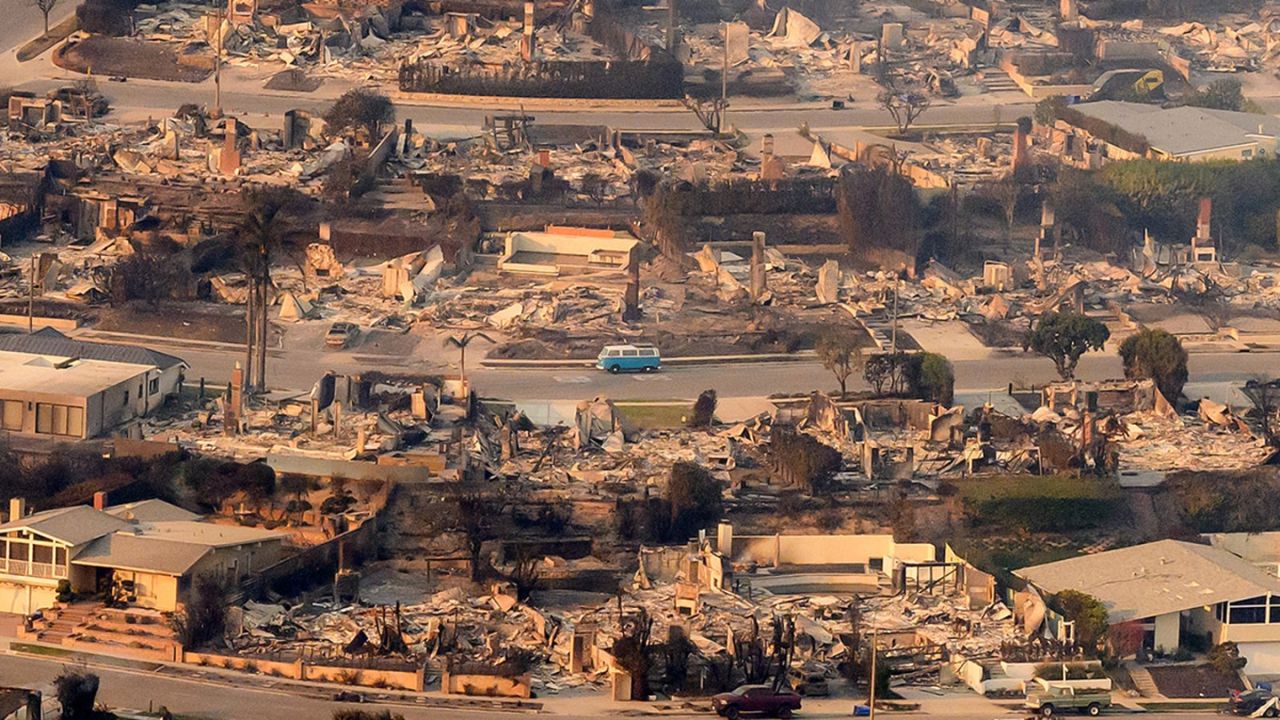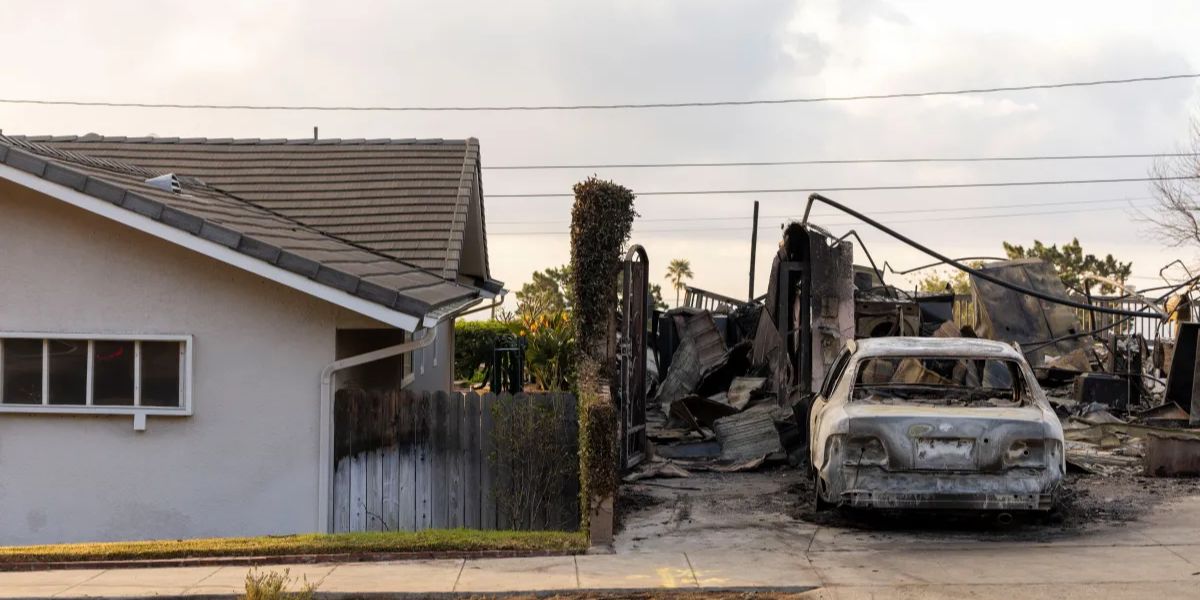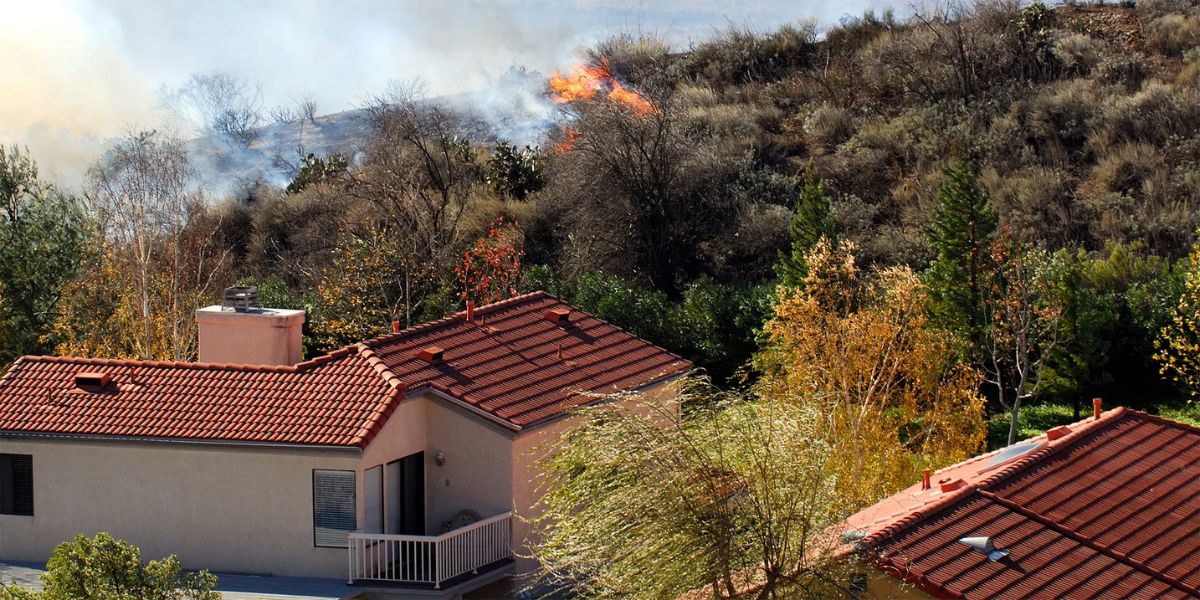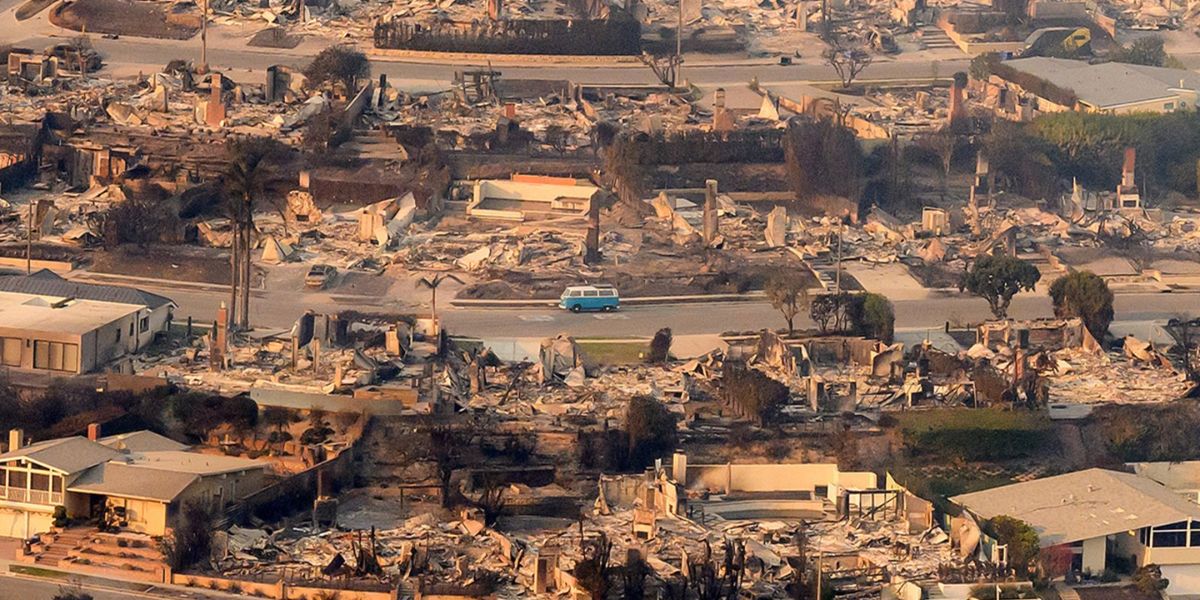
Los Angeles, CA – Wildfires are a persistent threat in Southern California, and Los Angeles is no stranger to their devastating impact. Once the fire has been contained and the danger has passed, it’s crucial to take immediate action to assess damage, protect your property, and begin recovery efforts. Rebuilding after a wildfire is a challenging process, but with a clear plan and the right resources, Los Angeles residents can recover and restore their homes and communities.
1. Ensure Safety and Seek Professional Assistance
Before you begin any recovery efforts, your safety is the top priority. Ensure that local authorities have declared the area safe to return to and that there are no ongoing fire risks.
Table of Contents
- Check with local officials: Firefighters or emergency services may still be monitoring hotspots. It’s essential to stay updated on evacuation notices or health warnings due to air quality or residual smoke.
- Avoid damaged structures: Do not enter homes, buildings, or other structures that may have been compromised by the fire until a professional has inspected them.
- Health precautions: Wildfire smoke and ash can cause respiratory problems. Wear a mask or respirator when inspecting the damage, and avoid contact with debris if you have respiratory conditions.
2. Document Damage for Insurance and Assistance
Once you’re certain it’s safe to do so, take detailed photos and videos of all damage caused by the fire. Documenting the destruction of your home and belongings is crucial for insurance claims, government assistance, and FEMA applications.
- Contact your insurance company: Notify your provider about the damage and begin the claims process. Keep records of all communications with your insurance adjuster and contractors.
- Apply for FEMA aid: For eligible residents, FEMA offers disaster assistance for home repairs and temporary housing. Submit your damage documentation as soon as possible.
3. Clean Up Debris and Check for Hazardous Materials
Fire debris can be hazardous, with sharp objects, broken glass, or potentially toxic materials like asbestos or lead. In the early stages of recovery, cleanup should be handled by professionals who are trained to safely remove hazardous waste.
- Avoid direct contact: Do not attempt to clean up hazardous materials or ash without the proper protective equipment.
- Hire a licensed contractor: It’s important to work with certified restoration professionals to safely clear the fire debris and assess structural damage.
- Protect water sources: Be aware of the potential contamination of nearby water sources. If you rely on well water or local streams, have them tested for safety.
4. Assess Property and Structural Integrity
After the initial cleanup, you can begin inspecting your property and the integrity of your home. Many homes in Los Angeles are located in wildfire-prone areas, so assessing the overall condition of the property is essential for long-term safety.
- Check for structural damage: Have a licensed structural engineer inspect your home to determine the extent of the damage to the foundation, walls, roof, and electrical system.
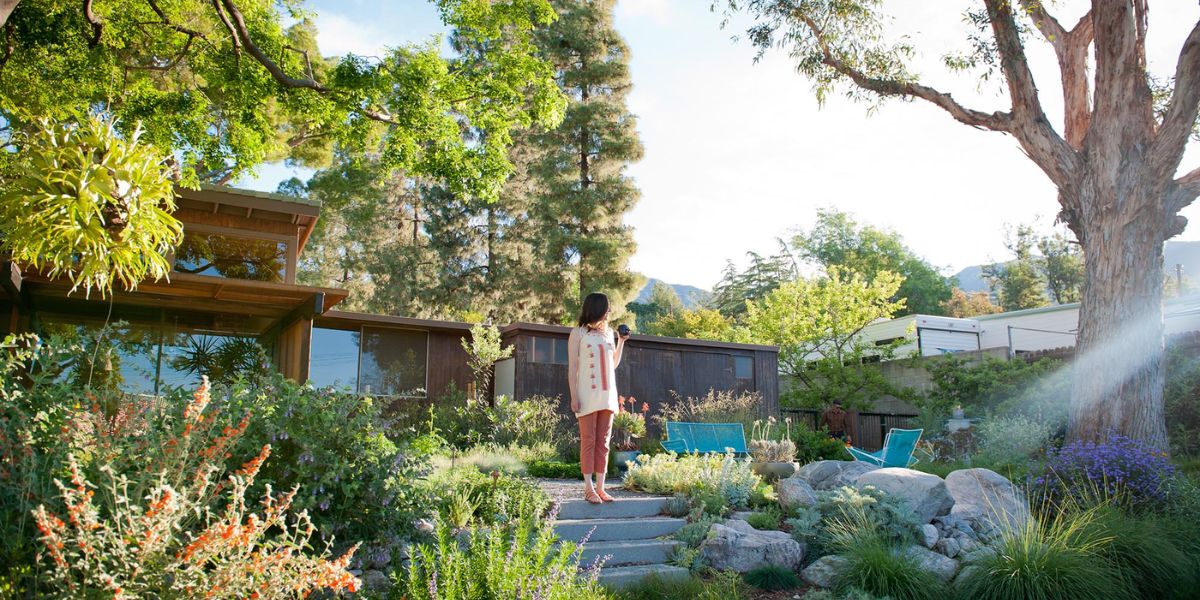
- Evaluate landscaping: Wildfire can leave behind scorched vegetation and damaged trees that pose a long-term risk to your property. Trees that are still standing but are severely damaged may need to be removed, as they can become unstable and dangerous.
- Defensible space restoration: Rebuild defensible space around your home by removing fire-prone vegetation and creating a defensible zone to minimize the risk of future fires.
5. Consider Mental and Emotional Health
Wildfires have a significant emotional toll on survivors. It’s not just the physical damage that needs attention; the mental and emotional recovery is just as important. If you’ve been affected by the fire, be sure to take steps to care for your mental well-being.
- Reach out for support: Consider talking to a counselor or therapist, especially if you or your family members are experiencing anxiety, depression, or PTSD from the experience.
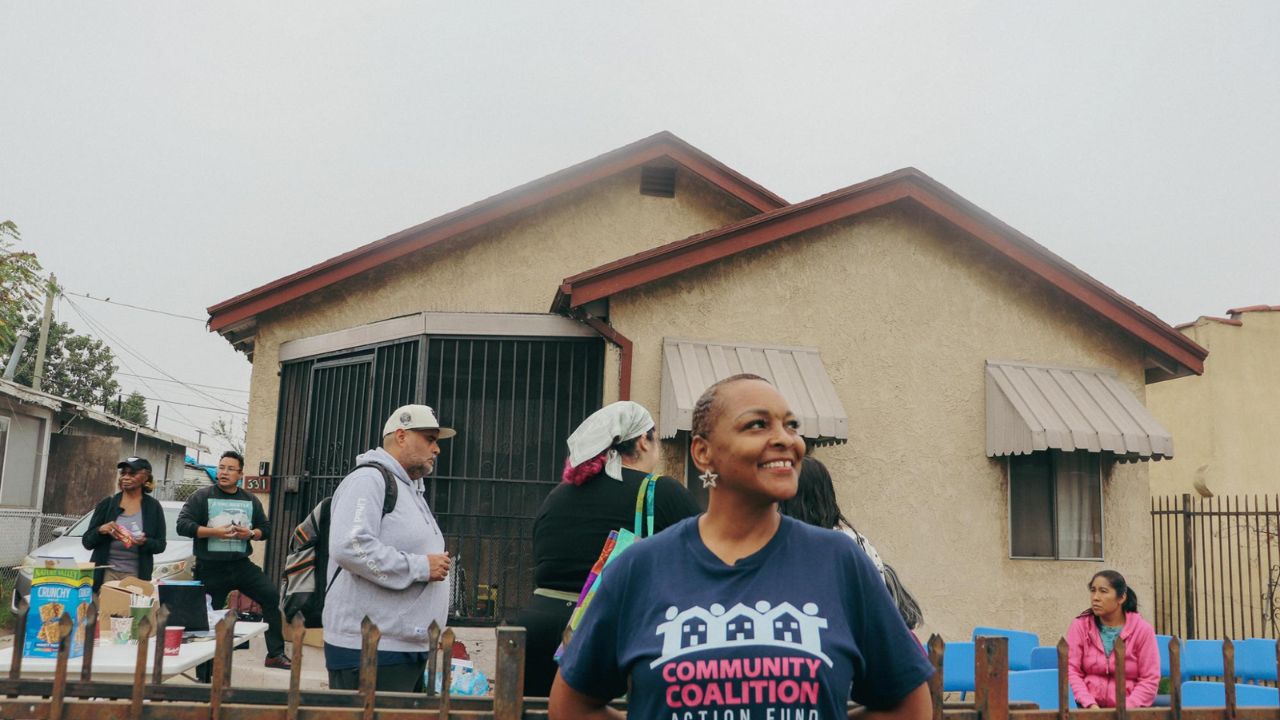
- Community support: Lean on your community. Los Angeles has numerous support groups for wildfire survivors, including emotional support through organizations and local government programs.
- Take breaks: Recovery is a long-term process. It’s essential to pace yourself and take breaks when you need them.
6. Work on Rebuilding and Restoration
As the recovery efforts progress, you’ll begin to see opportunities to rebuild and restore your home and property.
- Consider fire-resistant building materials: When rebuilding, opt for fire-resistant materials for roofing, siding, and decks. This will help to future-proof your home against potential fires.
- Focus on landscaping: Use fire-resistant plants and hardscaping (such as gravel or stone) to replace combustible vegetation and reduce the fire hazard on your property.
- Prepare for the future: Look into home hardening techniques that can further protect your property. Installing ember-resistant vents, double-paned windows, and fire-resistant fences can significantly reduce the risk of future fires.
7. Stay Informed About Local Resources
Recovery isn’t just about fixing your home—it’s also about rebuilding your community. Stay informed about available resources and local initiatives aimed at supporting wildfire survivors in Los Angeles.
- Local government programs: Los Angeles County and the state of California offer various programs for wildfire recovery. These may include grants, home repair assistance, or financial support for displaced residents.
- Community events: Participate in local rebuild efforts and town halls where you can learn about community planning and share your experiences with others affected by the fire.
- Keep updated on regulations: Ensure you’re aware of any new building codes or fire safety regulations that could impact your rebuilding process.
Conclusion
Recovering from a wildfire is a monumental task, but with careful planning, the right support, and a steady approach, you can restore your home and community. Los Angeles is no stranger to wildfires, but it is also home to resilient residents who know how to rebuild and recover.
What steps have you taken in your wildfire recovery process? Share your experiences and tips in the comments below to help others facing similar challenges.