When summer temperatures in Los Angeles soar past 100°F, the city’s power grid often struggles to keep up. Between rolling blackouts, equipment overloads, and wildfire-related outages, power loss isn’t just an inconvenience — it’s a serious risk to health and safety. Having a well-prepared power outage kit is one of the most practical steps every Angeleno can take to stay cool, safe, and connected when the lights go out.
Why LA Residents Need a Power Outage Kit
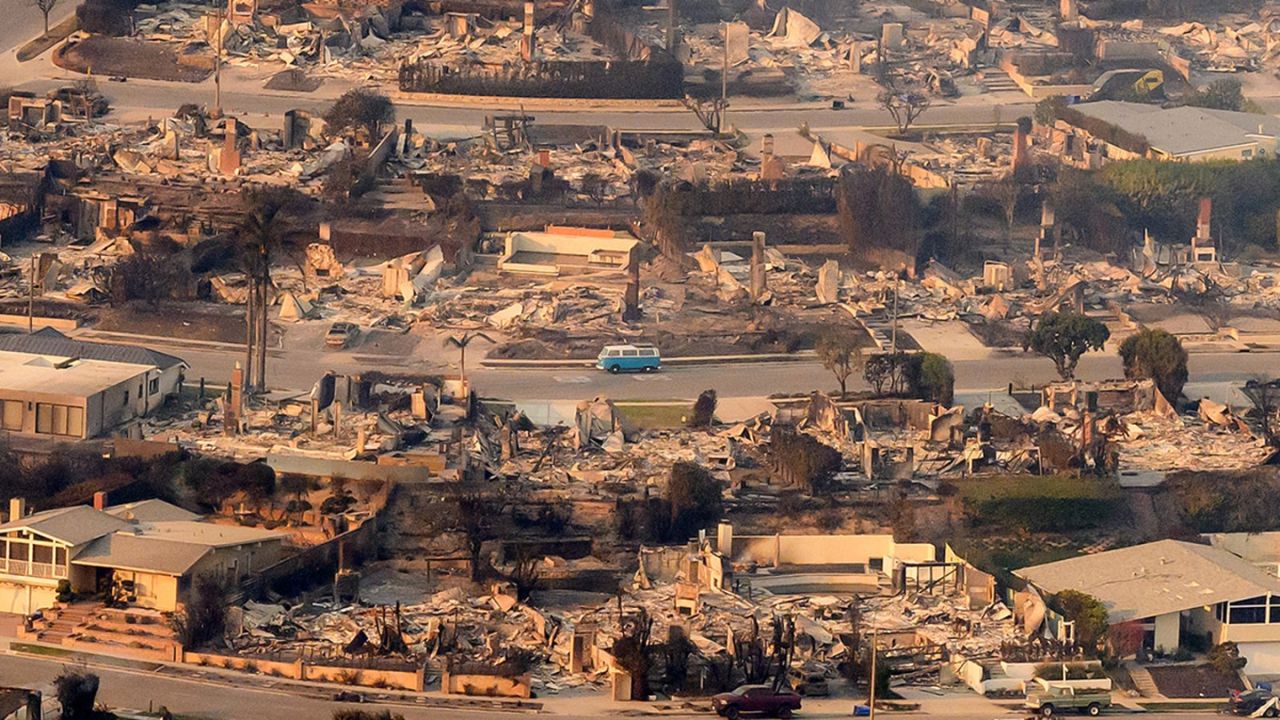
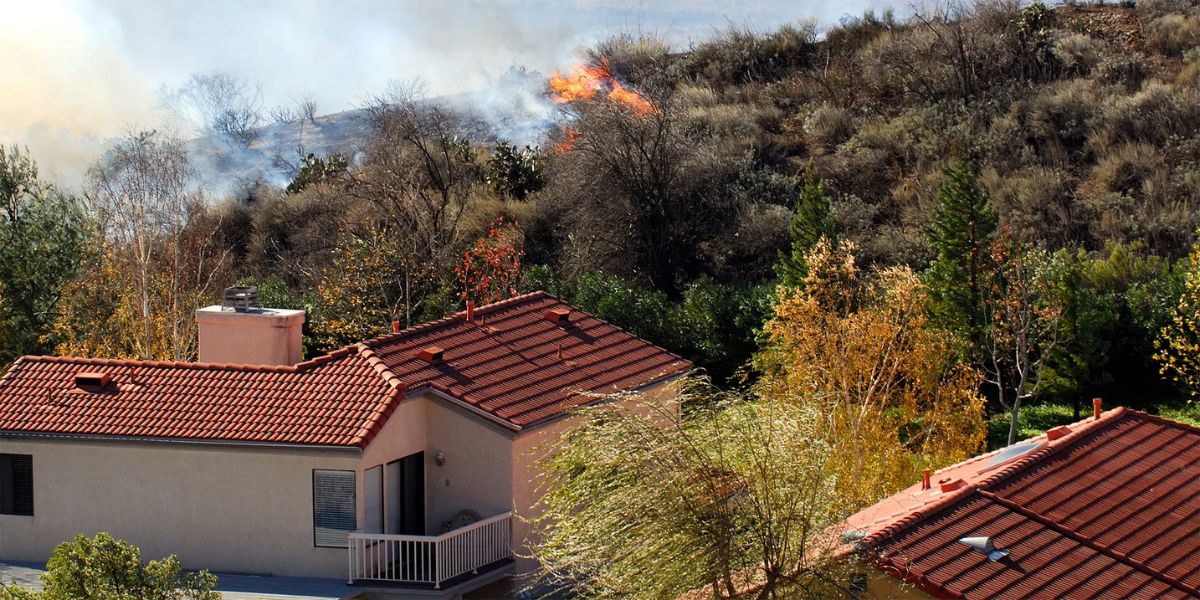
Los Angeles is especially vulnerable to heat-driven outages, with high energy demand from air conditioning, electric vehicles, and home appliances. Combine that with wildfire season and you have the perfect recipe for grid stress. In recent years, LA County has recorded multiple multi-hour outages affecting tens of thousands of homes.
Table of Contents
Beyond comfort, power loss can impact medical devices, food storage, and even communication. That’s why having a dedicated emergency kit ready before summer peaks is critical for every household.
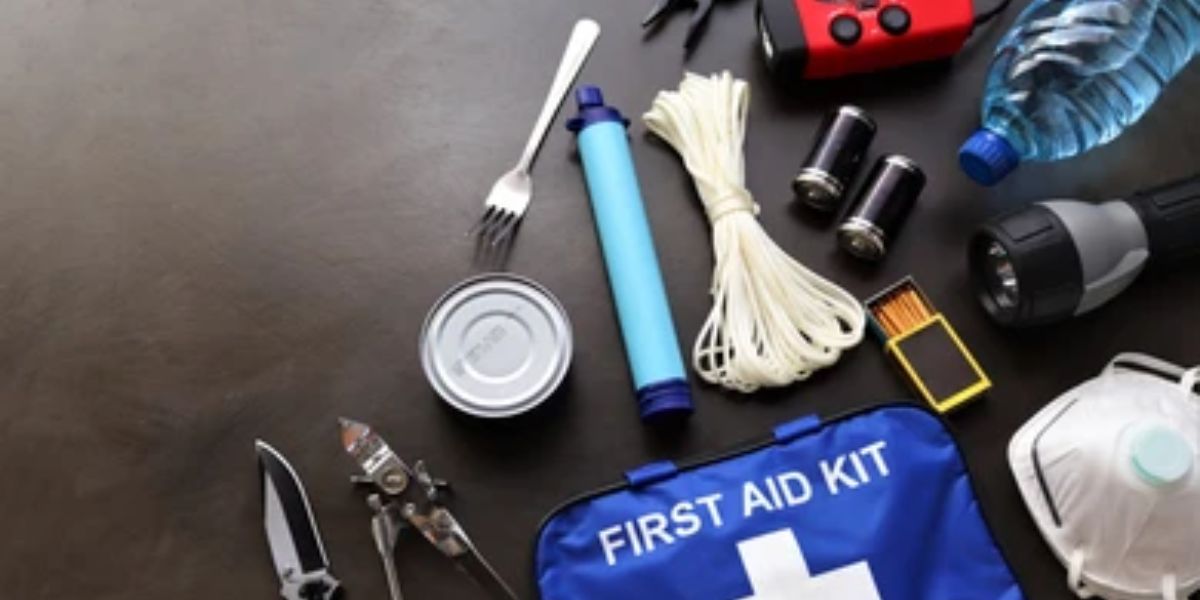
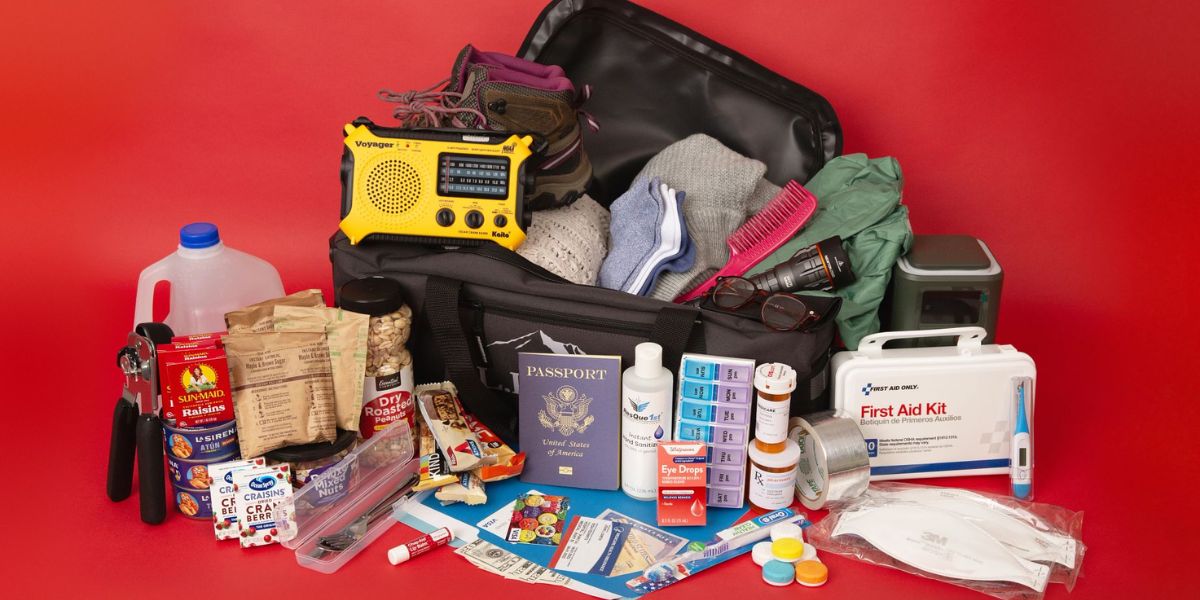
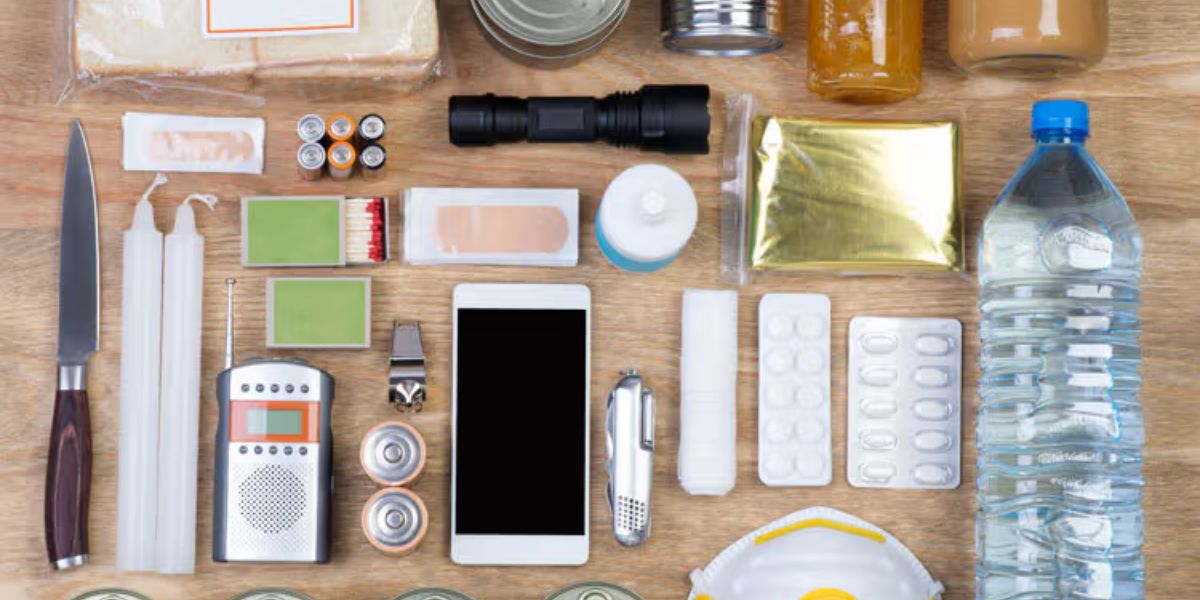
Core Items Every Power Outage Kit Should Include
Building your kit doesn’t have to be complicated or expensive. Start with essentials that can help you manage without electricity for at least 72 hours — the standard preparedness window recommended by emergency planners.
1. Lighting and Visibility
When power fails at night, light is both comfort and safety. Include:
- LED flashlights with extra batteries
- Headlamps for hands-free use
- Solar-powered or crank lanterns for continuous light
Avoid candles — they increase fire risk, especially during hot, dry conditions.
2. Cooling Essentials
Heat can become dangerous fast during LA’s summer outages. Prepare to stay cool with:
- Battery-powered or rechargeable fans
- Cooling towels or ice packs stored in insulated coolers
- Electrolyte drinks to prevent dehydration
If you have elderly family members or infants, plan ahead for safe locations with backup power, such as cooling centers or community hubs.
3. Communication Tools
When cell towers or Wi-Fi go down, you need alternate ways to stay informed. Pack:
- A battery-powered or hand-crank radio (NOAA weather alert models are best)
- A fully charged power bank or solar charger for phones
- A printed contact list of family, neighbors, and emergency services
4. Food and Water
Stock up on:
- Non-perishable foods (canned goods, protein bars, dried fruit)
- Manual can opener
- At least one gallon of water per person per day
If you have pets, include their food and extra water too.
5. Medical and Hygiene Supplies
Health and sanitation are vital during outages:
- First aid kit with essential medications
- Cool storage packs for medicines that need refrigeration
- Sanitizing wipes and trash bags for hygiene
- Face masks to reduce smoke exposure during wildfire-related outages
Preparing Your Home Before an Outage
A kit is only part of the equation — preparation makes all the difference. Take these steps to strengthen your home’s readiness:
- Charge devices and portable batteries before heatwaves or storm warnings.
- Freeze water bottles to help keep your fridge cool longer during an outage.
- Install surge protectors to prevent damage when power returns.
- Unplug appliances you’re not using to reduce energy load and fire risk.
If you rely on electricity for medical needs, register with your utility company’s medical baseline program to receive priority outage alerts and backup support.
Neighborhood Readiness and Community Support
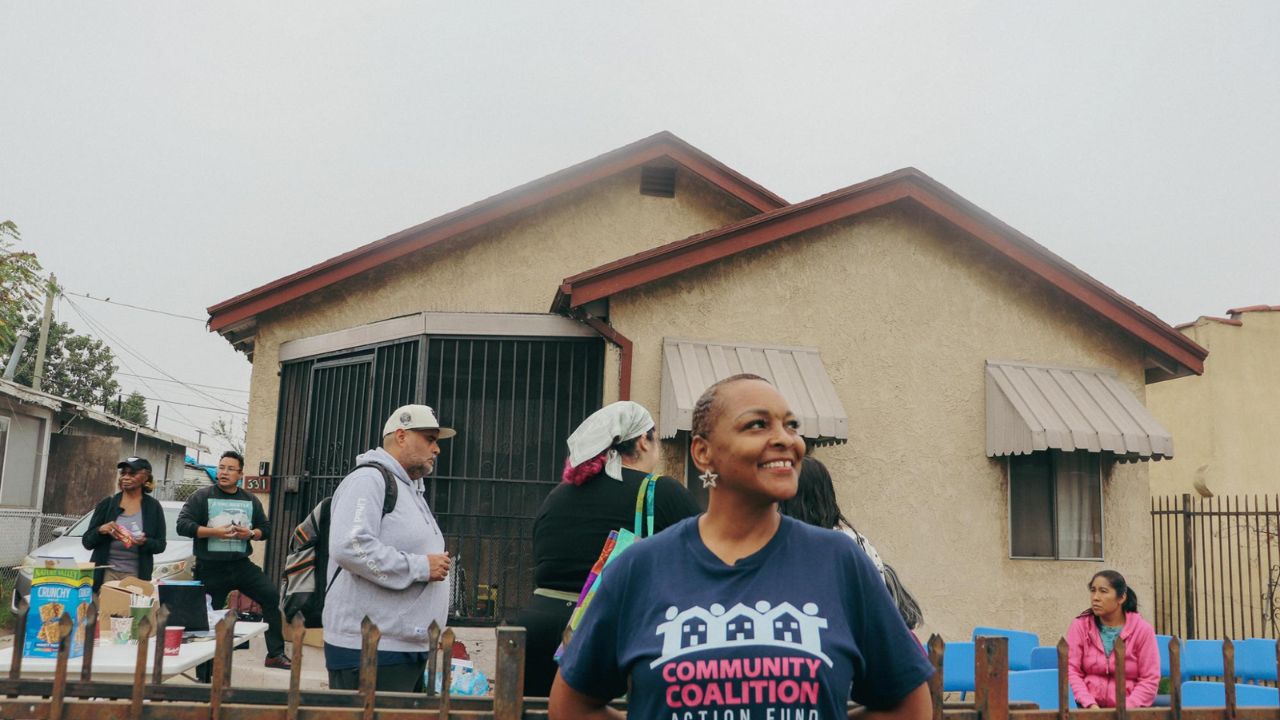
Preparedness isn’t just individual — it’s collective. Neighborhoods across Los Angeles are stronger when residents coordinate. Talk with your neighbors about who has backup generators or battery storage and who might need help during a power loss.
Community centers, libraries, and city-run cooling centers often open during extreme heat events. Keep a printed list of nearby ones in your kit. The LA County Department of Public Health and Ready LA websites regularly update these locations each summer.
“In Los Angeles, community awareness can save lives during power disruptions,” says Ethan Park, community preparedness director at Be Ready LA. “A single neighbor checking on another during a blackout can make all the difference.”
Optional Upgrades for Long-Term Resilience
If your home is in a high-risk area or you want to prepare more thoroughly, consider investing in:
- Solar generators or backup batteries
- Smart surge protectors that can be remotely turned off
- Whole-house fans for cooling without AC
- Automatic transfer switches for seamless backup power use
These options provide peace of mind and may even reduce your overall energy costs over time.
Staying Safe During an Outage
Once the lights go out:
- Keep refrigerators and freezers closed as much as possible.
- Avoid using gas stoves for long periods — they add heat indoors.
- Never use portable generators or charcoal grills indoors; they produce carbon monoxide.
- Check on vulnerable neighbors — seniors, young children, and those with medical needs.
After power returns, inspect your food and reset appliances safely. Discard anything that may have spoiled.
Final Takeaway
In Los Angeles, power outages during hot summer months are inevitable, but unpreparedness doesn’t have to be. A well-stocked outage kit, a simple plan, and a connected neighborhood can keep your family safe, cool, and calm even in the dark.
Be proactive. Build your kit today and encourage your neighbors to do the same — because preparedness starts with one ready household at a time.