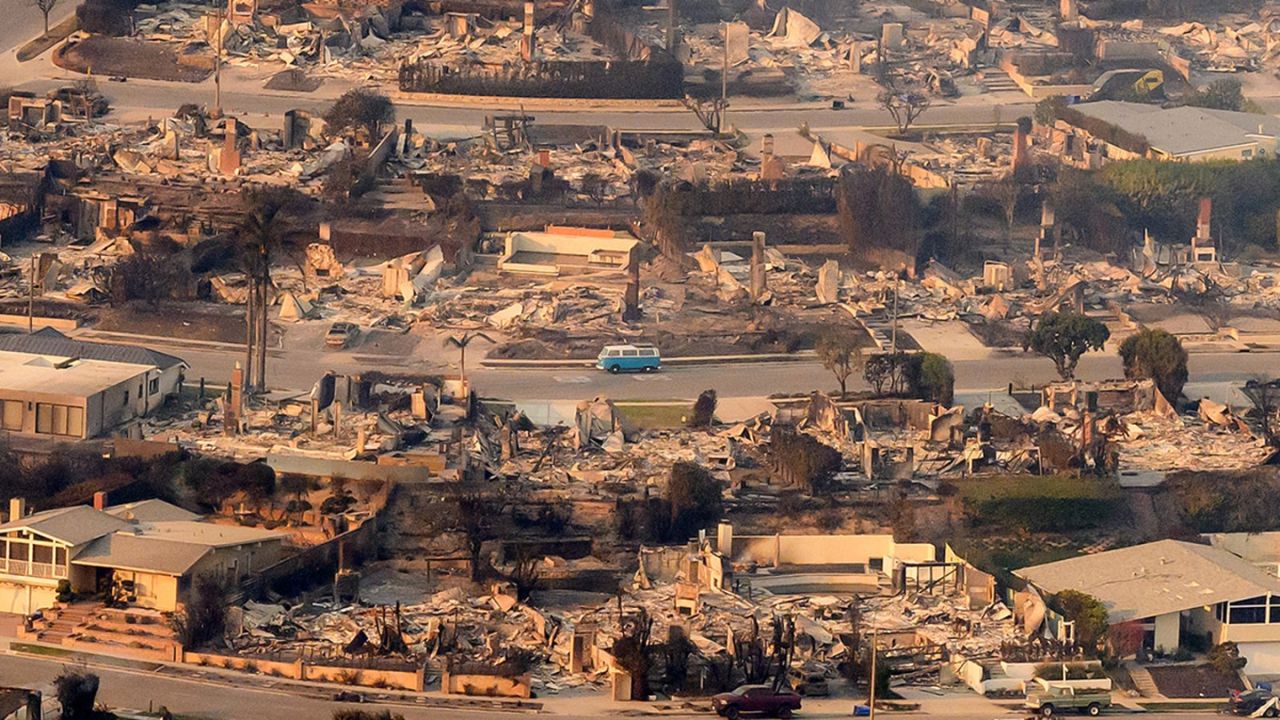
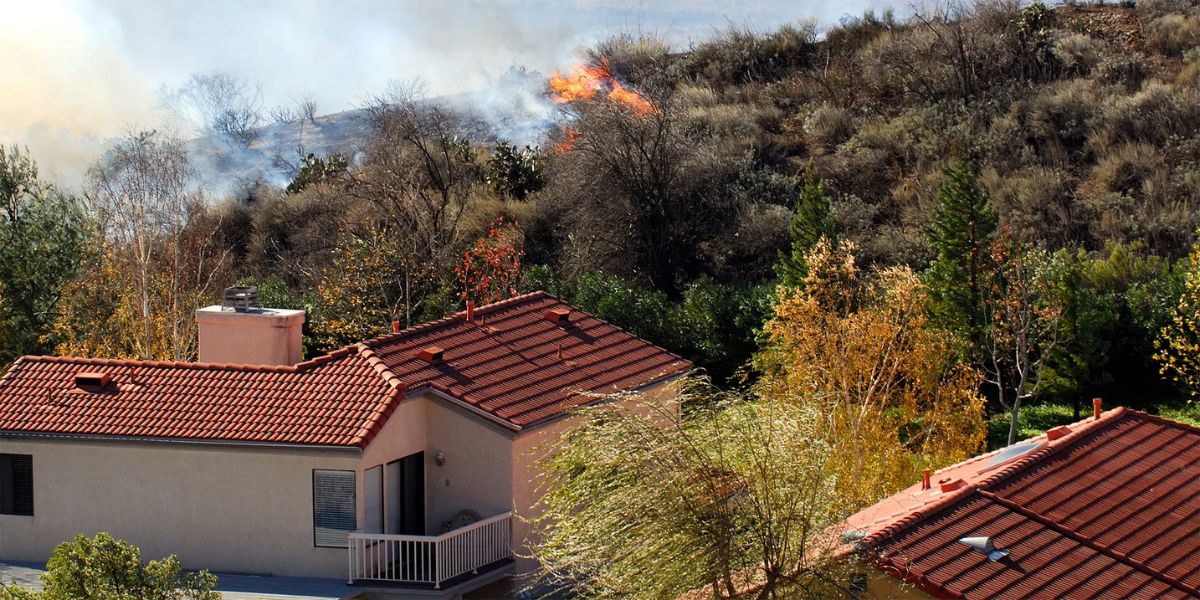
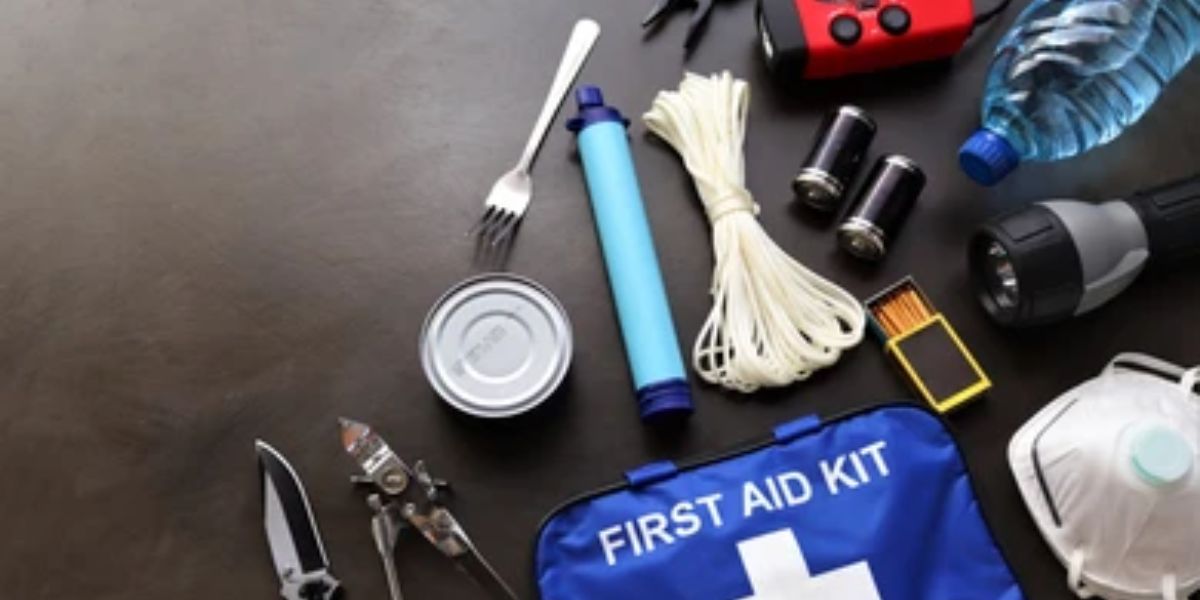
In a city where earthquakes, wildfires, and floods are part of daily life, the design of a neighborhood can play a huge role in determining how well it weathers a disaster. Disaster readiness isn’t only about emergency kits or evacuation plans—it starts with how we shape our streets, buildings, and public spaces. From the way sidewalks are laid out to how communities organize open spaces, urban design directly impacts resilience and recovery.
Understanding How Street Design Affects Safety
Street layouts influence how quickly emergency vehicles can respond, how easily residents can evacuate, and even how fire or flood spreads. In Los Angeles, many older neighborhoods were designed without resilience in mind, leaving bottlenecks that complicate evacuation or block access for first responders.
Table of Contents
A safer, disaster-ready street design ensures:
- Multiple entry and exit routes, so neighborhoods aren’t cut off during emergencies.
- Clear signage and lighting, making navigation easier during power outages or low-visibility conditions.
- Pedestrian-friendly walkways, offering safe routes for evacuation when roads are blocked.
Neighborhoods that adopt these features can dramatically improve both response times and public safety.
Strengthening Community Infrastructure
Beyond layout, the infrastructure supporting streets—drainage, utilities, and road materials—plays a critical role in disaster resilience. For example, inadequate storm drains can cause flooding even in areas far from rivers. Investing in permeable pavements, rain gardens, and bioswales helps absorb water naturally and reduces urban flooding risks.
In wildfire-prone regions of Los Angeles County, using non-combustible materials like concrete curbs and metal signage can prevent small fires from spreading along streets lined with dry brush. Integrating smart design with sustainability helps neighborhoods withstand both heat and hazard.
The Role of Open Spaces in Disaster Planning
When disasters strike, open spaces often become lifelines—acting as gathering points, temporary shelters, or staging areas for emergency operations. Parks, schoolyards, and community centers should be designed with this in mind.
For instance, a local park in the San Fernando Valley might include solar-powered lighting, water refill stations, and shaded areas that can serve dual purposes during both normal days and emergencies. Communities that integrate these multi-use features can transition faster when disaster hits.
“Open spaces are more than recreational—they’re essential elements of urban resilience,” says Maya Ortiz, an urban resilience planner and wildfire mitigation specialist based in Los Angeles. “Designing with readiness in mind ensures that neighborhoods are not only beautiful but also survivable.”
Encouraging Walkability and Accessibility
In the aftermath of a major earthquake or flood, vehicle access may be limited. Walkable, connected neighborhoods allow residents to reach safety zones, schools, or community centers on foot. Adding accessible paths for people with disabilities, including ramps and tactile markers, ensures everyone can move safely.
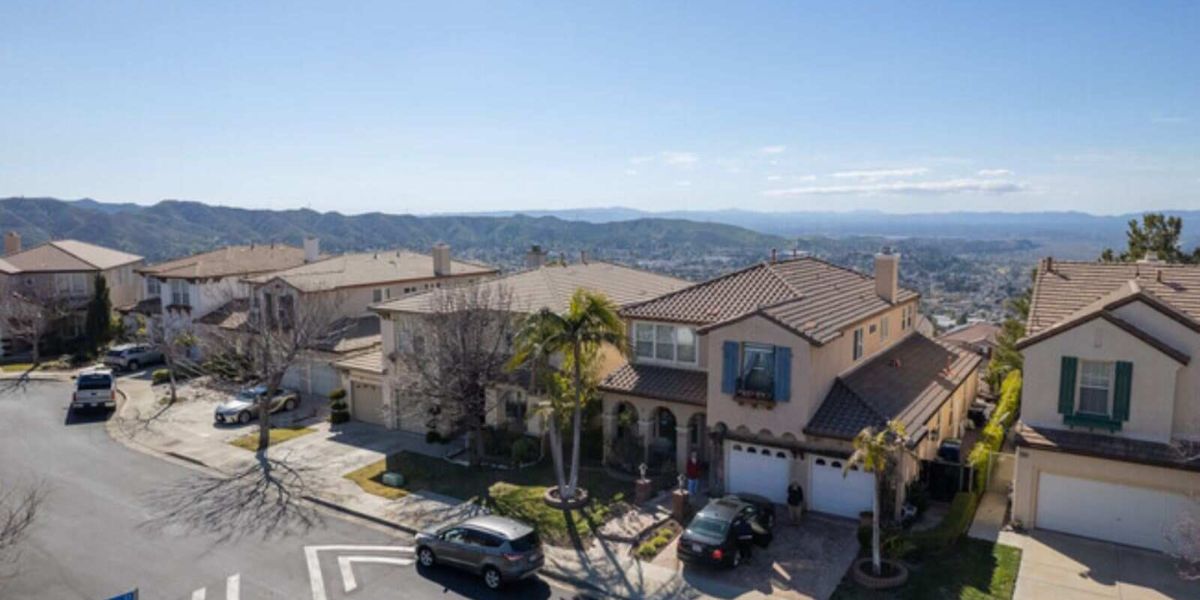
Los Angeles’ hillside neighborhoods, for example, often have narrow streets and steep grades. By widening certain pedestrian routes or installing handrails along evacuation paths, communities can make these areas safer for all residents—especially seniors.
Using Vegetation Wisely in Street Design
Trees and plants play a major role in both comfort and safety. Shade trees can reduce heat risk during extreme weather, but overgrown or flammable vegetation can become hazardous during wildfires. Strategic planting of low-flammability species, like oak or sycamore instead of pine or eucalyptus, can help prevent fire spread.
Regular maintenance is equally important. Community clean-up days, coordinated by neighborhood councils or volunteer teams, ensure debris doesn’t block storm drains or become wildfire fuel.
Smart Technology for Safer Streets
Technology now allows neighborhoods to integrate real-time alerts, street-level sensors, and solar-powered signage that guide people during emergencies. For example, motion-activated streetlights powered by backup batteries can keep paths lit when the grid fails.
Los Angeles communities can partner with local tech programs or resilience initiatives to pilot such solutions. Even small steps—like installing QR-coded emergency maps on street poles—can make a big difference when seconds count.
Collaboration Between Residents and City Planners
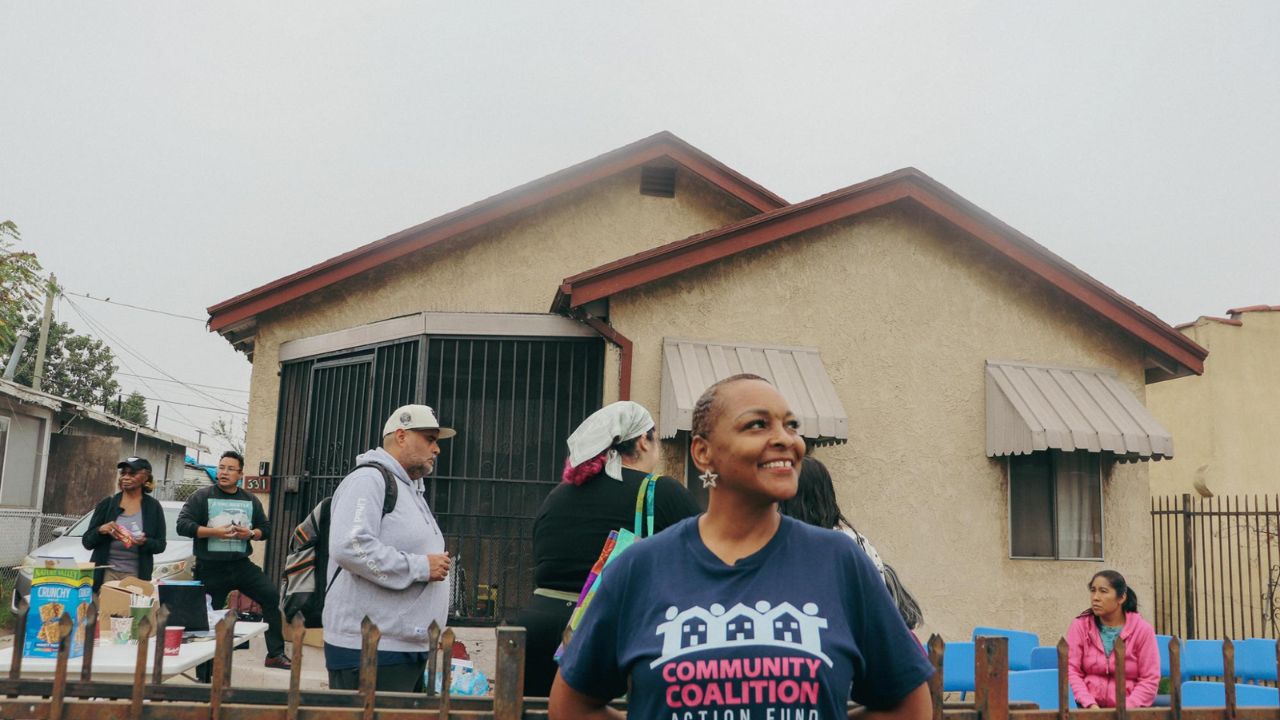
Designing for disaster readiness isn’t the responsibility of city planners alone. Residents play a vital role by reporting hazards, joining neighborhood councils, and advocating for safer infrastructure.
In Los Angeles, the Ready Your LA Neighborhood (RYLAN) program encourages locals to map out resources, identify vulnerable neighbors, and create micro-scale plans. These grassroots efforts often influence city decisions, making public streets safer through community feedback.
Education and Engagement for Long-Term Safety
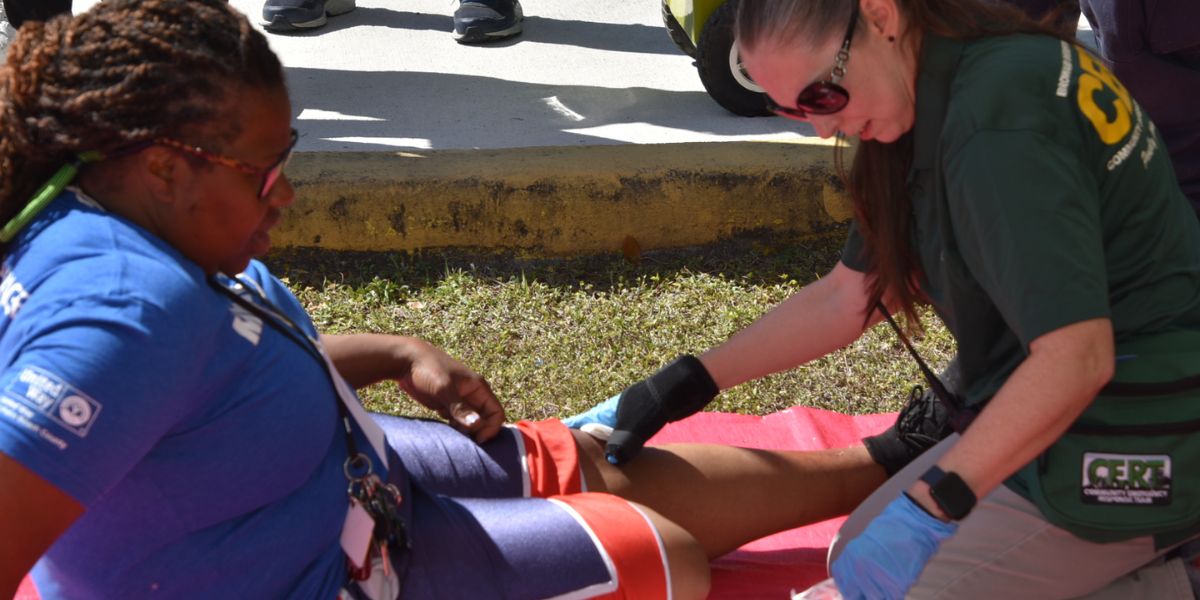
Physical design is just one part of readiness—awareness and engagement sustain it. Hosting workshops on emergency design, involving schools in mapping projects, or organizing community drills can help residents understand how street design connects to survival.
As Ethan Park, community preparedness director for Los Angeles, explains:
“When people understand how their neighborhood’s design affects disaster response, they become active participants in resilience. Preparedness grows from the ground up—literally.”
Building a Future-Ready Los Angeles
Los Angeles has already begun redesigning parts of its infrastructure to adapt to a changing climate—retrofitting bridges, expanding green spaces, and improving stormwater systems. But the future of disaster readiness lies at the neighborhood level.
By combining thoughtful design, smart materials, and community involvement, every street can become a safer, stronger foundation for the next emergency.
What do you think? How is your neighborhood preparing for disasters? Share your ideas or stories in the comments below and help inspire a more resilient Los Angeles.