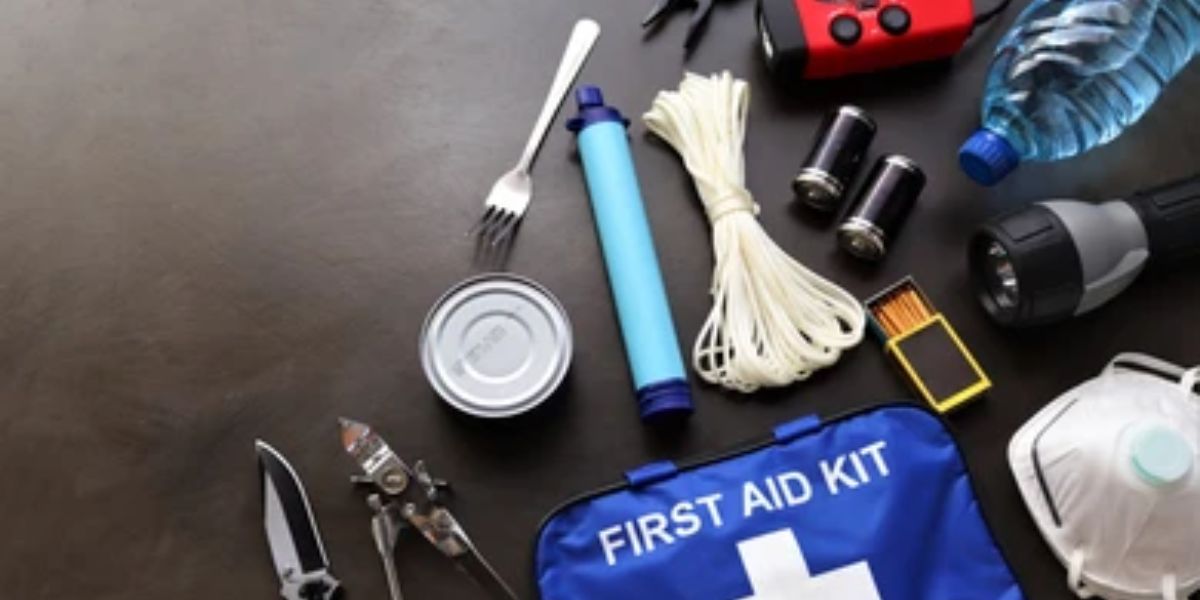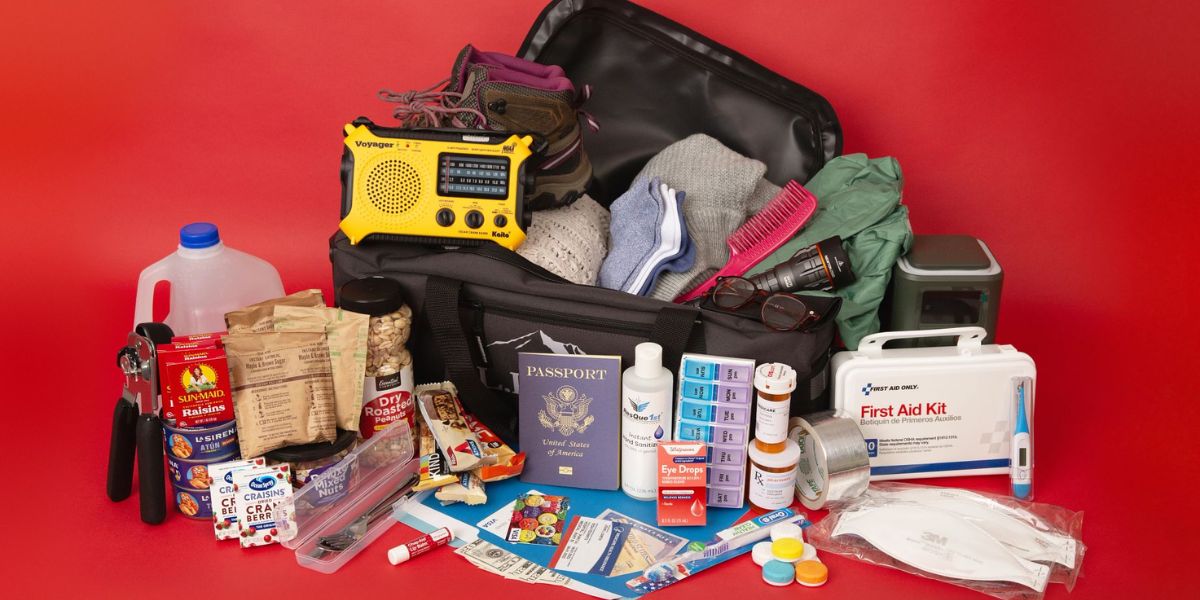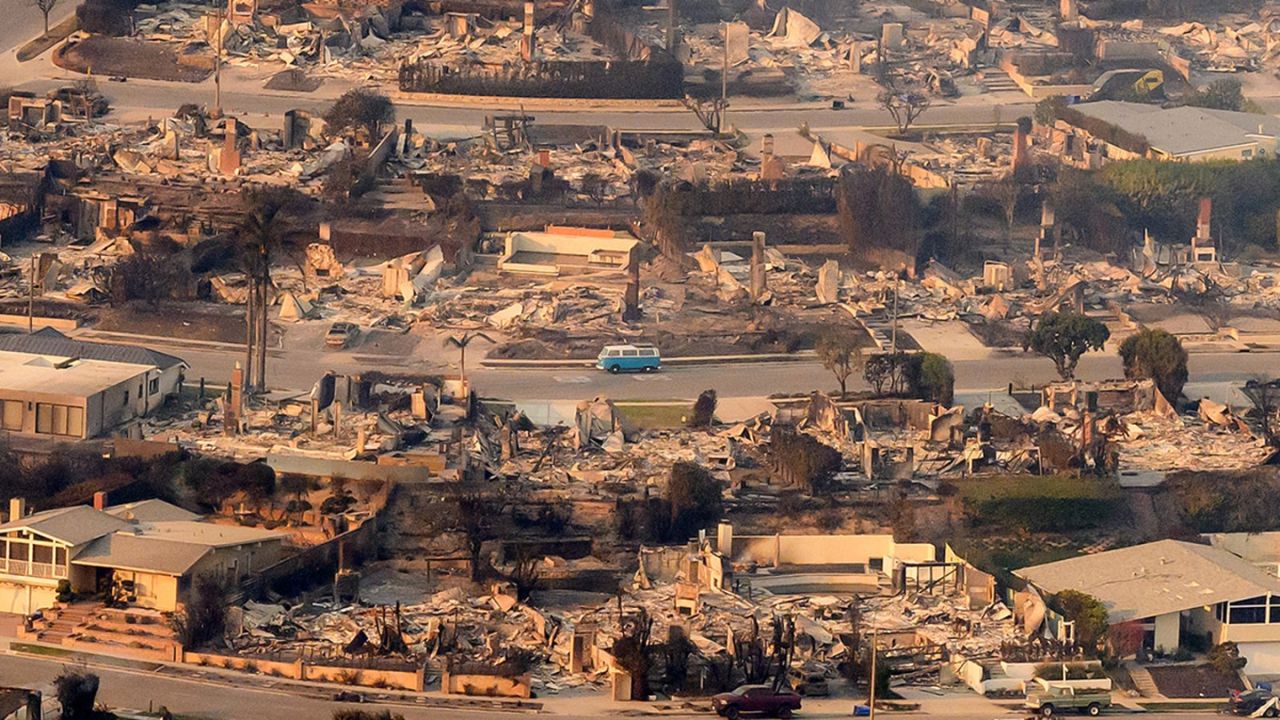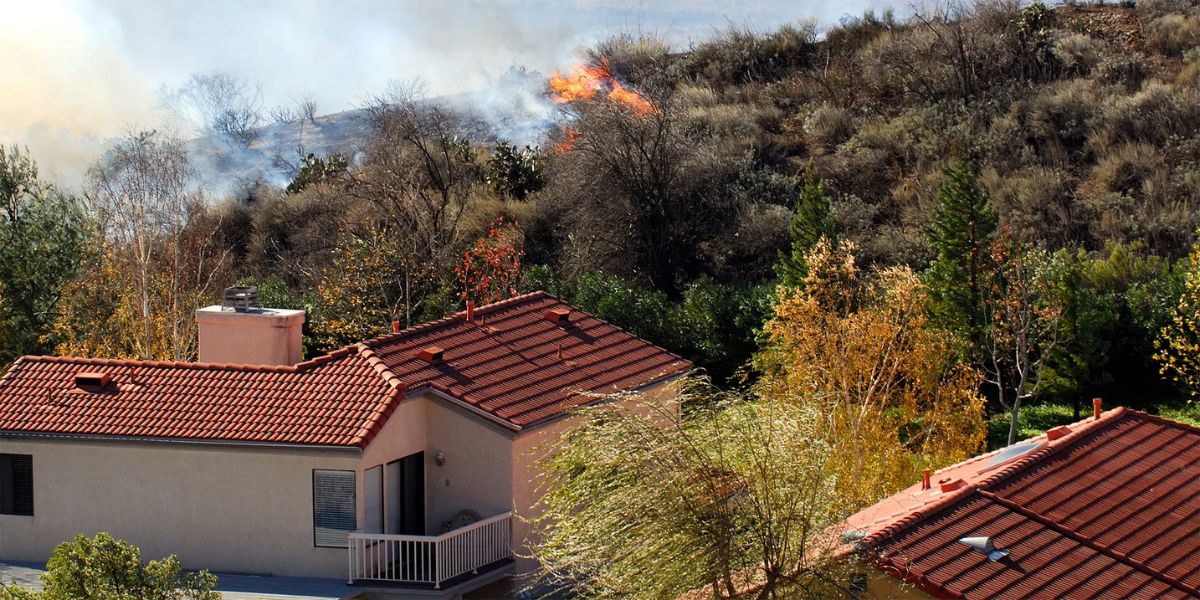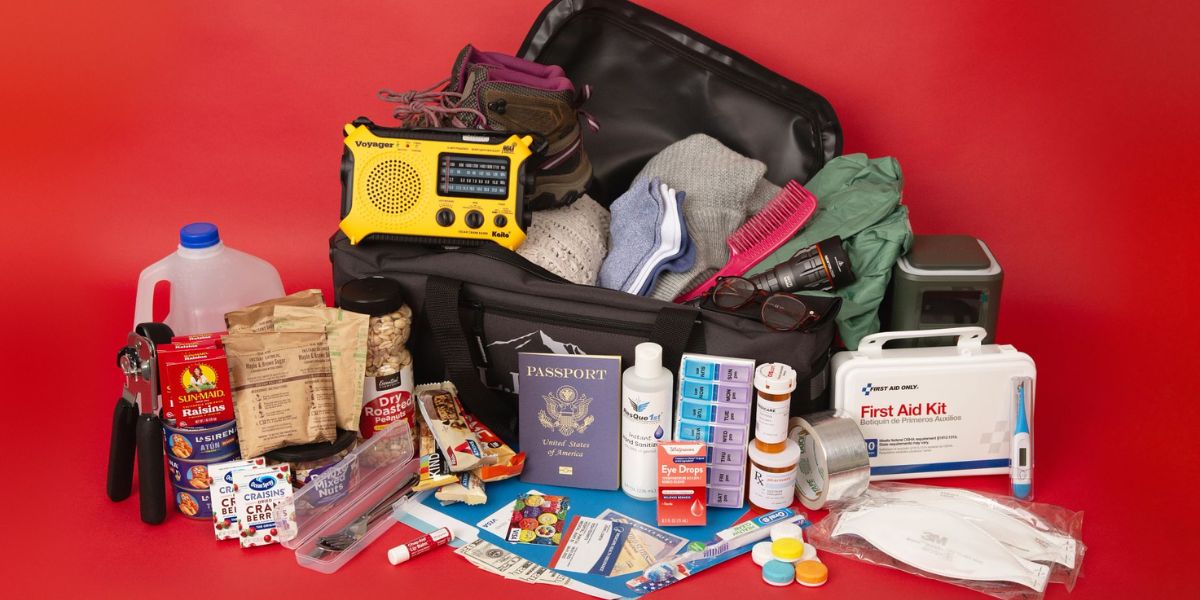
When it comes to preparing for emergencies in Los Angeles, most residents think of water, flashlights, and batteries. But real preparedness goes beyond the basics. Earthquakes, wildfires, and power outages can leave Angelenos vulnerable in unexpected ways. Having a fully equipped emergency kit means planning for comfort, communication, and survival — not just short-term needs.
Below are ten essential but often overlooked items every Los Angeles household should add to their emergency kit today.
Table of Contents
Extra Phone Chargers and Power Banks
In a city as connected as Los Angeles, staying in touch during an emergency is crucial. But when power goes out for days, your phone becomes useless without backup energy. Include solar-powered chargers and fully charged power banks in your kit. A small hand-crank or solar radio with USB output can also help keep communication lines open when outlets are unavailable.
Copies of Important Documents
If you need to evacuate quickly, you may not have time to grab your passport or insurance papers. Keep photocopies of identification, insurance policies, medical prescriptions, and property deeds sealed in a waterproof bag. Store both physical copies and digital versions on an encrypted USB drive. In a disaster, quick access to this information can save hours of stress and confusion.
Comfortable Footwear
Evacuations in LA might involve walking over broken streets, debris, or uneven ground. Toss in a pair of sturdy, comfortable shoes or boots into each family member’s go-bag. Flip-flops won’t cut it when you’re navigating post-quake conditions or wildfire evacuation zones.
Cash in Small Bills
When power and internet go down, ATMs and card systems stop working. Keep a small stash of cash — ideally $1, $5, and $10 bills — in your kit. This can be critical for purchasing gas, food, or first aid supplies when electronic payment systems are offline. Aim for at least $100 in mixed bills per household member if possible.
Masks and Goggles
Wildfire smoke, dust, and ash are common hazards in Southern California emergencies. Add N95 or KN95 masks and a set of protective goggles to your kit. These protect your lungs and eyes during evacuations or cleanup efforts, especially if air quality drops severely.
Prescription Medications and Medical Supplies
Emergency kits often include generic first aid, but few contain personal medications or special medical items. Make sure to include at least a seven-day supply of prescription drugs, extra inhalers, or insulin if needed. Store them in airtight containers, and check expiration dates every few months. Don’t forget other essentials like contact lens solution, spare glasses, or allergy medication.
Extra Pet Supplies
Los Angeles is a pet-loving city, but during an emergency, pets are often forgotten in planning. Add extra food, collapsible bowls, leashes, and identification tags for your pets. If you have cats or small animals, include travel carriers and a small amount of litter or bedding. In a crisis, shelters may not accept animals without proper containment.
Local Maps and Contact Lists
GPS might not work when networks go down. Keep paper maps of your local area — especially if you live in the foothills or near wildfire-prone zones. Include a printed list of important phone numbers, such as emergency contacts, family members, and out-of-area relatives. Many people rely on phone memory, which isn’t accessible if your device dies.
Comfort Items for Stress Relief
Emergencies can take a toll on mental health, especially for children. Add small comfort items like playing cards, coloring books, or a favorite stuffed toy. Adults might appreciate earplugs, a sleep mask, or instant coffee packets. These small additions can provide a sense of normalcy and calm in uncertain situations.
Duct Tape and Multi-Tool
Few things are more versatile in an emergency than duct tape and a reliable multi-tool. From sealing leaks and repairing gear to cutting rope or opening cans, these tools can solve dozens of unexpected problems. Keep them in an easily accessible pouch, and choose high-quality versions that can handle rugged conditions.
Final Thoughts
Los Angeles residents face unique risks — from earthquakes to wildfires to heatwaves — and being truly prepared means thinking beyond the basics. Review your kit every six months to replace expired items, update documents, and recharge electronics. The best time to prepare isn’t after an emergency — it’s now.
What do you think? Did we miss something in this list? Share your emergency kit must-haves in the comments below and help your neighbors prepare smarter at BeReadyLA.org.