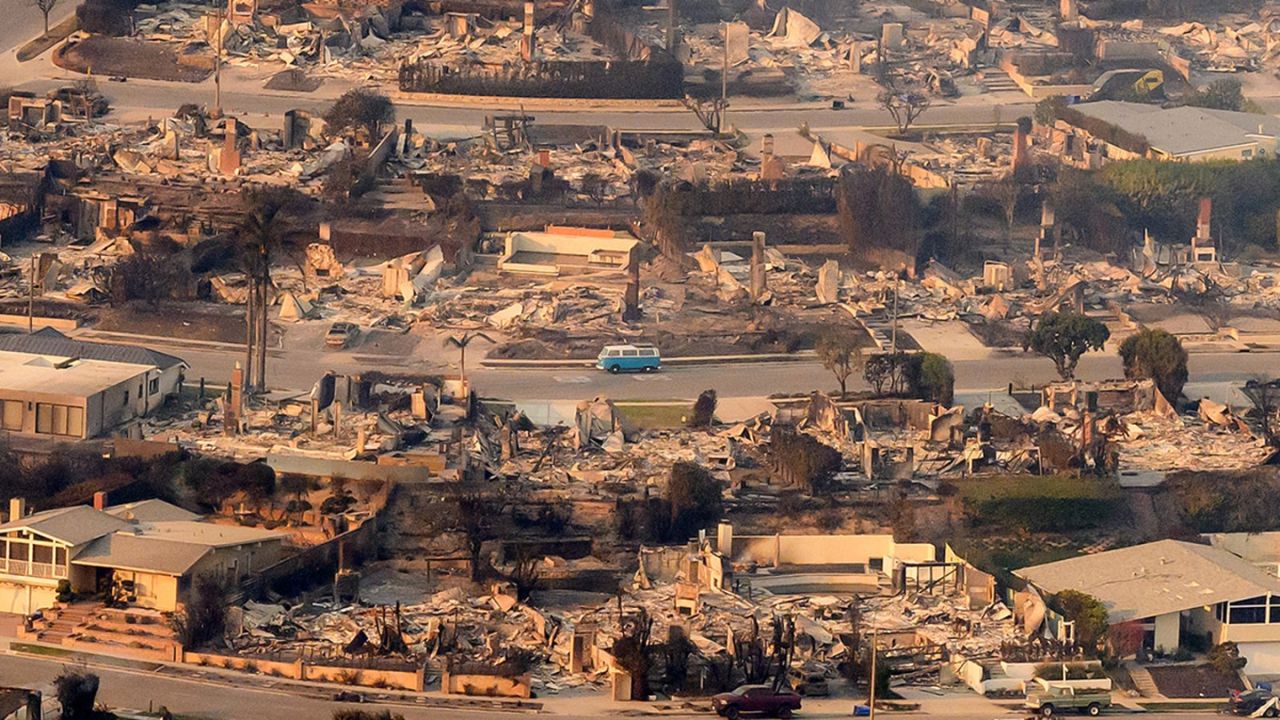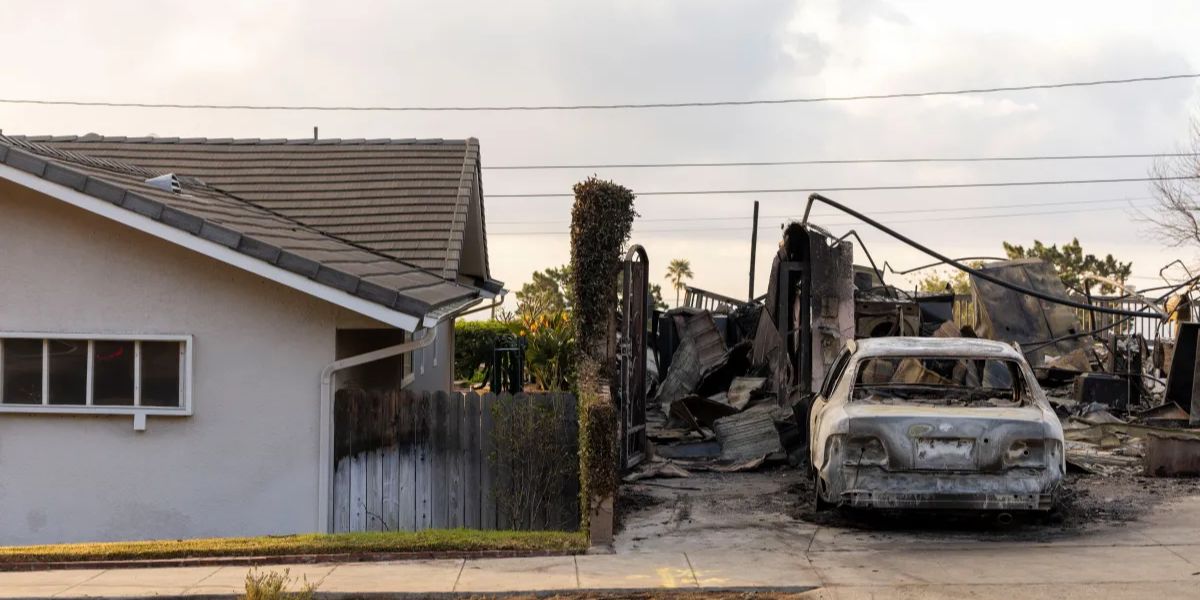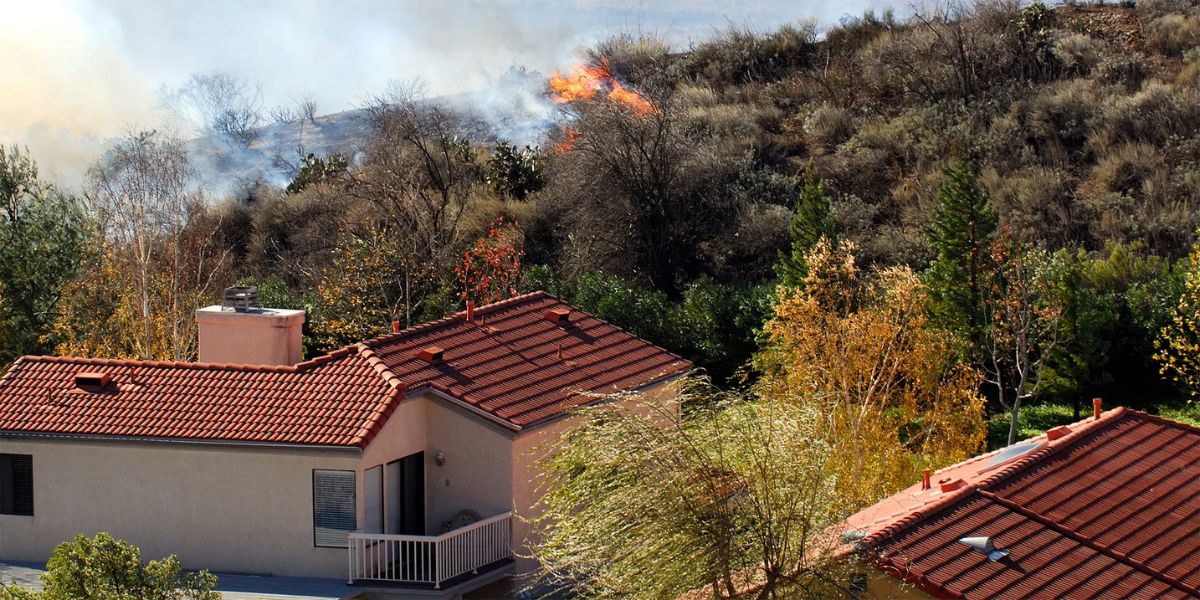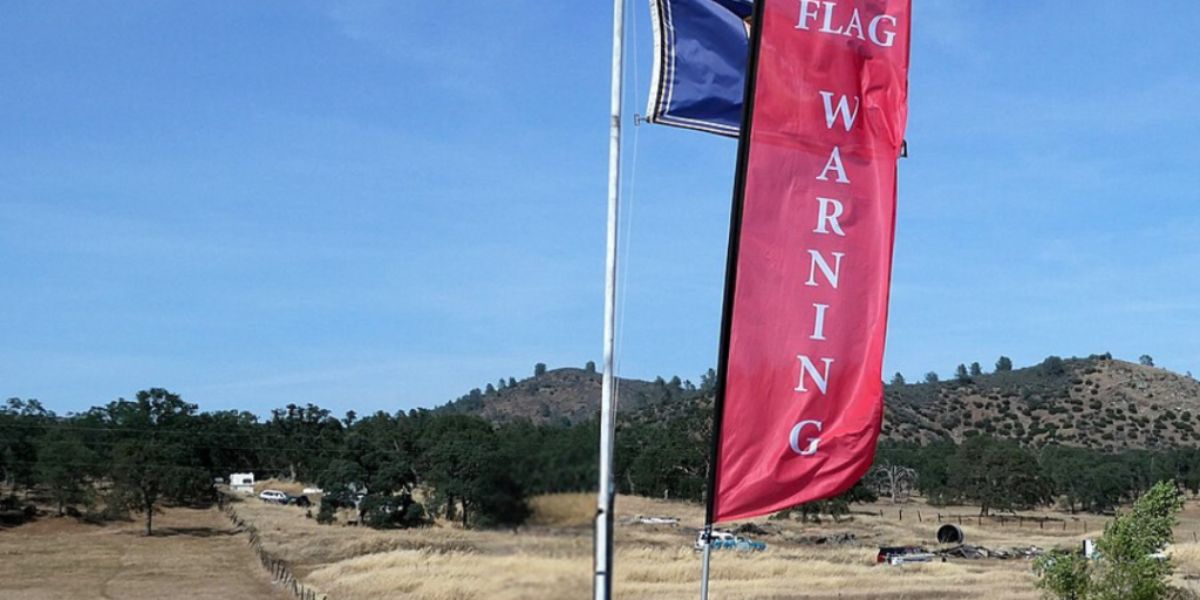
Red Flag Warnings have become an all-too-familiar alert for residents of Los Angeles’s foothill communities. These warnings signal a combination of high temperatures, low humidity, and strong winds—conditions that can cause even a small spark to turn into a dangerous wildfire within minutes. For residents living near the Santa Monica Mountains, the San Gabriel foothills, or hillside neighborhoods like Topanga, La Cañada Flintridge, and Altadena, preparation is essential to staying safe.
Understanding What a Red Flag Warning Means
A Red Flag Warning is issued by the National Weather Service when critical fire weather conditions are either occurring or expected soon. In Los Angeles, these warnings are often driven by Santa Ana winds, which can gust above 50 mph and rapidly spread embers over long distances.
Table of Contents
When a Red Flag Warning is active, local fire departments often restrict certain activities—like outdoor burning, using power tools in dry vegetation areas, or parking on narrow roads that must remain open for fire engines. Understanding these restrictions isn’t just about compliance; it’s about protecting your community.
Create Defensible Space Around Your Property
Homeowners in the foothills should maintain defensible space—a buffer zone between your home and flammable vegetation. The Los Angeles Fire Department recommends at least 100 feet of clearance from dry grass, brush, and trees.
Here’s how to build that buffer effectively:
- Trim tree branches at least 10 feet from roofs and chimneys.
- Remove leaves, pine needles, and debris from gutters and decks.
- Replace wood chips or bark mulch near your home with gravel or other non-combustible materials.
- Store firewood, propane tanks, and flammable items at least 30 feet from any structure.
These small changes can make a major difference when embers are blowing through dry hillsides.
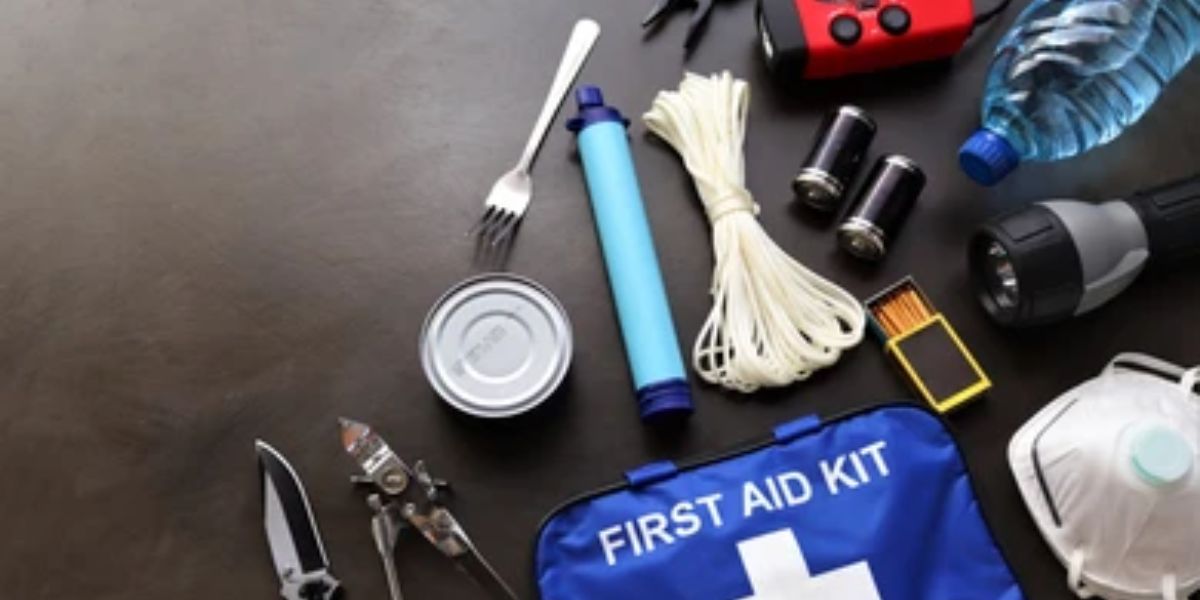
Assemble an Emergency Supply Kit
A Red Flag Warning can escalate to an evacuation order with little notice. That’s why having a ready-to-go emergency kit is crucial.
Your kit should include:
- Water and non-perishable food for at least three days.
- N95 masks to protect against smoke inhalation.
- Battery-powered radio for updates if power or internet goes down.
- First aid supplies, medications, and essential documents.
- Extra phone chargers, flashlights, and spare batteries.
Keep this kit by your front door or in your car trunk so you can leave immediately if an evacuation is announced.
Plan Multiple Evacuation Routes
In the LA foothills, narrow and winding roads can quickly become clogged during wildfire evacuations. Identify at least two or three routes out of your neighborhood, and practice them with your family.
You can use the Ready, Set, Go! Program from the Los Angeles Fire Department as a reference to plan ahead. Make sure everyone in your household knows:
- The primary and alternate routes to safety.
- A meeting point outside the evacuation zone.
- How to contact one another if separated.
If you live in areas like Glendale, Pasadena, or Malibu, where canyons and steep terrain limit exit points, talk to neighbors about creating a shared plan.
Stay Informed Before and During a Red Flag Warning
Awareness is your strongest defense. Sign up for official alerts like NotifyLA, ReadyLA Alerts, or Alert SouthBay depending on your region. These systems send real-time text messages or calls about changing weather and evacuation notices.
You can also monitor:
- National Weather Service (Los Angeles/Oxnard) for Red Flag updates.
- @LAFD and @CAL_FIRE on social media for verified alerts.
- AM 1070 or KNX News 97.1 FM for emergency broadcasts.
Avoid relying solely on unverified social media posts—official channels provide the most accurate, timely information.
Protect Your Home’s Interior and Air Quality
During Red Flag events, smoke and ash can drift miles from the actual fire zone. To safeguard your indoor air quality:
- Close all windows, doors, and vents.
- Run an air purifier with a HEPA filter if available.
- Set your air conditioner to recirculate instead of pulling air from outside.
- Use a towel or damp cloth to seal gaps under doors if smoke begins entering your home.
These steps can make your home safer, especially for children, seniors, and individuals with asthma or respiratory issues.
Support Community Preparedness
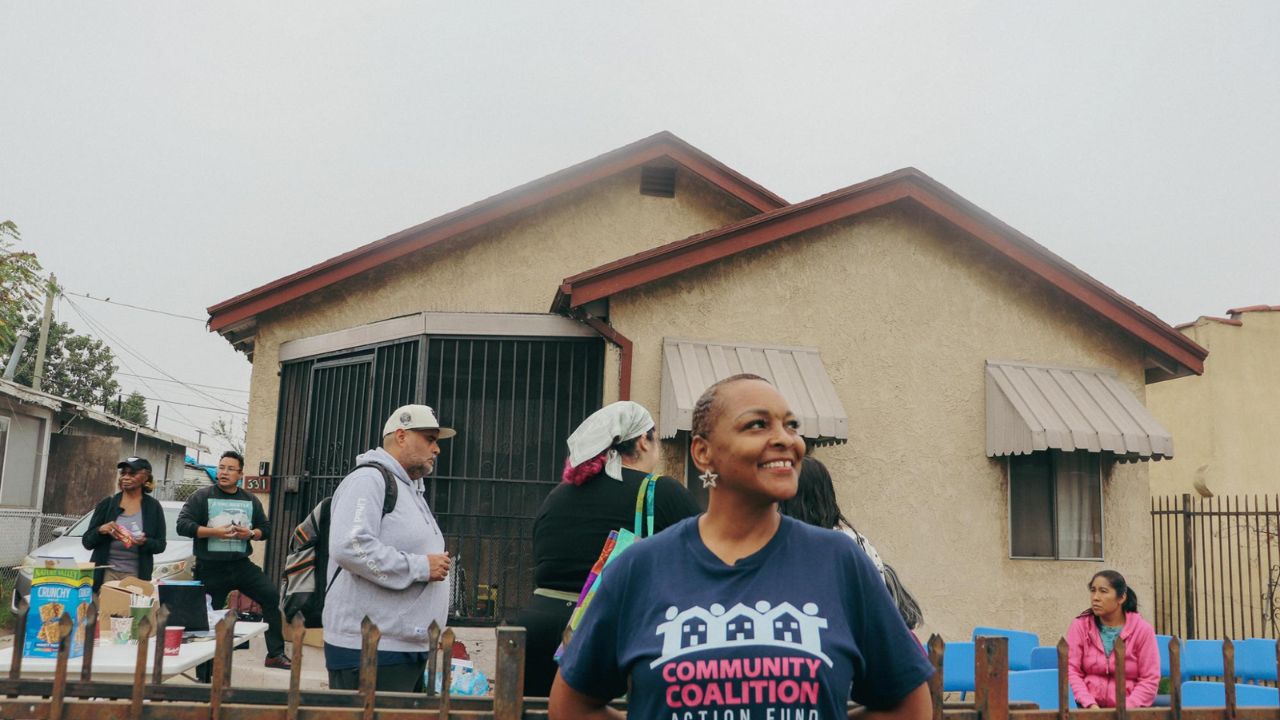
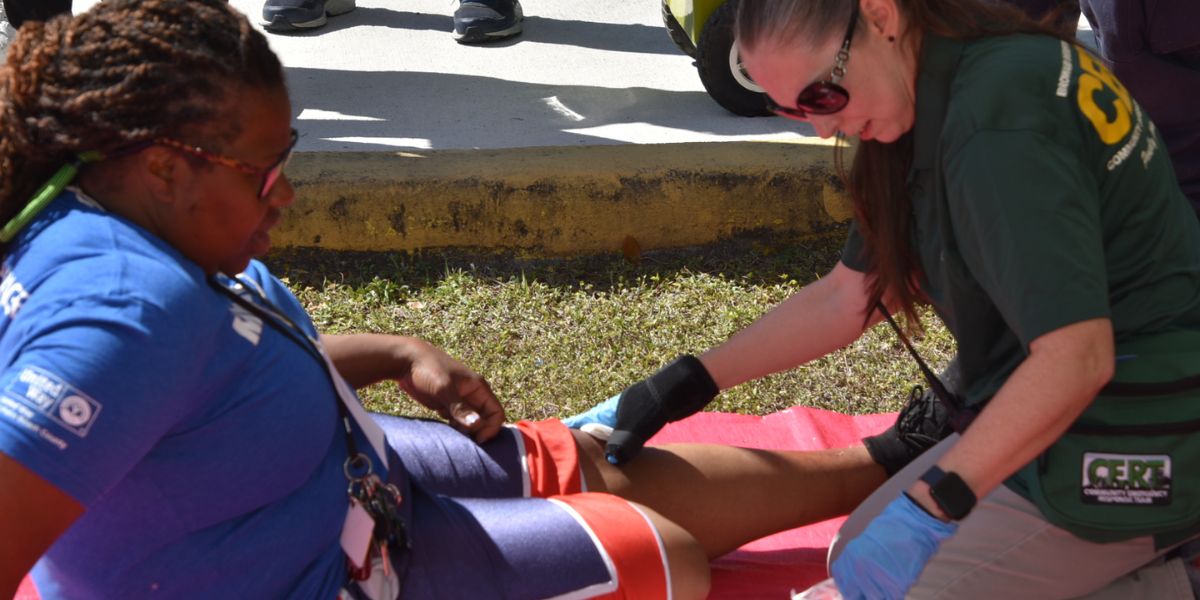
Red Flag Warnings don’t just affect individual homes—they threaten entire neighborhoods. Get involved with your local Neighborhood Council or Community Emergency Response Team (CERT) program. These organizations often hold free workshops on evacuation readiness, defensible-space maintenance, and communication drills.
Building community resilience ensures that neighbors can check on one another, share evacuation updates, and coordinate when official help is delayed. In hillside regions like Brentwood and Mt. Washington, neighborhood coordination has saved lives during past fire events.
Review and Update Your Plan Regularly
Wildfire conditions change year to year, and so do your home and family needs. Review your emergency plan every six months, update contact numbers, and replace expired items in your emergency kit. Conduct small drills during Red Flag Warnings so everyone knows what to do without panic.
Preparedness isn’t a one-time task—it’s an ongoing habit that protects your family, neighbors, and the LA foothill communities we all call home.
Call to Action
Wildfires can’t always be prevented, but preparation saves lives. Take time this week to walk your property, review your evacuation routes, and talk to your neighbors about Red Flag safety. Visit BeReadyLA.org for local resources, evacuation guides, and community preparedness programs designed for Los Angeles residents.