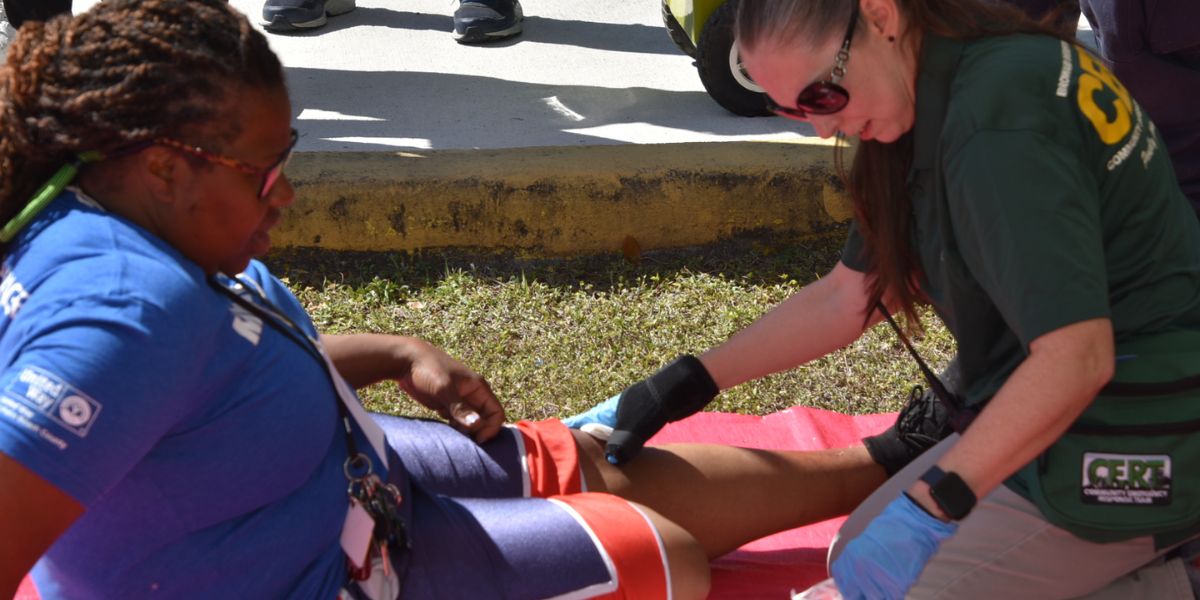
In a city as dynamic and disaster-prone as Los Angeles, community resilience depends not only on professional responders but also on ordinary residents who step up during emergencies. The Community Emergency Response Team (CERT) program plays a crucial role in that effort, training volunteers across LA to prepare, assist, and respond when disaster strikes.
What Is the CERT Program?
The Community Emergency Response Team (CERT) program was developed by the Los Angeles Fire Department (LAFD) in 1985 after recognizing that during large-scale emergencies, first responders might not immediately reach every neighborhood. The program equips everyday people with basic emergency skills to bridge that gap until professional help arrives.
Table of Contents
Since its launch, CERT has expanded nationwide, but Los Angeles remains one of the largest and most active programs in the country. Volunteers are trained in fire suppression, search and rescue, medical triage, and disaster psychology, among other life-saving techniques.
The Role of CERT Volunteers During Disasters
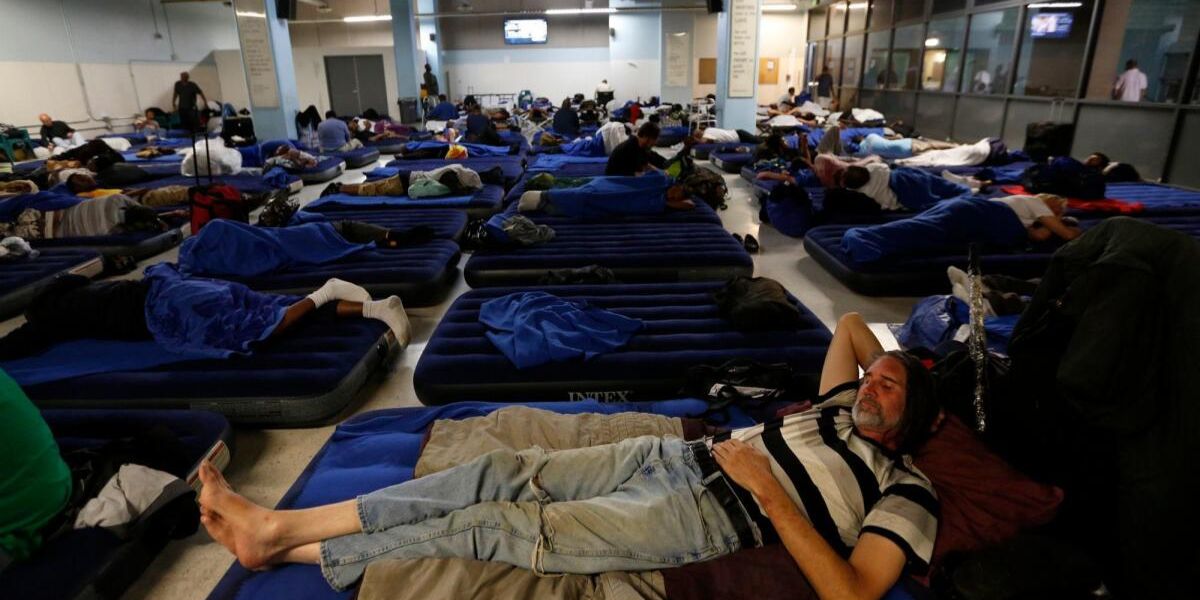
When earthquakes, wildfires, or other emergencies strike LA, CERT volunteers are often among the first to act. They help stabilize their neighborhoods by performing critical tasks such as:
- Conducting light search and rescue in damaged areas.
- Providing basic first aid until paramedics arrive.
- Setting up neighborhood command posts to organize response efforts.
- Helping communicate information between residents and local authorities.
By doing this, CERT members reduce the burden on emergency services and help ensure that neighborhoods recover faster and more efficiently.
Building Trust and Preparedness in Local Communities
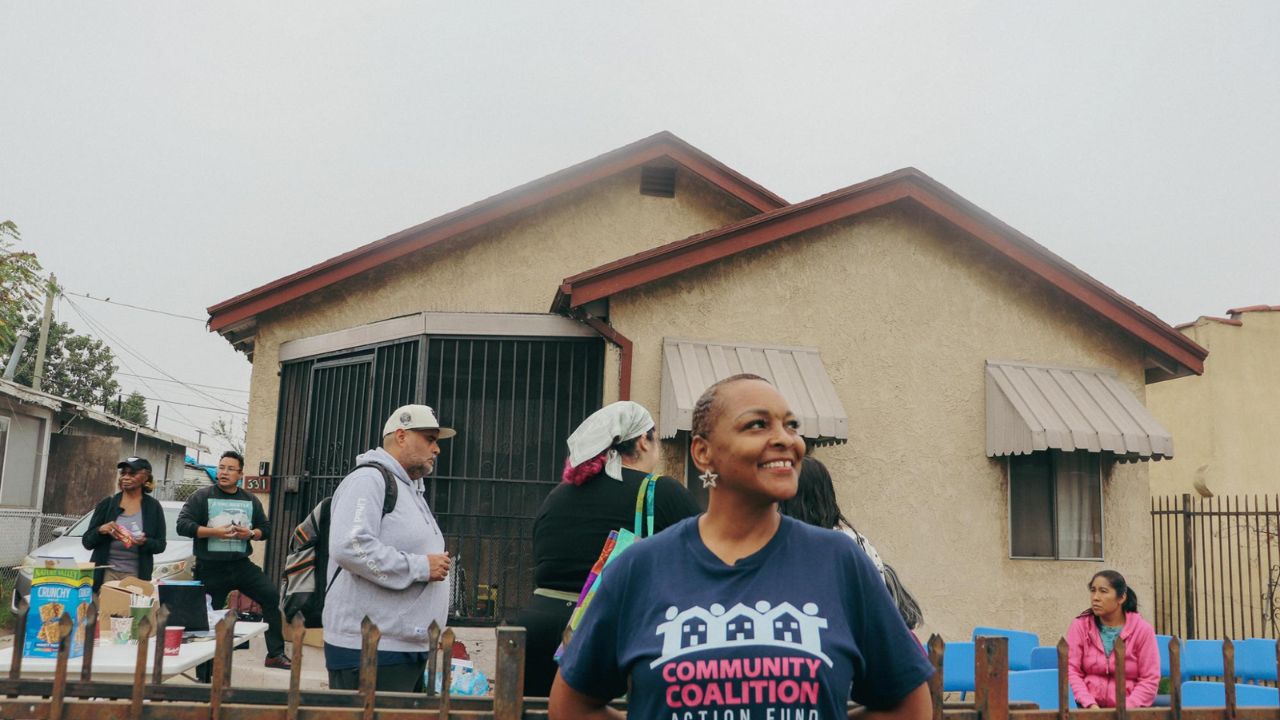
CERT isn’t just about response—it’s about building relationships and trust before disasters happen. Volunteers organize neighborhood meetings, lead preparedness workshops, and teach residents how to create emergency kits and evacuation plans.
These small, proactive actions make a significant difference. When people know their neighbors and understand what to do, communities recover faster and suffer fewer casualties. In diverse cities like Los Angeles, CERT teams also bridge language and cultural gaps, ensuring information reaches everyone—whether they live in the San Fernando Valley, South LA, or the foothills near Pasadena.
How CERT Supports Wildfire and Earthquake Preparedness
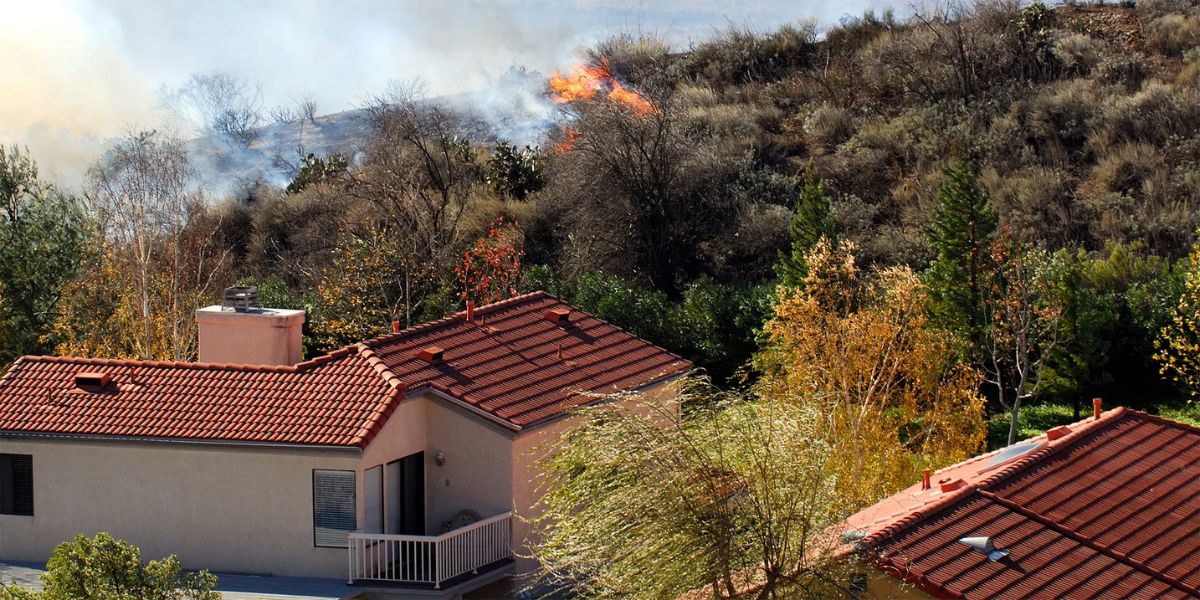
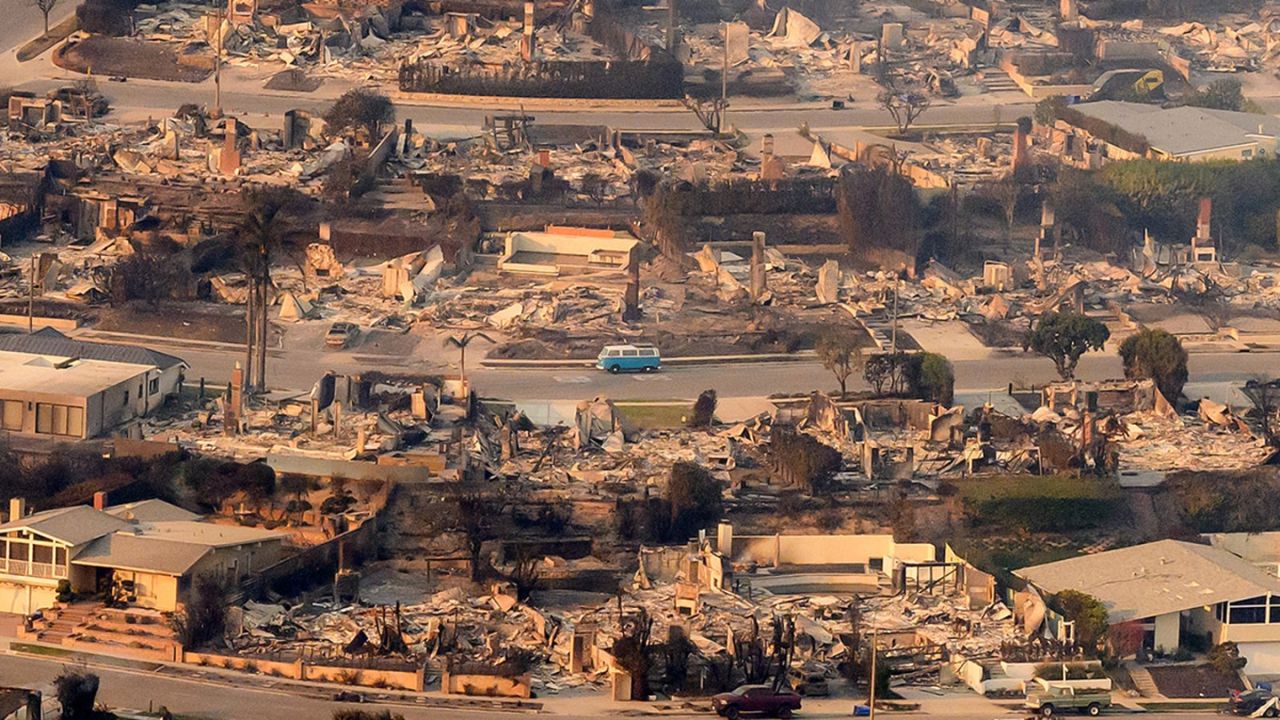
Los Angeles faces recurring threats such as wildfires and earthquakes, and CERT volunteers play a key role in helping residents prepare.
- During wildfire season, they assist in public education campaigns about home hardening, evacuation zones, and defensible space.
- In earthquake drills like the Great California ShakeOut, CERT teams help simulate rescue scenarios and evaluate emergency plans.
These hands-on experiences create a culture of readiness, where residents know how to respond effectively rather than panic.
Training and Certification: How to Become a CERT Volunteer
Joining the CERT program in Los Angeles is open to anyone over 18. The LAFD offers free training courses throughout the year that usually span 17.5 hours over multiple sessions.
Participants learn skills in:
- Fire safety and utility control
- Medical operations
- Light search and rescue
- Team organization and disaster psychology
After completing the program, volunteers receive certification and are eligible to join neighborhood teams. Many continue their involvement by helping train others or participating in citywide emergency drills.
“CERT empowers communities to take action rather than wait for help,” says a local CERT instructor with the LAFD. “It turns fear into preparedness and neighbors into first responders.”
Strengthening Social Bonds Through Service
Beyond disaster readiness, CERT fosters strong social networks that extend well beyond emergencies. Many volunteers report lasting friendships, a greater sense of belonging, and deeper connections with their neighborhoods.
CERT also partners with local organizations, schools, and churches to expand outreach efforts. These collaborations help reach vulnerable populations such as seniors, people with disabilities, and non-English speakers—groups that are often most affected by disasters.
The Future of CERT in Los Angeles
As climate change intensifies wildfires and extreme weather events, CERT’s importance will only grow. The City of Los Angeles continues to invest in expanding volunteer training and digital coordination tools, ensuring every neighborhood has access to trained responders.
Modern CERT teams now use apps and radio systems to stay connected, share updates, and coordinate efficiently during emergencies. With technology, community knowledge, and human compassion working together, LA is setting an example of what true resilience looks like.
Why It Matters
Los Angeles may be a sprawling metropolis, but CERT proves that community strength begins at the local level. Every trained volunteer adds another layer of safety and security to their block, their family, and their city.
Disasters will always be unpredictable—but prepared communities can save lives, protect homes, and recover faster.
What do you think? Have you ever attended a CERT training or seen volunteers in action in your area? Share your thoughts and experiences in the comments below to help inspire others to get involved.