Los Angeles, a sprawling metropolis known for its vibrant culture and diverse population, faces a unique set of challenges when it comes to community safety and crisis management. Whether it’s responding to natural disasters, health emergencies, or social unrest, a well-coordinated community response team is vital for ensuring the safety and well-being of its residents. In this article, we’ll explore the steps to building a stronger, more efficient community response team in Los Angeles.
Understanding the Importance of a Community Response Team
A Community Response Team (CRT) plays a pivotal role in addressing urgent situations by coordinating resources, providing immediate assistance, and facilitating communication. A strong CRT ensures that when crises arise, there is a collective effort to respond effectively and minimize the impact on the community.
Table of Contents
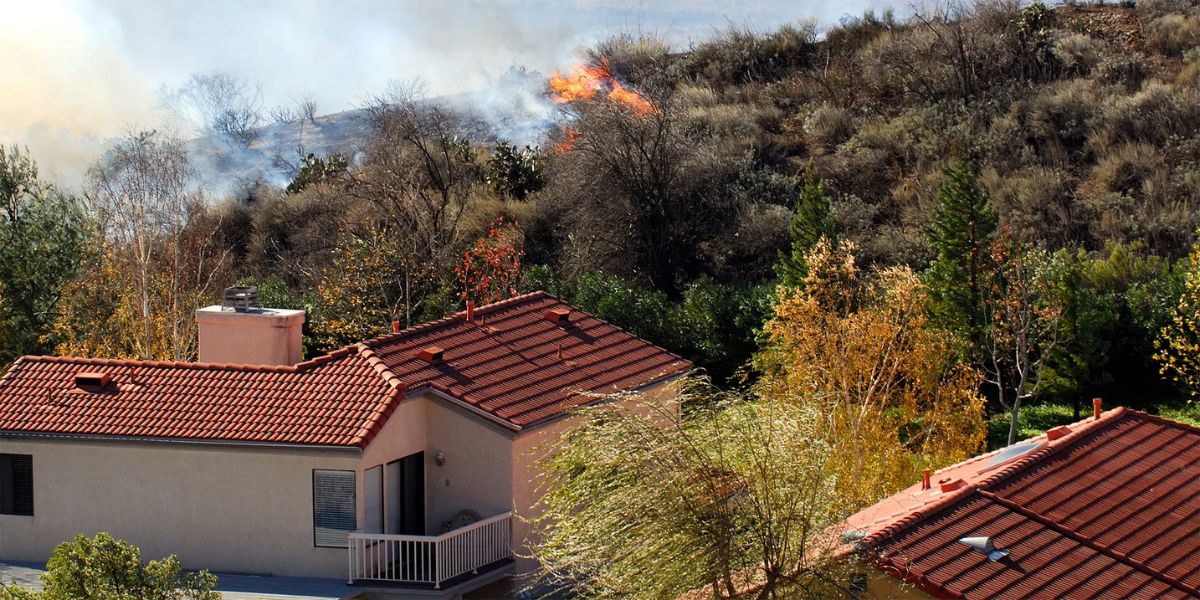
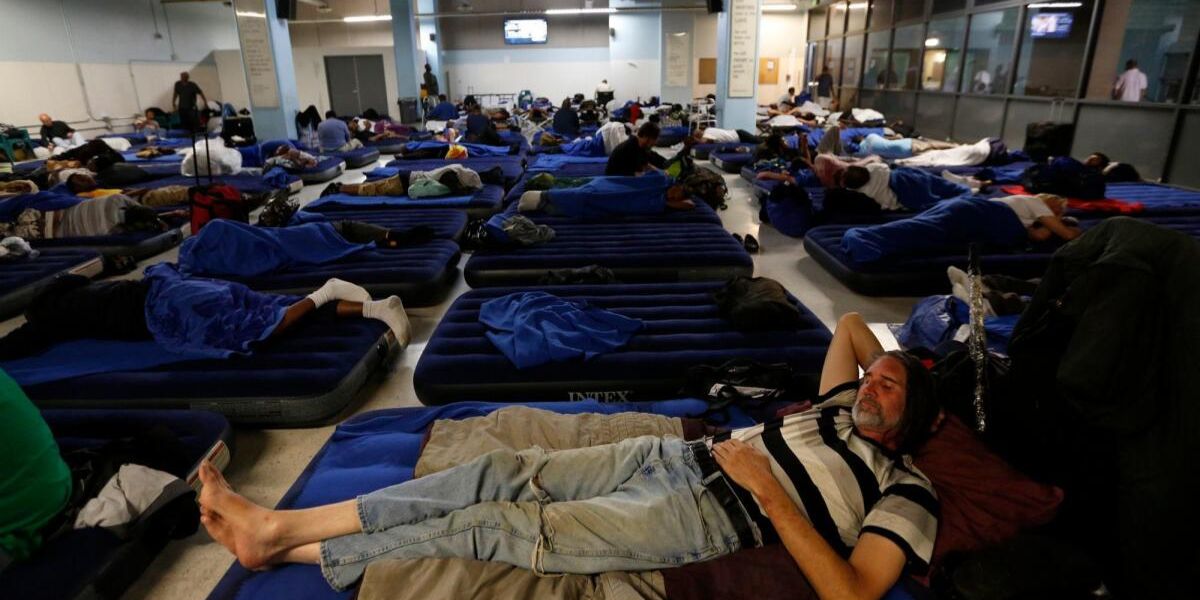
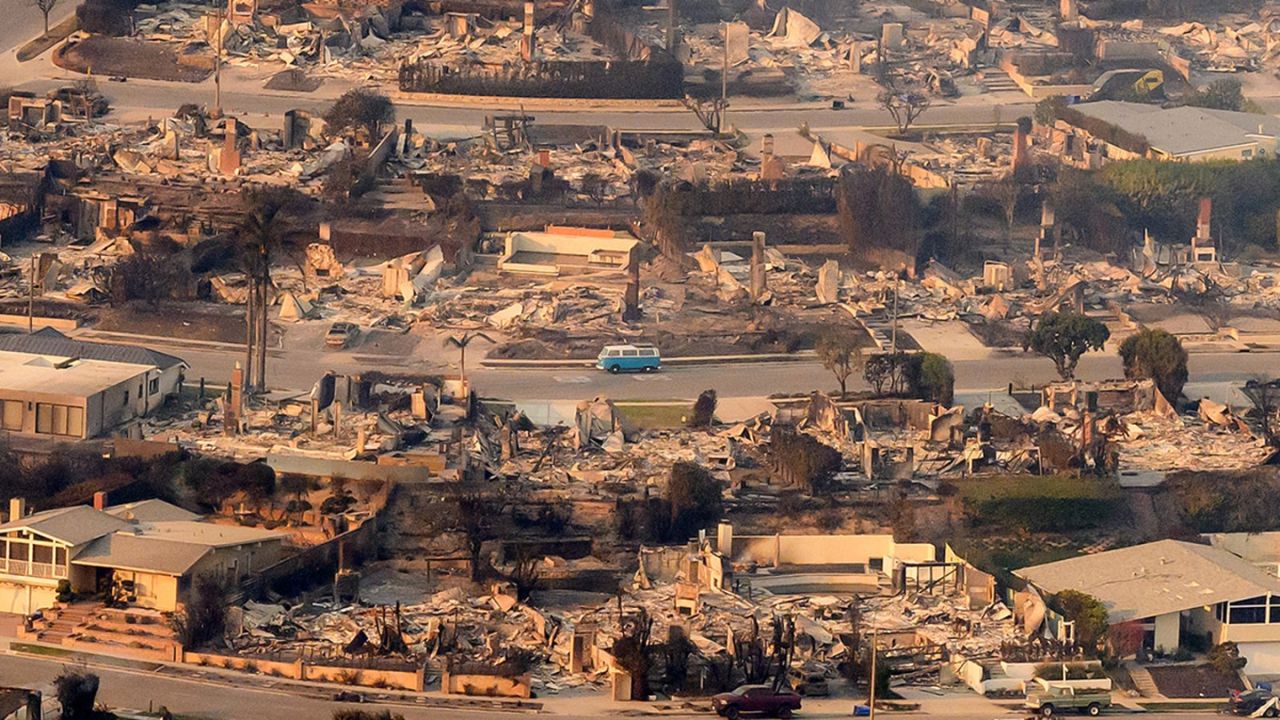
In Los Angeles, the scale and complexity of emergencies—from earthquakes to wildfires—necessitate a robust response system. A well-organized CRT can provide relief in the aftermath of these disasters, assist vulnerable populations, and help maintain order during emergencies.
Key Components of a Strong Community Response Team
Building a successful CRT requires more than just a group of volunteers or first responders. It demands careful planning, diverse skill sets, and ongoing training. Here are the essential components of a strong team:
1. Diverse and Inclusive Team Composition
One of the most crucial elements of a successful CRT is diversity. A team made up of individuals from different backgrounds, experiences, and skill sets can address a variety of challenges more effectively. In Los Angeles, where many different communities coexist, it’s vital that the CRT reflects this diversity. Team members should represent various neighborhoods, languages, and cultures to ensure inclusivity and a broader reach.
2. Comprehensive Training Programs
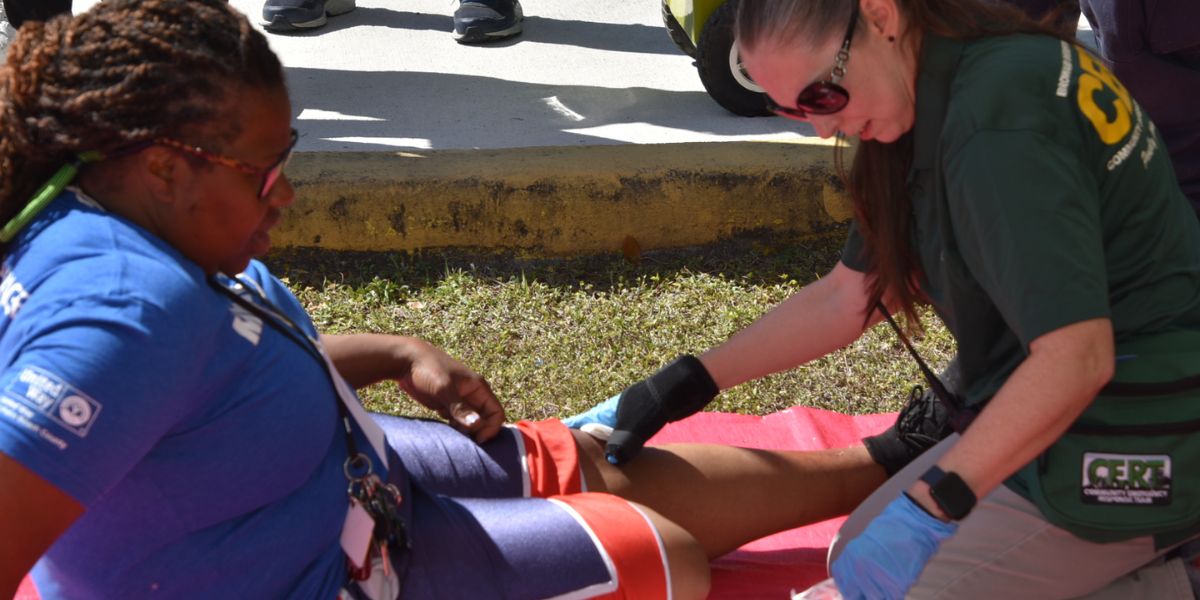
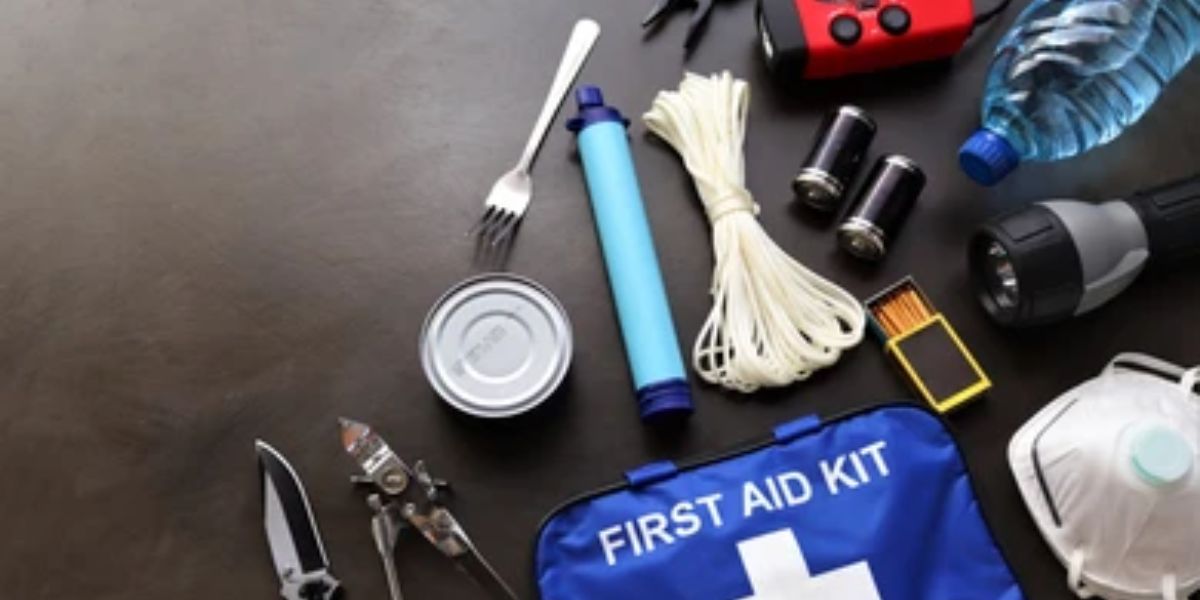
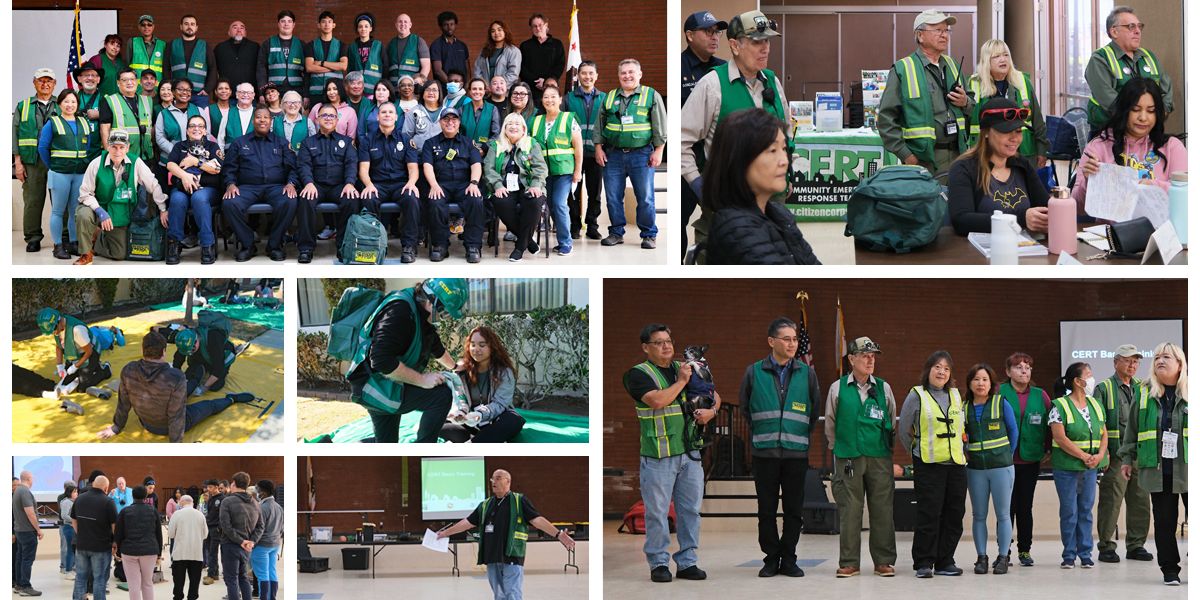
The effectiveness of a CRT is directly linked to the training of its members. It’s not enough to have a group of people who are passionate about helping—the team needs to be well-versed in various emergency protocols. Training should cover everything from first aid and CPR to crisis communication and managing large-scale evacuations.
Additionally, training should emphasize the importance of psychological first aid, as mental health is often overlooked during emergencies. Given the high-stress nature of crises, team members must be equipped to offer emotional support alongside physical aid.
3. Strong Communication Channels
Effective communication is critical in any emergency. A CRT must have clear, reliable communication channels that can be used to share real-time information, coordinate resources, and keep the public informed. This includes having a communication plan that incorporates technology—such as two-way radios, social media platforms, and emergency alert systems—to reach different sectors of the community.
In Los Angeles, where there is a wide range of communication preferences, it’s essential to use multiple methods to ensure that no one is left out of the loop. Multilingual communication is especially important, given the city’s diverse population.
4. Collaboration with Local Authorities and Agencies
For a community response team to be truly effective, it must work closely with local authorities, emergency services, and other organizations. This collaboration helps streamline the response efforts and ensure that the community’s needs are met as quickly as possible.
In Los Angeles, building strong relationships with organizations such as the Los Angeles Fire Department (LAFD), the Los Angeles Police Department (LAPD), and the American Red Cross can provide the CRT with additional resources, expertise, and coordination. Regular meetings and joint training sessions with these entities can ensure a seamless response during actual emergencies.
Engaging the Community and Building Trust
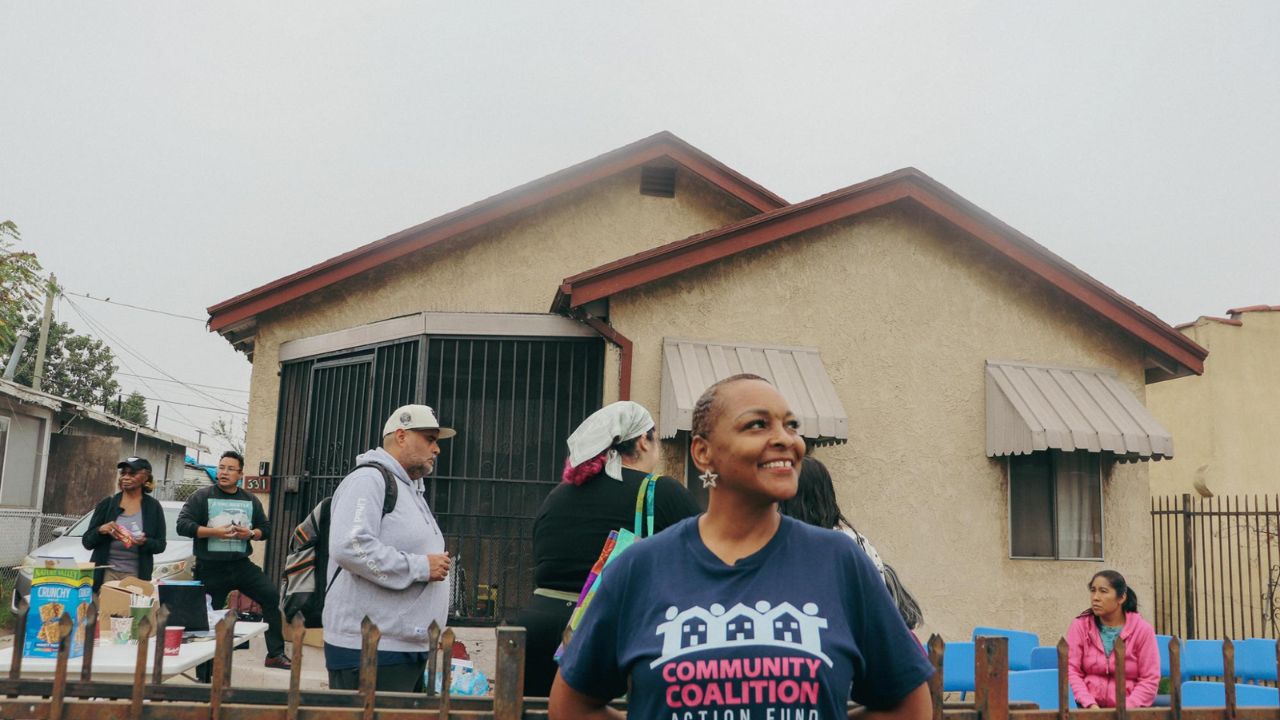
A CRT cannot function effectively without the support of the community it serves. Therefore, it’s important to actively engage local residents, businesses, and community organizations in building the team. Here are some ways to foster community involvement:
1. Public Awareness Campaigns
Raising awareness about the role of the CRT and its importance is essential for gaining community buy-in. Hosting information sessions, workshops, and events can help educate the public about how they can contribute to the team’s efforts—whether it’s volunteering, donating resources, or simply being prepared.
2. Community-Based Drills and Simulations
Regular drills and simulation exercises allow the CRT to practice its skills while also involving the community. These events not only prepare the team but also help residents understand how to react during an emergency. For instance, organizing earthquake preparedness drills or wildfire evacuation simulations can boost confidence and ensure that the entire community is on the same page.
3. Recognizing Volunteers and Community Leaders
Building trust within the community requires showing appreciation for those who contribute. Recognizing volunteers and community leaders for their efforts can inspire others to get involved and demonstrate that their participation makes a difference.
Strengthening the Team with Technology and Innovation
Technology can significantly enhance the capabilities of a CRT. Tools such as mobile apps, mapping software, and emergency management platforms can streamline operations and ensure that resources are allocated efficiently.
For instance, Los Angeles has seen the emergence of platforms like Alert LA County, which provides real-time information about emergencies and allows residents to sign up for notifications. Integrating such tools into the CRT can improve coordination and ensure timely responses during disasters.
Call to Action
Building a stronger community response team in Los Angeles is a collective effort that requires commitment from residents, local organizations, and government agencies. By fostering diversity, providing comprehensive training, enhancing communication, and engaging with the community, we can ensure that Los Angeles is prepared for any emergency that may arise.
If you’re passionate about helping your community and want to learn more about how you can get involved with Los Angeles’ Community Response Team, visit BeReadyLA.org today and start making a difference!