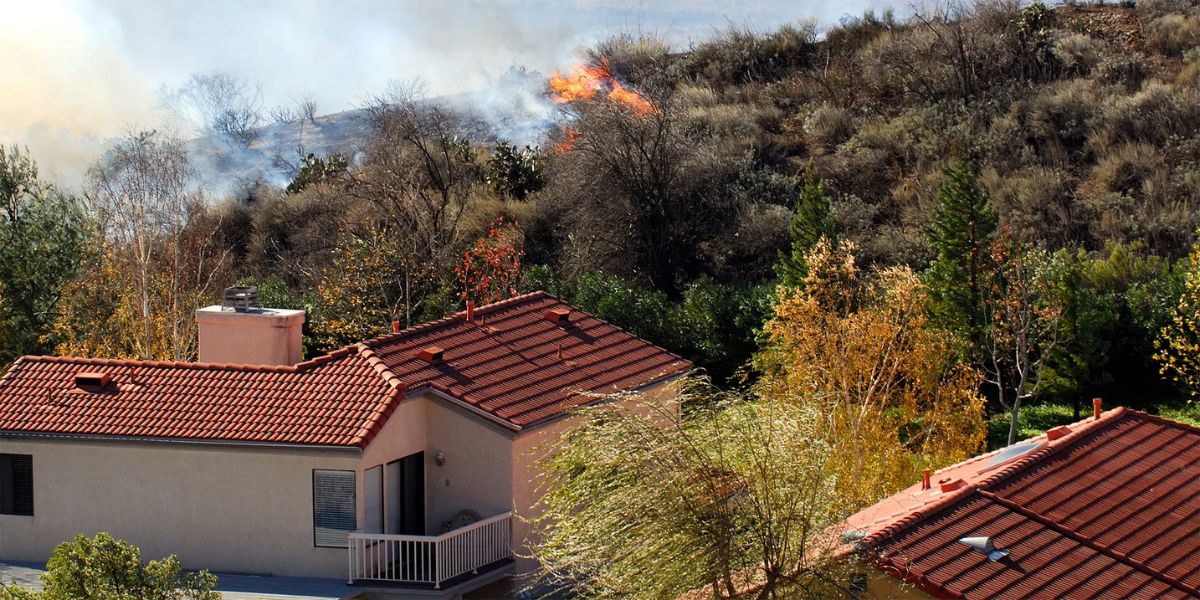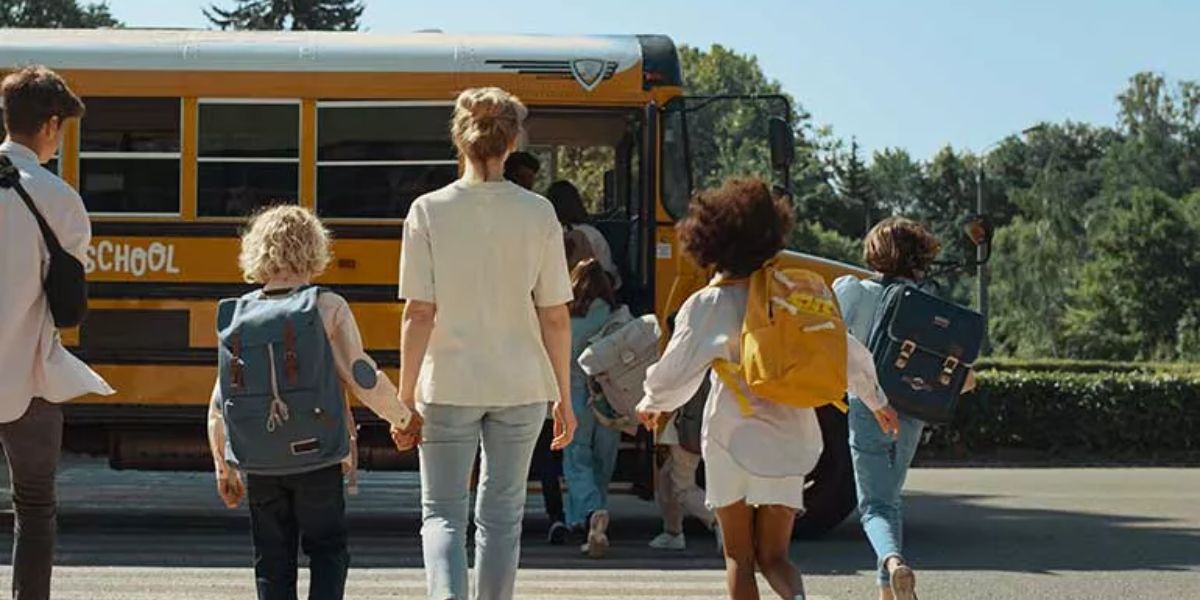
Emergencies can happen at any time, and schools are not exempt from crises like earthquakes, wildfires, or lockdown situations. For Los Angeles parents, preparing children for these possibilities isn’t about creating fear—it’s about building confidence and awareness. This checklist helps families take proactive steps to ensure kids know what to do and how to stay safe when an emergency strikes at school.
Understanding School Emergency Plans
Every Los Angeles Unified School District (LAUSD) campus follows specific emergency procedures for events such as earthquakes, fires, or severe weather. As a parent, it’s important to familiarize yourself with your child’s school’s plan.
Table of Contents
Ask the school for:
- A copy of their emergency response plan.
- Details on evacuation routes and reunification points.
- The communication system used to alert parents (texts, emails, or robocalls).
Knowing these details helps you respond quickly and stay informed during emergencies.
Teach Kids About Different Emergencies
Children often take cues from adults, so approach safety discussions calmly and clearly. Talk through various scenarios—earthquakes, fire drills, or lockdowns—so they understand what to expect.
Make it interactive:
- Role-play situations like an earthquake (“Drop, Cover, and Hold On”) or an evacuation.
- Teach older kids how to identify safe exits and meeting spots.
- Reinforce that teachers and staff are trained to help, and following their instructions is key.
Encourage questions and make sure your child feels comfortable talking about their concerns.
Create a Personal Emergency Card
Even in organized school systems, emergencies can cause confusion. Equip your child with a personal emergency card stored in their backpack or wallet. It should include:
- Full name, age, and grade.
- Parent or guardian contact numbers.
- A local emergency contact (someone nearby who can reach the school faster).
- Any medical information such as allergies, medications, or conditions.
Keep this card updated at least twice a year.
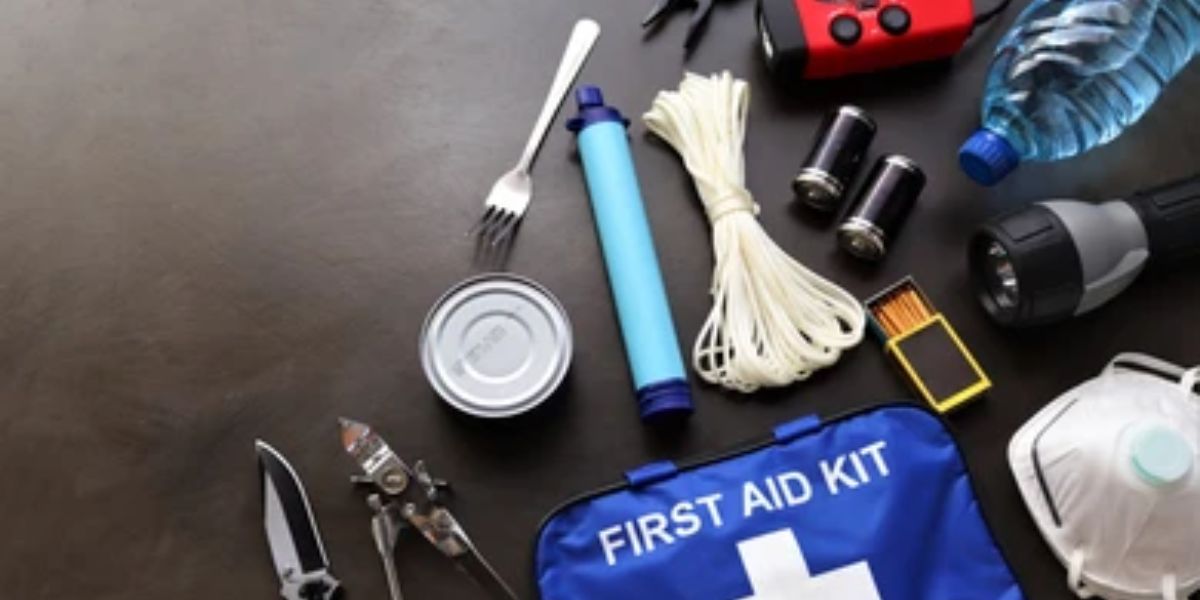
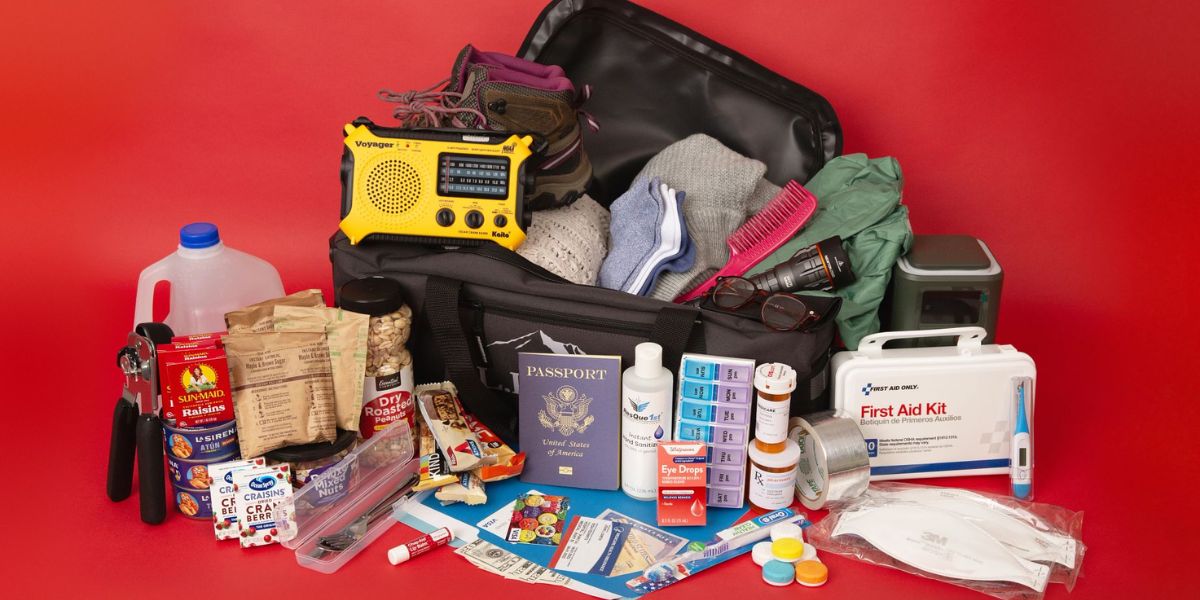
Pack an Emergency Comfort Kit
Schools may store small “comfort kits” for students in case of extended shelter-in-place situations. If your school allows it, pack:
- A small water bottle.
- Non-perishable snack (like granola bars).
- Family photo or note for reassurance.
- Basic first-aid supplies (bandages, wipes).
- A face mask and sanitizer.
These small touches provide familiarity and comfort during stressful situations.
Review Communication Plans
When disasters occur, communication lines often get overloaded. Make sure your child knows:
- Who will pick them up if you can’t get there immediately.
- How to text or call from another person’s phone if needed.
- Where your family meeting point is outside of school hours.
Also, sign up for LAUSD emergency alerts and citywide notifications from NotifyLA to stay ahead of updates.
Coordinate with Teachers and Caregivers
If your child has specific medical needs, allergies, or mobility limitations, speak directly with their teachers and the school nurse. Provide written instructions for medication storage and emergency procedures.
For younger children, introduce caregivers or family friends to the school staff. These trusted adults can be on your authorized pickup list in case you can’t reach the campus.
Rehearse Family Safety Drills at Home
Practice makes preparedness second nature. Conduct simple home drills to mirror school procedures:
- Practice drop, cover, and hold on during mock earthquake drills.
- Identify safe exits and backup meeting points.
- Review how to dial 911 and when it’s appropriate.
Children who have rehearsed these steps are less likely to panic when a real emergency occurs.
Stay Informed About Local Risks
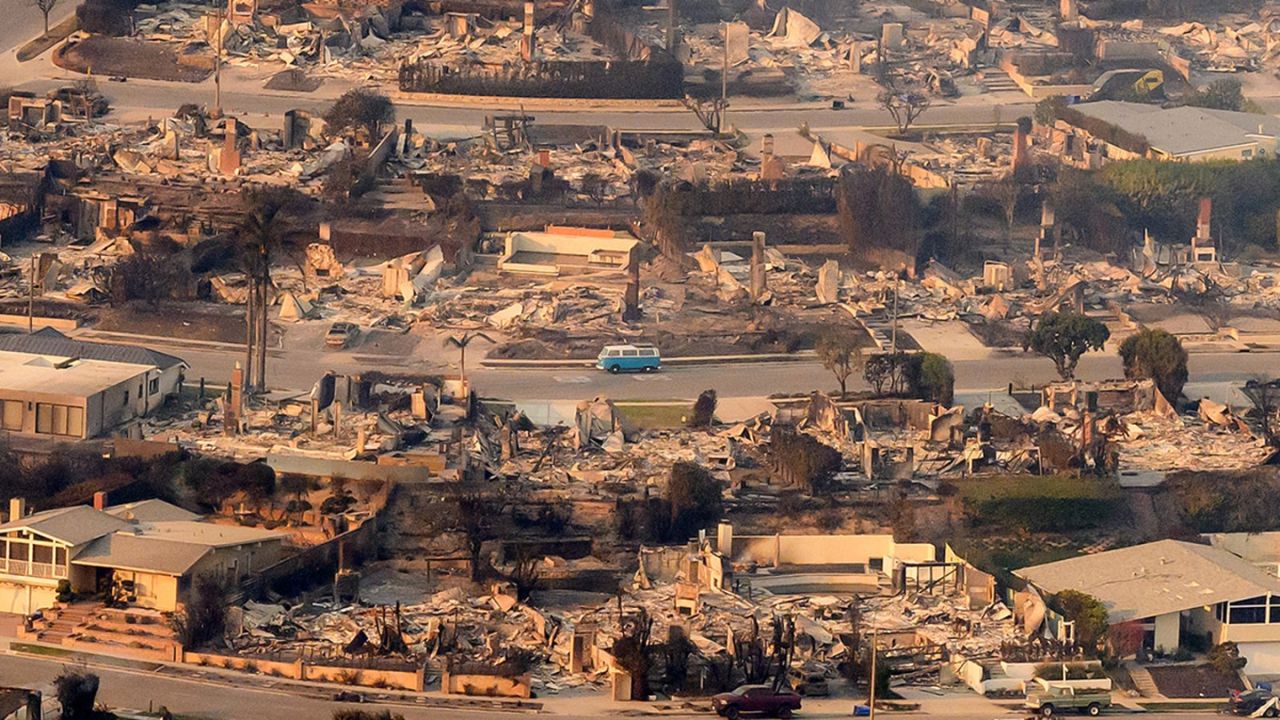
Los Angeles parents should be aware of regional hazards that could affect schools—especially earthquakes, wildfires, and extreme heat. Keep track of school closures or alerts through:
- The Los Angeles County Office of Education (LACOE) website.
- The ReadyLA portal for citywide updates.
- Local radio stations like KNX 1070 AM during major events.
Awareness helps parents make informed, timely decisions about child safety and transportation.
Encourage Peer Support and Calm Behavior
Children who help others tend to stay calmer. Encourage your child to look out for classmates—especially younger students—during drills or stressful moments.
Teach them simple ways to stay grounded: deep breaths, counting, or repeating reassuring phrases. Emotional readiness is just as important as physical safety.
Keep the Conversation Going
Preparedness isn’t a one-time lesson—it’s an ongoing conversation. As your child grows, revisit the checklist and update it together. Include them in planning, so they feel responsible and empowered.
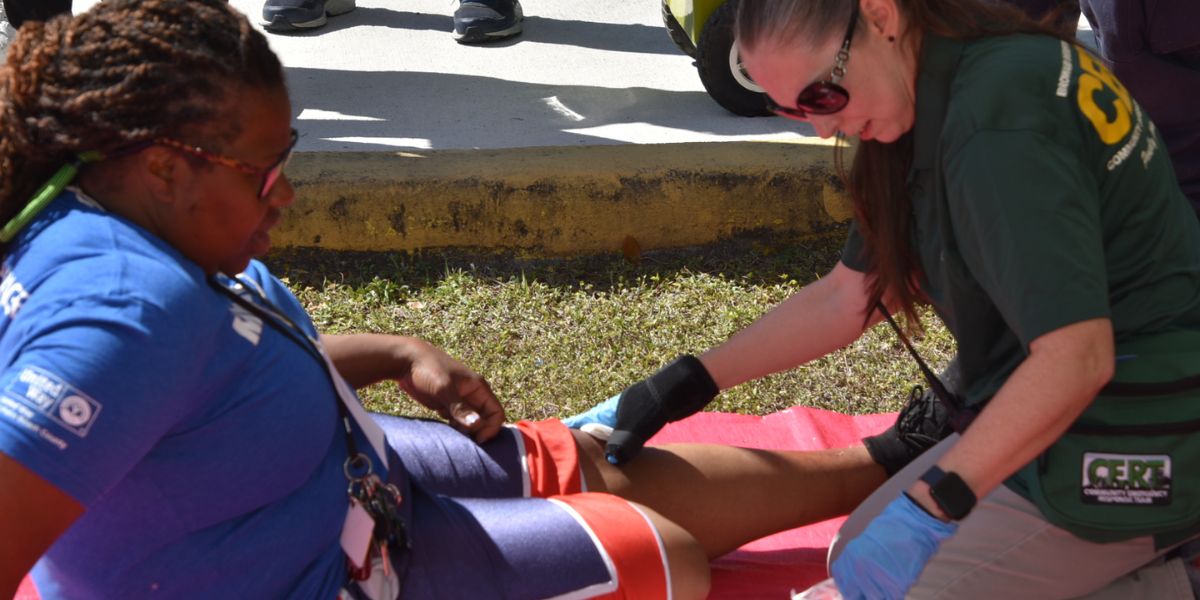
Encourage schools to hold regular safety assemblies and invite parents to participate in local preparedness workshops offered by community organizations across Los Angeles.
Final Thoughts
Emergencies can happen without warning, but being prepared makes all the difference. By working with your child’s school, practicing at home, and staying informed about local risks, you’ll give your family the confidence to act quickly and safely.
What steps have you taken to prepare your child for emergencies at school? Share your thoughts and experiences at BeReadyLA.org. Your insights could help other Los Angeles families strengthen their preparedness too.