Los Angeles is a city known for its beautiful landscapes, diverse communities, and unfortunately, its susceptibility to natural and man-made disasters. From wildfires in the hills to earthquakes along fault lines, residents in high-risk areas face unique challenges when it comes to safety. One of the most effective ways to prepare neighborhoods is through coordinated safety drills. These drills ensure residents know what to do during an emergency, reduce panic, and foster stronger community networks.
Why Neighborhood Safety Drills Are Critical in LA
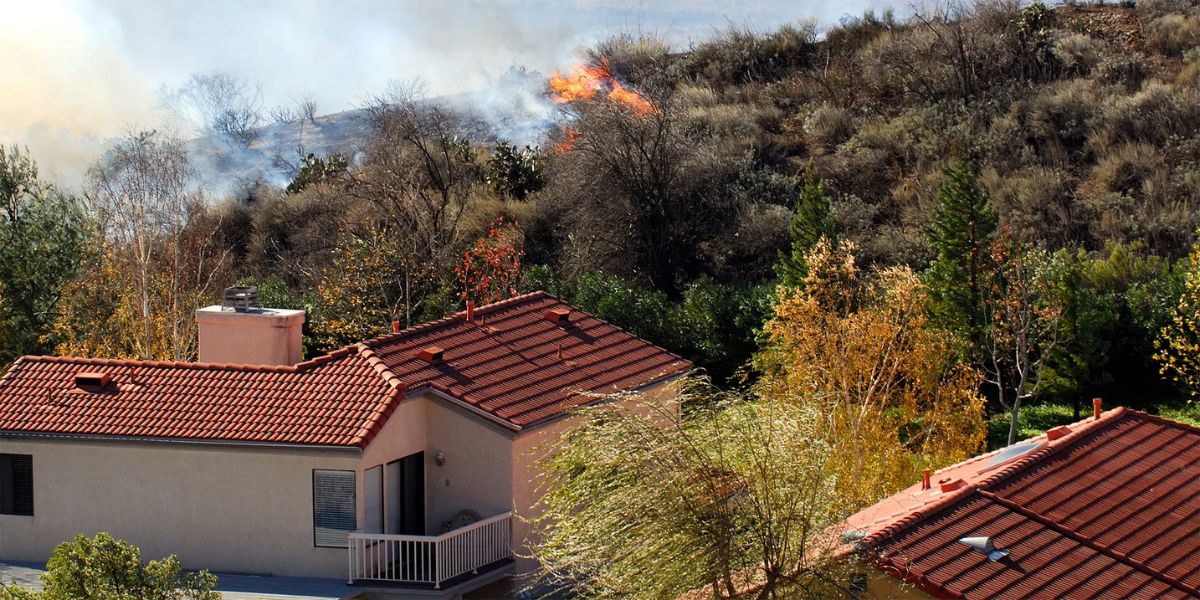
High-risk neighborhoods in Los Angeles, particularly in hillside and wildfire-prone regions, require a proactive approach to disaster preparedness. Safety drills allow residents to practice evacuation routes, communication plans, and emergency procedures in a controlled environment. Research shows that communities who regularly conduct drills are more likely to respond calmly and efficiently during actual emergencies.
Table of Contents
In addition to preparing residents, drills help identify gaps in local infrastructure, such as blocked evacuation routes, inadequate emergency signage, or areas lacking communication coverage. Coordinating these drills ensures that everyone, from seniors to young children, knows their role and can act confidently during a crisis.
Steps to Plan Effective Neighborhood Safety Drills
Identify Key Risks and Prioritize Scenarios
Start by assessing the most likely hazards in your area. Los Angeles neighborhoods may face multiple risks simultaneously, including wildfires, earthquakes, floods, and power outages. Prioritize drills based on the highest risk scenarios to ensure the community is prepared for the most pressing dangers.
Form a Neighborhood Safety Committee
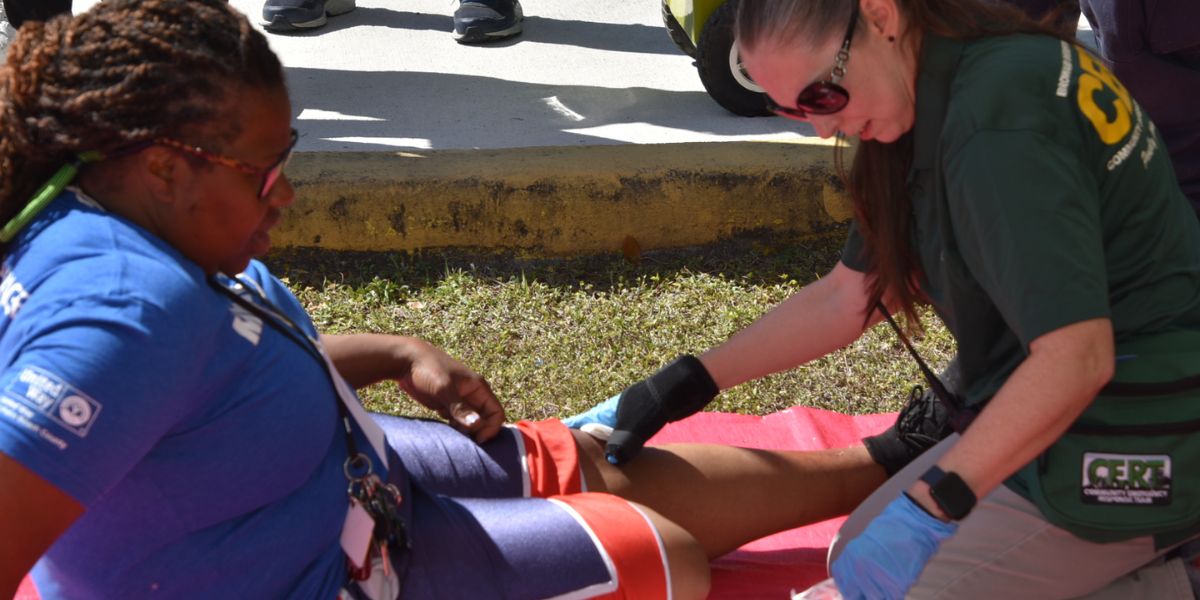
A local safety committee is essential for organizing drills. This team can include residents, local business owners, and volunteers with emergency response experience. The committee will coordinate logistics, communicate plans, and liaise with local authorities such as the Los Angeles Fire Department and CERT (Community Emergency Response Team).
Develop Clear Evacuation and Communication Plans
Draft clear evacuation routes and safe zones for your neighborhood. Consider multiple routes in case of road closures or hazards. Establish a communication plan that uses multiple channels, including phone trees, text alerts, social media groups, and local community apps, to ensure everyone receives updates promptly.
Schedule and Promote the Drill
Choose a time that allows maximum participation, and notify residents well in advance. Use flyers, neighborhood meetings, and social media platforms to raise awareness. Encourage participation by emphasizing the importance of preparedness for protecting families, homes, and neighbors.
Conduct the Drill with Realistic Scenarios
During the drill, simulate real-world conditions as much as possible. Include emergency sirens, traffic control, and role-playing for different scenarios. Have designated volunteers monitor participants and provide guidance where necessary. Ensure that children, seniors, and pets are included in the exercises.
Debrief and Improve
After each drill, gather feedback from participants and volunteers. Identify what worked well and areas for improvement. Update evacuation routes, communication lists, and safety procedures based on these insights. Regularly reviewing and refining your plan keeps the neighborhood prepared for any emergency.
Engaging Residents and Building Community Resilience
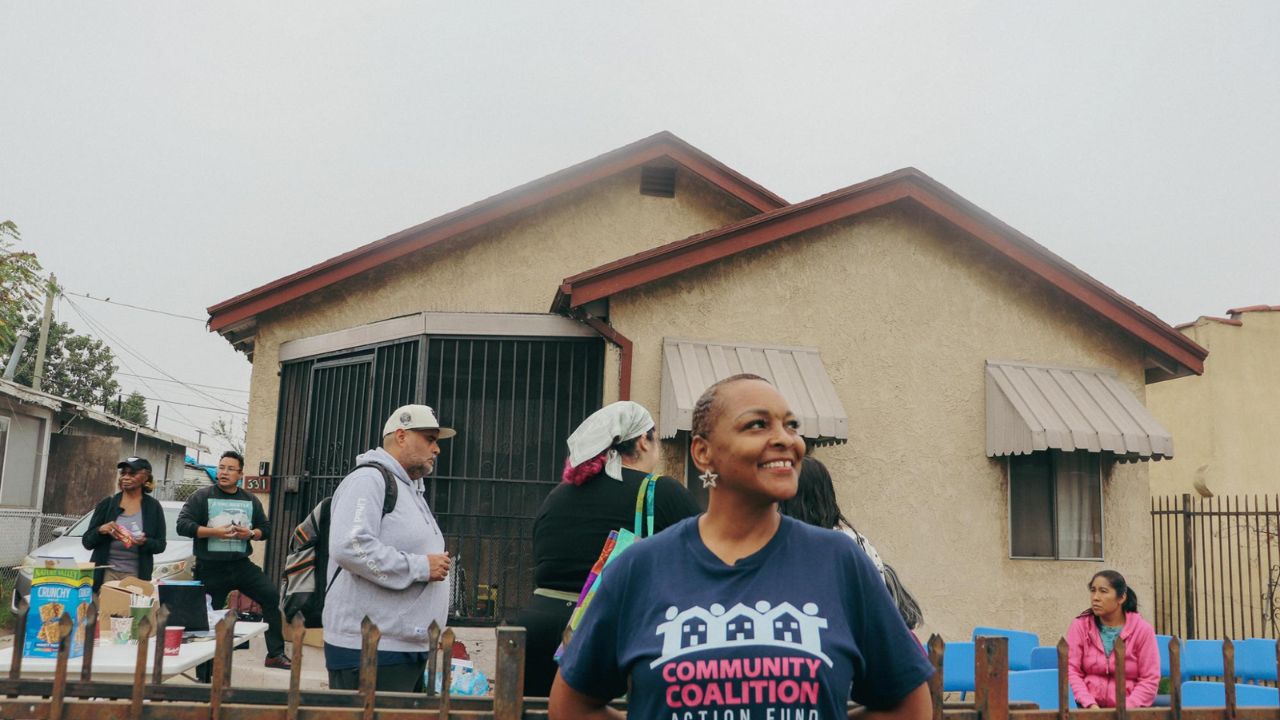
Neighborhood safety drills also strengthen community bonds. Residents who participate in drills become more aware of each other’s needs and abilities, fostering a sense of mutual support. Encourage neighbors to check on vulnerable residents, such as the elderly or those with disabilities, during drills. This not only improves preparedness but builds trust and resilience within the community.
Additionally, partnering with local authorities and organizations can enhance the quality of drills. Los Angeles Fire Department, CERT teams, and local NGOs often provide resources, training, and guidance for effective emergency exercises. Engaging these partners ensures your drill meets safety standards and leverages professional expertise.
Tips for Sustaining Long-Term Drill Programs
Consistency is key. Schedule drills at least twice a year to maintain readiness. Rotate the focus of each drill to cover different hazards and scenarios. Encourage residents to participate in planning and executing drills, giving them ownership of the process.
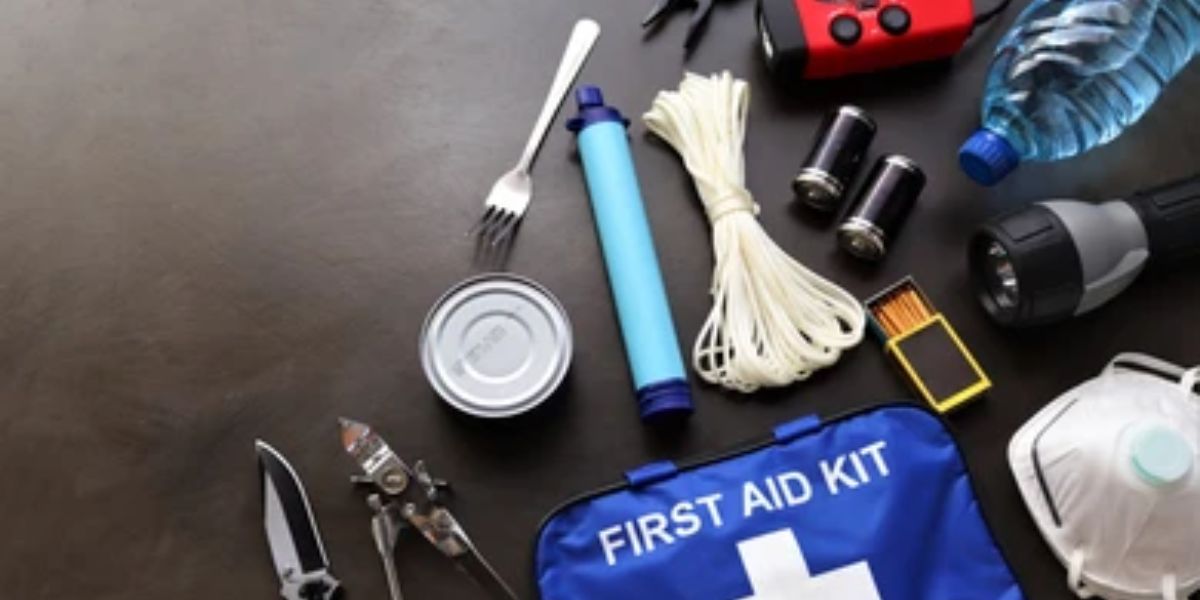
Keep educational materials accessible, such as printable evacuation maps, emergency contact lists, and first aid guides. Share success stories and lessons learned after each drill to motivate continued engagement.
Conclusion
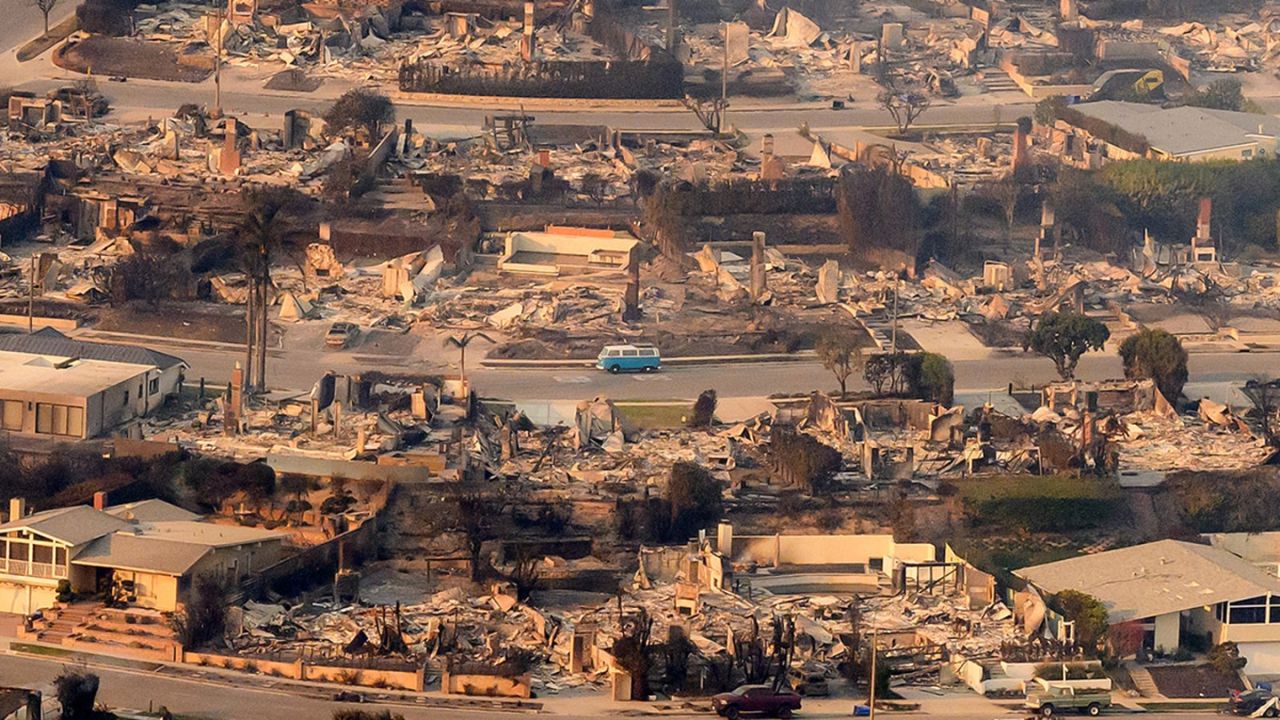
Coordinating neighborhood safety drills in Los Angeles’ high-risk areas is not just about practicing evacuations—it’s about building a resilient, informed, and connected community. By planning thoughtfully, engaging residents, and partnering with local authorities, neighborhoods can reduce the impact of disasters, save lives, and foster stronger community ties.
Take action today: form a neighborhood safety committee, schedule your first drill, and start building a safer Los Angeles community. For resources and guidance on organizing drills, visit the Be Ready LA Community Preparedness Page and begin preparing your neighborhood for any emergency.