Los Angeles, CA – Living in Los Angeles means embracing a vibrant, diverse city surrounded by natural beauty — and understanding the very real risks that come with it. Earthquakes and wildfires are part of Southern California life, and preparing your neighborhood for both isn’t just smart — it’s essential. Building an earthquake and fire-ready community requires collective awareness, planning, and action that starts at the local level.
Understanding the Dual Threat in Los Angeles
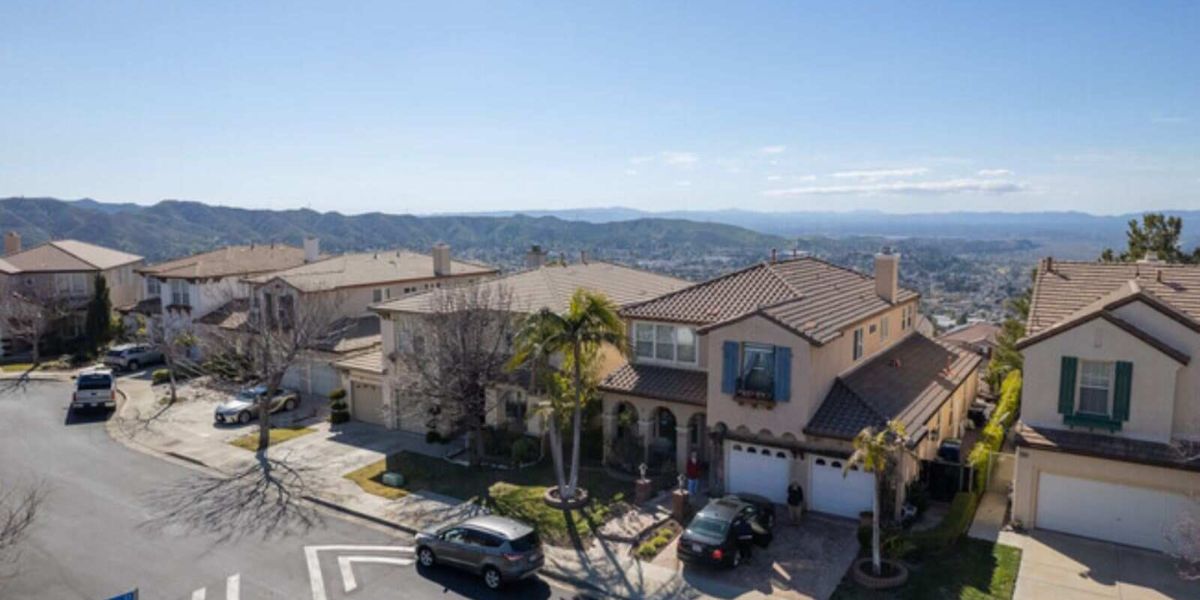
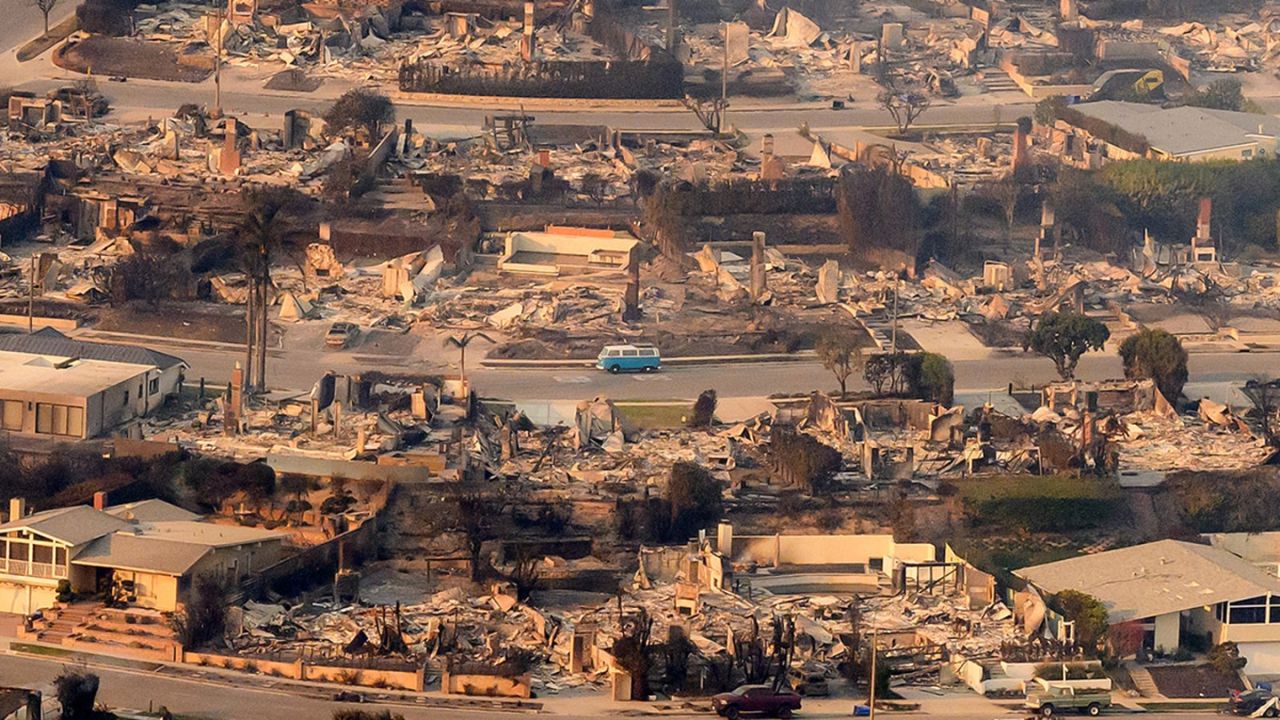
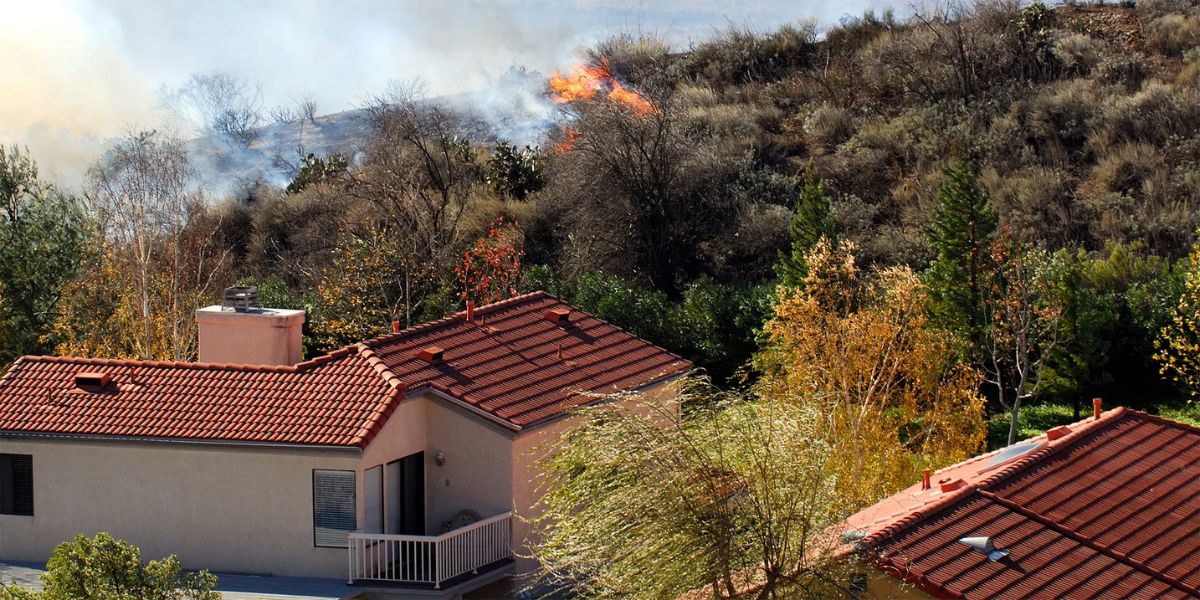
Los Angeles faces a unique combination of hazards. The San Andreas Fault and several smaller fault lines make earthquakes unpredictable yet inevitable. Meanwhile, the city’s Mediterranean climate, long dry spells, and hillside neighborhoods contribute to an ever-present wildfire risk.
Table of Contents
When these two hazards overlap — such as a wildfire disrupting evacuation routes during seismic activity — communities can be caught off-guard. Understanding both threats together is the first step toward resilience.
Assessing Neighborhood Vulnerabilities
Start by identifying what makes your neighborhood vulnerable. Are homes located near canyons or brush-covered slopes? Are older buildings not yet retrofitted for seismic stability? Conducting a neighborhood risk assessment helps you see where improvements are needed most.
You can collaborate with the Los Angeles Emergency Management Department (EMD) or local Neighborhood Councils to access hazard maps and community resilience tools. A joint walkthrough of your neighborhood with local fire officials can also highlight areas that need vegetation management or structural retrofitting.
Building a Neighborhood Emergency Plan
A well-coordinated plan ensures everyone knows what to do before, during, and after a disaster. Assign roles among neighbors — one person can manage communication, another can coordinate first aid, while others focus on checking on seniors or vulnerable residents.
Develop a shared communication tree with contact details, text groups, or apps like Nextdoor or GroupMe for instant coordination. Keep copies of your neighborhood map showing gas shut-off valves, evacuation routes, and designated meeting points.
Strengthening Homes Against Earthquakes and Fires
Los Angeles homeowners can take several low-cost yet powerful steps to strengthen their properties.
- For Earthquakes:
- Secure heavy furniture and water heaters to walls.
- Use flexible connections for gas lines.
- Retrofit older foundations and cripple walls to reduce collapse risk.
- For Wildfires:
- Create defensible space by clearing dry vegetation at least 30 feet from structures.
- Install ember-resistant vents and cover gutters with mesh.
- Replace wood shingles with Class A fire-rated roofing materials.
By integrating both fire and earthquake safety upgrades, homes can withstand multiple hazards without requiring separate expensive retrofits.
Hosting Regular Neighborhood Drills
Preparedness improves through practice. Organize an annual “ShakeOut and BurnOut Drill” combining both earthquake and wildfire scenarios. For example:
- Practice Drop, Cover, and Hold On during an earthquake simulation.
- Follow with a mock evacuation to test wildfire routes and assembly areas.
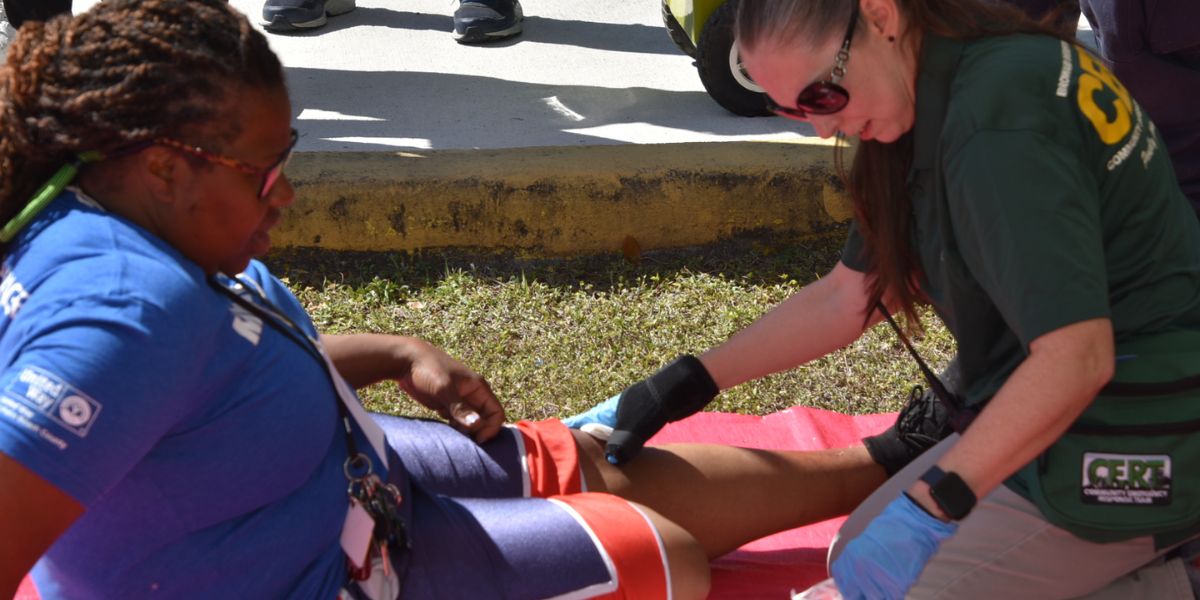
Invite local fire departments, CERT volunteers, and community organizations to participate. These exercises strengthen coordination and help identify weaknesses in your emergency plan.
Creating Shared Resources and Supply Stations
In a large-scale emergency, professional responders may not reach your area for hours or even days. Having shared neighborhood resources can bridge that gap.
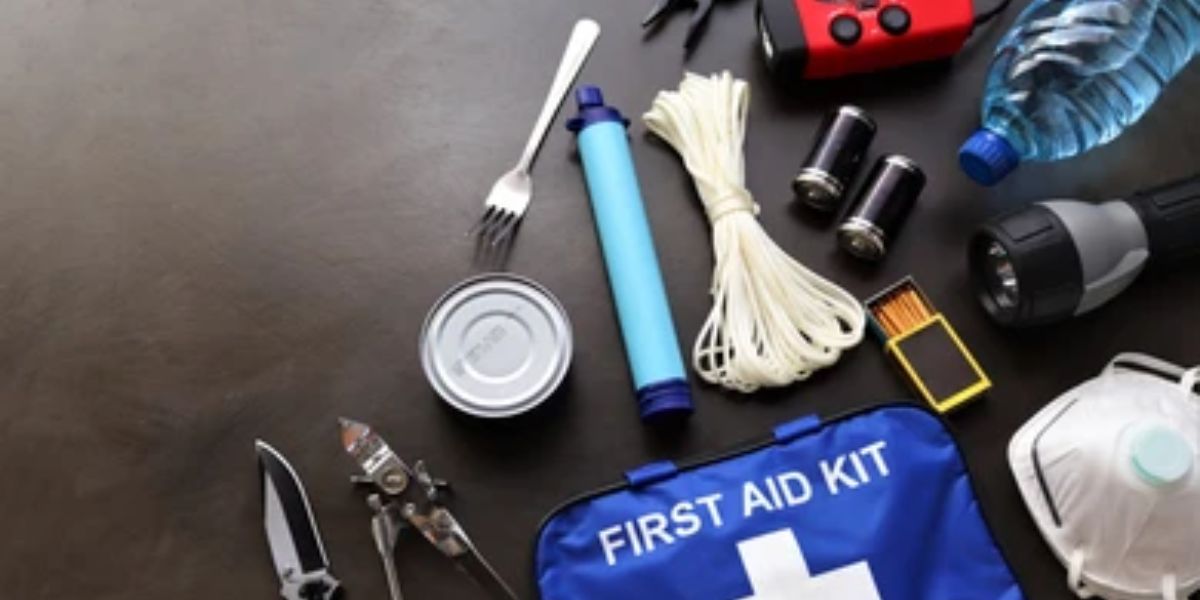
Designate a central storage spot (like a community garage or school) for essentials such as:
- First aid kits and blankets
- Fire extinguishers
- Backup water and food supplies
- Battery-powered radios and flashlights
Encourage each household to keep a personal emergency kit but also contribute one or two items to the communal stockpile.
Enhancing Communication and Alerts
Reliable communication saves lives. Encourage neighbors to sign up for NotifyLA, the city’s official emergency alert system, and follow updates from the Los Angeles Fire Department (LAFD) on platforms like X (Twitter) and PulsePoint.
Two-way radios or walkie-talkies are valuable when cell towers fail. Consider assigning one per household or per block group to maintain contact in outages.
Supporting Vulnerable Neighbors
Not every resident can evacuate or respond quickly. Identify households with elderly residents, young children, or people with disabilities. Pair them with volunteers who can check in during emergencies. This simple buddy system ensures that no one is left behind during evacuations or aftershocks.
Building a Culture of Preparedness
Preparedness shouldn’t end after a drill. Keep awareness alive by:
- Hosting seasonal meetings before wildfire season and earthquake awareness week.
- Sharing safety reminders in local newsletters or social media groups.
- Celebrating milestones, such as when your block reaches “100% home readiness.”
Over time, your neighborhood will become more cohesive, resilient, and capable of responding quickly to disasters.
Conclusion
In Los Angeles, being earthquake and fire-ready isn’t just about individual safety — it’s about collective strength. When neighbors know each other, share plans, and act together, they create a safety net stronger than any single agency. By preparing today, your neighborhood can face tomorrow’s emergencies with confidence and calm.
Have you started building your neighborhood’s emergency plan yet? Share your ideas, stories, or preparedness tips in the comments — and visit BeReadyLA.org to learn how you can make your community more resilient.