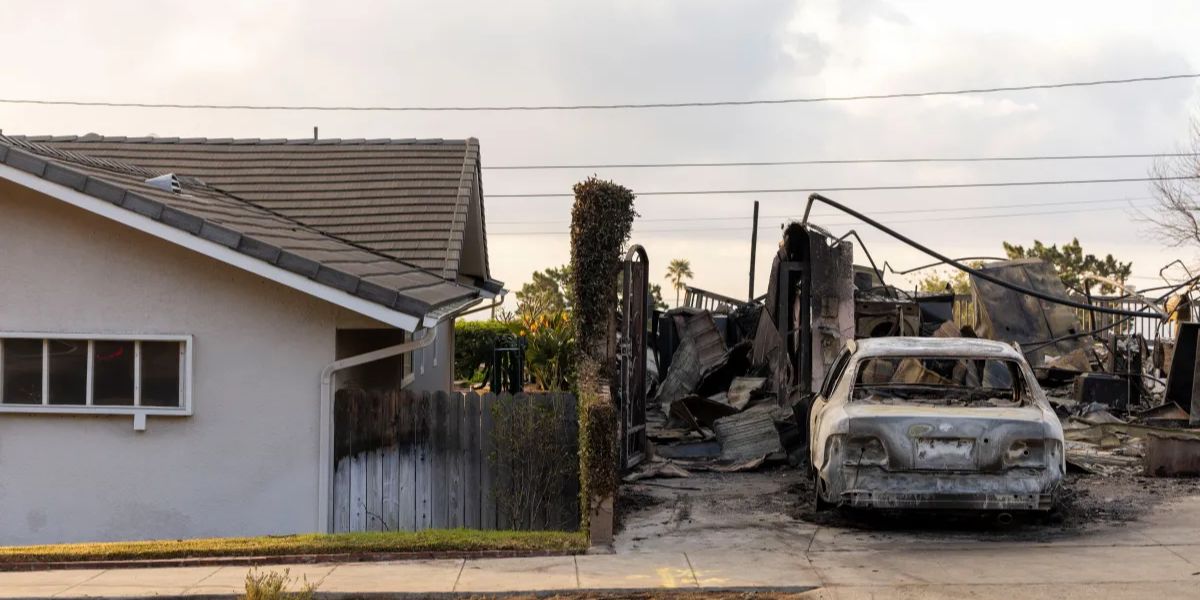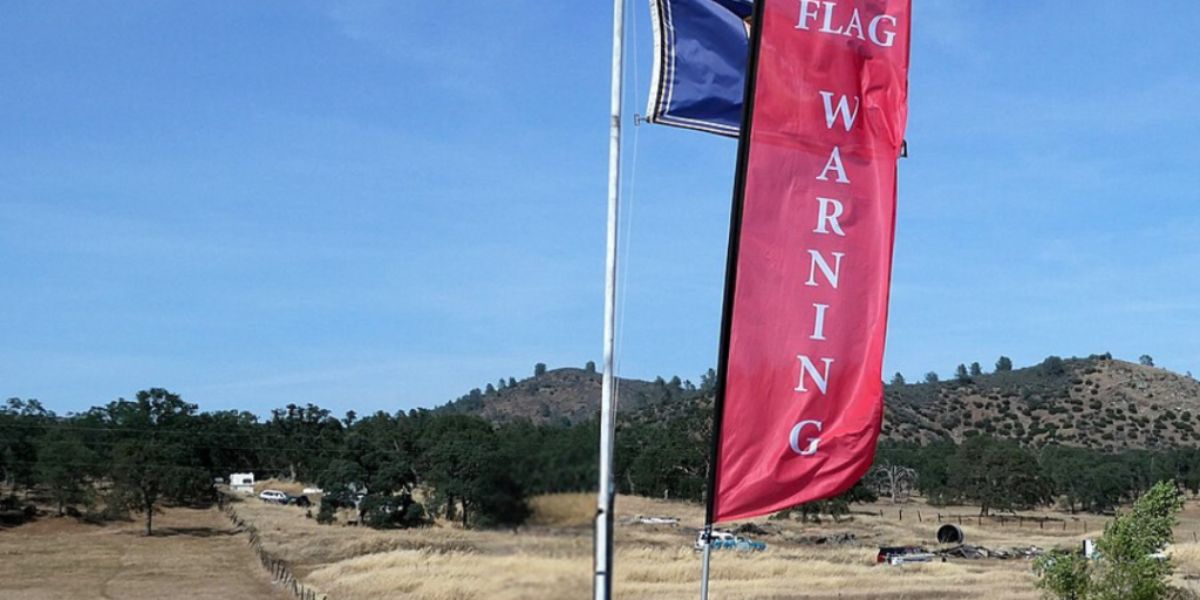
Creating defensible space and well-designed firebreaks has become one of the most important wildfire-safety steps for households across Los Angeles County. With hotter summers, drier vegetation, and increasingly unpredictable wind patterns, even neighbourhoods far from the traditional fire corridors are now assessing their exposure. Effective firebreaks reduce flame intensity, slow advancing fire fronts, and give firefighters safer room to operate—an essential advantage during fast-moving Southern California incidents.
Why Firebreaks Matter in Los Angeles County
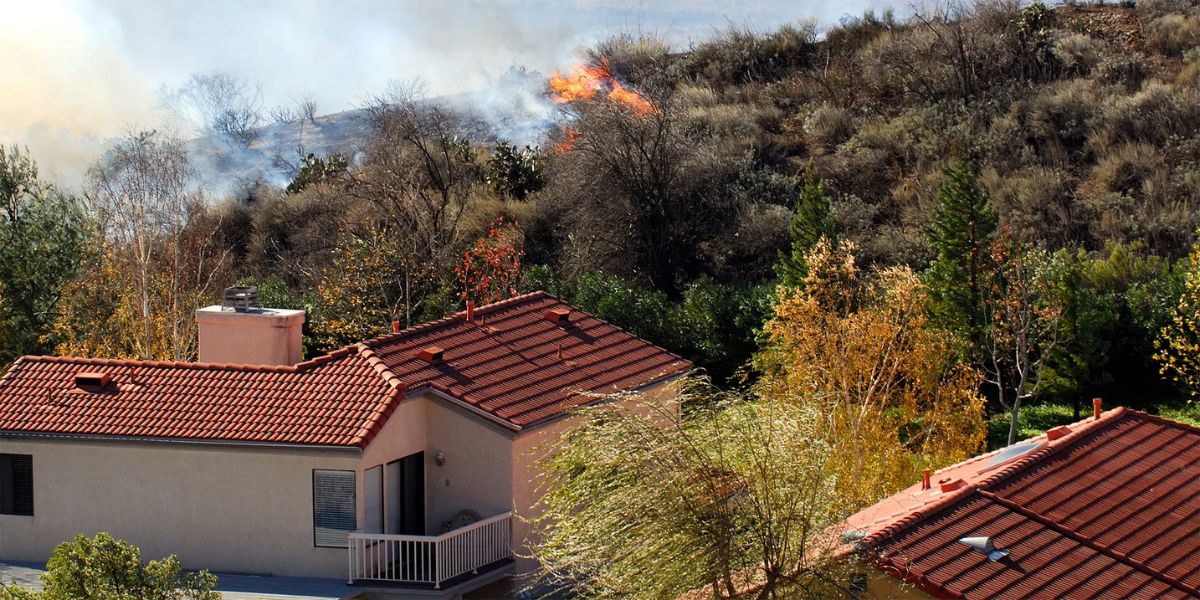
Los Angeles County’s topography mixes canyons, hillsides, chaparral, and dense residential development. This combination creates environments where embers can travel long distances and ignite homes far from the initial flame front. Agencies such as the Los Angeles County Fire Department (LACoFD) and CAL FIRE often stress that home-level prevention measures are as critical as communitywide fuel-reduction projects.
Table of Contents
Firebreaks help by interrupting the “fuel ladder”—the vertical and horizontal arrangement of vegetation that allows a wildfire to climb, spread, and intensify. When designed correctly, these breaks slow fire spread and reduce radiant heat near structures, increasing the chances that a home survives even without direct firefighter presence.
Understanding Defensible Space Zones
Los Angeles County follows a three-zone model for home hardening and vegetation management:
Zone 0: Immediate Zone (0–5 feet)
This is the most critical area. Fire scientists consistently show that wind-driven embers landing within this zone are the primary cause of home ignition. The goal is to maintain a completely non-combustible buffer.
Key practices include:
- Replacing mulch with gravel or hardscape
- Keeping the area free from leaf litter and dry debris
- Relocating wood piles and combustible outdoor furniture away from walls
Zone 1: Intermediate Zone (5–30 feet)
This zone focuses on breaking up vegetation density and maintaining separation between shrubs, trees, and structures.
Recommended measures:
- Maintain adequate spacing between plants
- Remove lower tree branches to prevent laddering
- Keep grass short and well-watered
Zone 2: Extended Zone (30–100 feet)
In hillside or canyon communities, this zone becomes crucial. Here, the focus is on reducing vegetation volume while preserving soil stability.
Examples of effective actions:
- Thinning brush and chaparral
- Removing dead or dying vegetation
- Maintaining separation between trees and large shrubs
Designing an Effective Firebreak on Your Property
A firebreak is more than clearing vegetation; it is a strategic layout that reduces fuel continuity.
Width and Placement
Most Los Angeles County guidelines recommend a minimum 30-foot clearance on level ground, increasing on slopes. Homes situated above steep grades may require wider breaks to counter uphill flame spread, which can multiply fire intensity.
Vegetation Selection and Spacing
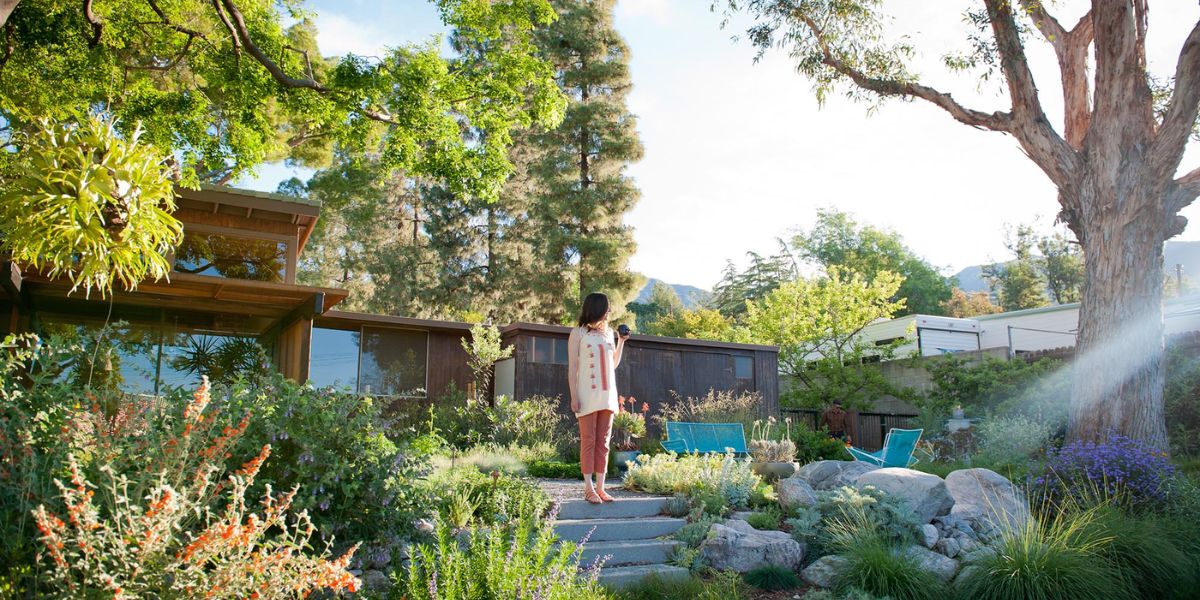
Low-resin, drought-tolerant species such as native oaks or certain succulents can be used as part of a “green firebreak.” These plants retain more moisture and are less likely to ignite.
Spacing should:
- Separate shrubs from tree canopies
- Avoid clustering multiple flammable plants
- Maintain open pathways for firefighter access
Hardscape as a Protective Barrier
Driveways, patios, stone walkways, retaining walls, and decomposed granite strips can all function as non-combustible breaks. Many Los Angeles homeowners combine these features with native landscaping to maintain aesthetics while boosting safety.
Firebreak Maintenance Through the Seasons
Wildfire risk in Los Angeles is not limited to late summer. Santa Ana winds, which peak in autumn, can drive fires at extreme speeds. This makes year-round maintenance essential.
Seasonal tasks include:
- Spring: Clearing new growth, adjusting irrigation, thinning shrubs
- Summer: Removing dried grasses, inspecting roof gutters, cutting back overhanging branches
- Autumn: Preparing ahead of Santa Ana wind events, checking ember-vulnerable areas, cleaning decking and vents
- Winter: Managing storm-related vegetation growth and preventing erosion
Routine upkeep ensures the firebreak retains its effectiveness even during rapid seasonal changes.
Community-Level Firebreaks and Neighbour Collaboration
Individual home efforts are most effective when supported by neighbourhood participation. Los Angeles County’s high-risk zones—such as Topanga, Angeles Forest communities, Santa Clarita foothills, and Malibu—rely heavily on coordinated defensible-space maintenance.
Neighbour collaboration helps by:
- Creating continuous fuel-reduction corridors
- Ensuring shared slopes do not become ignition hotspots
- Improving access routes for emergency vehicles
- Identifying shared responsibilities on property boundaries
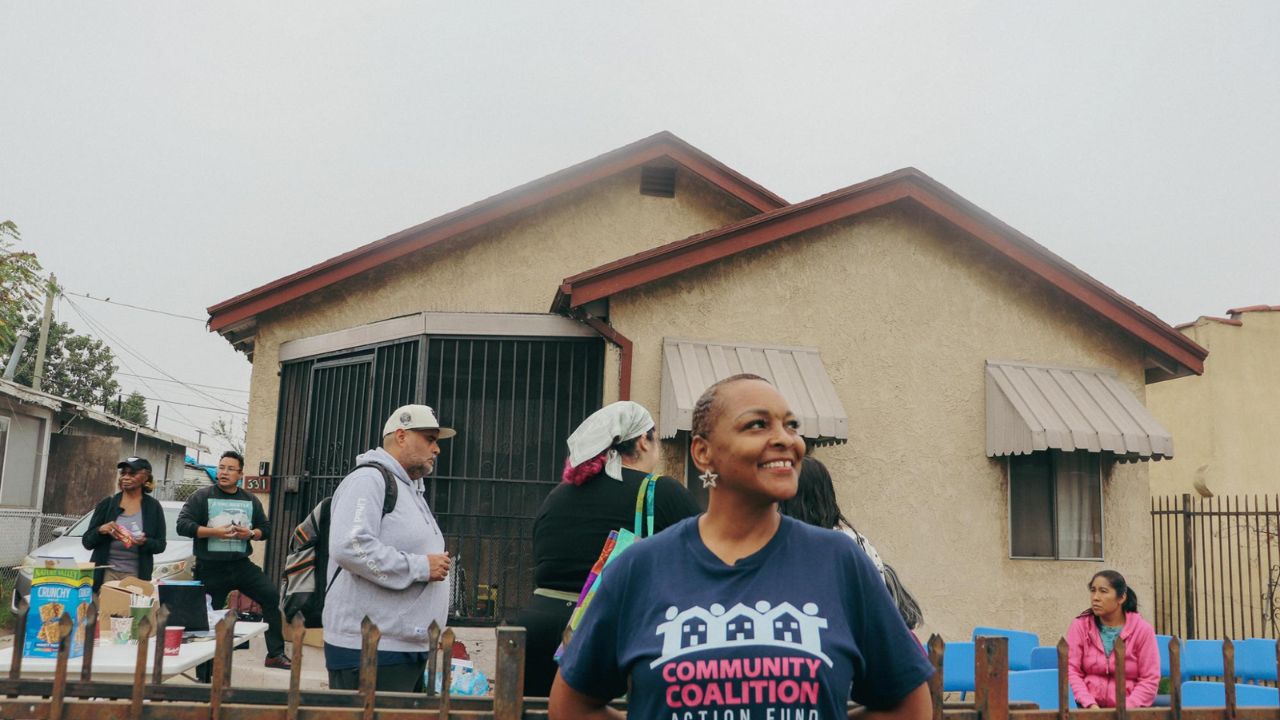
Local Fire Safe Councils and community wildfire groups play a major role in organising cleanup days, brush-clearing schedules, and home-assessment workshops.
Home Hardening Enhancements That Support Firebreaks
While firebreaks address vegetation, home-hardening addresses the structure itself. Both work together to reduce total risk.
Key improvements include:
- Installing ember-resistant attic and crawl-space vents
- Upgrading to Class A fire-rated roofing
- Using non-combustible siding where feasible
- Replacing single-pane windows with tempered-glass dual panes
- Adding metal mesh under decks to prevent ember intrusion
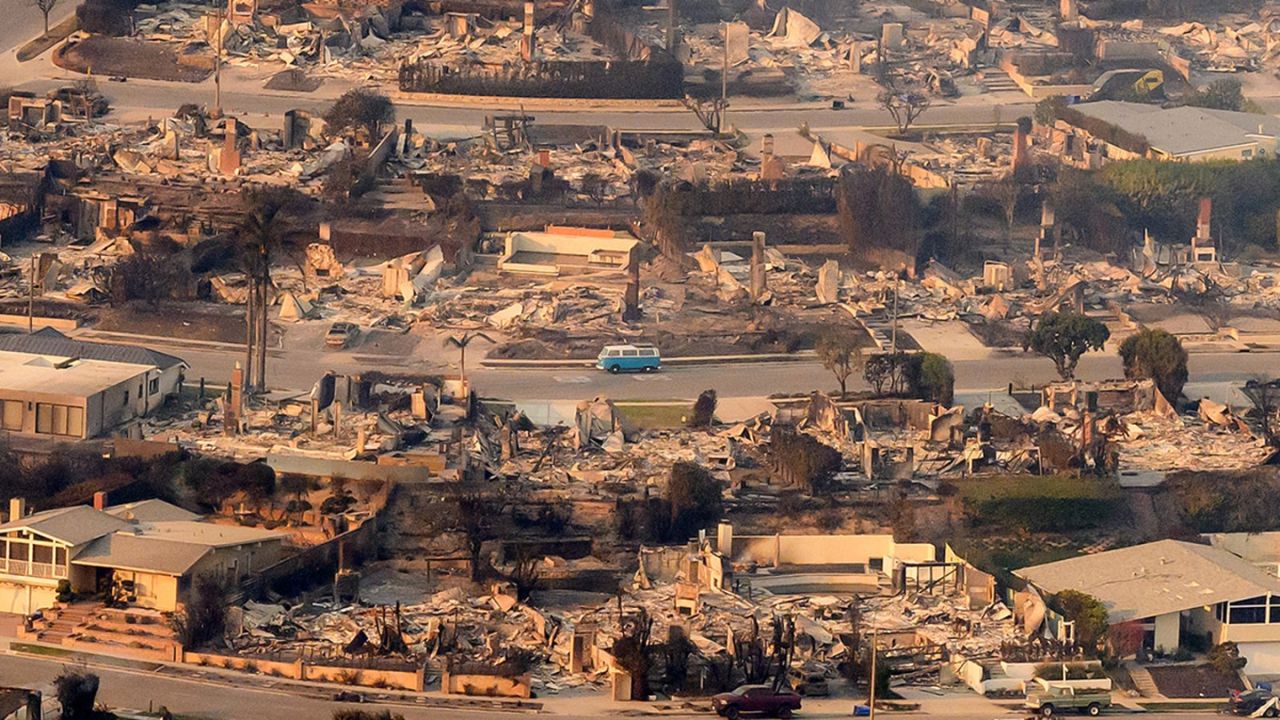
When paired with a well-maintained firebreak, these upgrades dramatically increase survivability during wildfire events.
What Los Angeles Homeowners Should Do Next
Los Angeles County offers annual defensible-space inspections and homeowner resources through LACoFD and ReadyForWildfire.org. Homeowners in Very High Fire Hazard Severity Zones (VHFHSZ) are encouraged to schedule an inspection or request guidance on vegetation management standards.
Professionally assisted brush clearing, arborist assessments, and landscape redesigns may also help homeowners meet compliance standards while improving long-term resilience.
Call to Action
If you live in a fire-prone area of Los Angeles County, now is the time to review your defensible space. Explore more local wildfire-safety guides, neighbourhood planning resources, and practical checklists at BeReadyLA.org and take the next step toward protecting your home and community.