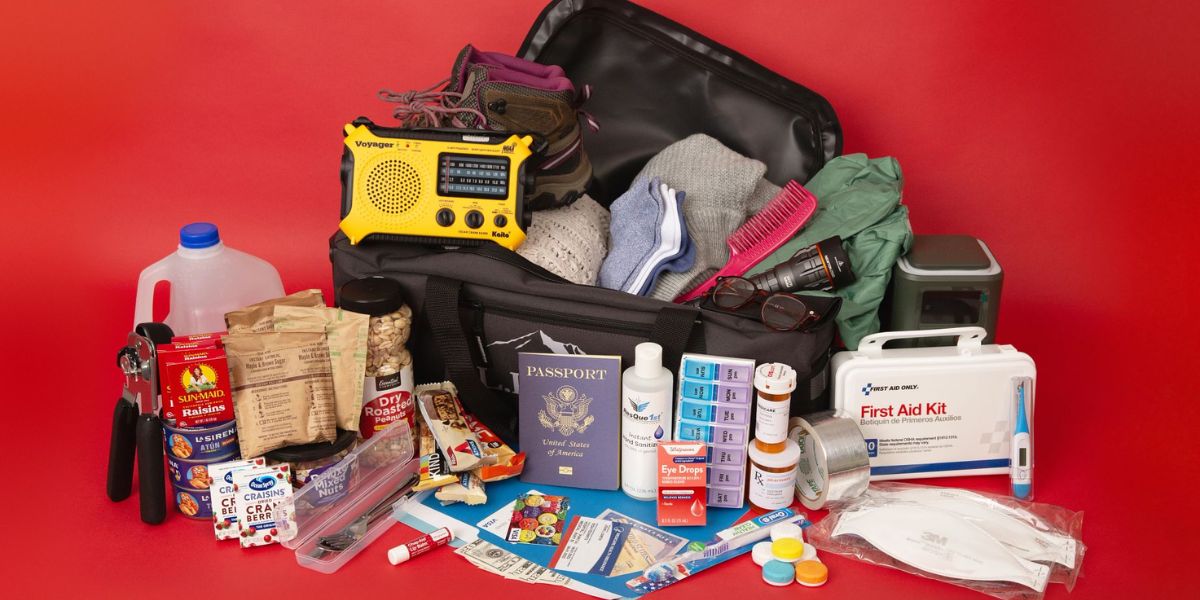
Los Angeles is known for its heavy traffic, but during disasters like earthquakes, wildfires, and extreme weather, those congested freeways can turn into long-duration standstills. Preparing a proper car emergency kit isn’t just smart—it’s essential for anyone navigating the unique risks of Southern California. Whether you’re commuting daily or planning a longer drive, your vehicle should always be equipped to support you during an unexpected emergency.
Understanding the Importance of an LA-Ready Car Kit
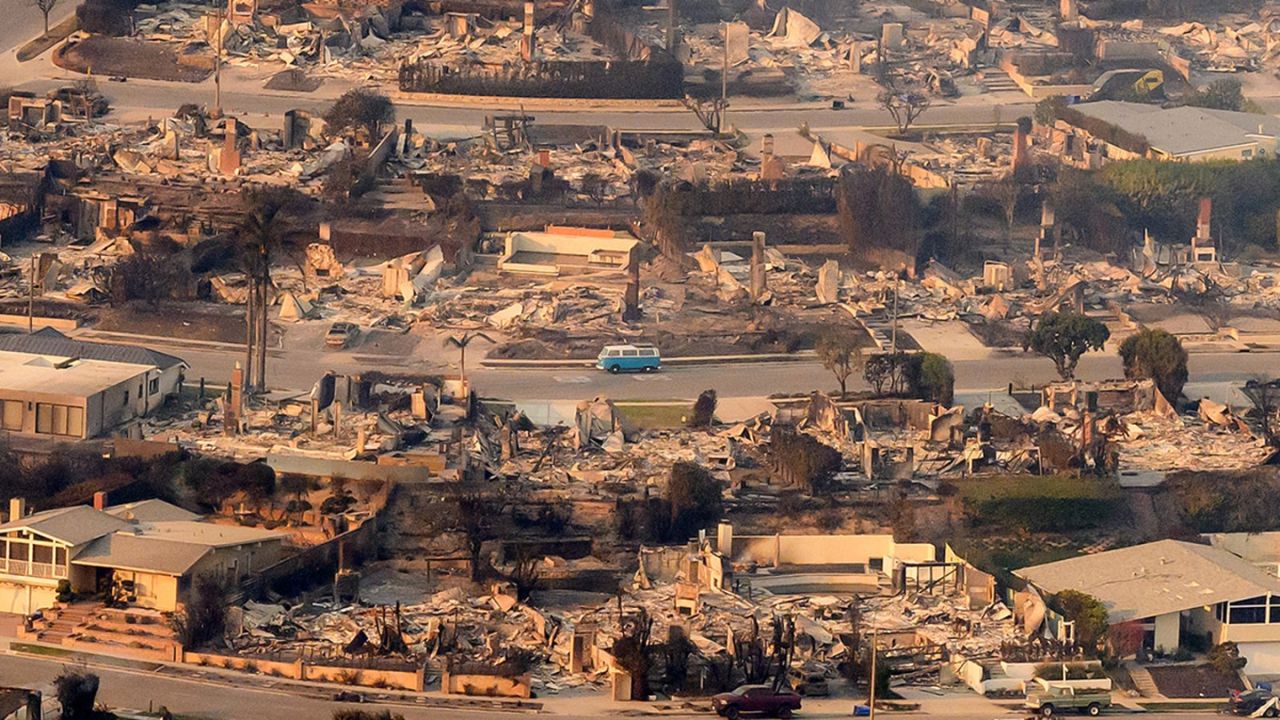
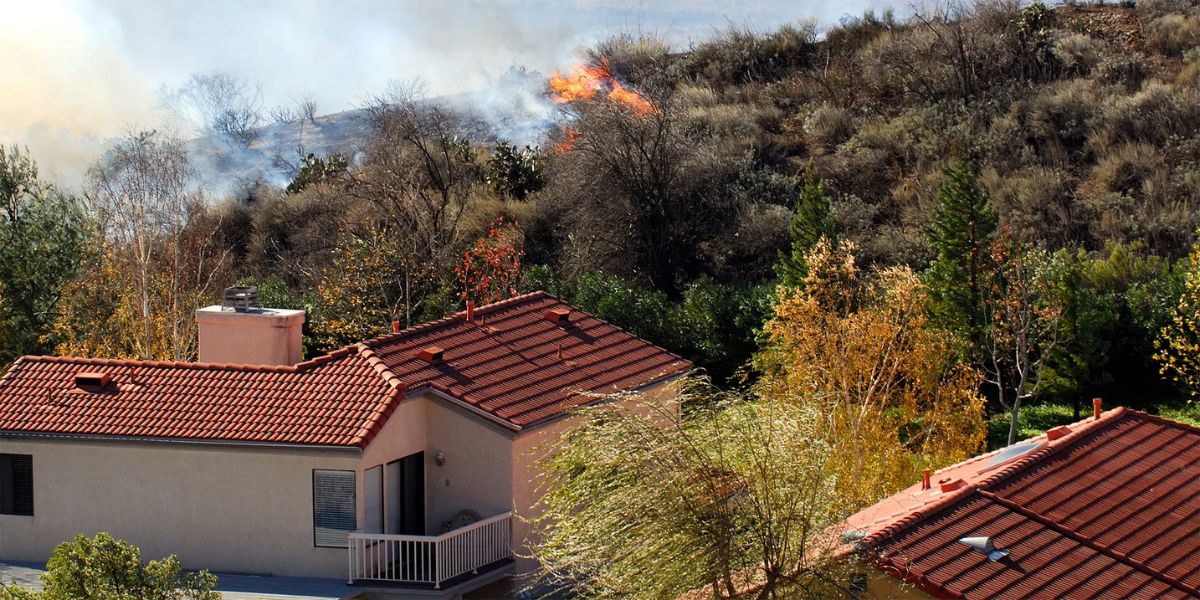
Los Angeles faces a combination of natural hazards that can disrupt mobility and leave drivers stranded for hours. Earthquakes can damage major freeways, wildfires can trigger sudden closures, and flash floods can create dangerous road conditions. During these events, emergency responders often can’t reach individuals quickly. That’s why having a fully stocked car kit becomes a lifeline—not just for safety, but also for comfort and survival.
Table of Contents
Being prepared ensures you can handle delays, communicate with loved ones, and manage basic needs until help arrives. The goal is not only survival but also reducing stress and maintaining control during high-pressure situations.
Core Supplies Every Driver Should Include
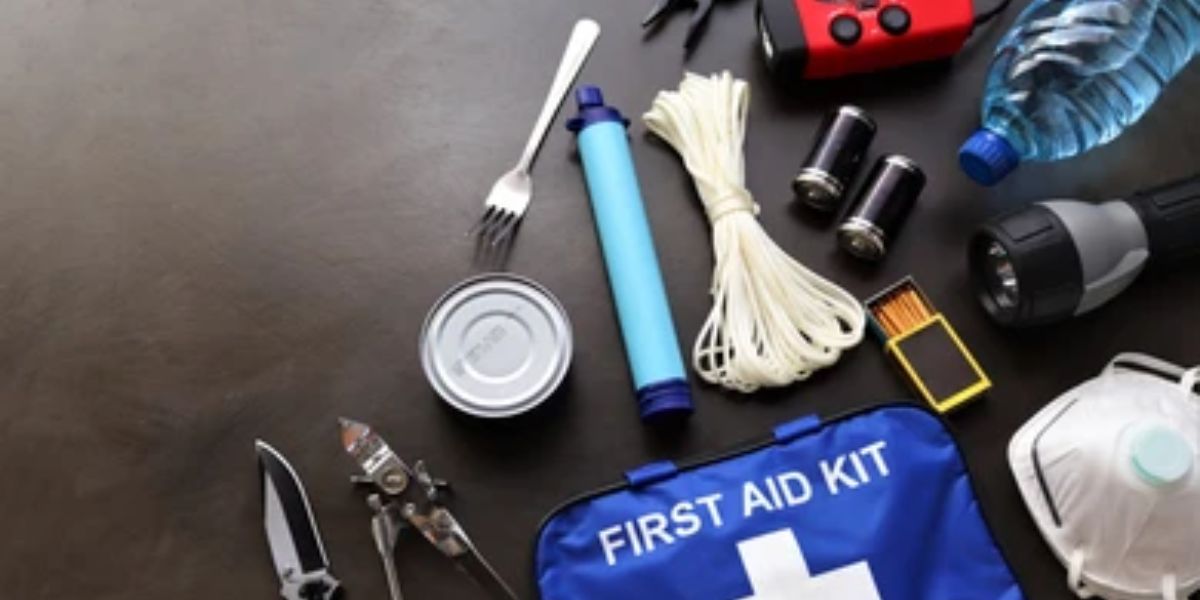
A vehicle emergency kit should begin with essentials that meet hydration, nutrition, first aid, and basic safety needs. These supplies serve as your foundation for any emergency scenario.
Water and Food Essentials
- Pack at least one gallon of water per person in the vehicle.
- Include non-perishable snacks such as energy bars, nuts, and dried fruit.
- Rotate supplies every six months to ensure freshness.
Hydration is especially critical in LA’s dry climate, where temperatures frequently rise and delays may last longer than expected.
First Aid and Medical Items
- A complete first aid kit with bandages, antiseptic wipes, gauze, and medical tape.
- Pain relievers and any personal medications you may need.
- Hand sanitiser and disposable gloves.
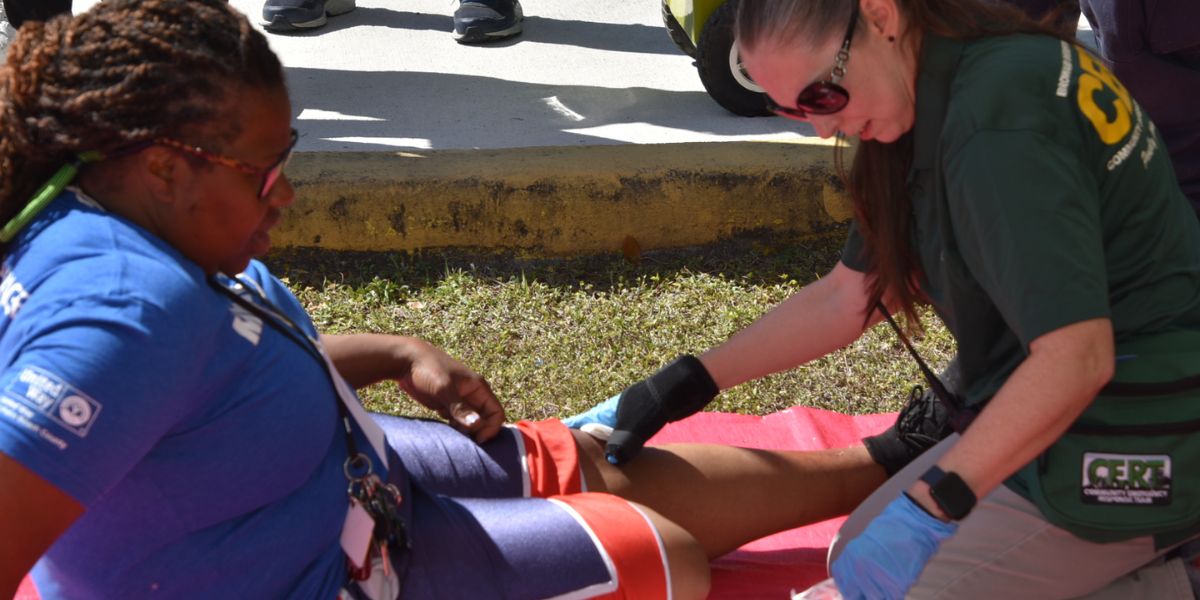
This ensures you can treat minor injuries and maintain sanitation even when stuck without immediate access to help.
Vehicle Safety Tools for Roadside Emergencies
Mechanical issues can happen at any time, and they’re even more problematic during disasters. Keeping the right tools on hand ensures you can troubleshoot issues or stay visible to other drivers.
Basic Repair and Visibility Tools
- Jumper cables
- Reflective warning triangles
- A reliable flashlight with extra batteries
- A multi-tool or basic toolkit
- Tire inflator or portable air pump
These tools help you manage breakdowns safely, especially on dimly lit LA freeways or canyon roads.
Communication and Information Essentials
During disasters, communication networks may be unstable, and your phone battery may deplete faster than expected. Prepare for these scenarios by including tools that help you stay connected—or navigate without connectivity.
Communication Support
- Portable phone charger or power bank
- Car phone charger
- Battery-powered or hand-crank radio
Radios become especially useful during earthquakes, when cellular networks commonly experience temporary failures and official updates are broadcast over emergency channels.
Comfort and Safety Items for Extended Delays
Disasters can sometimes require you to stay in your vehicle for long periods. Having comfort-focused supplies can reduce stress and help you stay functional.
Extended-Stay Essentials
- Blanket or emergency thermal blanket
- Extra clothing layers for cooler evenings
- Dust masks or N95 respirators (useful during wildfires)
- Reusable water bottle
- Cash in small bills
Los Angeles wildfires produce heavy smoke, and dust masks can make a notable difference in air quality. Blankets and clothing help during unexpected overnight stays if evacuation routes are blocked or gridlocked.
Special Items for LA-Specific Disaster Scenarios
Southern California’s unique hazards require additional preparation. Including a few extra items can significantly improve your readiness.
Earthquake and Wildfire-Specific Supplies
- Sturdy shoes for walking if roads are impassable
- Maps of local streets in case GPS fails
- Car fire extinguisher
- Glow sticks for nighttime visibility
- Extra windshield washer fluid for ash or dust conditions
Road maps are especially important during large earthquakes when GPS outages are common.
Keeping Your Kit Updated and Ready
Preparedness doesn’t end after assembling your kit. It’s essential to maintain it regularly.
Simple Maintenance Tips
- Check expiration dates every six months.
- Test flashlights and power banks periodically.
- Replenish items used during non-emergency situations.
- Adjust supplies seasonally, especially during wildfire months.
A ready-to-use kit ensures you never face a disaster with outdated or non-functional tools.
Conclusion
Preparing a car emergency kit tailored for Los Angeles is one of the smartest steps you can take to protect yourself and your family. With earthquakes, wildfires, and sudden closures becoming increasingly common, your vehicle should always be stocked with essentials for hydration, communication, safety, and survival. A well-built kit doesn’t just help in major disasters—it also supports you during everyday breakdowns and extended traffic jams.
Want more practical safety guides for Los Angeles residents? Explore more preparedness resources at BeReadyLA.org and share your thoughts or experiences in the comments below.