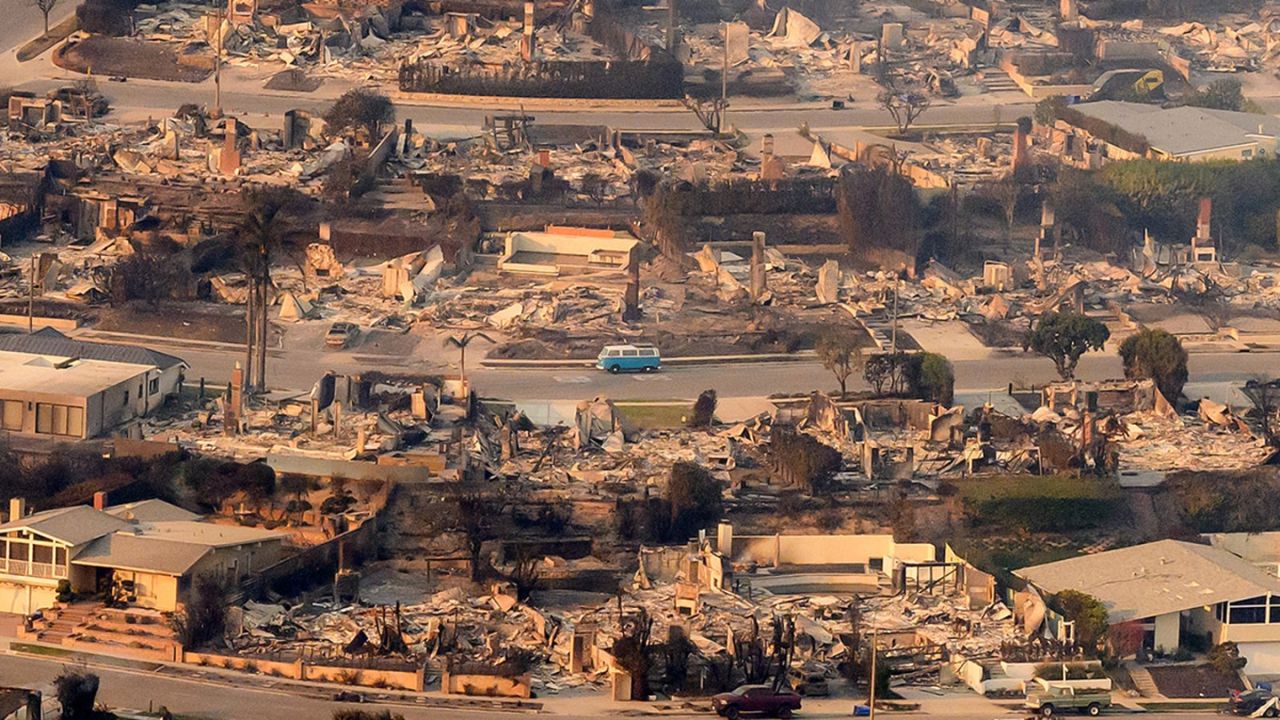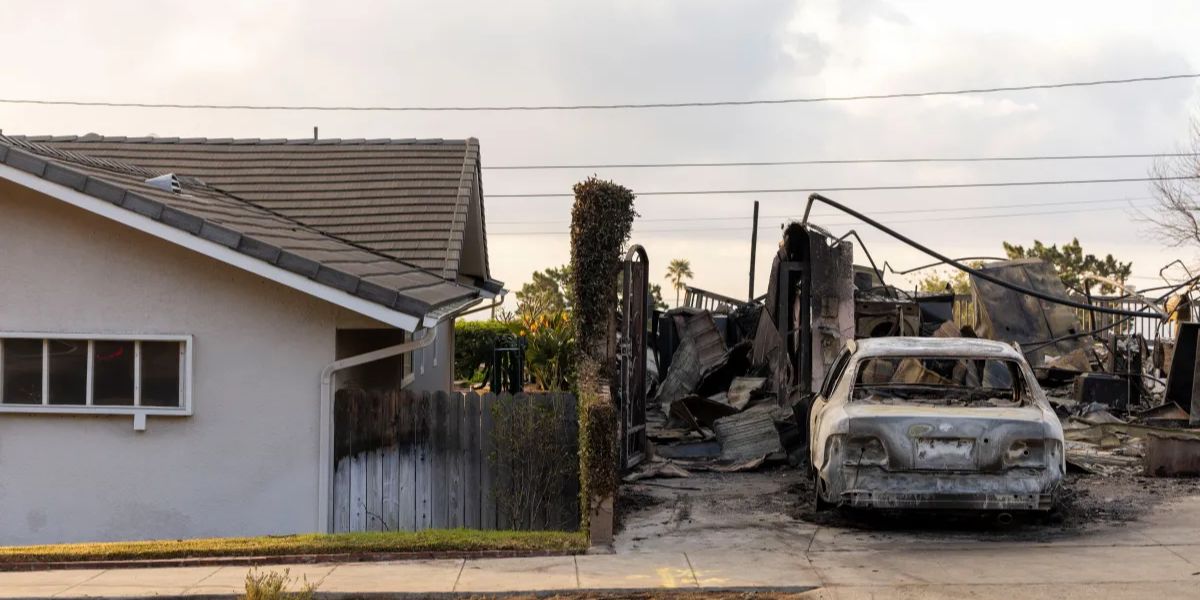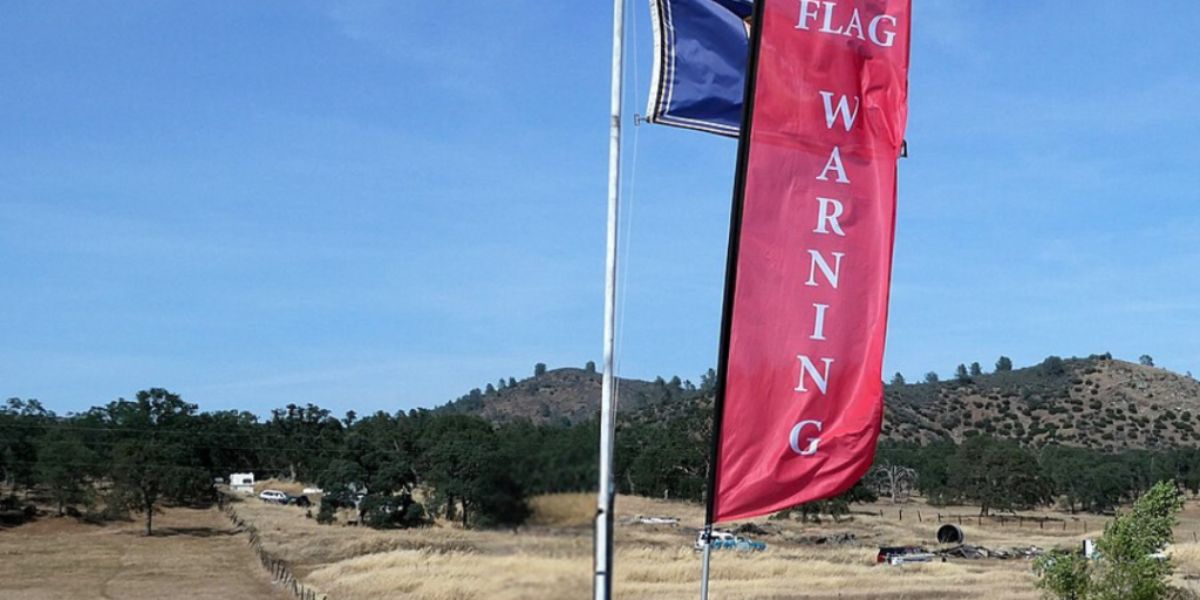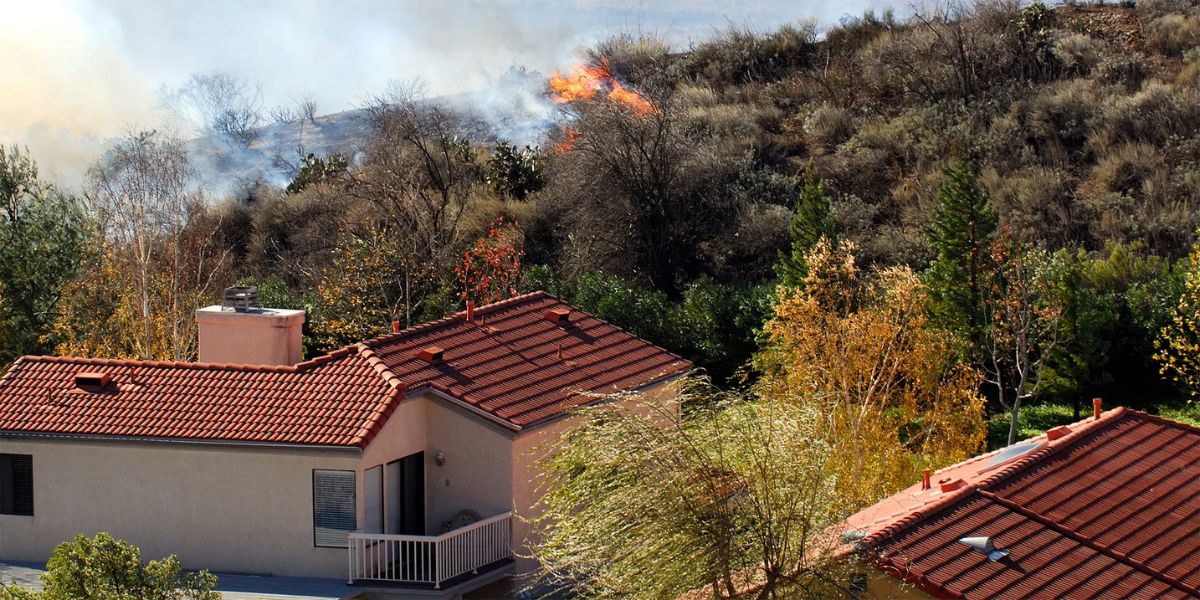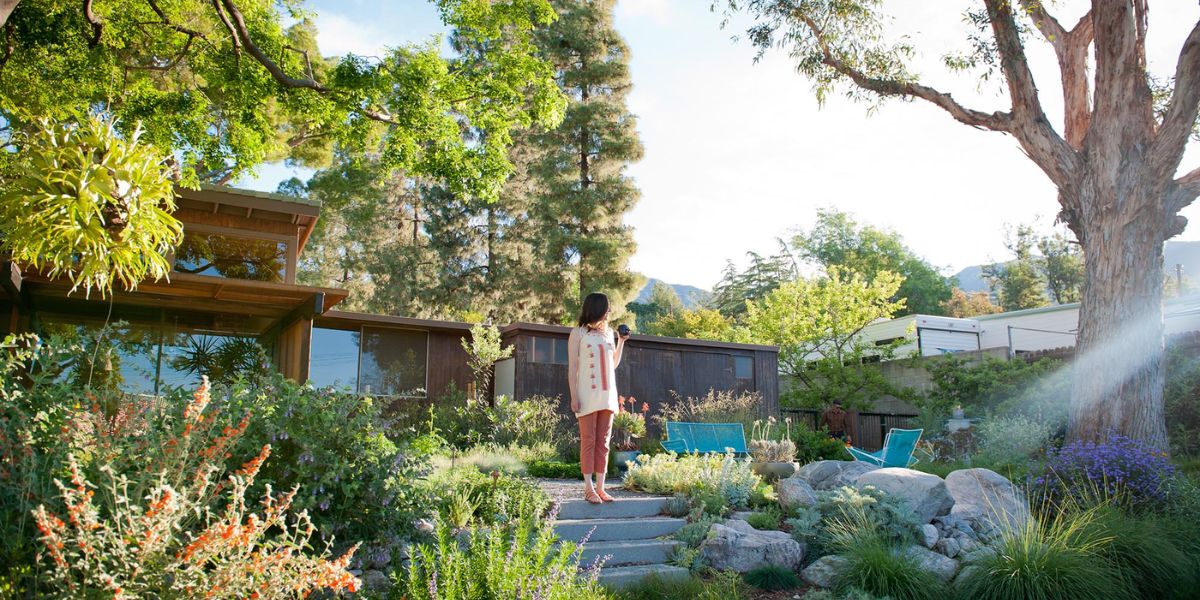
With wildfire seasons growing longer and hotter, Los Angeles homeowners are increasingly turning to fire-resistant landscaping as a way to protect their properties while maintaining curb appeal. Choosing the right plants can make a dramatic difference in how fire behaves around your home. Fire-resistant doesn’t mean fireproof—but these plants can help slow the spread of flames, reduce radiant heat, and provide defensible space that could save lives and property.
Understanding Fire-Resistant Landscaping
Fire-resistant landscaping, also known as firescaping, focuses on selecting plants and layout designs that minimise flammability. The goal is to create natural fire breaks—zones that slow down or deflect fires away from structures.
Table of Contents
In Los Angeles, where dry brush and Santa Ana winds fuel many wildfires, homeowners in hillside or foothill communities benefit most from using low-oil, high-moisture, and slow-growing vegetation. Combined with good spacing, irrigation, and maintenance, these plants become a crucial layer of home protection.
Top Fire-Resistant Plants for Southern California Homes
Los Angeles offers an ideal climate for drought-tolerant yet resilient plant varieties. Here are some top picks that combine safety, beauty, and local adaptability.
1. California Lilac (Ceanothus)
A native shrub that thrives in dry conditions, California Lilac produces stunning blue or purple blooms and requires little water once established. Its low resin content makes it a safer choice than other dense shrubs.
2. Toyon (Heteromeles arbutifolia)
Also known as Christmas berry, Toyon is a classic California native that provides year-round greenery and bright red berries in winter. Its leaves are leathery and moisture-rich, making them less likely to ignite.
3. Manzanita (Arctostaphylos)
This evergreen shrub’s smooth red bark and compact shape make it a favourite among LA landscapers. Select low-growing varieties, as taller ones may develop dead wood that needs pruning to maintain fire safety.
4. California Fuchsia (Epilobium canum)
Known for its vibrant orange-red flowers, California Fuchsia attracts hummingbirds and resists both drought and flames. It’s perfect for ground cover or borders in sunny spots.
5. Deer Grass (Muhlenbergia rigens)
This ornamental grass adds movement and texture to gardens without adding fuel. It’s clump-forming and maintains green foliage longer than many other grass species during dry months.
6. Lavender (Lavandula spp.)
While aromatic, lavender contains less oil than most other fragrant plants. It grows well in rocky or sandy soil and serves as a beautiful border plant that can help limit fire spread.
7. Salvia (Sage species)
Several California-native sage varieties, like Cleveland Sage and White Sage, are drought-tolerant and fire-resistant. Their silvery leaves reflect sunlight, helping keep surrounding areas cooler.
8. Yarrow (Achillea millefolium)
This perennial is low-growing, dense, and moisture-retaining, which reduces its flammability. Its white or yellow flowers brighten up landscapes and thrive with minimal water.
9. Rockrose (Cistus spp.)
Although semi-woody, Rockrose species have high moisture content in their leaves, giving them an advantage in fire-prone zones. They also provide year-round greenery with minimal care.
10. Agave (Agave americana and others)
Succulents like Agave are natural fire buffers. Their thick, water-filled leaves act as a heat barrier, making them one of the best choices for perimeter planting in Los Angeles yards.
Strategic Placement Matters
Even the best plant choices can lose effectiveness if planted too close together or too near structures. Experts recommend these spacing principles for LA homeowners:
- Maintain at least 5 feet of non-combustible space between structures and vegetation.
- Prune low branches and remove dead leaves or debris frequently.
- Group plants by water needs to ensure consistent moisture.
- Use gravel or stone pathways to separate planting zones and slow fire spread.
Combining Beauty and Safety
Los Angeles landscaping doesn’t have to sacrifice beauty for safety. Mixing fire-resistant species with native succulents, perennials, and ground covers can create a lush yet protective environment. Consider layering: low plants near the home, medium shrubs further out, and taller trees in the outer zone to reduce vertical fire spread.
Regular maintenance is just as critical as plant selection. A well-watered, clean landscape can make the difference between minor scorching and catastrophic loss.
Partnering with Local Experts
Local fire departments and organizations such as Los Angeles County Fire Department’s Forestry Division and Cal Fire’s Ready for Wildfire program provide resources and plant lists tailored to Southern California’s microclimates. Working with a licensed landscape designer familiar with defensible space regulations can help ensure compliance with state and county standards.
Final Thoughts
In a region where wildfire risk is part of life, your landscaping choices can be one of the most practical defences. Thoughtful planning, consistent maintenance, and smart plant selection not only protect your home but also contribute to a safer community.
What do you think of these fire-resistant plant ideas? Share your thoughts or your own experiences with Los Angeles landscaping in the comments below at BeReadyLA.org.