Los Angeles is no stranger to natural disasters, from earthquakes to wildfires, floods, and even civil unrest. In times of crisis, residents turn to many different resources for help—government agencies, local nonprofits, and community leaders. However, one often overlooked yet critical pillar of support comes from faith-based organizations.
These organizations, deeply embedded in their local communities, are in a unique position to assist in disaster recovery efforts. Their established trust, infrastructure, and networks of volunteers make them invaluable resources in both immediate relief and long-term recovery efforts. Here’s how faith-based organizations can play a crucial role in helping Los Angeles communities bounce back after a disaster.
Table of Contents
Providing Immediate Relief to Affected Communities
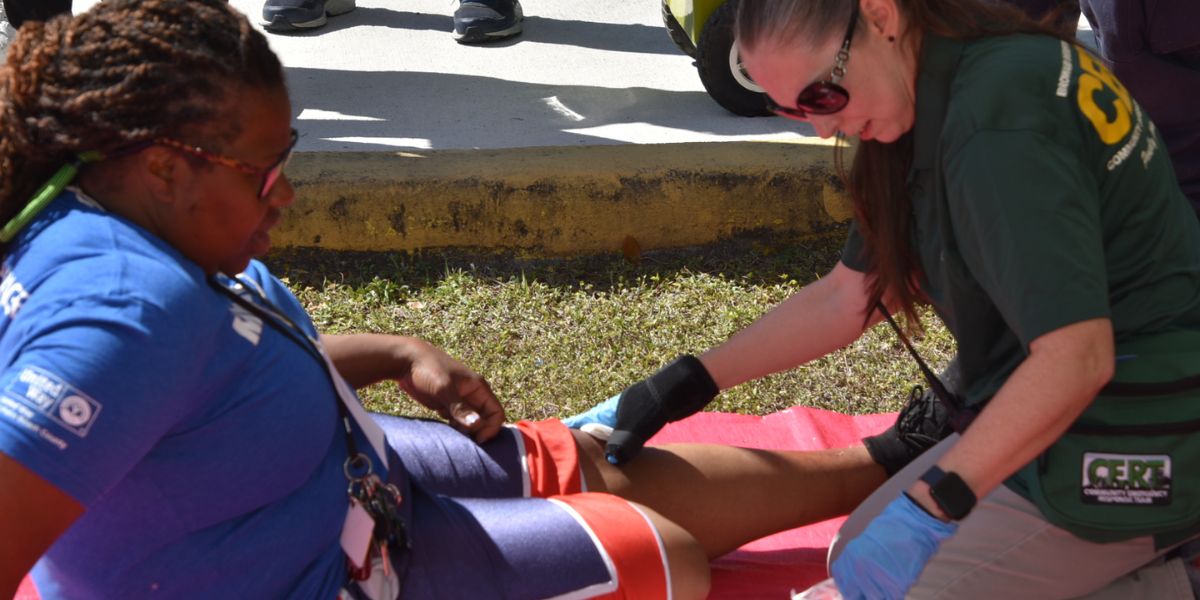
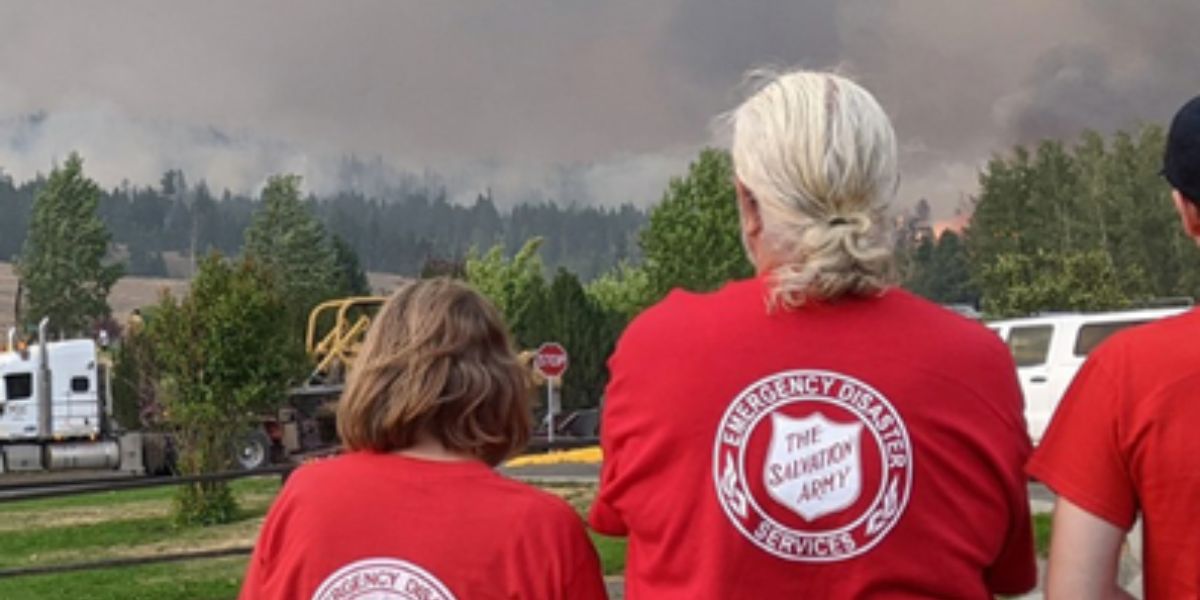
Faith-based organizations often act as the first responders during a disaster, providing immediate aid such as food, shelter, and medical support. These organizations can quickly mobilize volunteers and resources, sometimes even before the official disaster response teams arrive.
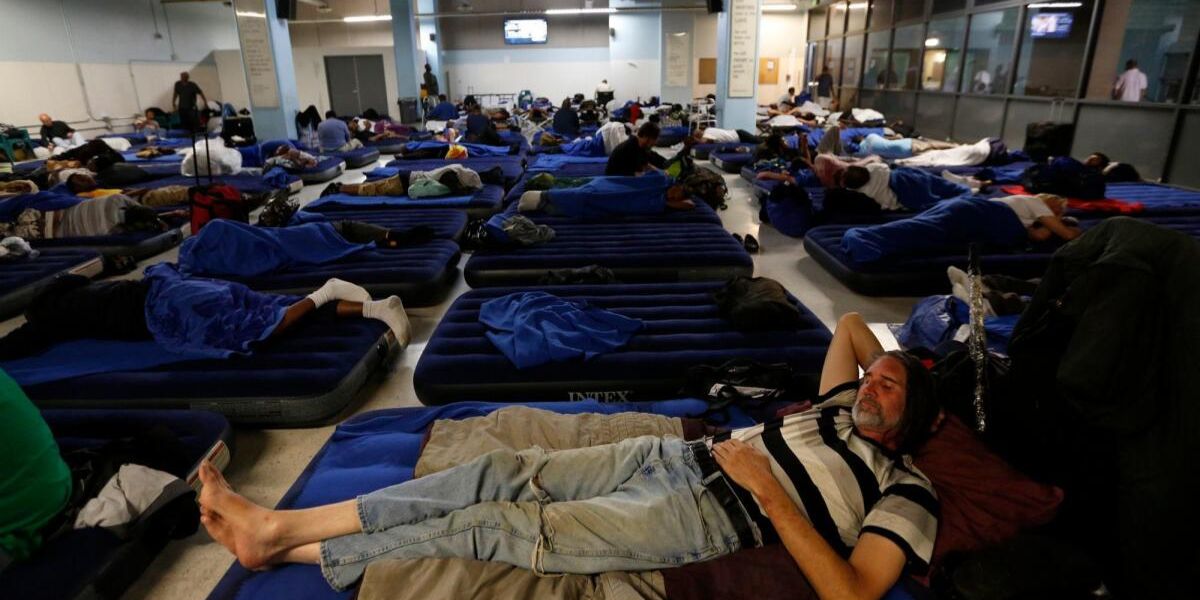
- Shelters: Churches and synagogues often open their doors to provide emergency shelter to families displaced by fires, floods, or earthquakes.
- Food and Supplies: Many religious institutions operate food pantries and can distribute meals and essential items to families in need immediately after a disaster.
- Mental Health Support: Religious leaders, trained in pastoral counseling, offer emotional and spiritual care to those who have lost their homes, loved ones, or livelihoods.
In a city like Los Angeles, where diverse faith communities coexist, these organizations are crucial in offering relief to all affected residents, regardless of background.
Coordinating Community Resources for Long-Term Recovery
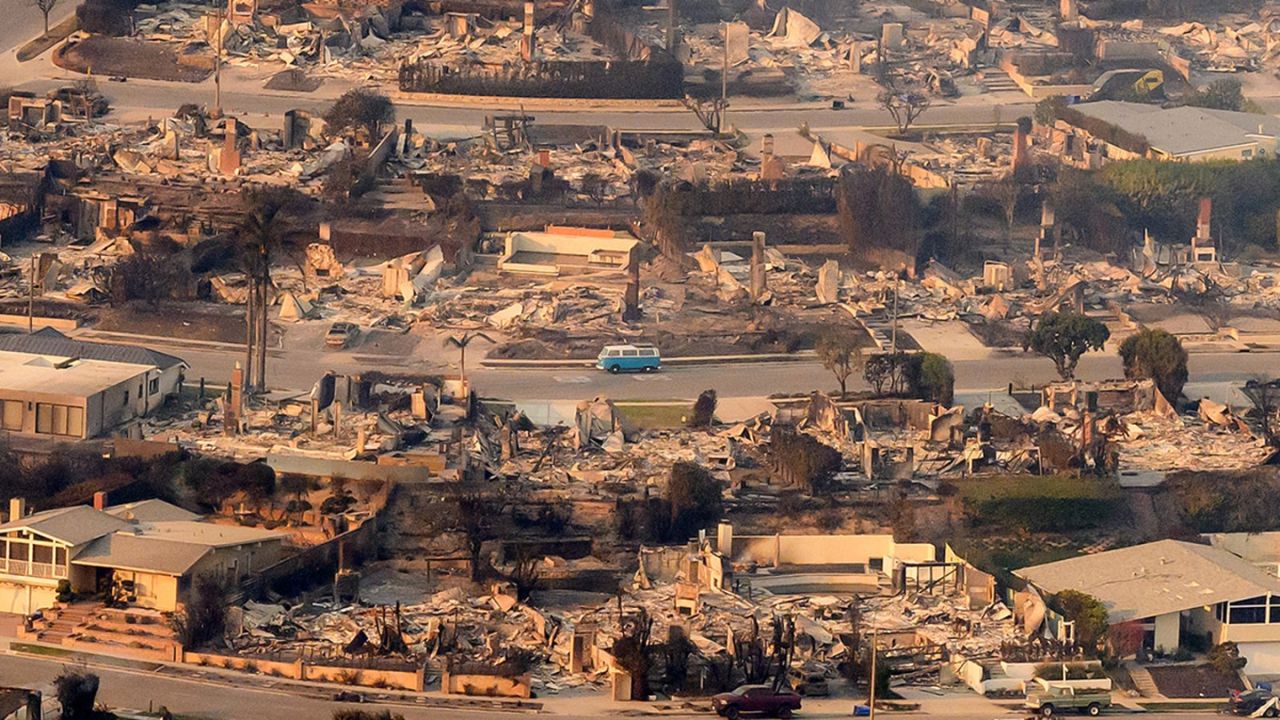
Beyond the initial relief phase, faith-based organizations continue to play an essential role in coordinating recovery efforts. They often become central hubs where people in need can access resources, information, and ongoing support.
- Case Management: Many faith-based organizations set up disaster recovery teams to help individuals navigate insurance claims, government assistance programs, and rebuilding efforts.
- Partnerships with Local Governments: Faith-based organizations often partner with local government and FEMA to distribute grants or provide disaster-related services.
- Fundraising and Grants: These organizations frequently lead efforts to raise funds for long-term recovery. Whether through church donations or larger interfaith fundraising events, they gather vital resources that can go toward rebuilding homes and infrastructure.
Their long-standing presence in neighborhoods allows them to act as trusted intermediaries, helping to connect residents with both governmental and private recovery resources.
Volunteer Networks and Grassroots Outreach
One of the most significant strengths of faith-based organizations in disaster recovery is their extensive volunteer networks. These organizations already have a pool of trained, dedicated individuals who are often eager to assist in their local communities.
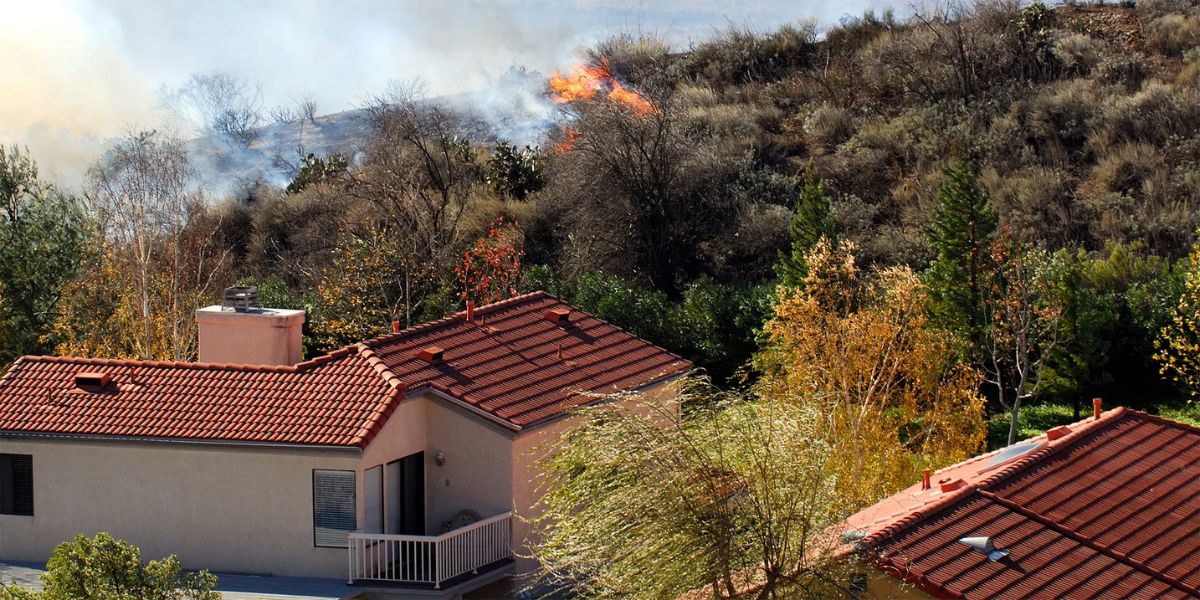
- Volunteer Mobilization: Whether it’s organizing clean-up crews after a wildfire or distributing supplies, faith-based organizations can rally their volunteers quickly to provide much-needed manpower.
- Training for Disaster Preparedness: Many faith-based groups host training sessions on emergency preparedness, teaching community members how to respond to disasters before they strike.
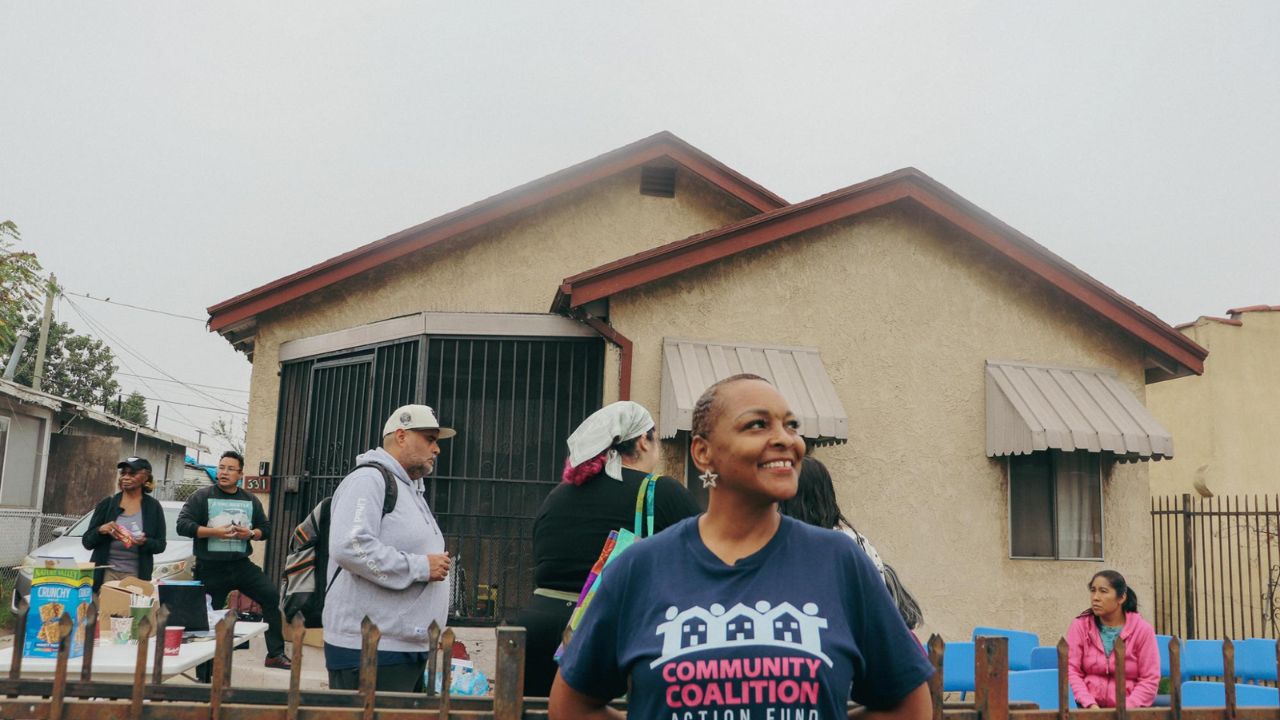
- Localized Outreach: Faith communities often serve as a trusted voice, particularly in immigrant and underserved communities, to ensure that all individuals know where to access resources during and after a disaster.
In a city as vast and diverse as Los Angeles, where neighborhoods can often feel fragmented, faith-based organizations offer a unified network of support that reaches everyone.
Providing Spiritual and Emotional Support
While the physical recovery from a disaster is critical, the emotional toll is often just as devastating. Faith-based organizations can provide unique emotional and spiritual care that addresses the mental health needs of individuals and families.
- Grief Counseling: After traumatic events, many people experience loss—of loved ones, their homes, or their sense of safety. Faith leaders are often the first people individuals turn to when seeking comfort and guidance.
- Support Groups: Many churches, mosques, and synagogues host support groups to help people process their emotions and rebuild their mental resilience.
- Healing Services: Faith-based organizations often offer special services, like memorial services, to honor lives lost in disasters, helping communities heal and come together.
This holistic approach to recovery—balancing the physical and emotional needs of individuals—makes faith-based organizations uniquely suited to supporting long-term recovery.
Advocacy for Vulnerable Communities
Los Angeles is home to some of the most vulnerable populations in the United States, including low-income families, immigrants, and the homeless. Faith-based organizations have a long history of advocacy for these communities, ensuring they are not overlooked in disaster recovery efforts.
- Representation and Voice: Faith leaders often speak out on behalf of underserved communities to ensure their needs are addressed in disaster recovery plans.
- Access to Resources: These organizations help marginalized groups navigate bureaucracy and access the benefits they’re entitled to, ensuring that no one falls through the cracks.
Through their networks and advocacy, faith-based groups often help amplify the voices of those who are most vulnerable in the aftermath of a disaster.
Conclusion
Faith-based organizations have proven to be indispensable partners in disaster recovery efforts in Los Angeles. Their ability to provide immediate relief, coordinate long-term recovery, mobilize volunteers, and offer emotional support makes them invaluable in any crisis.
The trust and infrastructure that these organizations have within their communities allow them to act quickly and efficiently, ensuring that recovery reaches all Angelenos, regardless of race, religion, or background.
Are you involved with a faith-based organization in Los Angeles? How has your group contributed to disaster recovery efforts? Share your experiences in the comments below and let’s strengthen our community together.