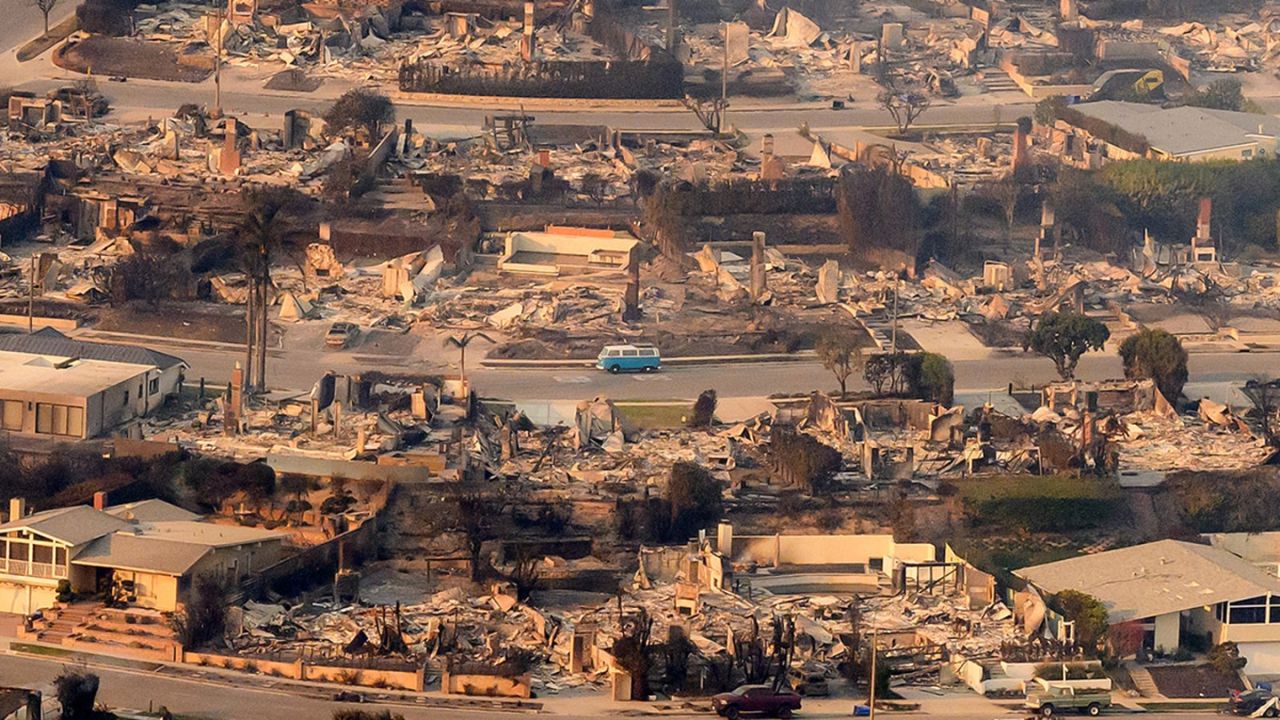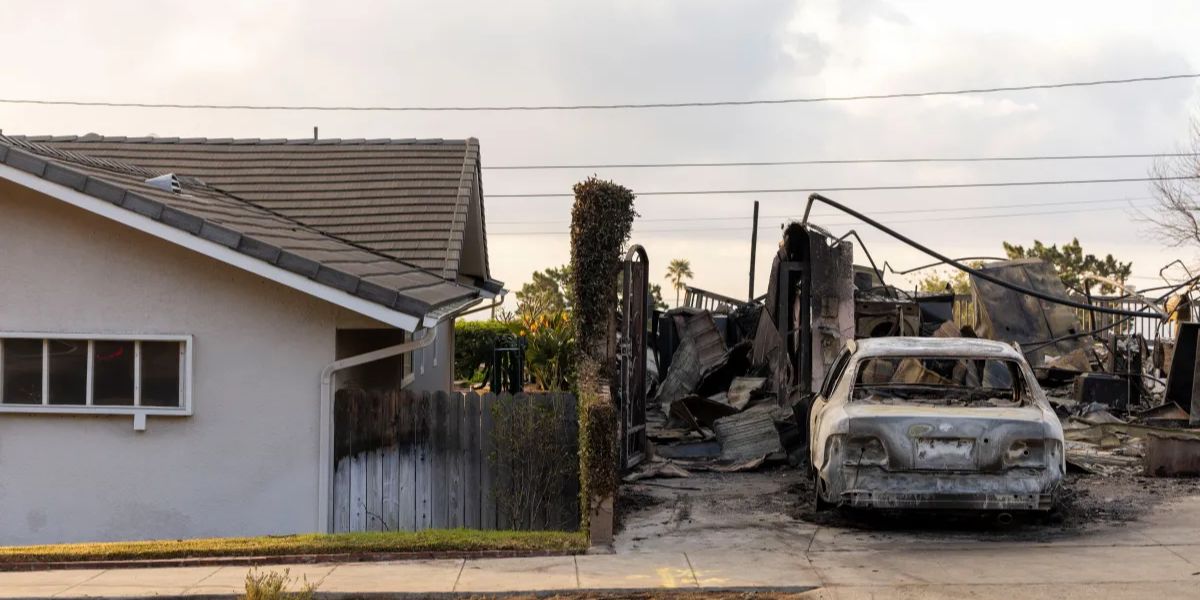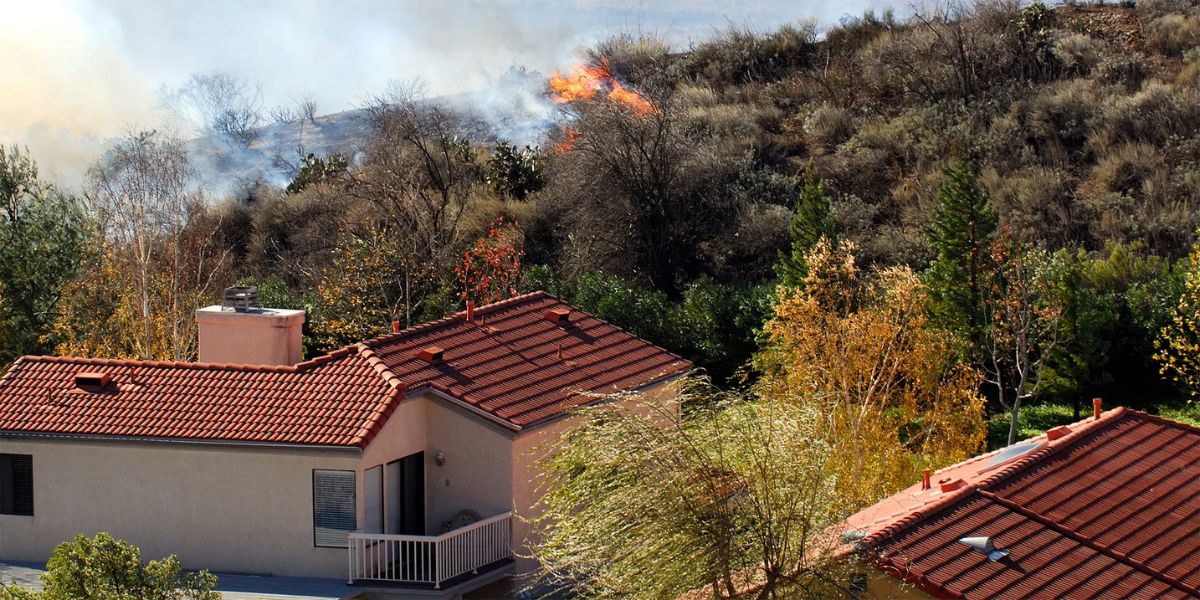
Los Angeles is no stranger to the risk of wildfires, and with this risk comes a significant impact on the air quality in the region. Wildfires, especially during the hot, dry summer months, can drastically degrade the air quality, leading to serious health concerns for residents and complicating wildfire preparedness efforts. In this article, we’ll explore how LA’s air quality directly impacts wildfire preparedness plans and how you can adjust your emergency plans to better protect yourself and your family.
Understanding the Impact of Wildfires on Air Quality in Los Angeles
The connection between wildfires and air quality is direct and undeniable. During a wildfire, the combination of smoke, particulate matter, and other pollutants can significantly worsen air quality across vast areas of Southern California. LA, being surrounded by dense forests, dry landscapes, and high-risk areas, often sees air quality plummet during fire season.
Table of Contents
Wildfires release harmful substances like carbon monoxide, particulate matter (PM2.5), and volatile organic compounds (VOCs) into the air. These pollutants can travel miles from the fire’s source, affecting communities far from the fire’s actual location. The particulate matter (PM2.5), which is fine enough to penetrate deep into the lungs, can lead to a range of health issues, from shortness of breath to more serious conditions like asthma, bronchitis, and even cardiovascular problems.
The lesson for residents is clear: wildfire smoke can affect not just those living near the fire, but large swaths of the surrounding area, including Los Angeles.
How Wildfire Smoke Affects Your Health and Safety
During wildfire season, air quality often reaches hazardous levels, especially in areas downwind of active fires. The Environmental Protection Agency (EPA) measures air quality using the Air Quality Index (AQI), which indicates the level of health concern for the general population. In LA, when wildfires occur, AQI levels often rise to “unhealthy” or even “hazardous” categories, putting people with respiratory conditions, children, the elderly, and anyone with heart disease at risk.
In these conditions, even healthy individuals can experience irritation of the eyes, nose, and throat, along with coughing, shortness of breath, and fatigue. For vulnerable groups, including people with existing respiratory issues, wildfire smoke can exacerbate their conditions, leading to hospitalizations or long-term health problems.
This creates an additional layer of urgency in LA’s wildfire preparedness plans, where taking air quality into consideration is crucial for both immediate health concerns and long-term safety.
Adjusting Your Wildfire Preparedness Plans with Air Quality in Mind
Given the adverse impact of poor air quality during a wildfire, it’s essential to include air quality considerations in your wildfire preparedness plan. Here’s how you can adjust your plans to account for air quality changes:
1. Stay Informed About Air Quality and Wildfire Risks
One of the most important things you can do during fire season is stay informed. Regularly check air quality reports via the EPA’s AirNow website or the South Coast Air Quality Management District’s updates for Los Angeles. These will help you stay aware of the current air quality in your area, allowing you to adjust your actions accordingly.
2. Create an Indoor Shelter Plan
When air quality deteriorates due to wildfire smoke, it’s essential to create an indoor shelter plan. Ensure your home is equipped with air purifiers, especially those designed to filter out fine particles like PM2.5. Make sure to keep windows and doors sealed, and avoid using air conditioners that draw in outside air.
If air quality becomes hazardous, it’s a good idea to stay indoors and limit any outdoor activity. If you don’t have an air purifier, consider using a portable air filter with a HEPA filter to help clear the air in your home.
3. Wear Protective Gear if Necessary
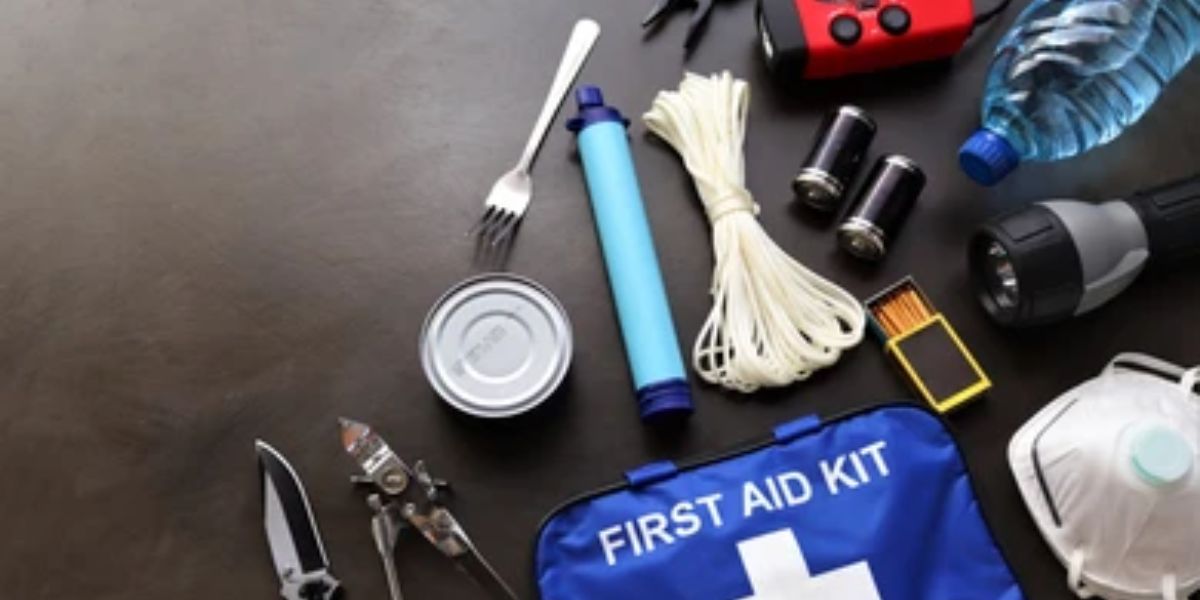
For individuals who need to go outside during a wildfire, wearing a properly fitting N95 mask can help filter out the harmful particulate matter in the air. The N95 mask is designed to block at least 95% of airborne particles, including wildfire smoke.
In addition, protective eyewear can prevent irritation to the eyes caused by smoke, ash, and other airborne pollutants. This is especially important for those with pre-existing respiratory issues or those who are more vulnerable.
4. Prepare an Evacuation Plan Based on Air Quality
If a wildfire approaches and the air quality worsens, you may need to evacuate. Your evacuation plan should include not only safe routes but also considerations for air quality. Be sure to check for real-time updates on both evacuation routes and current air quality levels before leaving.
It’s also important to have a list of indoor places with good air filtration in your evacuation plan, such as community centers or shelters equipped to provide air purifiers.
The Role of Community in Wildfire Air Quality Management
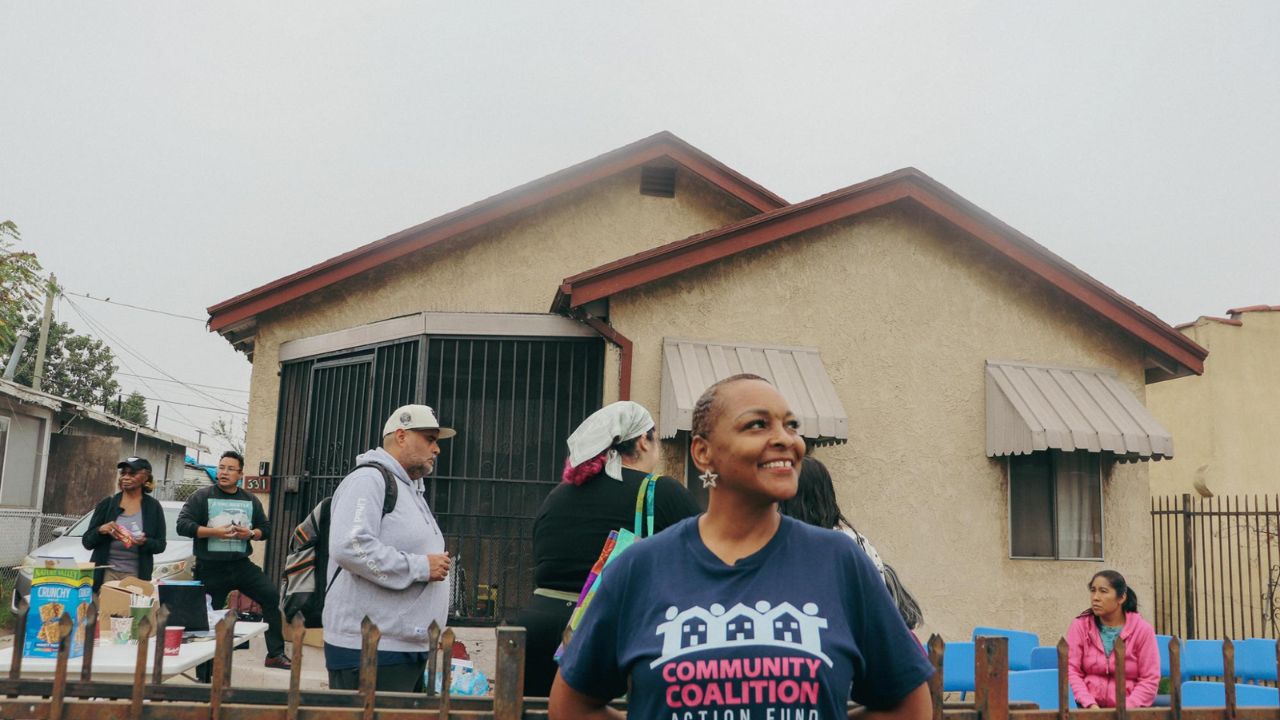
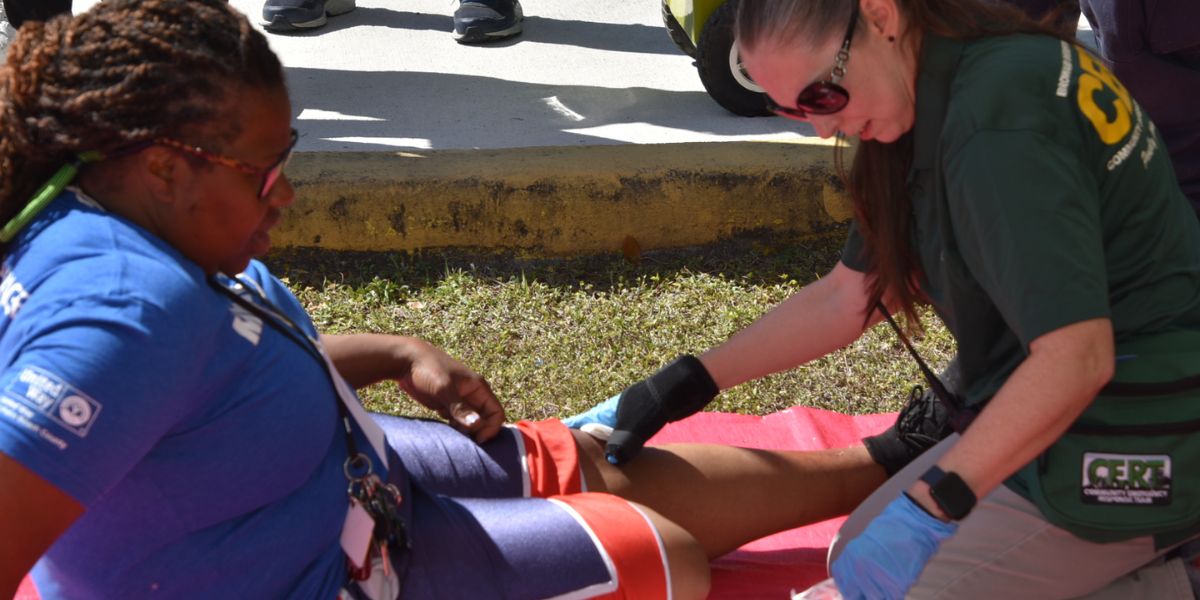
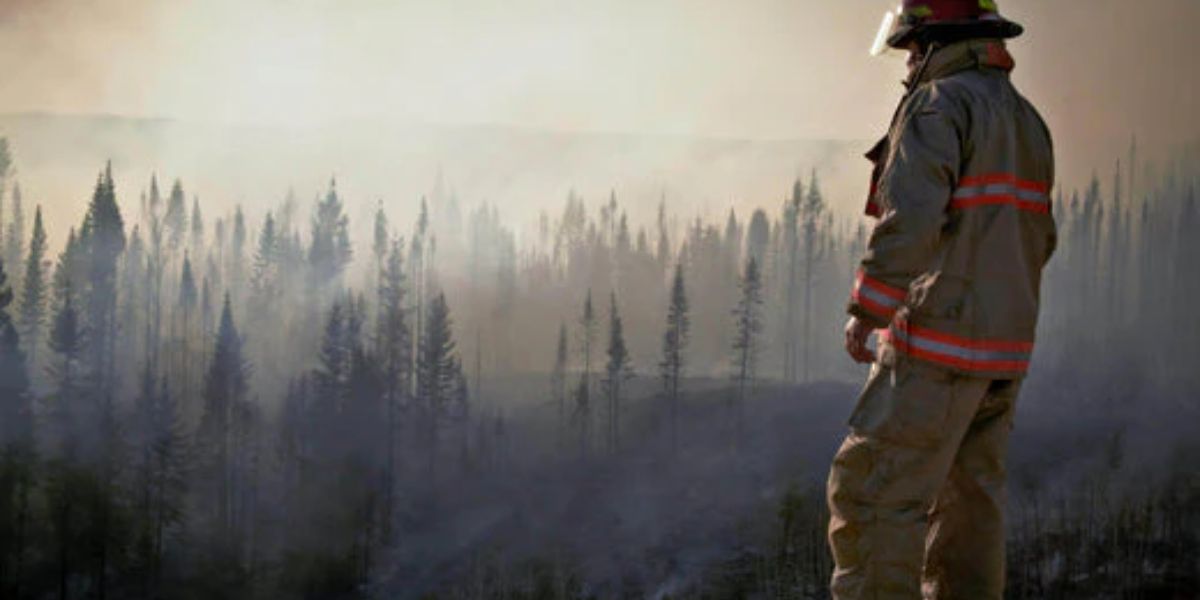
In LA, community preparedness plays a key role in helping residents manage the impacts of wildfire smoke. Local government and emergency response teams regularly update communities with air quality alerts and evacuation plans. Community centers and shelters may serve as temporary refuge for those with respiratory issues or those who do not have air conditioning or air purifiers at home.
It’s crucial to stay connected with your neighbors, especially those who may be more vulnerable. Regularly check on the elderly, people with respiratory conditions, and young children to ensure they are safe and have access to clean air.
Conclusion: Be Proactive in Preparing for Wildfires and Poor Air Quality
Wildfire season in Los Angeles can significantly impact air quality, posing serious health risks for residents. By understanding the relationship between wildfire smoke and air quality, you can adjust your wildfire preparedness plans to ensure your safety. Stay informed, create a shelter plan, use protective gear when necessary, and prepare for potential evacuation based on air quality updates.
As part of your comprehensive emergency plan, it’s also important to stay connected with your community and local resources to ensure you have access to shelter and clean air when needed.
Stay safe and be ready for wildfire season in Los Angeles. For more resources on wildfire preparedness, visit Be Ready LA, and take the steps to safeguard your health and community today.