Los Angeles faces a unique mix of natural hazards, from earthquakes and wildfires to extreme heat events and severe winter storms. Because emergencies can strike without warning, neighbourhoods need reliable, accessible spaces where residents can stay safe. Local schools are among the most practical and community-trusted options. With their large buildings, open grounds and established infrastructure, schools can serve as powerful lifelines during disasters — but only if planning is done in advance.
Why Schools Are Ideal Shelter Locations
Schools are already designed to accommodate large groups of people and meet essential safety standards. Most campuses include classrooms, auditoriums, gyms and multipurpose areas that can be adapted quickly for temporary shelter needs. Their locations are familiar to residents, making them easier to reach during chaotic moments.
Table of Contents
Schools also offer several practical advantages:
- Robust construction that meets seismic and fire-safety standards
- Kitchens, restrooms and water access
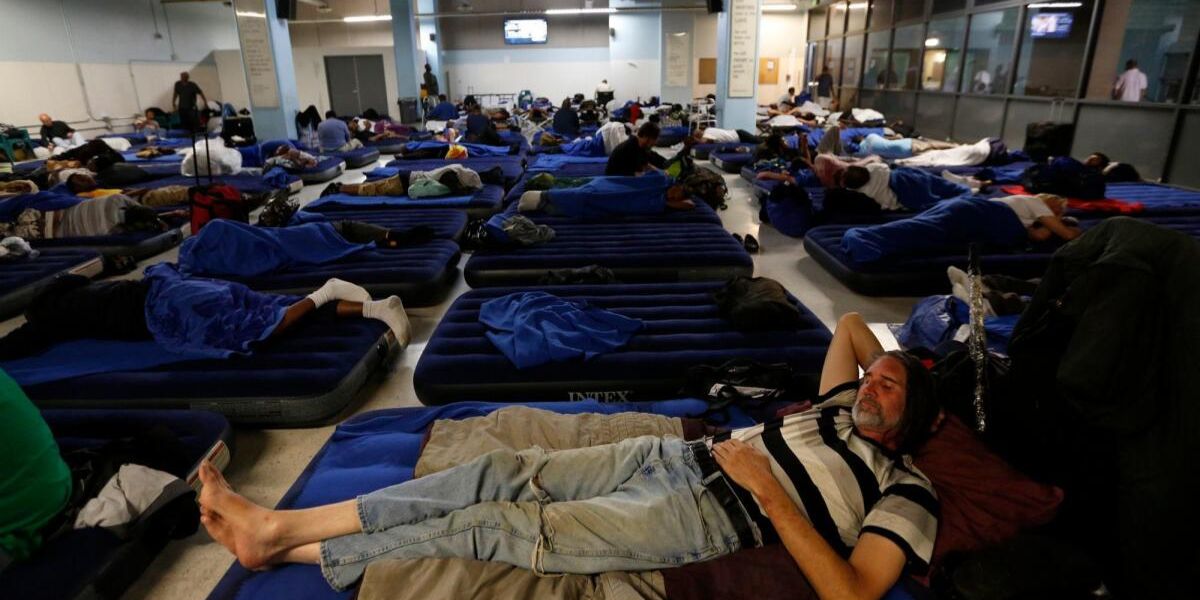
- Large indoor spaces suitable for cots, medical stations and family areas
Because of these features, schools can transition into emergency shelters more efficiently than many other public facilities.
Key Infrastructure Needed for Shelter Conversion
To function effectively during an emergency, schools need certain baseline infrastructure. While many already meet some requirements, a few targeted improvements can transform them into fully capable shelter hubs.
Power and Utility Resilience
Shelters must remain operational even when the grid is down. Backup generators, solar battery systems and protected electrical panels can ensure lighting, communication and basic climate control remain available. Schools with solar installations or microgrid capabilities offer even greater resilience during extended outages.
Space Planning for Safety and Comfort
Different areas within a school can serve different shelter purposes:
- Gyms can hold the largest number of evacuees
- Classrooms can be designated as quiet rooms, senior areas or family spaces
- Cafeterias can handle meal service
- Outdoor grounds can support logistics, supply drop-offs and responder staging
A clear layout prevents overcrowding and keeps movement organised.
The Role of Staff and Volunteers
Having the right people on site is just as important as having the right facilities. Schools may host a combination of district staff, city emergency personnel and trained community volunteers.
Training for School Employees
Basic preparedness training helps teachers, custodial teams and administrators understand shelter operations. Topics may include light first aid, intake and registration, fire-watch patrols and coordination with the Los Angeles Emergency Management Department.
Community Volunteers Boost Capacity
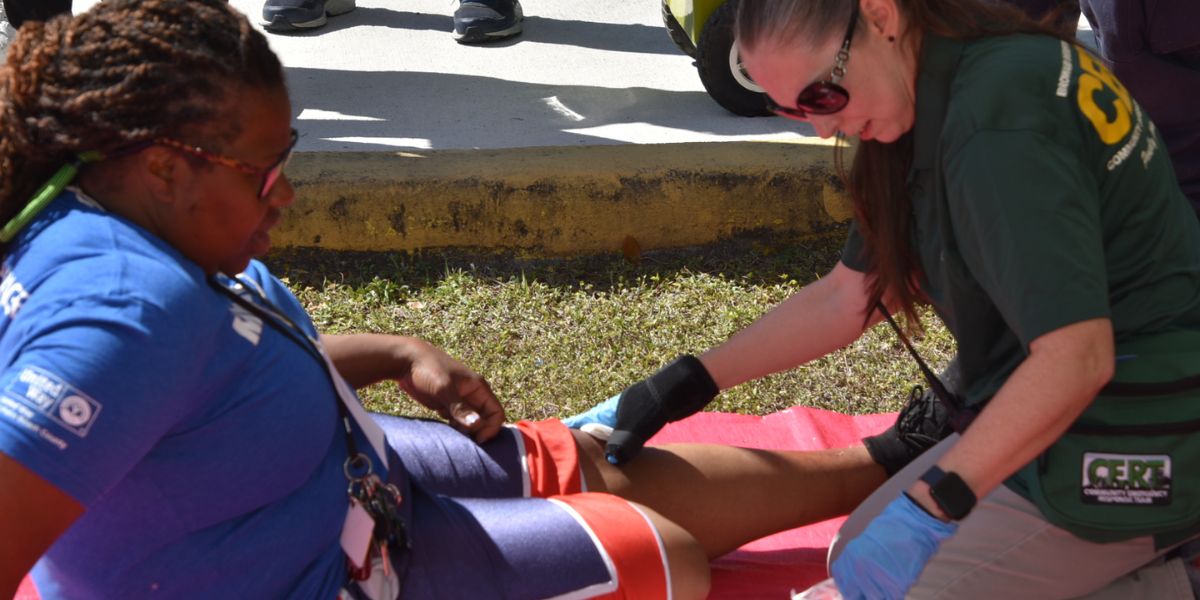
Los Angeles neighbourhoods have strong networks, including CERT groups, faith organisations and community associations. These volunteers can play essential roles in:
- Distributing supplies
- Supporting evacuee registration
- Assisting families, seniors and people with disabilities
- Helping manage communication flow
A trained volunteer database linked to local schools ensures adequate staffing when crises occur.
Addressing Accessibility, Equity and Special Needs
A shelter must be safe and accessible for every resident. That includes making sure facilities comply with ADA standards, have wheelchair-friendly pathways and include designated spaces for people with medical needs, infants or sensory sensitivities.
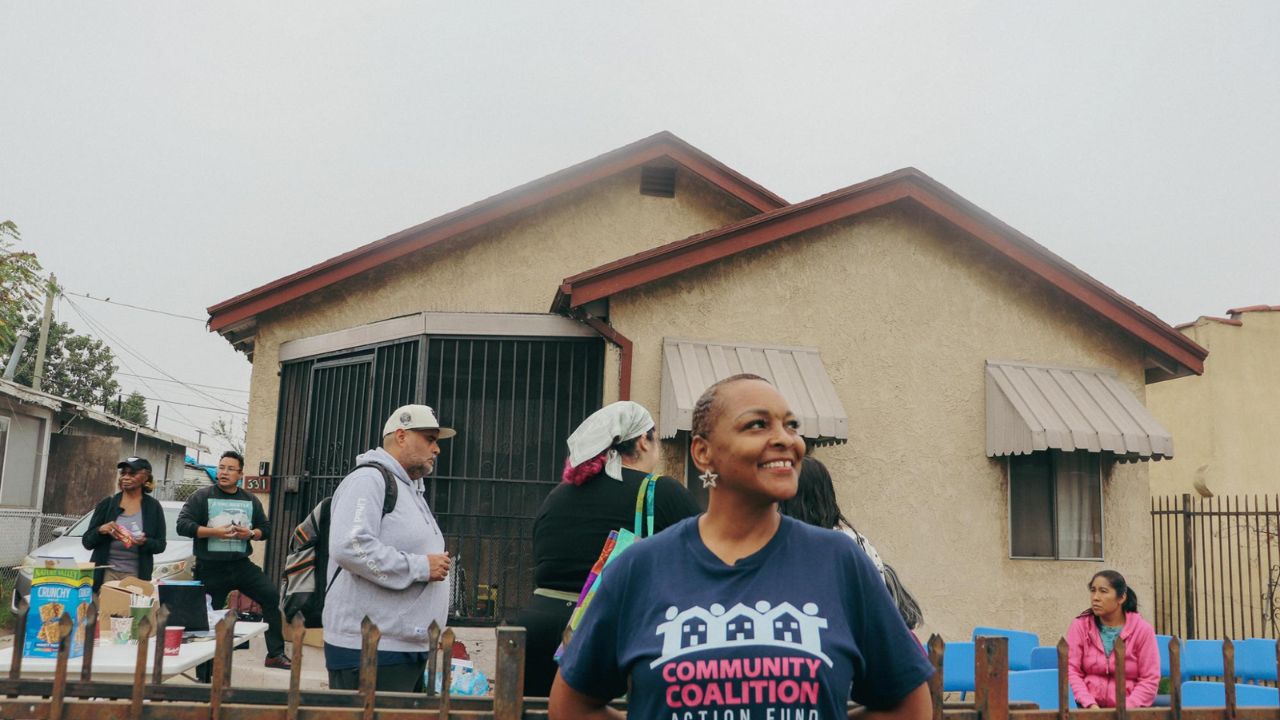
Equity considerations are equally important. Los Angeles contains diverse communities, including undocumented residents, unhoused individuals and those without personal transportation. Trusted spaces like schools can reduce fear, stigma and confusion — but only if messaging before and during emergencies is clear, multilingual and inclusive.
Food, Supplies and Shelter Logistics
A school that transforms into an emergency shelter must be stocked or quickly supplied with essentials. District kitchens are often ready for mass meal preparation, but additional resources may be needed, including:
- Bottled water
- Blankets and cots
- Hygiene kits
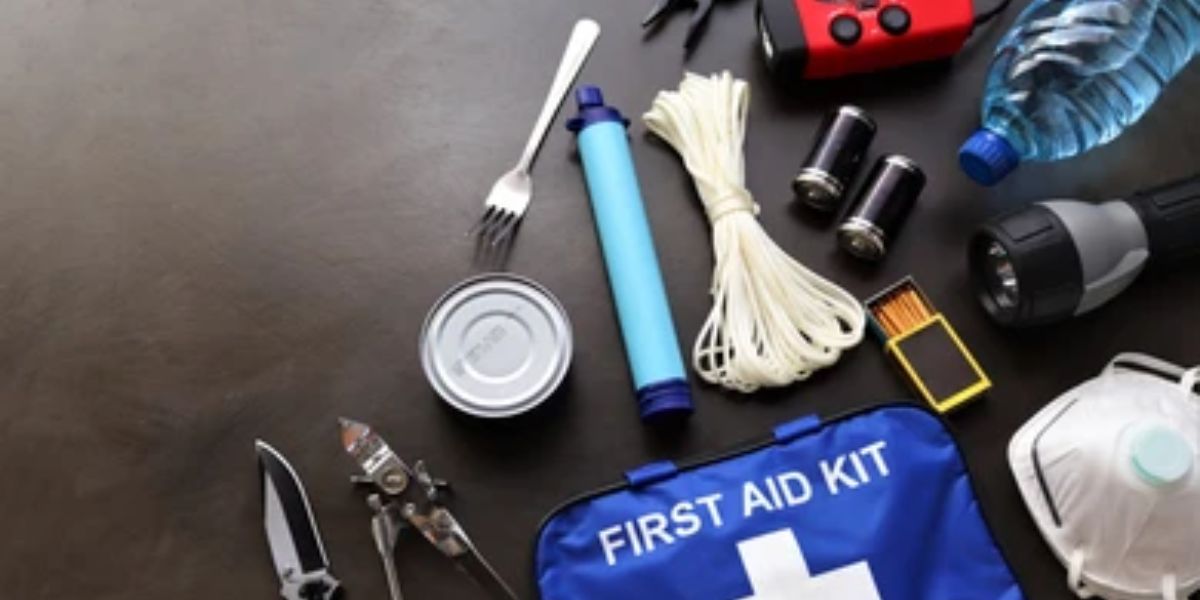
- Medications and first-aid supplies
- Communication equipment
Pre-positioned supplies can shorten setup time. Partnerships with local organisations, including nonprofits, churches and community groups, can also help maintain a steady supply flow.
How Schools Fit into a Wider LA Preparedness Strategy
Schools cannot function in isolation. Their success as shelters depends on coordination across agencies such as LAUSD, Los Angeles Fire Department, Los Angeles County OEM and local neighbourhood councils. When all partners have a unified plan, schools become powerful anchors within the city’s broader emergency response system.
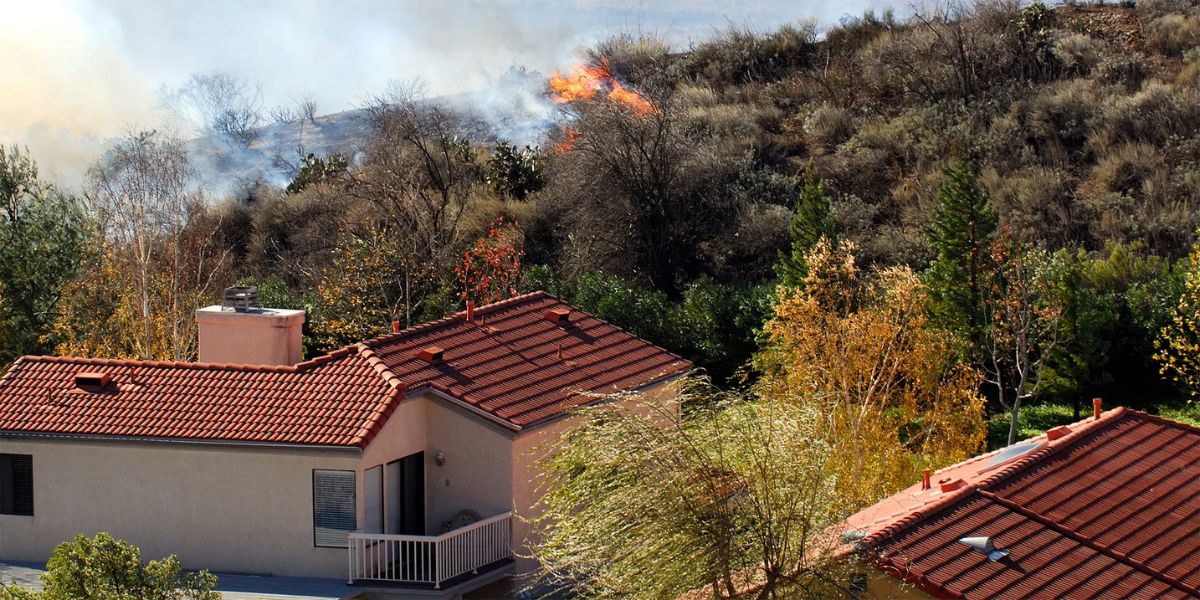
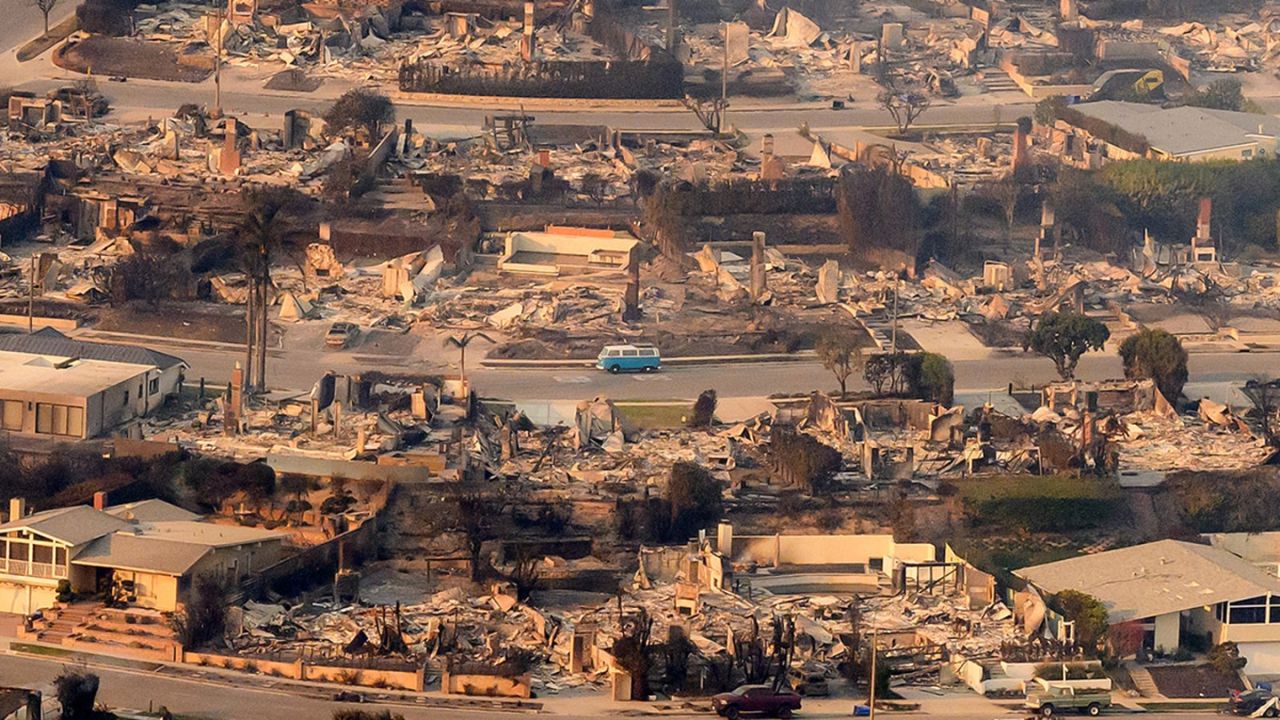
In high-risk areas, especially in the foothill communities prone to wildfire evacuation, schools can serve as temporary safety hubs while larger regional shelters prepare to receive evacuees. In earthquake scenarios, they may become longer-term shelters until infrastructure stabilises.
Steps Residents Can Take Now
Residents can help strengthen their neighbourhood shelter network by taking a few proactive steps:
- Learn which local schools are designated as potential shelters
- Participate in community preparedness workshops
- Encourage PTA and school leadership involvement in emergency planning
- Join volunteer response groups like CERT
- Prepare home emergency kits so shelters can prioritise those most in need
The more informed the community, the smoother the shelter activation process will be when a disaster strikes.
Final Takeaway
Local schools are more than educational institutions; they are community anchors capable of keeping thousands of Angelenos safe during a crisis. With thoughtful planning, infrastructure improvements, trained staff and active neighbourhood involvement, Los Angeles can transform its schools into reliable emergency shelters ready to protect lives during the city’s most challenging moments.
What do you think of this? Share your thoughts in the comments below on BeReadyLA.org.