Creating a neighbourhood response team is one of the most effective ways for Los Angeles residents to prepare for emergencies. With the city facing earthquakes, wildfires, extreme heat, and power outages, a well-organised local team can make the difference between confusion and coordinated safety. Building this team does not require specialised training at the start—just commitment, communication, and a plan. This article explains how LA residents can organise their block, set responsibilities, and create a reliable structure for community resilience.
Understanding Why Neighbourhood Response Teams Matter in Los Angeles
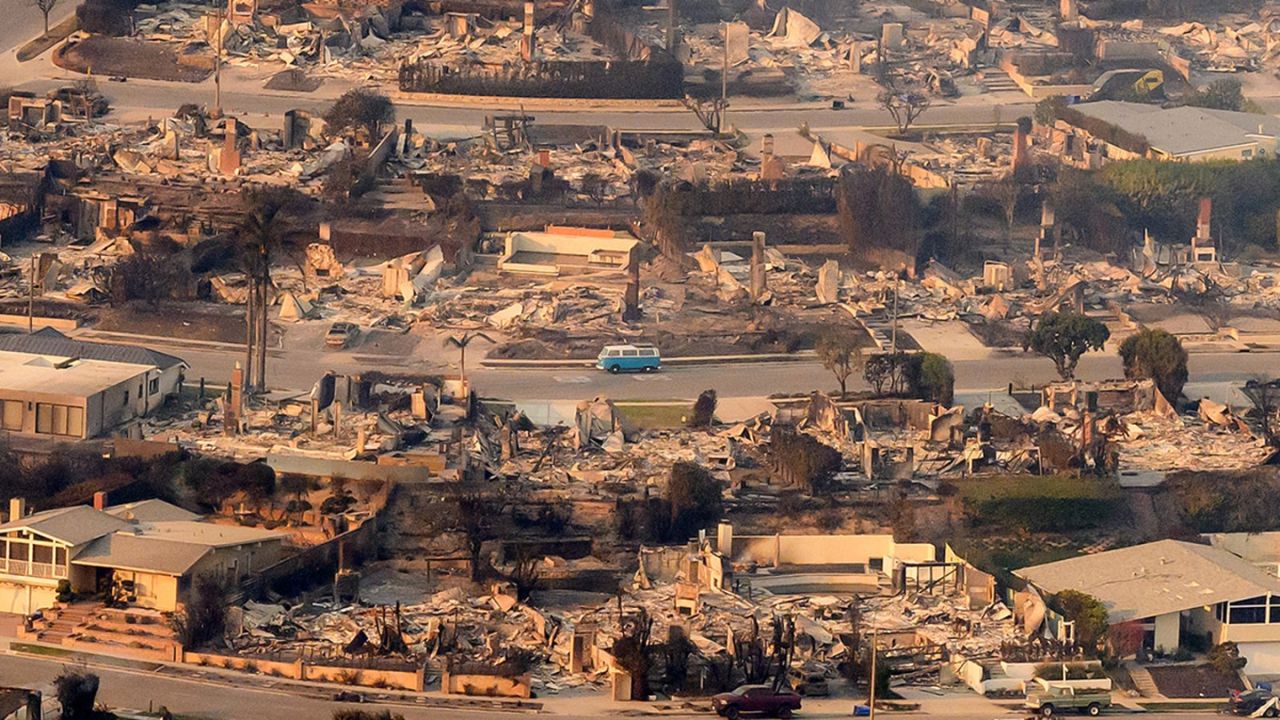
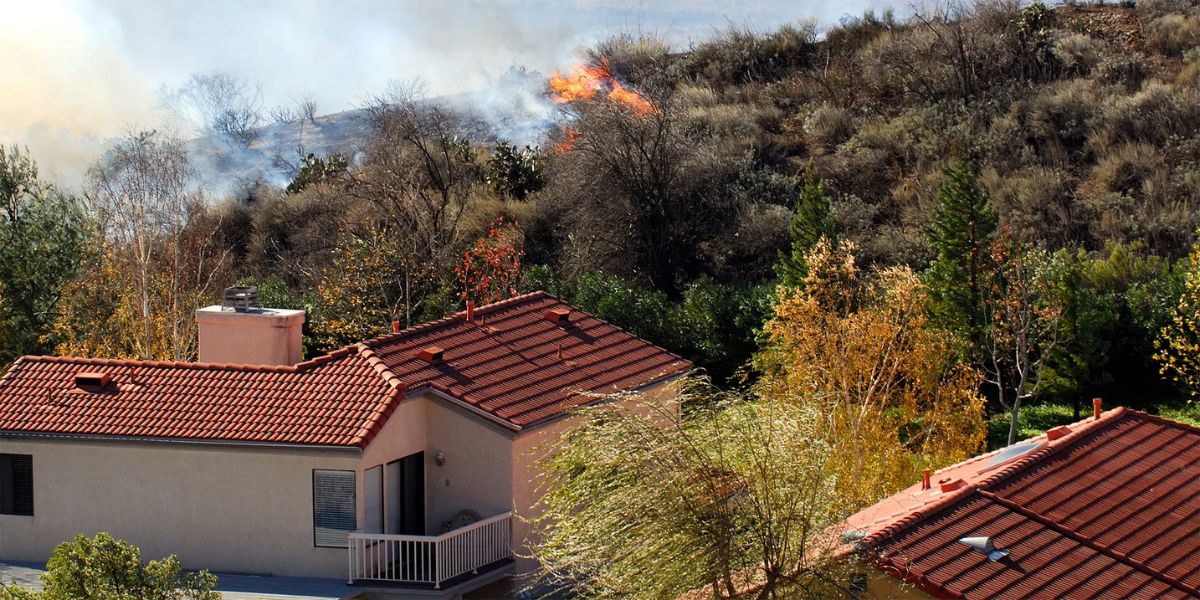
Los Angeles communities regularly face hazards ranging from wildfire smoke to seismic activity. During disasters, emergency services may take time to reach every neighbourhood, especially in dense urban areas or high-risk hillside zones. A neighbourhood team helps residents support one another until official assistance arrives.
Table of Contents
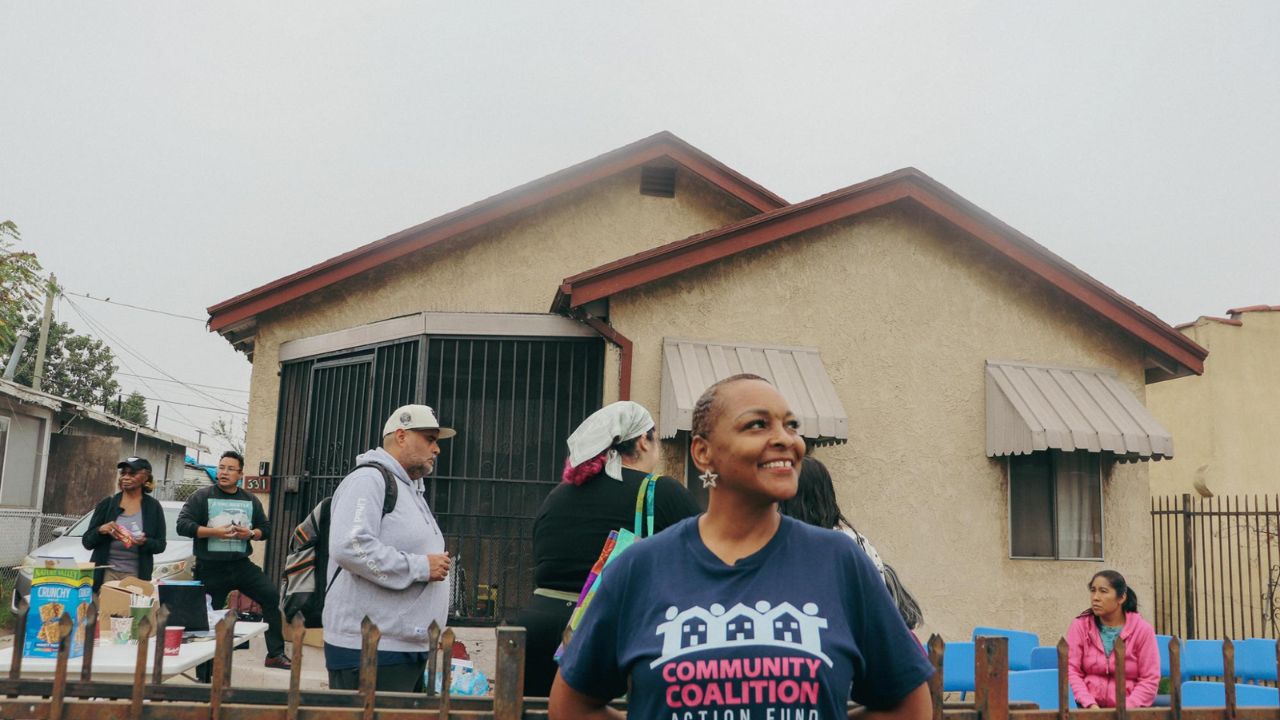
Local response teams also strengthen everyday relationships. When neighbours know each other, they share information faster, coordinate resources, and assist vulnerable residents more effectively.
Identifying Key Members and Roles for the Response Team
A strong response team begins with identifying people who are willing to help. Roles don’t need to be rigid, but clarity improves speed during emergencies.
Team Leader and Communication Coordinator
The team leader keeps the group organised and ensures responsibilities are clear. The communication coordinator manages message chains, distributes alerts, and ensures everyone receives updates quickly.
Block Captains
Block captains manage smaller clusters of homes. They check on residents after an incident, report issues to the team leader, and help coordinate supplies.
Safety and Logistics Volunteers
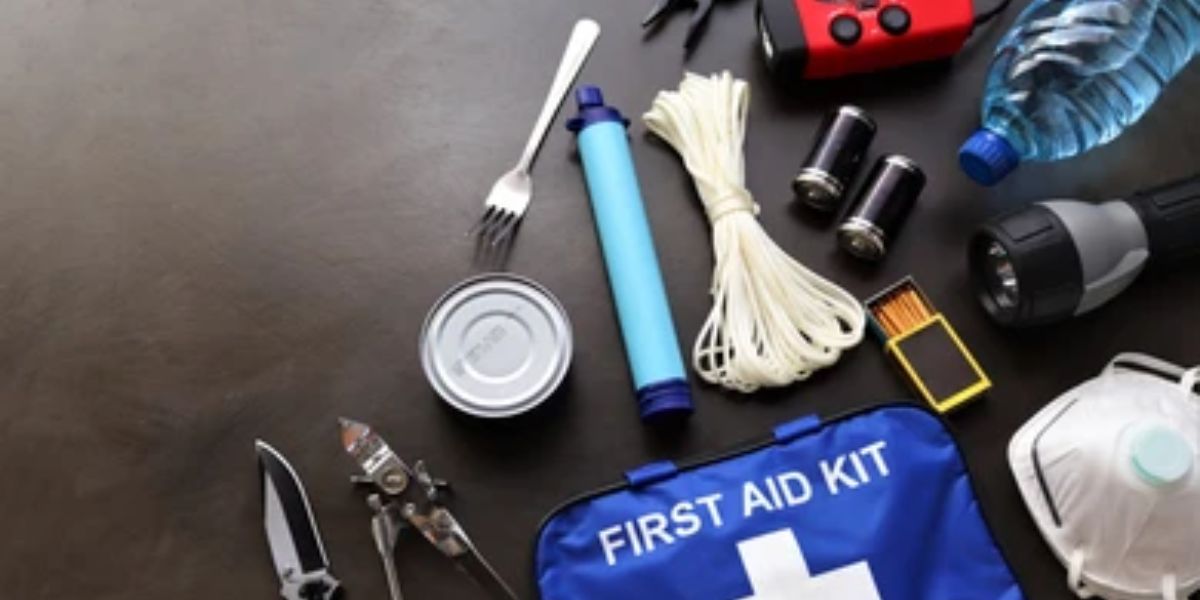
This group focuses on gathering essential items such as first-aid kits, torches, water, and maps. They also identify residents with medical needs, mobility challenges, or pets requiring extra assistance.
Training & Skills Support
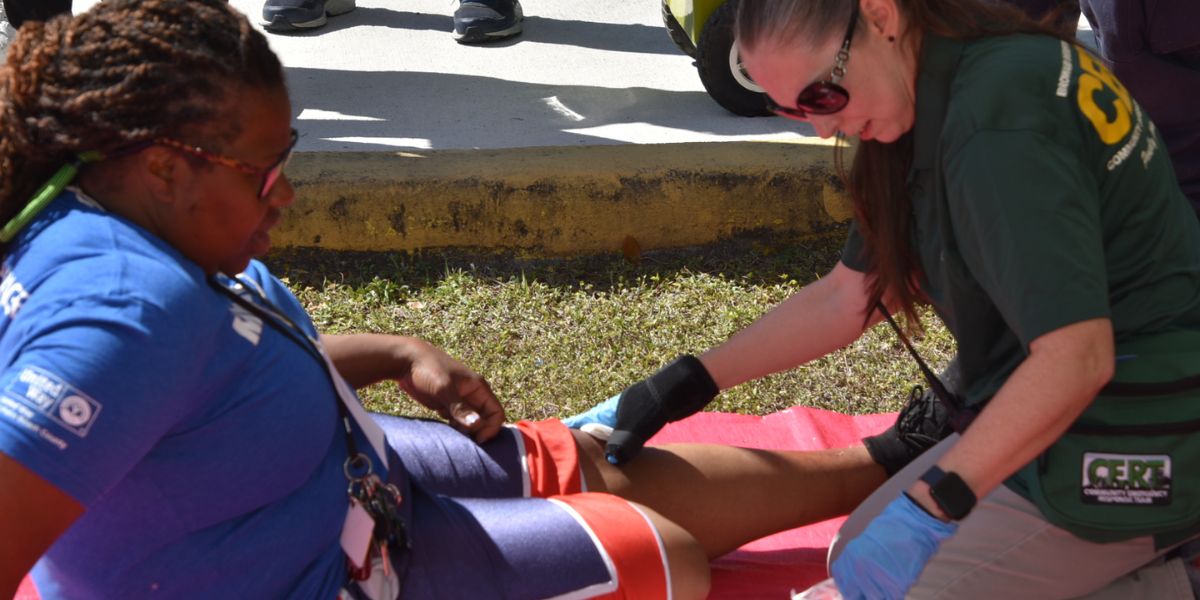
If any neighbours have specialised expertise—nurses, CERT volunteers, engineers, or people with first-aid training—they can guide the team and run occasional practice sessions.
Mapping Your Block and Assessing Local Risks
A neighbourhood response team must understand the specific risks of its location. Every LA block has a different profile.
Creating a Simple Block Map
Your map should include:
• Each home or apartment unit
• Contact numbers for residents
• Locations of fire extinguishers, first-aid kits, and water storage
• Safe assembly points
• High-risk areas, such as large trees or older structures
Evaluating Local Hazards
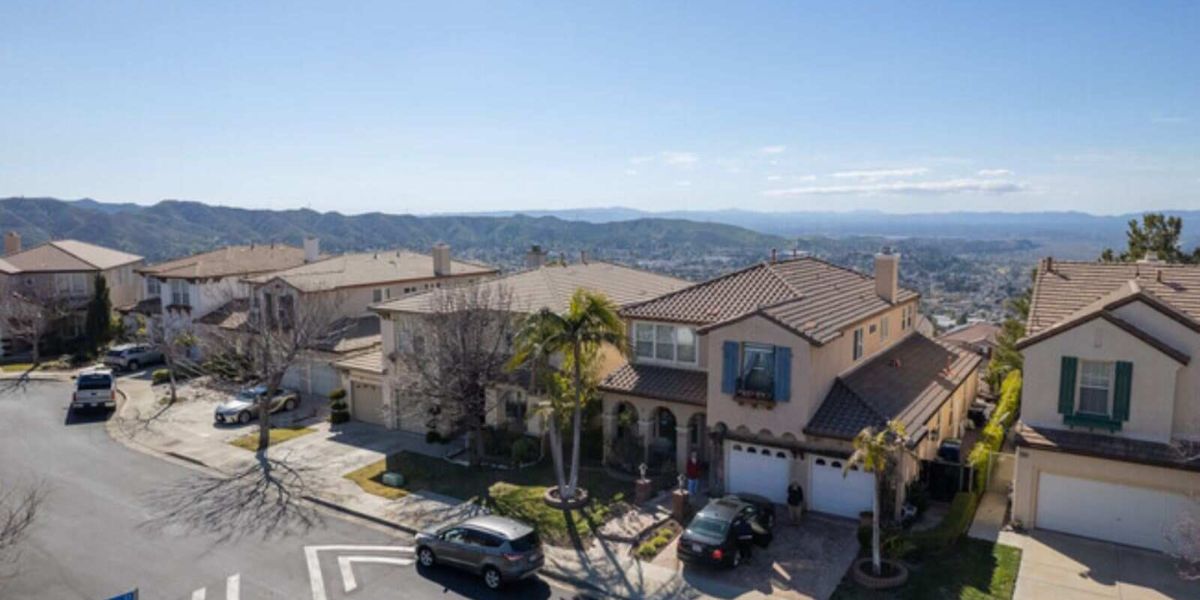
For hillside communities, wildfire risk and evacuation routes are top priorities. For Westside and downtown neighbourhoods, seismic safety and structural resilience may matter more. Coastal areas may need to plan around power outages during Santa Ana winds.
A written risk overview helps the team understand what to prioritise.
Creating an Emergency Communication Plan
Clear communication is essential in Los Angeles, where neighbourhoods are spread out and disasters can disrupt phone networks.
Primary and Secondary Communication Channels
Your team should choose a main communication method—such as a WhatsApp group, SMS chain, or group email—and a backup method if the internet fails. Printed contact cards handed to every home are still valuable.
Alert Procedures
Decide who sends the first alert, how quickly block captains respond, and where neighbours meet after an emergency. Efficiency can reduce panic and prevent misinformation.
Establishing Supplies and Shared Resources
A well-prepared team should maintain essential supplies for short-term emergencies.
• Drinking water stored in central, accessible locations
• First-aid materials suitable for injuries from falls, smoke exposure, or debris
• Torches, batteries, and power banks
• Fire extinguishers distributed across the block
• A shared list of equipment such as ladders, tools, and generators
Encouraging each household to assemble its own mini emergency kit strengthens overall preparedness.
Running Training Sessions and Practice Drills
Even basic training improves response quality. You do not need professional instructors for every session; simple drills can be facilitated by residents.
First-Aid Basics
Focus on treating cuts, burns, sprains, and smoke irritation, which are common in wildfire seasons.
Evacuation Walkthroughs
Practice walking evacuation routes together so residents know exactly where to go during a fast-moving fire or after a large earthquake.
Communication Simulations
A quick drill where the team sends a mock alert and checks response times ensures the system works smoothly.
Supporting Vulnerable Neighbours and Building Community Trust
Neighbourhood response teams are strongest when they prioritise inclusion. Older adults, disabled residents, families with young children, and pet owners all have different needs during emergencies.
Building trust also improves day-to-day community life. Hosting occasional gatherings—such as block meetings or preparedness workshops—keeps the team engaged throughout the year.
Keeping Your Team Active All Year Round
Emergency readiness is ongoing. Set a quarterly schedule for updates, equipment checks, and communication tests. Review lessons learned from real incidents or city-wide alerts.
A neighbourhood team that remains active year-round is far more resilient during sudden events.
Conclusion
A neighbourhood response team empowers Los Angeles residents to protect their families and support one another when disaster strikes. With clear roles, communication plans, shared resources, and regular practice, any block can become significantly safer. Building this team is not only about emergency preparedness—it is about strengthening the fabric of the community itself.
What do you think of this? Share your thoughts in the comments below.