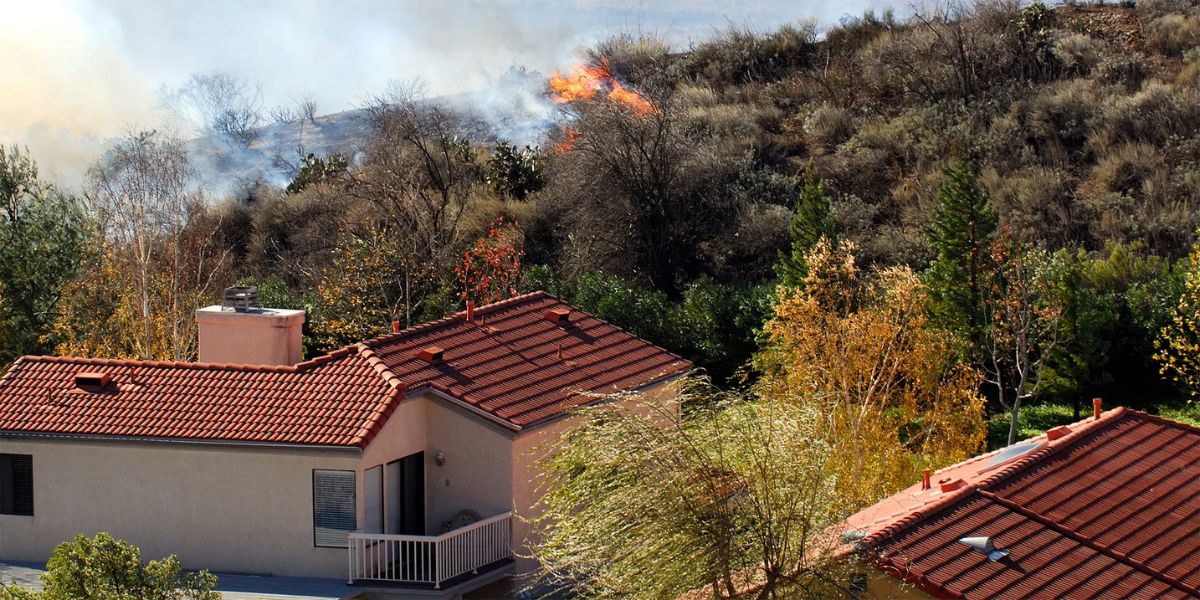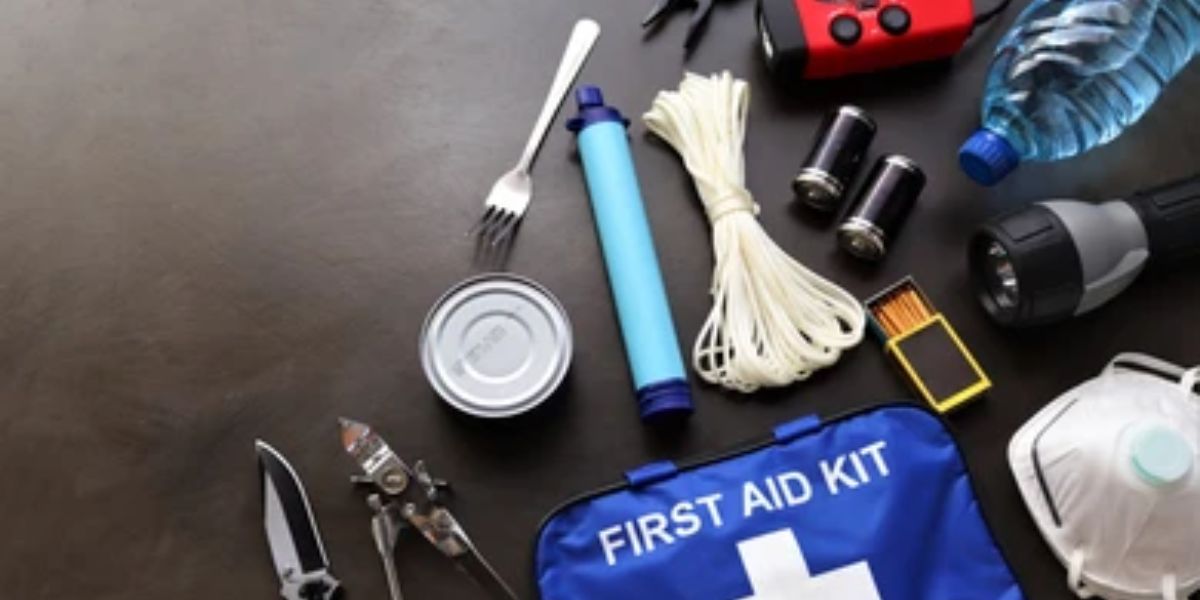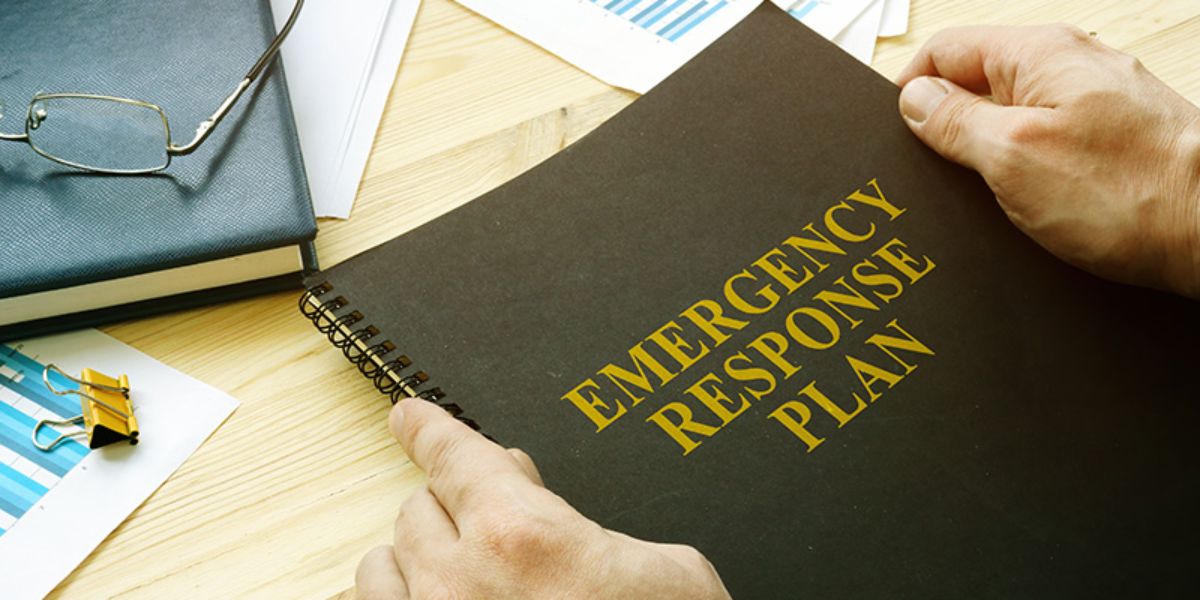
Effective emergency planning is essential for any community, especially in a city like Los Angeles, where residents face a range of natural disasters, from wildfires to earthquakes. One key element in ensuring community preparedness is coordination with your Homeowners Association (HOA). HOAs are in a unique position to help facilitate planning, communication, and support for residents in the event of an emergency. Here’s how you can work with your HOA to build a robust emergency plan that keeps everyone safe.
Understand the Role of Your HOA in Emergency Planning
Before taking action, it’s important to understand that your HOA may already have an emergency response plan in place. Some HOAs have disaster preparedness initiatives, while others may not prioritize it until residents push for it. Understanding this is the first step in collaborating with your HOA.
Table of Contents
If your HOA doesn’t yet have an emergency plan, it’s your chance to advocate for one, and it’s likely that other neighbors will be just as eager to get involved. Once you know the lay of the land, you can begin your coordination efforts effectively.
Start the Conversation: Initiate a Meeting
The first step in coordinating with your HOA is to initiate a conversation about emergency planning. This can be done through a simple email or by attending the next HOA meeting. Here’s how to approach it:
- Express your concerns: Start by explaining why emergency planning is critical for the community. Highlight specific risks that Los Angeles residents face, such as wildfires, earthquakes, and power outages.
- Propose a plan: Suggest that the HOA develop a formal emergency plan that includes evacuation routes, shelter locations, and communication systems.
- Ask for collaboration: Offer to help the HOA organize this initiative and be part of the planning process. Your knowledge of local risks and the importance of preparedness will be valuable.
Work Together to Assess Risks and Resources
Once you’ve started the conversation, collaborate with your HOA to assess the community’s vulnerabilities. Los Angeles has a variety of risks, and each neighborhood has its own set of challenges. Here are some areas to consider when conducting a risk assessment:
- Geographic location: Is your neighborhood located near wildfire-prone areas, or is it at risk for earthquakes and landslides?
- Infrastructure: Are there specific areas of your community that might face access issues during a disaster (e.g., blocked roads, collapsed bridges)?
- Critical facilities: Does your community have a local emergency shelter, fire department, or medical facility? How can these resources be integrated into the HOA’s emergency plan?
By working together to assess the risks, the HOA can prioritize its response efforts, ensuring that the most critical needs are addressed first.
Create a Clear Communication Plan
One of the most important aspects of emergency planning is communication. Ensure that your HOA has a clear communication plan in place for emergencies. This plan should outline how residents will be alerted in case of a disaster and provide multiple means of contact.
- Email and text alerts: Ensure the HOA has a system for sending mass emails or text alerts to all residents.
- Neighborhood communication groups: Encourage the HOA to set up WhatsApp or Facebook groups for real-time communication during emergencies. These platforms allow neighbors to check in on one another and share important updates.
- Printed emergency plans: Not everyone will have access to technology during a disaster. Ask the HOA to print emergency plans and distribute them to all residents. These should include evacuation routes, emergency contacts, and important safety tips.
Host Community Emergency Preparedness Events
Engaging your neighbors is crucial for any emergency plan’s success. Encourage your HOA to host community emergency preparedness events to raise awareness and involve residents in the process. Here are a few event ideas:
- Disaster preparedness workshops: Partner with local emergency response teams to provide valuable information on how to prepare for specific emergencies like earthquakes or wildfires.
- Evacuation drills: Organize practice evacuations to familiarize residents with the process and ensure that everyone knows where to go and how to get there.
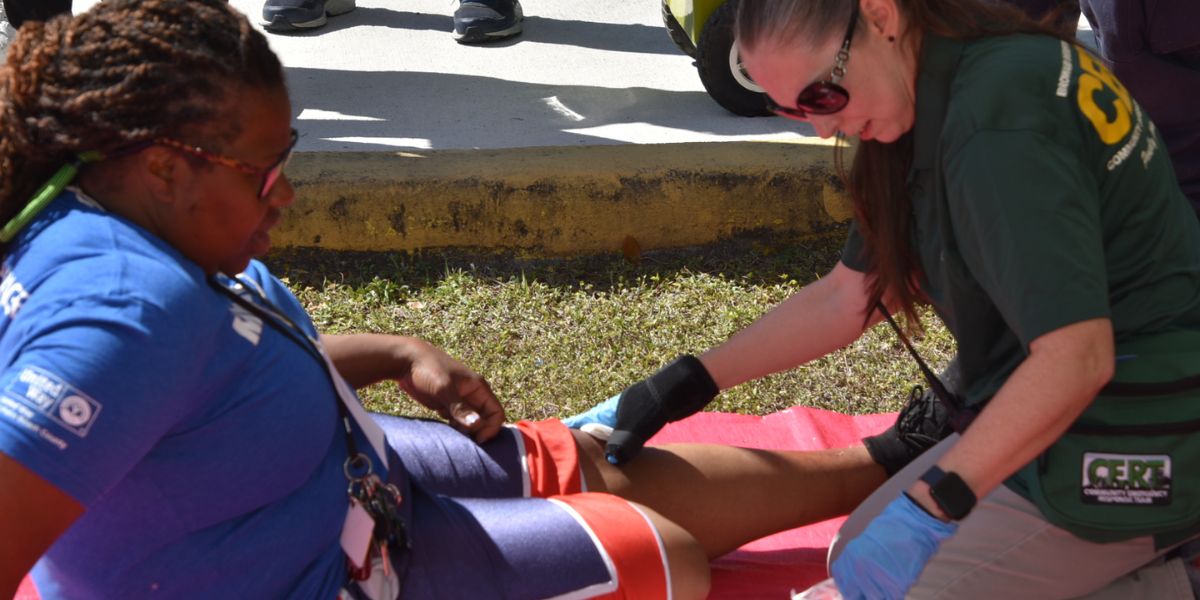
- First aid and CPR classes: These skills can save lives in an emergency. Offer training opportunities to help residents feel confident in their ability to help during a crisis.
By hosting these events, the HOA can ensure that residents are not only informed but also ready to take action if necessary.
Establish a Neighborhood Support Network
During a disaster, communities that support one another fare better. Your HOA should help establish a neighborhood support network, where residents can volunteer to help vulnerable neighbors. Some groups may include:
- Emergency response teams: Volunteers who are trained in first aid, firefighting, or search and rescue can help during a crisis.
- Buddy systems for vulnerable residents: Pair neighbors who are elderly, disabled, or have young children with volunteers who can check on them during and after an emergency.
- Community leaders and point-of-contact persons: Identify local leaders who can help coordinate communication during an emergency. These individuals should be well-known and trusted by the community.
Advocate for Resources and Funding
As part of the emergency planning process, the HOA may need financial resources to implement plans such as securing emergency supplies, reinforcing buildings, or installing a public address system. Advocate for a budget allocation for these items, and consider applying for local grants or government funding aimed at improving community resilience.
Your HOA might also consider creating an emergency fund to cover costs associated with post-disaster recovery, such as repairs or temporary shelters.
Final Thoughts
Coordinating with your HOA for emergency planning is crucial to ensuring the safety of everyone in your community. By taking proactive steps to raise awareness, assess risks, and create a collaborative plan, you can help foster a safer, more resilient neighborhood in Los Angeles.
What do you think? Has your HOA implemented any emergency planning strategies? Share your thoughts in the comments below and join the conversation on how we can better prepare for disasters together.