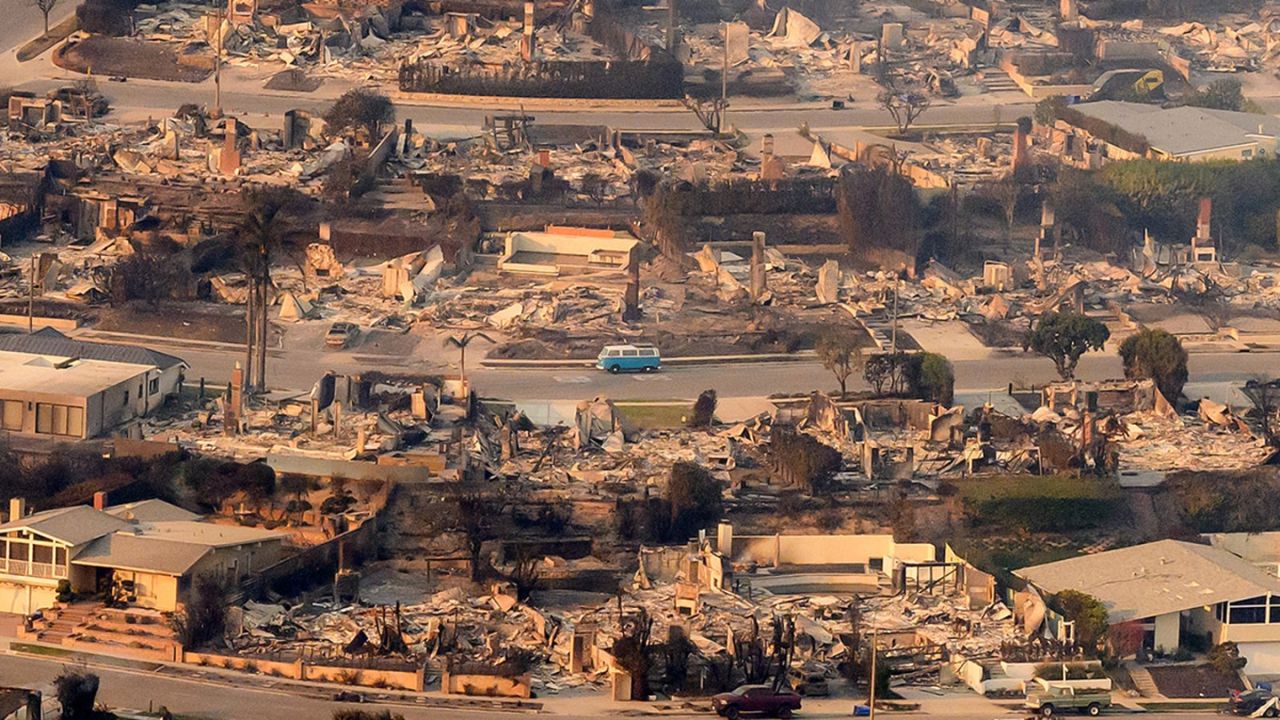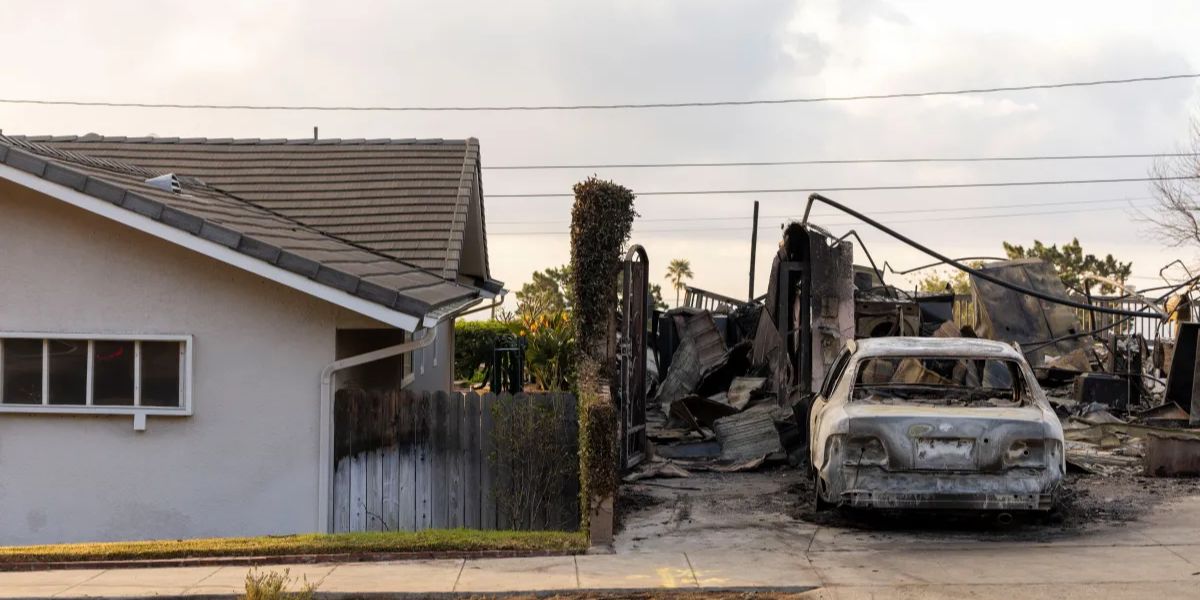
Los Angeles, CA – Wildfires are a recurring threat in Los Angeles, especially in hillside and foothill communities. Preparing a wildfire evacuation plan is one of the most important steps families can take to ensure safety when fire danger is high. A strong plan reduces confusion, saves valuable time, and provides a clear path to safety when evacuation orders are given.
Understanding the Risk of Wildfires in Los Angeles
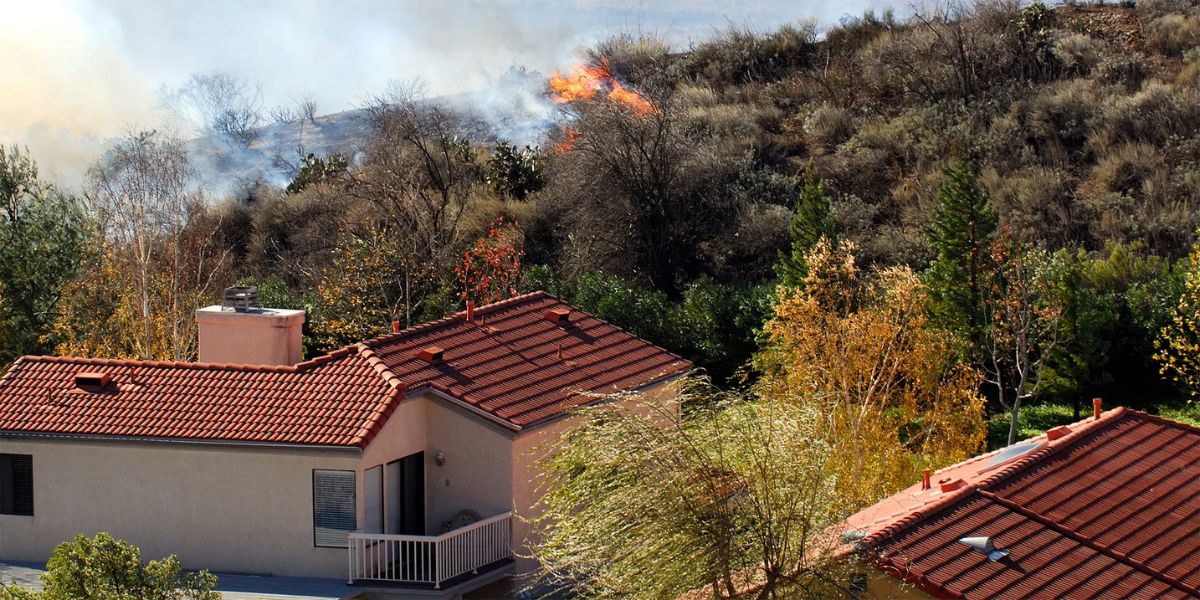
Los Angeles’ combination of dry climate, strong winds, and urban-wildland boundaries makes the city highly vulnerable to wildfires. Communities located near the Santa Monica Mountains, Griffith Park, Topanga Canyon, and Angeles National Forest are particularly at risk. Recognizing this danger is the first step toward developing a plan that protects your family, pets, and property.
Table of Contents
Identify Evacuation Routes
Every evacuation plan begins with clear, safe exit strategies. Families in Los Angeles should identify:
- At least two routes out of the neighborhood, in case one becomes blocked.
- Major roads that connect to safe zones outside high-fire areas.
- Community-designated evacuation sites, such as local schools or parks, that are often used as temporary shelters.
The Los Angeles Fire Department (LAFD) regularly updates recommended evacuation zones and routes, so keeping track of this information is essential.
Create a Family Communication Strategy
In a wildfire, communication networks can fail or become overwhelmed. That’s why families need a backup strategy:
- Choose an out-of-area contact whom each family member can call to confirm safety.
- Use group text messages instead of phone calls to avoid overloaded lines.
- Decide on a meeting point outside the evacuation zone where all members can reconnect if separated.
Assemble a Wildfire Go-Bag
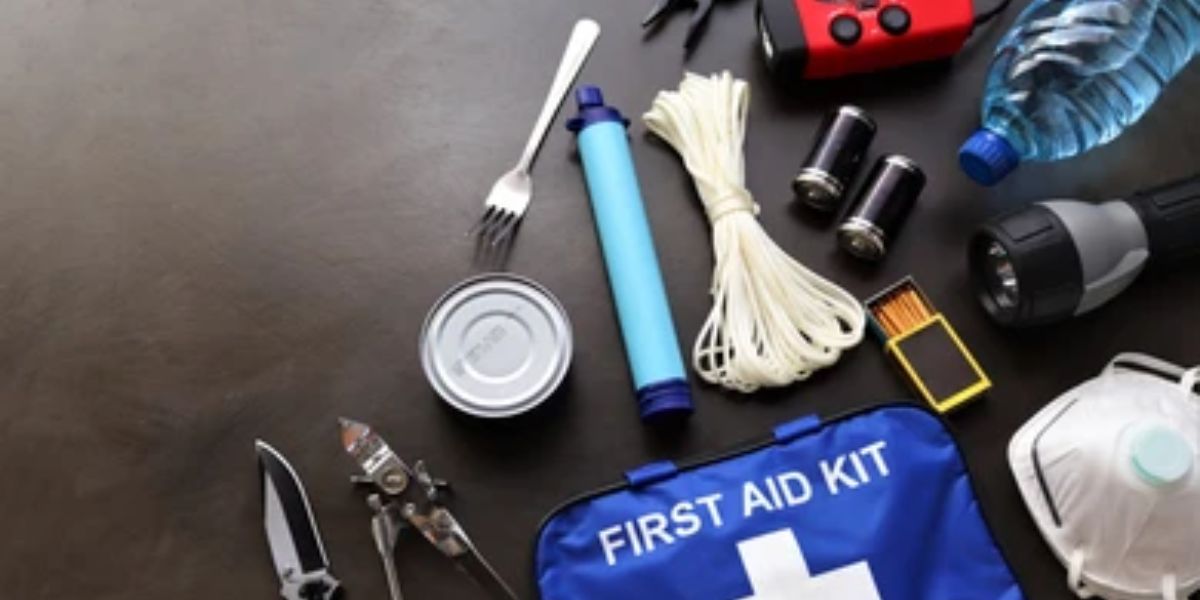
A ready-to-grab emergency kit ensures your family won’t lose critical time collecting supplies. Every go-bag should include:
- Water, non-perishable food, and personal hygiene items.
- Important documents such as IDs, insurance papers, and medical records.
- Medications, spare glasses, and essential health supplies.
- A flashlight, battery-powered radio, and extra phone chargers.
- Comfort items for children and supplies for pets.
Make sure each family member has their own bag, and review its contents twice a year.
Prepare Your Home Before Leaving
When evacuation orders are given, every minute counts. Families should prepare their homes quickly and efficiently:
- Shut all windows and doors to slow the spread of smoke and flames.
- Move flammable items like outdoor furniture, propane tanks, or firewood away from the home.
- Leave lights on so firefighters can see through heavy smoke.
- Connect garden hoses for emergency use by fire crews.
These small steps can increase the chances that your property survives the fire.
Practice Evacuation Drills
A plan is only useful if your family knows how to execute it under pressure. Hold practice evacuation drills at least twice a year, ideally during wildfire season. Simulate conditions where family members must leave quickly, grab go-bags, and follow designated routes. Drills help children and older family members become familiar with the process and reduce panic during an actual emergency.
Special Considerations for Los Angeles Families
Los Angeles is a diverse city, and every family’s needs may differ. Keep in mind:
- Traffic congestion can delay evacuation, so leave as soon as officials issue warnings.
- Families with elderly relatives or people with disabilities should plan for mobility assistance.
- Pet-friendly shelters are limited, so identify hotels or friends outside the area willing to house animals.
- Stay tuned to local alerts from the LAFD, Ready LA, and NotifyLA to get real-time evacuation updates.
Working With Your Community
Wildfire preparedness is stronger when neighbors work together. Families in Los Angeles should coordinate with:
- Homeowner associations to establish community-wide evacuation strategies.
- Neighborhood councils that collaborate with city officials on emergency planning.
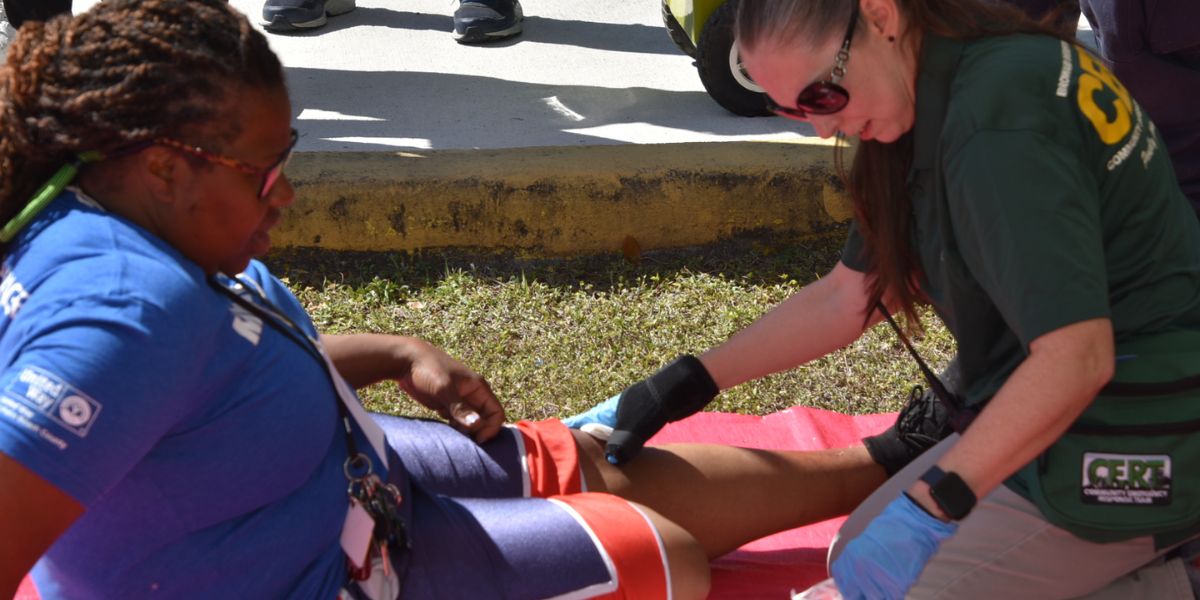
- CERT programs (Community Emergency Response Teams) that train volunteers to assist during disasters.
When communities plan together, evacuation becomes faster and more organized, reducing risks for everyone.
Conclusion
Creating a wildfire evacuation plan for your family in Los Angeles is not just a safety precaution—it’s a necessity. By identifying escape routes, building communication strategies, preparing go-bags, and practicing drills, families can face wildfire season with confidence and resilience. Taking these steps today ensures that when the next fire threat arrives, you’ll be ready to act quickly and protect what matters most.
What steps has your family taken to prepare for wildfire season in LA? Share your experiences in the comments and explore more community safety resources at bereadyla.org.