Los Angeles, CA – Living in Los Angeles means enjoying beautiful weather, diverse neighborhoods, and a vibrant culture—but it also means facing real risks like earthquakes, wildfires, and power outages. That’s why organizing a neighborhood emergency plan isn’t just smart—it’s essential. A well-structured plan can save lives, protect homes, and help your community recover faster when disaster strikes.
Why Every Los Angeles Neighborhood Needs an Emergency Plan
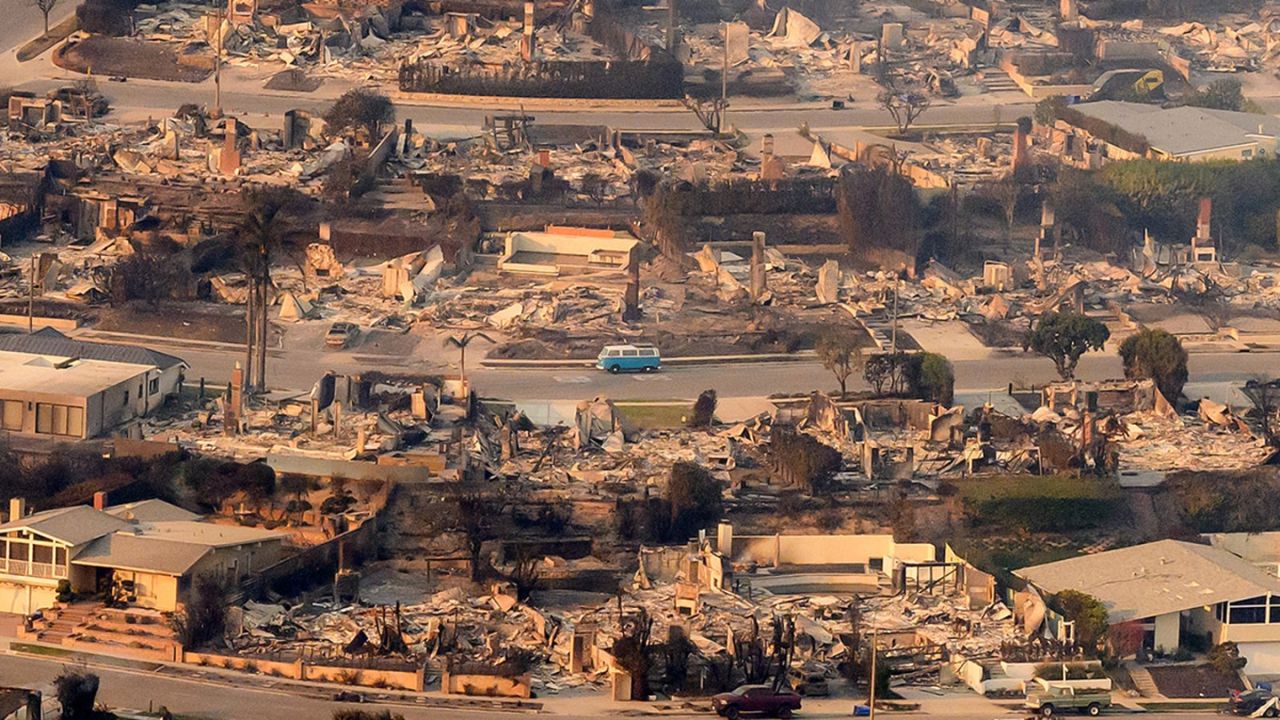
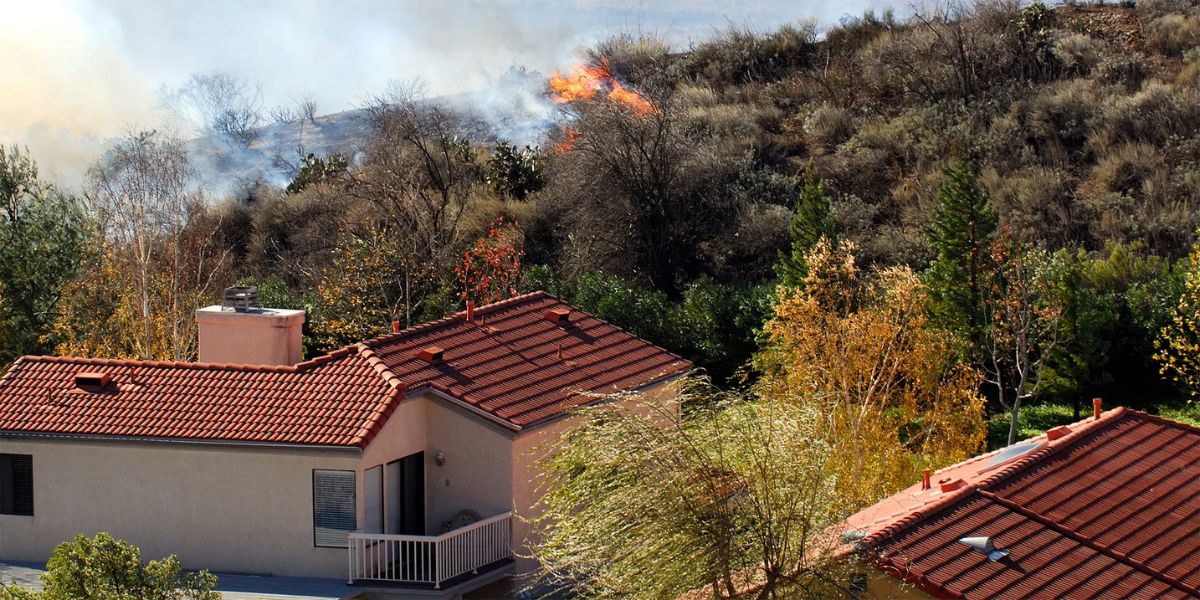
Los Angeles sits at the crossroads of multiple natural hazards—from the San Andreas Fault’s seismic activity to fast-moving wildfires fueled by Santa Ana winds. When emergencies happen, official responders can be overwhelmed, meaning your neighbors often become your first line of support.
Table of Contents
Having a neighborhood emergency plan helps you:
- Identify local risks and safe zones.
- Establish communication and evacuation routes.
- Ensure vulnerable neighbors (elderly, disabled, or children) have the help they need.
- Strengthen community trust and collaboration.
Step 1: Identify Local Risks and Resources
Every neighborhood in Los Angeles has unique vulnerabilities. Beachside areas face different risks than foothill communities near Griffith Park or the Santa Monica Mountains. Start by:
- Reviewing Los Angeles County’s Hazard Mitigation Plan.
- Checking for nearby fire zones, flood zones, and evacuation routes on the city’s emergency portal.
- Mapping out community resources such as fire hydrants, hospitals, and open fields that could serve as gathering points.
Keep a printed and digital version of this map accessible to all residents.
Step 2: Build a Neighborhood Team
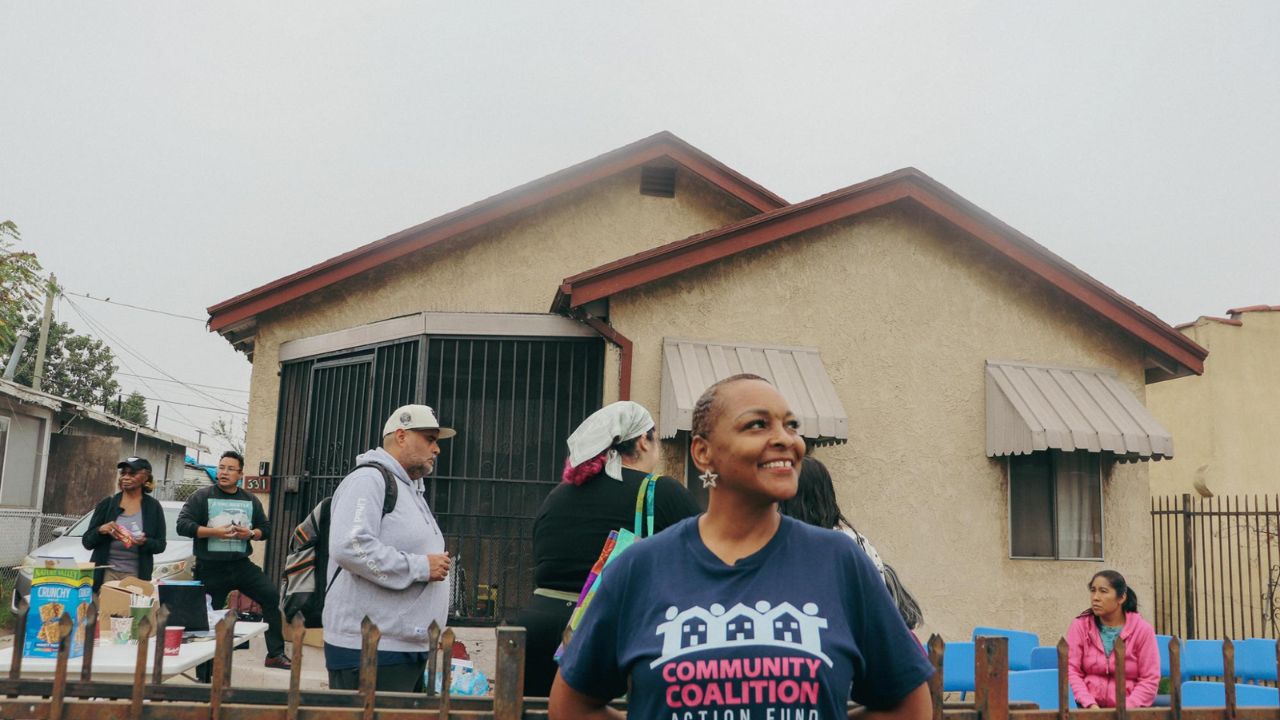
A great plan starts with great people. Form a core emergency team of motivated neighbors who can take on specific roles:
- Coordinator: Oversees the plan and communicates with LA city emergency services.
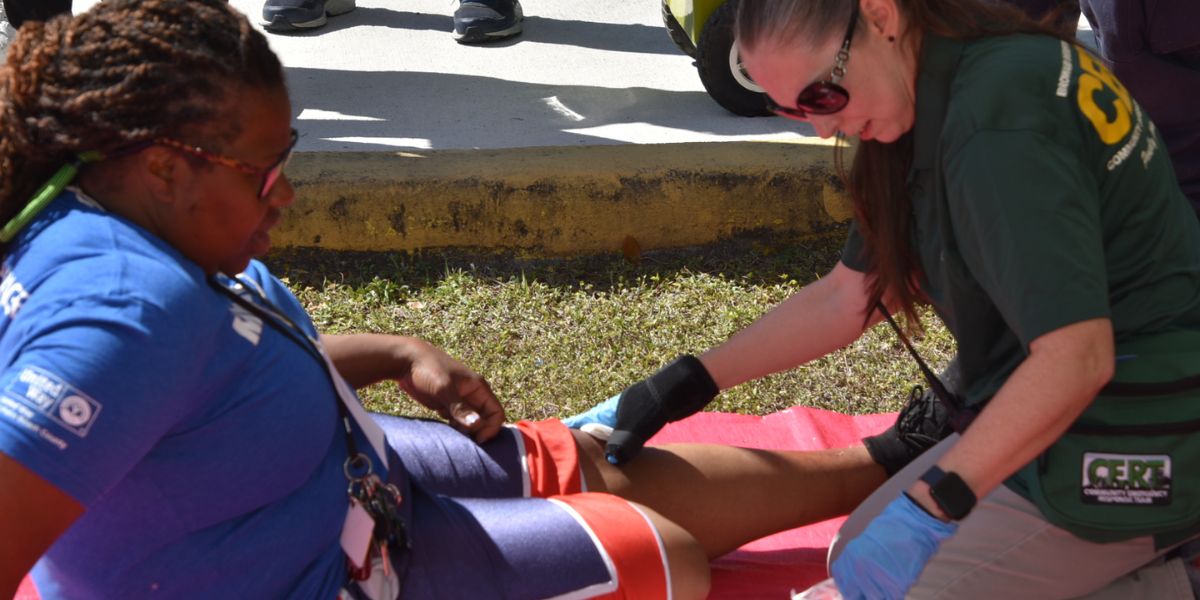
- Medical Lead: Manages first aid training and supply distribution.
- Communications Officer: Keeps everyone informed via text chains or radio.
- Logistics Lead: Organizes supplies, transportation, and shelters.
Assigning clear responsibilities ensures no confusion when quick action is needed.
Step 3: Create Communication Networks
During disasters, traditional communication lines can fail. Develop multiple communication channels to stay connected:
- Create a group text chain using apps like Signal or WhatsApp.
- Distribute two-way radios for block captains.
- Use Nextdoor or neighborhood forums to post updates and alerts.
- Keep contact cards with emergency numbers for each household.
Communication can mean the difference between safety and chaos, especially when power or cell networks go down.
Step 4: Establish Evacuation and Meeting Points
Identify primary and secondary evacuation routes—roads that stay open even during fires or floods. Choose two neighborhood meeting points:
- A nearby park or open area for quick assembly.
- A secondary location farther away in case of large-scale evacuation.
Coordinate with local officials or Community Emergency Response Teams (CERT) for guidance on the safest evacuation paths for your area.
Step 5: Stock and Share Emergency Supplies
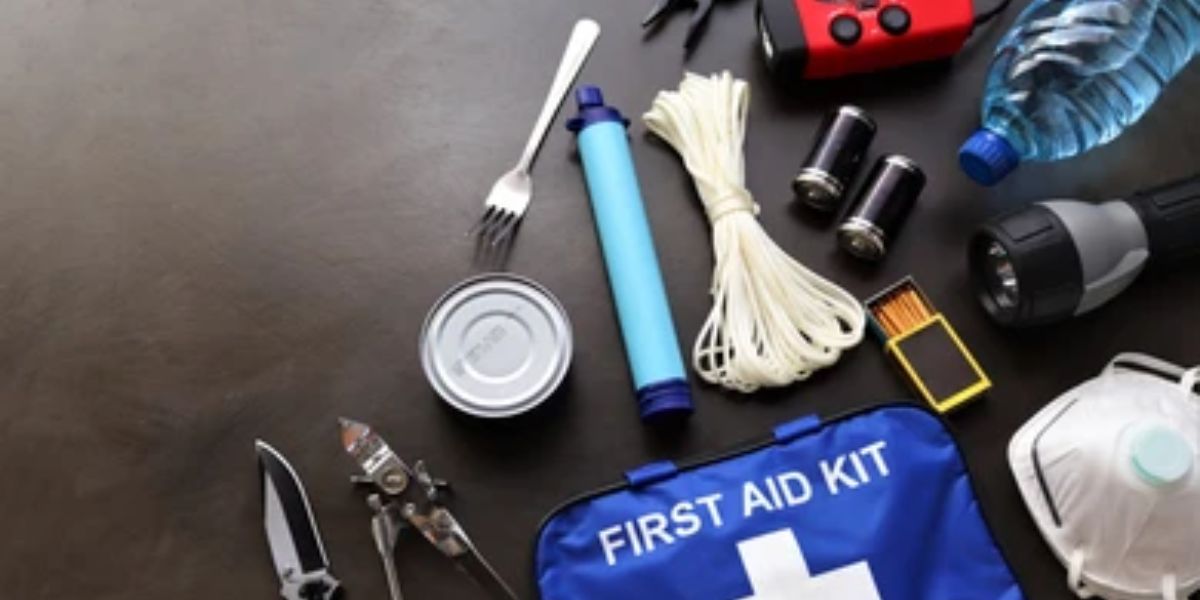
Every household should have its own 72-hour emergency kit, but a community reserve is equally valuable. Store:
- Non-perishable food and water.
- First aid kits and flashlights.
- Blankets and face masks (for wildfire smoke).
- Tools, gloves, and sanitation items.
Encourage neighbors to contribute what they can, and rotate supplies yearly to keep them fresh.
Step 6: Conduct Regular Drills
Even the best plan fails without practice. Organize biannual drills simulating different scenarios—an earthquake in spring and a wildfire in fall, for instance.
- Practice evacuation routes and communication chains.
- Review roles and timing.
- Evaluate what worked and what needs improvement.
Working with local CERT trainers or the Los Angeles Emergency Management Department (EMD) adds realism and credibility to your efforts.
Step 7: Support Vulnerable Neighbors
Los Angeles has a large population of seniors, people with disabilities, and low-income families who may lack resources during emergencies. Include them in your plan by:
- Creating a list of residents who need extra help.
- Assigning “check-in buddies.”
- Coordinating transportation for those unable to drive.
This inclusion fosters resilience and ensures no one is left behind when minutes matter most.
Step 8: Keep the Plan Updated
Los Angeles changes fast—new buildings, new roads, and new residents all affect your plan. Review and update your neighborhood emergency plan every six months, adding new members, adjusting maps, and revisiting contact lists.
Store both digital and printed copies in waterproof folders accessible to all team leaders.
Final Thoughts
Disasters don’t wait for a convenient time. By organizing your neighborhood’s emergency plan now, you’re building a network of preparedness and trust that can make a real difference when it counts. Whether it’s wildfire season or an unexpected quake, communities that plan together recover together.
Call to Action:
Start your neighborhood’s emergency planning meeting this month! Download Los Angeles’ official preparedness resources and connect with local CERT programs through BeReadyLA.org to take the first step toward a safer, stronger community.