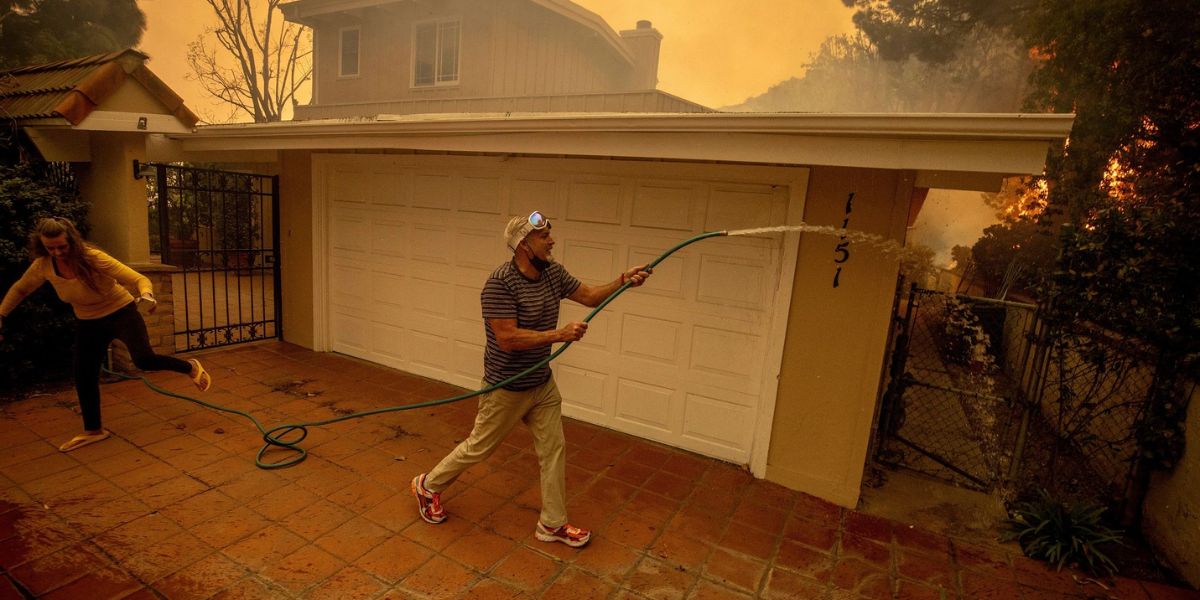
Wildfire smoke is a significant concern for Los Angeles residents, especially during peak fire season. The impacts of smoke inhalation on health can be severe, especially for individuals with respiratory issues, the elderly, and children. Understanding how to protect your home from wildfire smoke is crucial for safeguarding your family’s health and well-being. In this article, we’ll explore practical steps you can take to reduce exposure to harmful smoke and create a safer indoor environment.
Understand the Risks of Wildfire Smoke
Wildfire smoke is made up of a mixture of gases and fine particulate matter that can enter the lungs and cause respiratory issues. Prolonged exposure to smoke can irritate the eyes, throat, and lungs, leading to coughing, wheezing, and difficulty breathing. For individuals with asthma, COPD, or other respiratory conditions, exposure can lead to more serious complications.
Table of Contents
In addition to health risks, wildfire smoke can reduce air quality and visibility, making it difficult to breathe and navigate outdoors. As wildfires become increasingly common in Southern California, understanding how to protect your home from the smoke is more important than ever.
Seal Your Home to Keep Smoke Out
The first step in protecting your home from wildfire smoke is to prevent it from entering in the first place. While it may seem tempting to open windows for ventilation, it’s essential to keep them closed when air quality is poor.
1. Close Windows and Doors
Ensure all windows and doors are tightly sealed, as even small gaps can allow smoke particles to enter. Use weatherstripping or draft blockers to seal any gaps around doors and windows.
2. Use Plastic Sheeting for Extra Protection
For additional protection, consider using plastic sheeting to cover windows and vents. This is especially effective in rooms that are more exposed to the outside air, such as those facing the direction of the wind or nearby wildfire activity.
3. Block Air Vents
HVAC systems and vents are common entry points for smoke. Block off any external vents with plastic or a similar material to prevent smoke from infiltrating your home. Make sure to also close the vents in your attic and basement, as these areas can draw in smoke easily.
Improve Indoor Air Quality
Once your home is sealed, the next step is to improve the air quality inside. It’s essential to remove existing smoke particles and keep fresh, clean air circulating. Here are some ways to do that:
1. Use Air Purifiers with HEPA Filters
Invest in an air purifier with a HEPA (high-efficiency particulate air) filter. HEPA filters are highly effective at removing small particles from the air, including those found in wildfire smoke. Ensure that your air purifier is rated for the size of the room and that you run it continuously during periods of poor air quality.
2. Create Cross-Ventilation with Clean Air
If the outdoor air quality improves and is safe for short periods, consider briefly ventilating your home by opening windows on opposite sides of the house to allow fresh air to circulate. However, do this only when the smoke clears, and keep an eye on air quality reports to avoid letting more smoke in.
3. Avoid Using Indoor Polluting Devices
While it’s important to ventilate when possible, avoid using products that could pollute the indoor air, such as candles, incense, and fireplaces. These can contribute to indoor air pollution and worsen respiratory conditions, especially during smoky days.
Keep Your HVAC System in Check
The air conditioning (AC) and heating systems in your home can also contribute to circulating wildfire smoke inside. To ensure that your HVAC system is not spreading contaminants, here’s what you should do:
1. Change the Air Filters
Replace your HVAC air filters with high-efficiency filters designed to capture fine particles. MERV 13 or higher-rated filters are recommended for better smoke filtration. Change them regularly during wildfire season to ensure they remain effective.
2. Set the HVAC to Recirculate
Set your air conditioning system to “recirculate” mode, which will prevent outdoor air from entering your home. This helps maintain a cleaner indoor environment by circulating only the filtered air within your home.
3. Avoid Using Window Units
Window air conditioning units may allow smoke to enter your home. If you rely on one, it’s best to use a portable air purifier alongside it and keep the windows tightly shut when smoke levels are high.
Prepare for Power Outages
In the event of a wildfire, power outages are common. To ensure that you’re prepared for these situations and can continue protecting your home from smoke, follow these tips:
1. Have a Backup Power Source
Consider investing in a portable generator to power essential devices like air purifiers and fans. Make sure to follow all safety guidelines when operating a generator, and never run it indoors or in a confined space.
2. Stock Up on Emergency Supplies
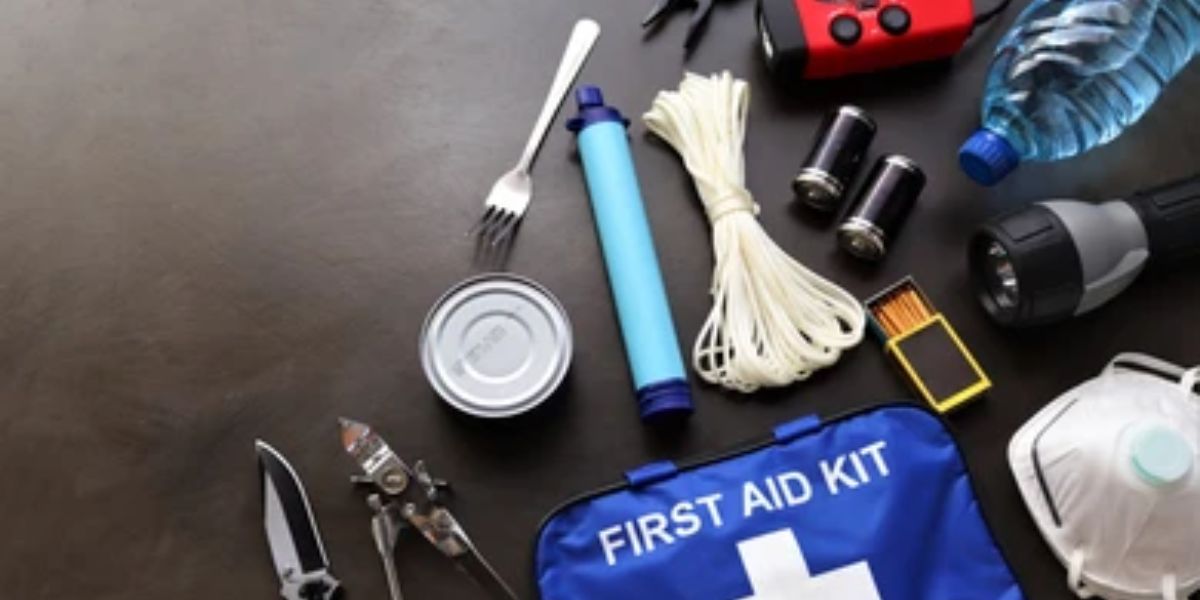
In case of a power outage, ensure you have a supply of essentials, including bottled water, non-perishable food, medications, and batteries for flashlights and radios. Having these supplies will keep your family safe and comfortable while waiting for the power to return.
Keep Your Family Safe
While taking steps to protect your home, it’s also essential to look after your family’s health during wildfire smoke events. Here are a few additional recommendations:
1. Stay Indoors as Much as Possible
During periods of heavy smoke, avoid outdoor activities and stay indoors as much as possible. Limit your exposure to the outdoor air, especially if the air quality is categorized as unhealthy.
2. Wear Masks
If you must go outside during smoky conditions, wear an N95 or KN95 mask. These types of masks are designed to filter out fine particles, including those found in wildfire smoke, providing a higher level of protection than cloth masks.
3. Monitor Air Quality
Stay informed by checking local air quality reports and smoke advisories. Websites like AirNow or PurpleAir can help you track the air quality index (AQI) and make decisions about when to stay indoors.
Final Thoughts
Protecting your home from wildfire smoke requires a combination of preparation and vigilance. By sealing your home, improving indoor air quality, and staying informed, you can significantly reduce your exposure to harmful smoke. Remember, your health is the top priority, so take these precautions seriously during wildfire season.
Take Action Today
Protecting your home from wildfire smoke starts with understanding the risks and preparing ahead of time. Visit BeReadyLA.org for more tips on neighborhood planning, emergency checklists, and wildfire safety in Los Angeles. Don’t wait until the next wildfire season—act now to ensure your home and family are ready.