As Southern California’s dry months return, so does the risk of fast-moving wildfires. While most residents prepare by clearing vegetation and checking emergency kits, one often-overlooked hazard is improper fuel and propane storage. From backyard grills to home generators, these materials can become dangerous ignition sources during extreme heat or red flag conditions.
Understanding the Fire Risks of Propane and Fuel
Propane tanks and fuel containers are highly flammable, especially when exposed to intense sunlight or radiant heat. In Los Angeles, where temperatures can soar above 100°F, even a small leak or pressure buildup can trigger a fire or explosion.
Table of Contents
The Los Angeles Fire Department (LAFD) warns that during red flag warnings, residents should inspect all fuel containers and move them away from structures, fences, or vegetation. Understanding how these materials behave in heat is the first step to minimizing your wildfire risk.
Choose the Right Containers for Safe Storage
Always use approved containers for storing propane or fuel. Gasoline should be kept only in certified red metal or plastic containers labeled for flammable liquids. Propane tanks, whether 1-gallon camping cylinders or 20-pound barbecue tanks, must meet Department of Transportation (DOT) safety standards.
Inspect each container for cracks, corrosion, or rust. Replace older tanks or cans that no longer seal tightly or show signs of damage. A small defect may go unnoticed until it’s exposed to extreme heat, leading to dangerous leaks.
Store Containers in a Cool, Ventilated Area
Never store propane or fuel indoors or in enclosed spaces like basements, garages, or sheds without ventilation. Vapors can accumulate and ignite from a single spark. Instead, choose a shaded, well-ventilated outdoor location—preferably on a noncombustible surface such as concrete or gravel.
Keep all fuel sources at least 10 feet away from your home, fences, and combustible materials. For multi-unit properties in Los Angeles, ensure storage areas are compliant with California Fire Code Section 6109, which governs propane use near dwellings.
Avoid Overfilling and Direct Sun Exposure
During heat waves, containers expand as pressure increases inside. Never overfill propane tanks beyond 80% capacity—most are designed with a safety margin to accommodate this expansion.
If your containers are exposed to sunlight for long hours, use a light-reflective cover or store them in a shaded space to prevent overheating. Avoid placing tanks directly on asphalt, which retains heat, especially during summer in Los Angeles County.
Separate Propane from Gasoline and Other Flammables
Mixing or storing multiple fuel types together increases the risk of cross-contamination and ignition. Propane tanks and gasoline cans should be stored in separate locations, ideally with at least 20 feet between them.
If space is limited, install a fire-rated barrier wall or use separate storage cabinets specifically rated for flammable materials. Avoid stacking or enclosing these containers tightly, as trapped heat can accelerate pressure buildup.
Regularly Inspect and Maintain Equipment
Every month—especially before and during LA’s fire season—conduct a quick safety inspection:
- Check for leaks using soapy water around valves and fittings.
- Replace old or damaged hoses and connectors.
- Ensure caps and seals are secure after every use.
- Keep a class B fire extinguisher nearby that’s rated for flammable liquids and gases.
By maintaining your storage setup, you reduce the chance of accidental ignition and improve safety during red flag events.
Safe Fuel Handling During an Evacuation
In the event of an evacuation order, never transport more fuel than necessary. Close all valves tightly, ensure tanks are upright, and secure them in your vehicle. Keep windows open slightly for ventilation.
For propane, it’s best to shut off the main gas line at the tank before leaving your property. This step prevents post-evacuation leaks if wildfires damage surrounding infrastructure.
The Los Angeles County Fire Department Ready, Set, Go! program recommends preparing an evacuation checklist that includes safe fuel-handling steps. Being ready to move quickly while reducing risk can make a life-saving difference.
Partner with Your Neighborhood for Fuel Safety
Neighborhood preparedness goes beyond personal safety—it includes collective responsibility. Communities in areas like Topanga Canyon, Malibu, and the Angeles Foothills can organize local workshops to educate residents on safe fuel storage and home hardening.
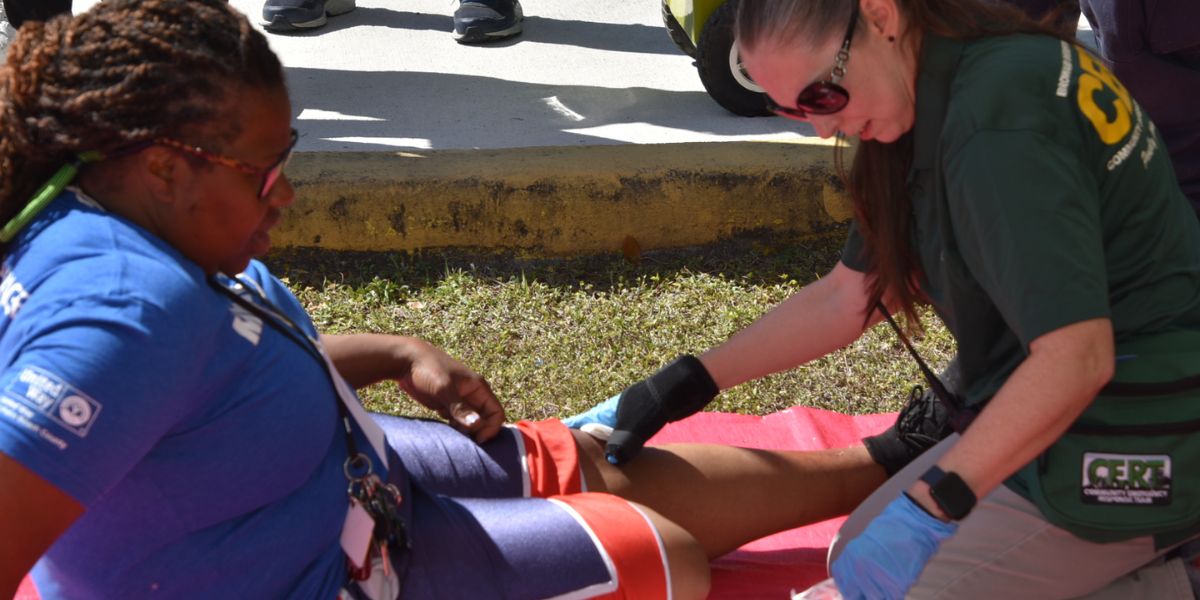
Working with CERT teams or local fire officials can help standardize safety practices across your street or block. These partnerships ensure everyone is following the same safety guidelines during critical wildfire months.
Stay Updated on LA Fire Season Alerts
Sign up for LA County Emergency Alerts and Ready LA notifications to stay informed of red flag warnings, evacuation orders, or hazardous conditions. Local apps like PulsePoint or MyShake can also provide real-time hazard data.
Being proactive means more than having an emergency kit—it means understanding how to manage every risk on your property.
Final Thoughts
Safe propane and fuel storage may not be the most visible part of wildfire preparedness, but it’s one of the most crucial. With a few preventive steps—proper containers, cool storage, and community awareness—you can protect your family, neighbors, and property throughout LA’s fire season.
What about your neighborhood? Have you checked your propane tanks and fuel storage for safety? Share your preparedness tips and join the conversation at BeReadyLA.org.