When disaster strikes, it’s not just people who need to be ready—our pets depend on us for their safety and well-being. Whether it’s an earthquake, wildfire, or power outage, having a pet-friendly emergency kit ready can make all the difference for your furry family members. In Los Angeles, where natural disasters can occur with little warning, preparation isn’t optional—it’s essential.
Why Every LA Pet Owner Needs an Emergency Kit
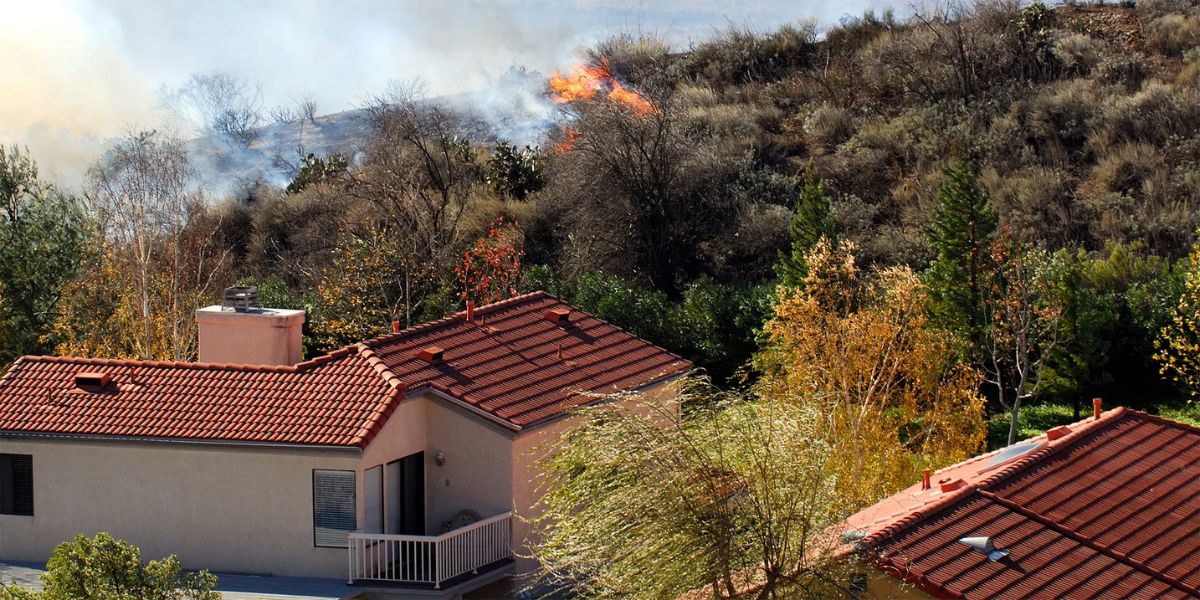
Los Angeles faces unique risks: wildfires in foothill neighborhoods, earthquakes across the region, and even heat emergencies that can put animals in danger. During evacuation orders, many pet owners find themselves scrambling to gather food, leashes, and medications—often too late.
Table of Contents
A dedicated pet emergency kit ensures you can evacuate quickly and safely without forgetting essential supplies. It also reduces stress when seconds count, allowing you to focus on keeping everyone calm and secure.
Essential Items for a Pet-Friendly Emergency Kit
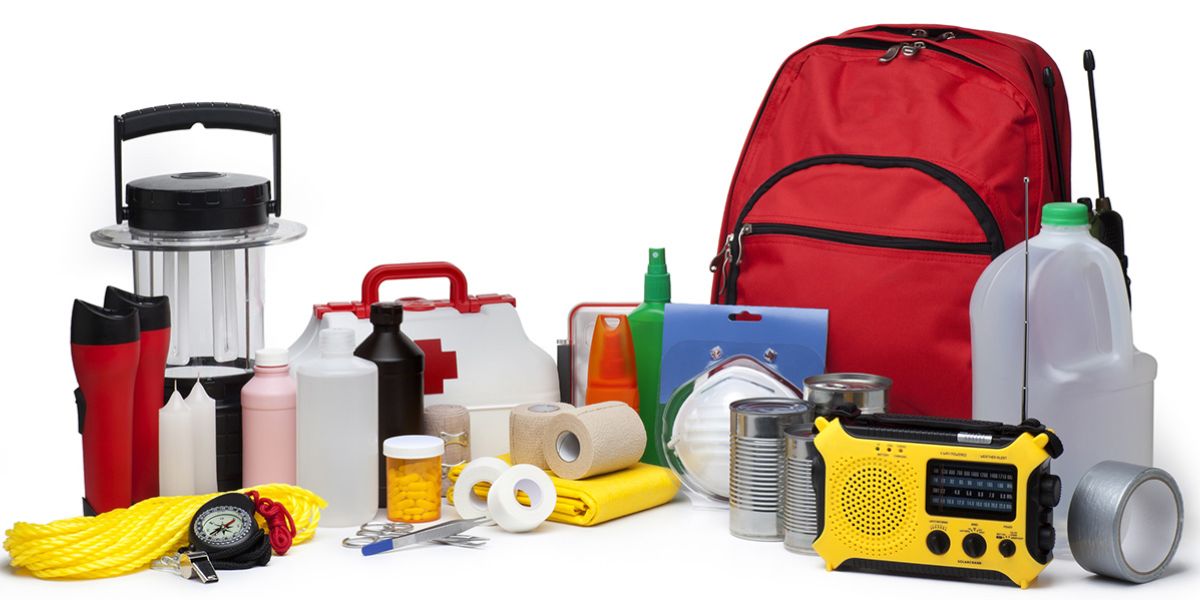
Your pet’s emergency kit should be packed and stored in a waterproof container or sturdy bag that’s easy to grab. Here’s what every Los Angeles household with pets should include:
- Food and water: At least three days’ worth of food in airtight containers and bottled water stored separately for your pet.
- Bowls: Collapsible or lightweight feeding bowls for food and water.
- Leash, harness, and carrier: Every pet should have a sturdy leash and harness, and small pets should have secure carriers labeled with your name and contact information.
- Medications and medical records: Keep at least a week’s supply of any pet medications, along with a copy of vaccination and microchip information.
- First aid kit: Include pet-safe antiseptic, bandages, tweezers, and a digital thermometer.
- Comfort items: A favorite toy, blanket, or small bed to help reduce stress during displacement.
- Waste supplies: Extra poop bags, cat litter, and disposable trays or liners.
- Photos and ID tags: Recent photos of your pet for identification in case of separation.
Make sure all items are updated regularly—rotate food and medications before they expire.
Planning for Different Types of Disasters in Los Angeles
Earthquakes
Keep carriers near your pet’s resting area so you can secure them quickly if the ground shakes. Many pets panic during aftershocks, so having a safe, familiar space (like a covered crate) can help keep them calm.
Wildfires
If you live near wildfire-prone areas like the Santa Monica Mountains or Angeles National Forest, evacuate early. Smoke and heat affect animals faster than humans. Pre-load your vehicle with carriers, leashes, and supplies during Red Flag Warnings.
Power Outages and Heatwaves
Never leave pets outdoors during extreme heat. Your kit should include cooling pads, battery-operated fans, and backup power banks for keeping air circulation if the power goes out.
How to Prepare a Pet Evacuation Plan
In a large city like Los Angeles, emergency routes may be congested. Identify multiple evacuation routes and pet-friendly shelters or hotels in advance. The City of Los Angeles Emergency Management Department and LA Animal Services regularly update shelter listings and pet evacuation guidelines.
Write down your plan, including:
- Designated meeting places if family members are separated.
- Contact info for your vet and emergency animal hospitals (like VCA Animal Specialty Group or Access Specialty Animal Hospital).
- A list of friends or family outside your area who can temporarily house your pet.
Keep this plan in a waterproof sleeve inside your emergency kit.
Keeping Your Pet Calm During Emergencies
Disasters can be terrifying for pets. The unfamiliar sounds, smells, and movements can cause panic or aggression. To keep them calm:
- Practice evacuation drills with your pets a few times a year.
- Keep their leash or harness within easy reach.
- Speak in a reassuring tone and avoid sudden movements.
- Use pheromone sprays or calming chews if your pet experiences anxiety.
Training and familiarity help pets respond better during real emergencies.
Updating Your Kit Regularly
Review your emergency supplies every six months. Replace expired food, update medical records, and confirm microchip information is current. For LA households that move frequently or have new pets, updating contact details on ID tags is vital.
Also, check for seasonal risks—fire season peaks in late summer and fall, while winter storms can cause flooding or power loss. Adjust your kit accordingly.
Community Resources for Pet Preparedness in Los Angeles
Los Angeles has several organizations and initiatives to help residents prepare for emergencies with pets:
- Ready Your LA Neighborhood (RYLAN): Offers preparedness guides for households and communities.
- Los Angeles Animal Services: Provides disaster preparedness tips and lists of pet-friendly shelters.
- Red Cross of Greater Los Angeles: Supports disaster response and evacuation services for pet owners.
- County of Los Angeles OEM: Regularly posts alerts and safety updates for residents and animals.
Stay connected with these agencies through their official websites and social media channels to receive real-time updates during emergencies.
Final Thoughts
Being a responsible pet owner in Los Angeles means planning for their safety just as you would your own. A pet-friendly emergency kit isn’t just a box of supplies—it’s a lifeline during chaotic moments. Start small, review it regularly, and include your pets in every drill or plan you make.
What about you? Have you built your pet’s emergency kit yet? Share your preparedness tips and experiences with us at BeReadyLA.org—your insights could help another Los Angeles pet owner stay safe.