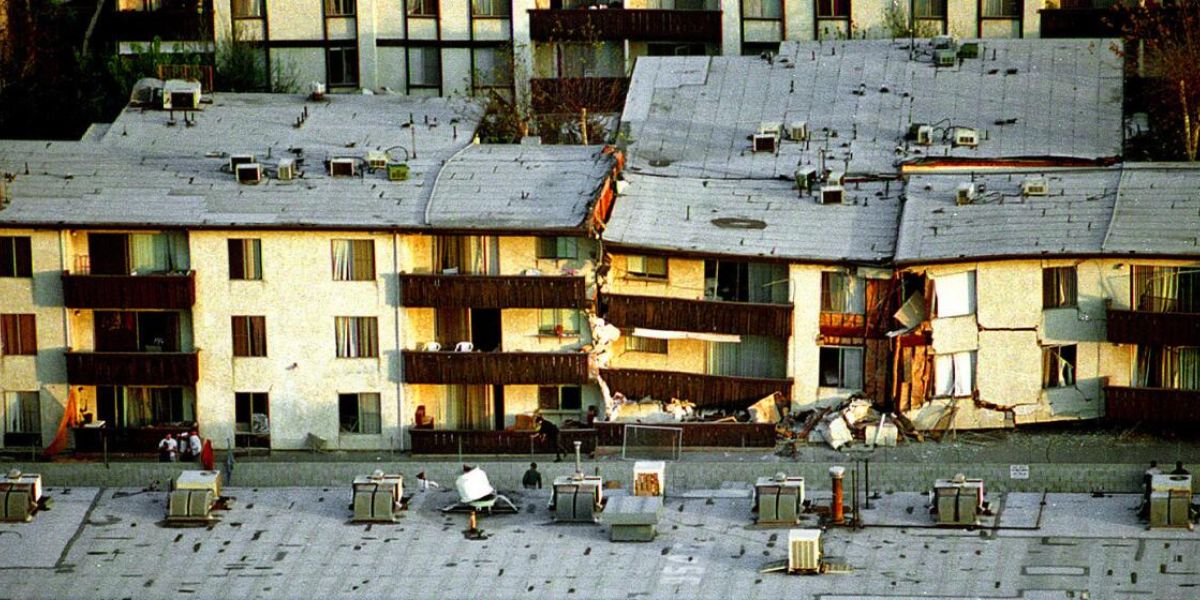
Los Angeles, CA – Earthquakes are an inevitable threat for residents and property owners in Los Angeles, and apartment buildings are especially vulnerable due to their size and shared living spaces. However, the good news is that there are steps apartment managers and owners can take to make buildings more resilient. By taking proactive measures, you can significantly reduce the damage caused by earthquakes and ensure the safety of your residents.
Understand Los Angeles’ Seismic Risk
Los Angeles sits on the Pacific Ring of Fire, an area known for its seismic activity. The region is home to several major fault lines, including the San Andreas Fault and the Hollywood Fault, meaning that the city is at significant risk for earthquakes. These natural events can cause serious damage to buildings, especially older structures or those that are not built to modern earthquake standards. Understanding the unique risks that earthquakes pose to apartment buildings in LA is the first step in preparing for them.
Table of Contents
Retrofit Older Buildings to Meet Seismic Standards
One of the most important steps to make your apartment building more earthquake-resistant is ensuring that it complies with current seismic building codes. Los Angeles has some of the strictest earthquake regulations in the country. Many older buildings, especially those constructed before the 1970s, may not meet the updated standards.
Seismic retrofitting involves reinforcing key parts of the building, such as:
- Foundation: Strengthening the foundation to prevent movement or collapse.
- Structural Framing: Adding steel braces or reinforcing walls to improve lateral resistance.
- Exterior Walls: Ensuring they are properly anchored to prevent tilting or falling.
Retrofitting is often required by law for older buildings, and it is one of the most effective ways to mitigate earthquake damage. Not only does this improve safety, but it can also increase the building’s value and insurance premiums by making it more resilient to natural disasters.
Develop an Earthquake Emergency Plan for Tenants
In the event of an earthquake, having a clear and actionable emergency plan is essential. Tenants should be educated about the following steps:
- Drop, Cover, and Hold On: Encourage tenants to practice this during an emergency, especially in high-risk areas like Los Angeles.
- Evacuation Routes: Provide tenants with clear evacuation routes that avoid hazards, such as windows or heavy furniture that could cause injury.
- Assembly Points: Designate safe areas outside of the building where residents can gather after an earthquake.
Apartment building management should host regular emergency drills to ensure all tenants are familiar with evacuation procedures and emergency contacts. Encourage tenants to keep emergency supplies such as flashlights, bottled water, and first aid kits in their apartments.
Inspect and Secure Common Areas
Apartment buildings often have shared spaces such as hallways, parking garages, and recreational areas. These spaces can become hazardous during an earthquake if they aren’t properly secured.
- Heavy Objects: Secure heavy objects like shelves, water heaters, and appliances that could fall and cause injury.
- Glass Windows: Install shatterproof film on windows and glass doors to prevent injuries from broken glass.
- Elevators: Ensure that elevators have clear instructions on what to do in the event of an earthquake. Elevators should not be used during or immediately after an earthquake due to the risk of malfunction.
In addition to securing the interior, make sure the building’s exterior is free from loose items like bricks or decorations that could fall during a quake. Regular inspections are key to preventing avoidable risks.
Ensure Proper Building Inspections
A key part of earthquake preparedness is regular, professional inspections. It’s essential to have a structural engineer conduct thorough assessments of your building’s foundation and framework. They can identify potential weaknesses and recommend improvements that will make your building safer.
Apart from the structural inspections, also check that utilities such as gas lines, water pipes, and electrical systems are well-maintained and protected. Earthquakes often lead to leaks or electrical fires, which can further exacerbate damage to apartment buildings.
Strengthen Communication Systems for Post-Earthquake Coordination
In the aftermath of an earthquake, effective communication is critical. Make sure that all tenants have access to communication channels in the event of an emergency.
- Emergency Contacts: Provide tenants with contact information for building management, local emergency services, and city resources.
- Community Updates: Consider using a mobile app or text message alerts to send real-time updates about the building’s safety status and local earthquake recovery efforts.
Having clear lines of communication ensures that tenants remain informed and can respond quickly and safely in the event of an emergency.
Consider Earthquake Insurance for Apartment Complexes
While preparing your building for an earthquake can greatly reduce the damage, earthquake insurance is another important consideration. Many standard insurance policies do not cover earthquake damage, so it’s essential to review your current coverage and explore options for earthquake insurance specifically. This coverage can help mitigate the financial losses caused by structural damage, broken equipment, or even loss of rental income due to building repairs.
Final Thoughts
Preparing apartment buildings for earthquakes in Los Angeles is an investment in both safety and property value. Retrofitting older buildings, educating tenants, securing common areas, and ensuring regular inspections are all crucial steps in earthquake preparedness. Given the seismic risks in LA, taking action now could save lives and protect your investment for years to come.
Have you started preparing your building for an earthquake? Share your experiences or ask questions in the comments below. Let’s make Los Angeles safer together.