In a city as vast and diverse as Los Angeles, emergency preparedness isn’t just a concern for residents; local businesses must also be ready to respond to disasters, be it earthquakes, wildfires, or other community-wide emergencies. For business owners in LA, preparing for the unexpected can make the difference between bouncing back and facing devastating losses. In this article, we’ll explore the steps local businesses can take to ensure they’re ready for any emergency that may strike Los Angeles.
Understand the Risks in Los Angeles
Before preparing for emergencies, businesses must first understand the specific risks that come with operating in Los Angeles. LA is prone to several types of natural disasters, including:
Table of Contents
- Earthquakes: With the San Andreas Fault and other fault lines running through Southern California, earthquakes are a constant risk in LA.
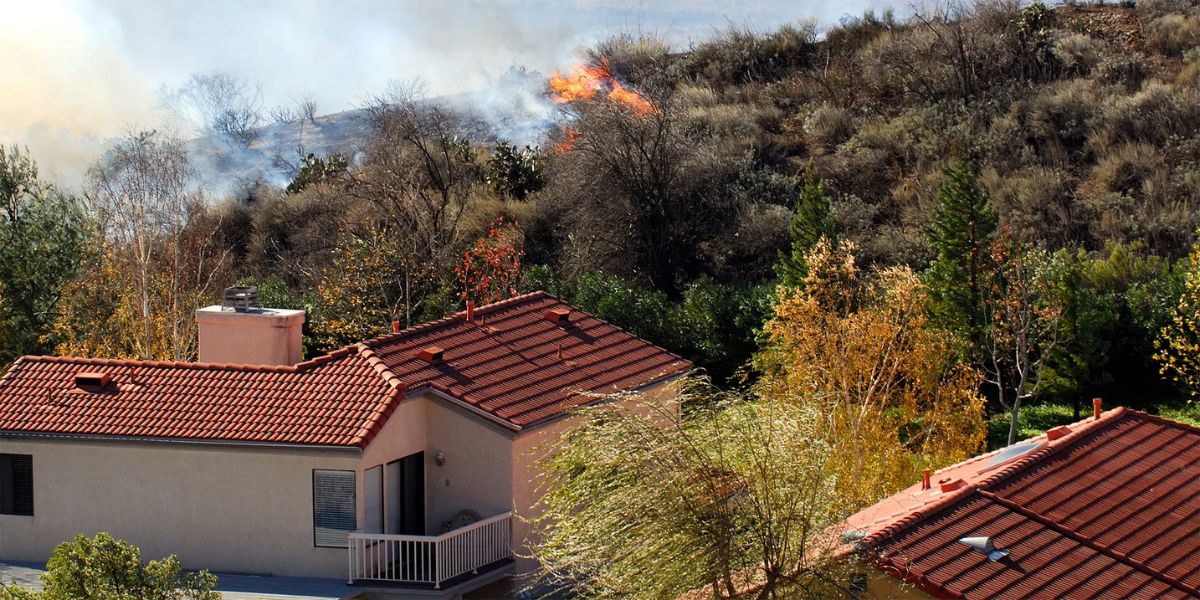
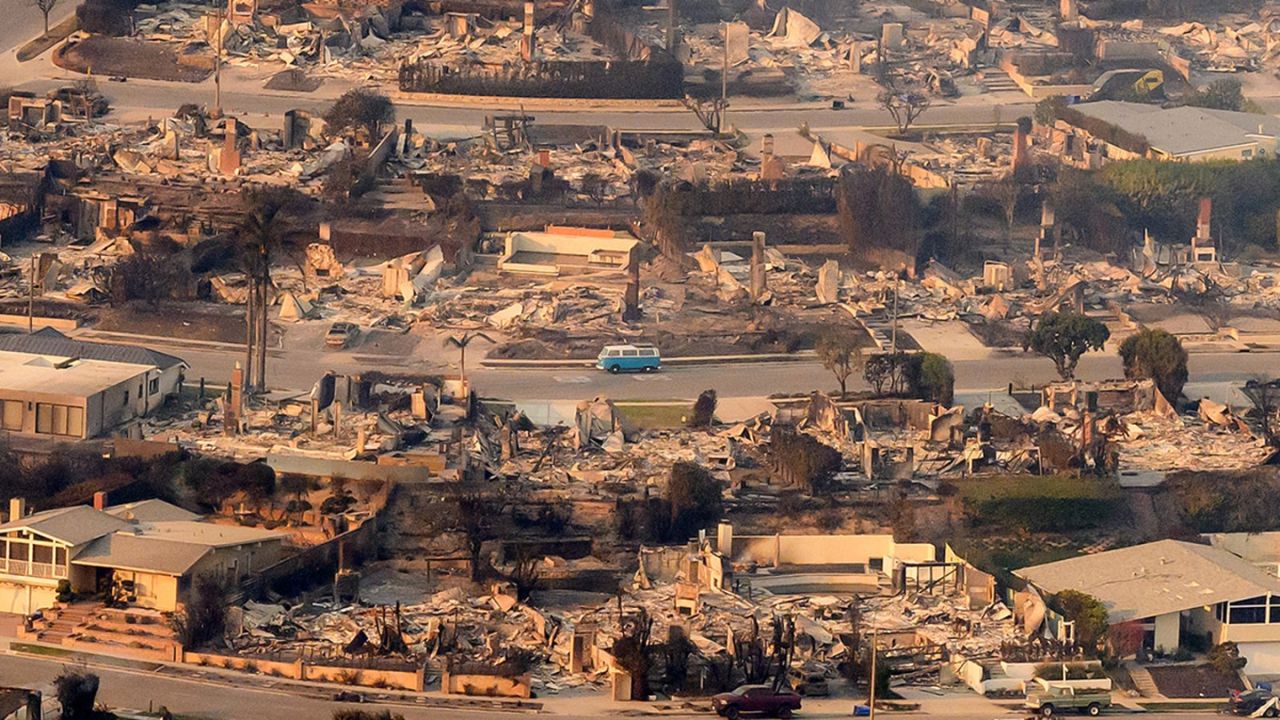
- Wildfires: The dry, hot climate of LA’s foothills and surrounding areas make wildfires a frequent and devastating threat.
- Flooding and Storms: While less frequent than earthquakes, flooding due to heavy rains or broken levees can cause significant damage.
Identifying these risks and understanding how they might impact your business is the first step in creating a comprehensive emergency plan.
Create an Emergency Response Plan
A solid emergency response plan is essential for businesses to stay operational during and after a disaster. Here are the key elements businesses should include in their plan:
- Evacuation Routes: Clearly define evacuation routes for your employees and customers. Practice regular drills to ensure everyone knows how to exit safely during a fire, earthquake, or other emergencies.
- Communication Plan: In the event of an emergency, businesses need a clear communication strategy. This includes ensuring employees know who to contact, how to reach customers, and how to relay important information to emergency services.
- Designated Roles: Assign specific responsibilities to team members, such as a point of contact for emergencies, someone to handle the safety of employees, and others to manage inventory or securing equipment.
- Emergency Supplies: Businesses should stock up on supplies like first-aid kits, flashlights, bottled water, and non-perishable food. Depending on the nature of your business, you may need specialized supplies such as medical kits or fire extinguishers.
Secure Your Premises and Equipment
In the case of an earthquake or wildfire, securing your physical premises is crucial. Consider the following steps:
- Building Infrastructure: Ensure that your building is compliant with local earthquake and wildfire safety codes. Retrofit your building if necessary to minimize the risk of structural damage.
- Fireproofing: Install fireproof materials around key areas of your business, including electrical rooms, storage spaces, and outdoor areas. LA’s wildfire season means this is especially important.
- Inventory Management: Secure your inventory by using shelving units that are anchored to the wall and ensuring hazardous materials are stored properly. Having your inventory in a safe, accessible location can speed up the recovery process.
Plan for Employee Safety
While your business may face challenges during an emergency, your employees’ safety should always be a top priority. Consider these steps to ensure their well-being:
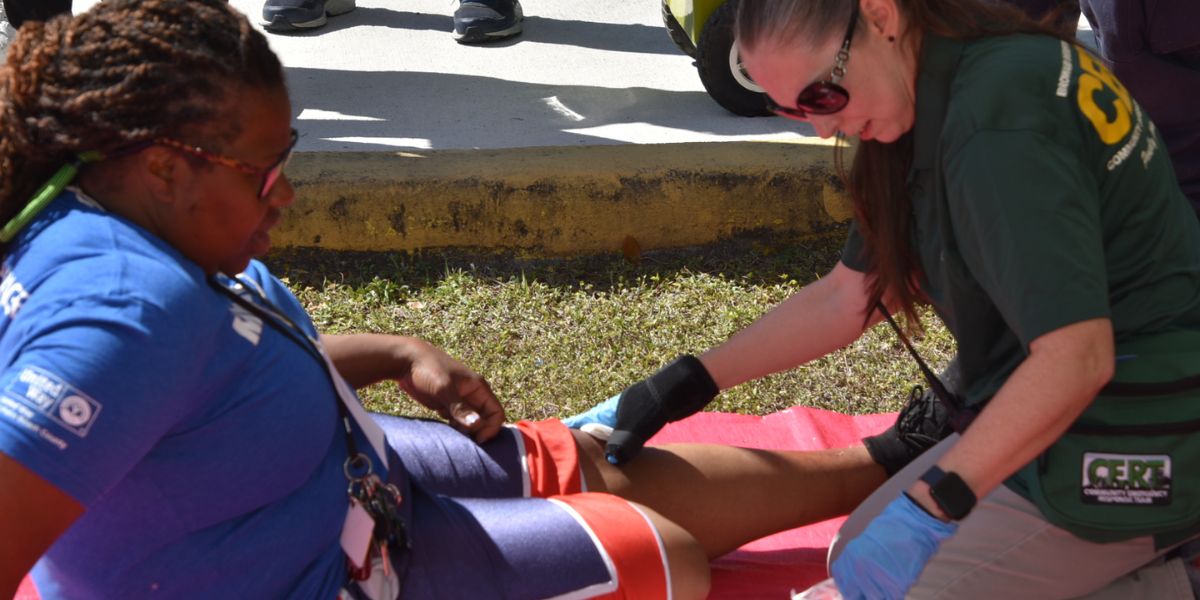
- Employee Training: Conduct regular emergency preparedness training, including fire drills, earthquake safety procedures, and first aid courses.
- Designated Safe Areas: Designate safe areas within your premises where employees can take shelter during a disaster. For example, if you’re in an earthquake-prone area, reinforce doorways and corridors where employees can seek cover.
- Remote Work Protocols: For businesses with remote employees, establish clear guidelines for communication and task management in case an emergency requires employees to work from home.
Business Continuity and Recovery
An emergency plan is only as good as the steps you take to recover from a disaster. Here’s how businesses can plan for continuity:
- Backup Systems: Ensure your critical data is backed up to a secure location, such as the cloud, to avoid losing vital business information during a disaster.
- Insurance Coverage: Review your insurance policies to ensure they cover losses due to natural disasters such as fires, earthquakes, and flooding. Speak with an insurance agent about how to expand coverage to better suit your business needs.
- Financial Planning: Set aside an emergency fund specifically for recovery after a disaster. Having financial resources available will help your business get back on its feet more quickly.
Collaborate with Local Authorities and Organizations
It’s also essential for businesses to work with local emergency management agencies. In LA, businesses should be aware of:
- Local Disaster Plans: Los Angeles has a citywide disaster preparedness plan. Ensure your business is familiar with it, and understand the role your business plays in the city’s response.
- Community Engagement: Participate in community preparedness programs, such as LA’s Neighborhood Council system, which can help businesses stay informed and contribute to local recovery efforts.
- Certifications and Support: Look into certifications like the FEMA Community Rating System (CRS) or local business emergency preparedness workshops. These programs can provide valuable support and resources for businesses.
Conclusion
Being prepared for community-wide emergencies is not just about protecting your business—it’s about safeguarding your employees, customers, and the greater Los Angeles community. By understanding the risks, creating a robust emergency plan, securing your premises, and planning for recovery, businesses can ensure they are ready to weather any storm—whether it’s a literal one or a natural disaster.
Call to Action
How does your business prepare for emergencies in Los Angeles? Share your thoughts or plans in the comments below, and visit BeReadyLA.org to access more tips on disaster preparedness and community resilience.