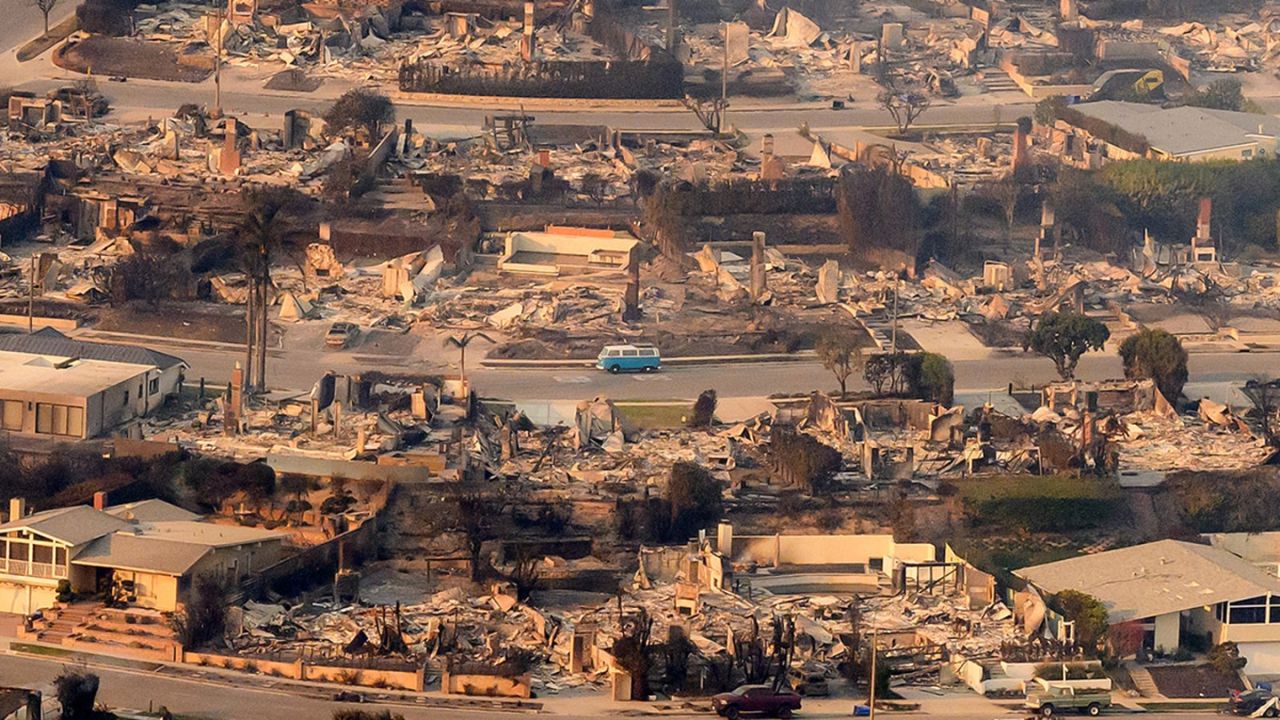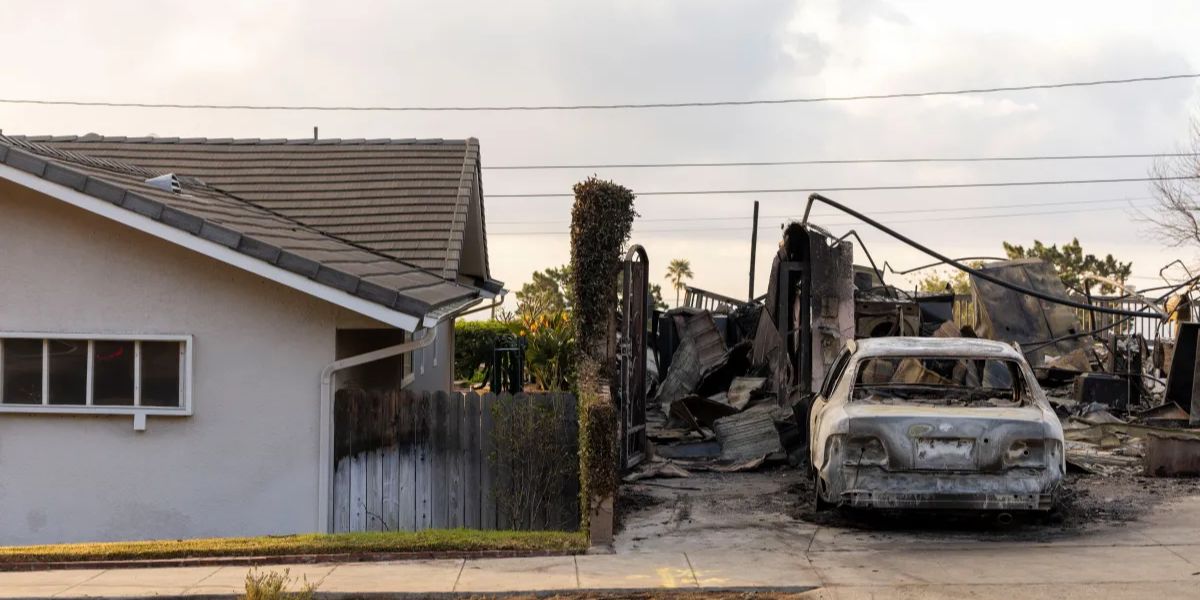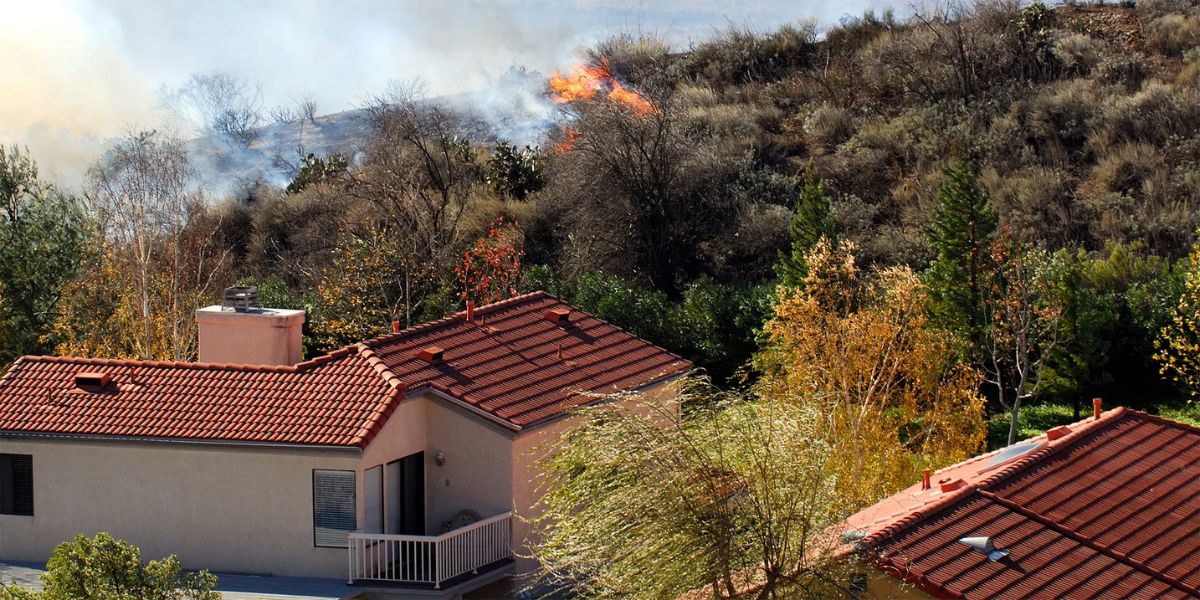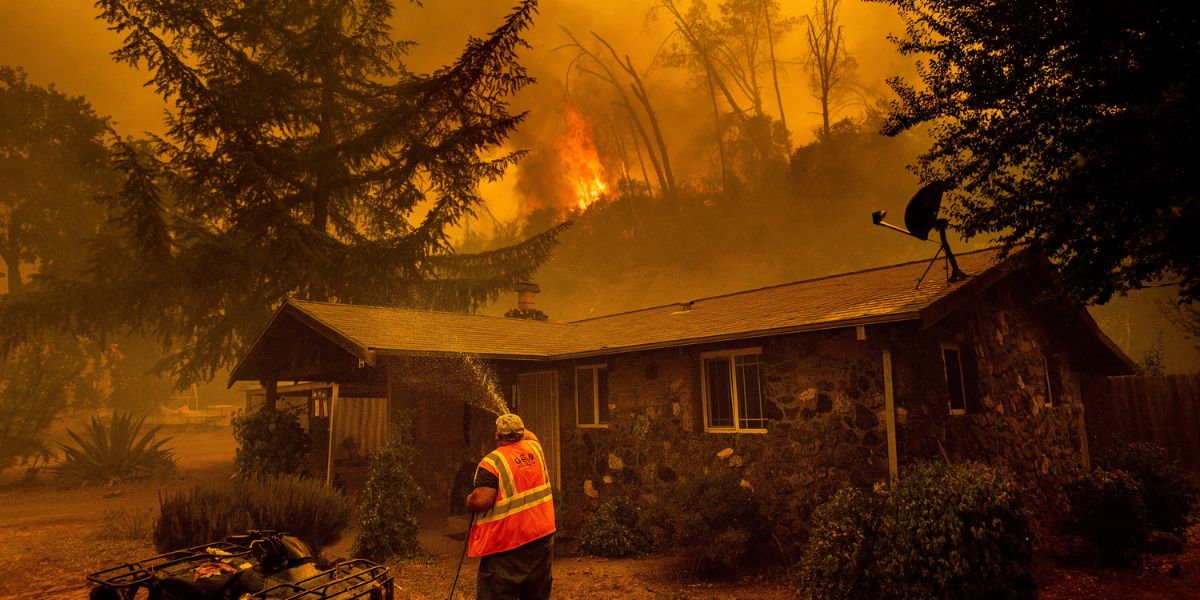
Los Angeles, CA – Living in the foothills of Los Angeles offers scenic views and open skies — but it also comes with one persistent risk: wildfires. Each year, hundreds of homes in hillside communities face damage or loss due to rapidly spreading flames. The good news? You can make your home far more resilient through a process known as home hardening — a set of steps that helps reduce vulnerability to embers, radiant heat, and direct flame contact.
Understanding Home Hardening
Home hardening means modifying the structure and surroundings of your property to resist ignition during a wildfire. Research by CAL FIRE and the National Fire Protection Association (NFPA) shows that 90% of homes lost in wildfires were ignited by flying embers — not by direct flame. That means even if a wildfire never reaches your doorstep, wind-blown embers can still cause destruction.
Table of Contents
In Los Angeles County, particularly in areas like Topanga Canyon, Malibu, and the foothills above Pasadena, these measures aren’t optional — they’re essential for survival and recovery.
Start with the Roof: Your Home’s First Line of Defense
Your roof is the most exposed and vulnerable part of your home during a wildfire. Replacing or upgrading it should be the first priority.
- Use Class A fire-rated materials such as composition shingles, metal, tile, or concrete.
- Clean leaves, branches, and debris from your roof and gutters regularly.
- Seal any gaps along eaves, ridges, or vents where embers can enter.
If your home still has a wood-shake roof, it’s critical to replace it — Los Angeles fire codes now require noncombustible roofing in high fire hazard zones.
Protect Vents and Eaves from Ember Intrusion
Wind-driven embers can enter through even the smallest openings. Cover all exterior vents with metal mesh (1/8-inch or smaller) to prevent ember intrusion.
For eaves and soffits, choose enclosed designs or add protective screening. Open rafters and overhangs should be boxed in with noncombustible materials like fiber-cement board or stucco.
It’s a small upgrade that prevents one of the most common ignition points during wildfires.
Upgrade Windows and Doors for Heat Resistance
Glass can shatter from radiant heat, allowing flames to reach inside your home. Use dual-pane tempered glass windows whenever possible — they’re far more resistant to heat and can withstand ember exposure for longer periods.
Also, replace wooden doors with solid-core or metal doors. Seal gaps around frames with fire-resistant weatherstripping. If your home has sliding glass doors, install metal screens or shutters for an added layer of protection.
Create Defensible Space Around Your Home
Defensible space is a buffer zone between your home and the vegetation around it — a critical component of wildfire defense.
Los Angeles County Fire Department recommends maintaining three zones:
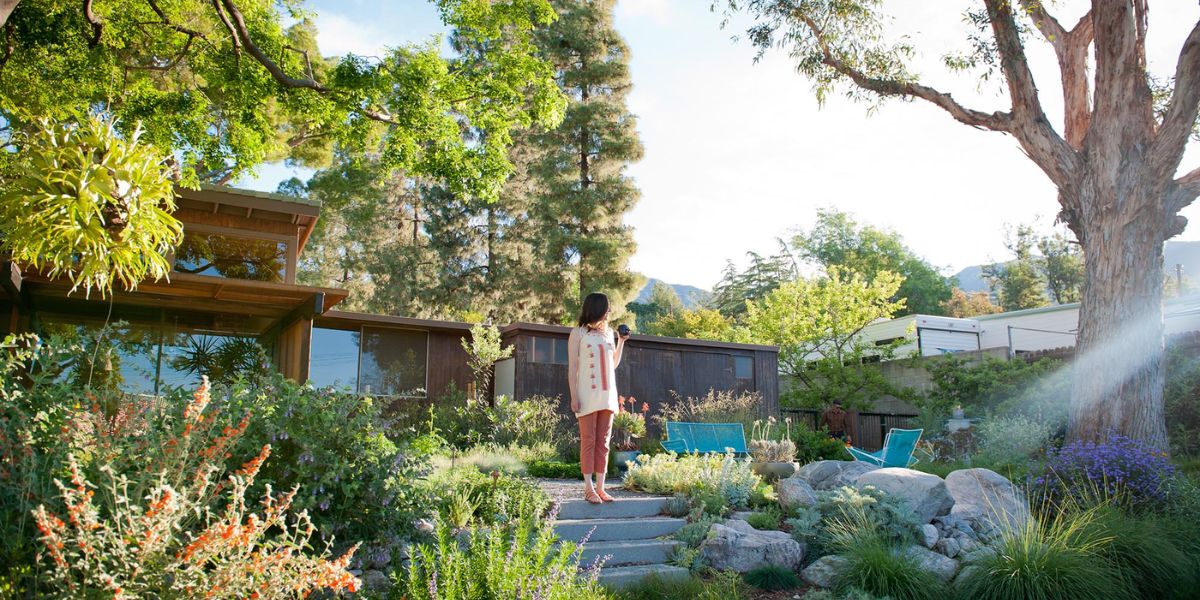
- Zone 0 (0–5 feet): Keep this area completely free of combustible materials. Use gravel, pavers, or bare soil instead of mulch. Store nothing flammable against walls.
- Zone 1 (5–30 feet): Remove dead plants, leaves, and branches. Trim trees so that no branches overhang your roof.
- Zone 2 (30–100 feet): Create spacing between shrubs and trees to prevent flames from traveling through vegetation.
This space not only slows the fire but gives firefighters a safer area to defend your property.
Use Fire-Resistant Landscaping
Many homeowners overlook how easily landscaping can ignite. Choose fire-resistant plants such as California lilac, manzanita, or succulents. Avoid highly flammable species like eucalyptus, pine, and juniper.
Place plants in well-watered beds and use noncombustible mulch like gravel or decomposed granite. Regular pruning and irrigation are key — dry, overgrown plants act like kindling during high winds.
Secure Decks, Fences, and Patios
Wooden decks and fences can act as “fire ladders” leading flames straight to your home. Replace wooden rails with metal or composite materials, and ensure no flammable materials are stored underneath decks.
If you have a wooden fence attached to your home, replace the last five feet closest to the structure with metal or masonry. This simple step often makes the difference between a saved and lost home.
Maintain Regular Inspections
Home hardening isn’t a one-time project — it’s an ongoing practice. Schedule seasonal inspections before the Santa Ana wind season (typically September through December).
Create a yearly checklist to review:
- Roof and vent condition
- Vegetation trimming and irrigation
- Ember screening on vents and eaves
- Deck and fence condition
Your local Los Angeles Fire Department may also offer home hardening assessments or neighborhood risk evaluations — take advantage of them.
Work Together as a Community
Wildfire safety is stronger when it’s collective. Encourage your neighbors to harden their homes too — one unprepared property can put others at risk.
Participate in community Fire Safe Council meetings, attend CERT (Community Emergency Response Team) training sessions, and share resources through neighborhood councils. When everyone understands the risks, your whole area becomes more resilient.
Final Thoughts
Protecting your home from wildfires isn’t just about luck — it’s about preparation. By hardening your roof, sealing vents, managing vegetation, and maintaining defensible space, you significantly increase your chances of survival when the next wildfire season arrives.
Wildfires are part of living in Los Angeles’s foothills — but devastation doesn’t have to be. Preparation, awareness, and community action can keep your home standing strong.
Have you started hardening your home against wildfires? Share your experiences and tips in the comments below to help others in Los Angeles prepare better.