When it comes to emergency preparedness, Los Angeles presents a unique set of challenges. The city’s diverse geography, with urban sprawls and foothill communities, requires different approaches to planning. Whether you’re living in a high-rise in Downtown LA or a secluded home in the foothills, your emergency plan must be tailored to your specific environment. In this article, we’ll explore how to adapt your emergency plan for both urban and foothill areas of Los Angeles.
Understanding LA’s Diverse Geography and Risk Factors
Los Angeles is a city of contrasts. Urban areas, like Downtown, face risks from earthquakes, power outages, civil unrest, and even wildfires during certain seasons. On the other hand, the foothill regions, such as those near the San Gabriel Mountains, are more vulnerable to wildfires, landslides, and limited access during evacuations. These differences mean your emergency plan must address the unique needs of your surroundings.
Table of Contents
Urban Areas: Focus on Earthquake and Civil Unrest
Living in the heart of Los Angeles requires preparing for events that could disrupt daily life for extended periods. Earthquakes are one of the most significant threats to urban areas, given LA’s location along the San Andreas Fault and other seismic zones. In the event of a major quake, you’ll need a plan that focuses on:
- Securing Heavy Items: Ensure that furniture, appliances, and objects like televisions are anchored to prevent injuries and damage during shaking.
- Evacuation Routes: Know multiple ways to exit your building and the surrounding area. Have designated meeting spots for family members in case cell service is down.
- Backup Communication: In a city where cell networks may be overloaded, set up a designated out-of-town contact who can help relay information between family members.
- Sheltering in Place: In some emergencies, it may be safer to remain inside. Ensure that your apartment or home has enough water, food, and other supplies to last at least 72 hours.
Civil unrest and large-scale protests are also a concern in urban areas like LA. If you’re living in an area that could be impacted by these events, consider the following:
- Know Safe Routes: Be aware of areas likely to be affected by protests and plan safe routes away from them.
- Emergency Services: Identify the nearest hospitals, police stations, and shelters.
Foothill Areas: Prepare for Wildfires and Limited Access
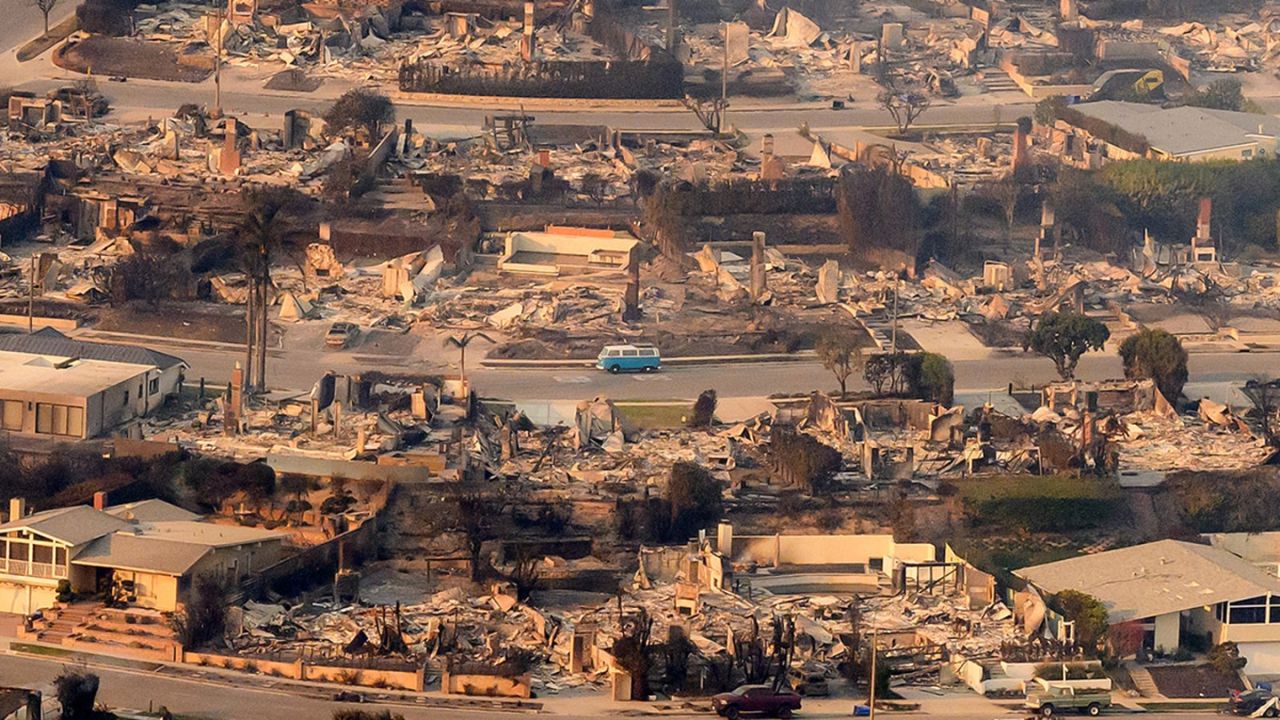
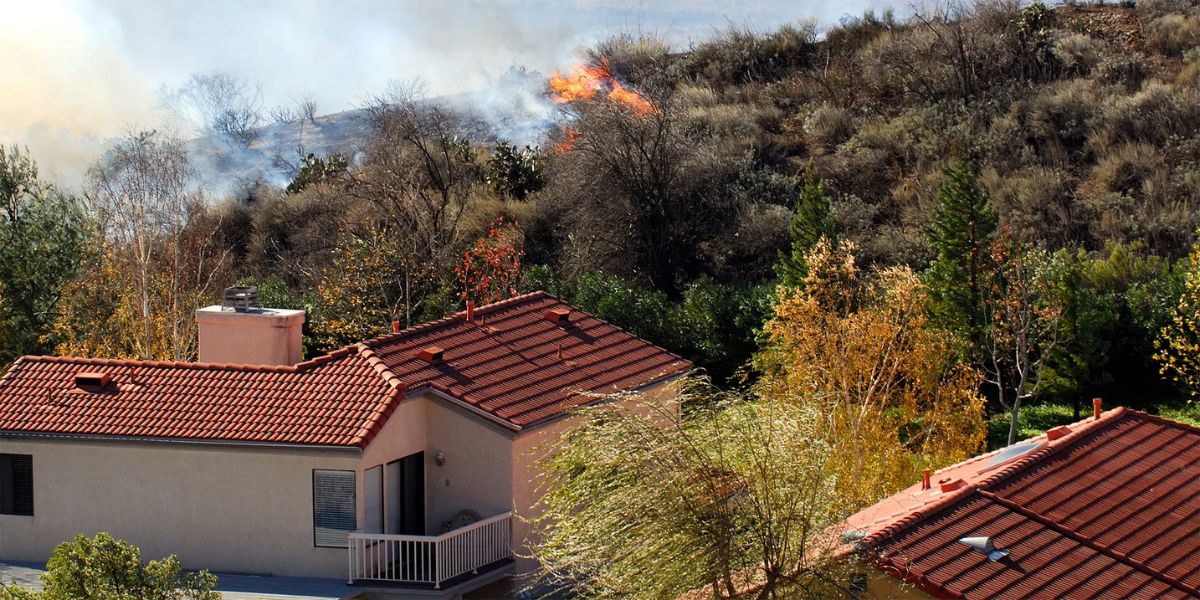
For those living in the foothills of LA, the risk of wildfires is a top concern. These areas can be more prone to rapid fire spread due to dry vegetation and strong winds, especially during the Santa Ana winds season. To create an emergency plan that protects your family and home, consider:
- Creating Defensible Space: Clear away dry brush and maintain a defensible space around your home. Use fire-resistant landscaping and materials for your property.
- Evacuation Routes: Foothill areas can have limited access points, so knowing multiple evacuation routes is critical. Have a map and practice these routes with your family regularly.
- Emergency Supplies: Since foothill areas can be isolated, stock up on emergency supplies such as water, food, medical kits, and flashlights. Ensure that these supplies are easy to access and transport.
- Wildfire Safety Plan: Know where the nearest community wildfire shelters are located. Have a “go-bag” prepared for each member of your family, especially your pets.
- Fire-Resistant Home Improvements: If you live in a fire-prone area, consider fire-resistant roofing materials, windows, and even home hardening measures that can slow the spread of flames.
Preparing for Power Outages and Limited Services
Both urban and foothill areas can experience power outages during natural disasters. These outages can last from hours to days, depending on the extent of the damage. Here’s how to prepare for potential power disruptions:
- Backup Power: In urban areas, it might be difficult to find a gas station with power during a blackout, so consider investing in a portable generator. For foothill homes, a solar-powered generator might be a good option.
- Non-Electric Communication: Ensure you have a battery-powered radio to receive updates during emergencies. Also, consider walkie-talkies as an alternative to mobile phones if network towers go down.
- Lighting: Use flashlights or battery-powered lanterns. Avoid using candles to prevent fire risks.
Connecting with Your Community
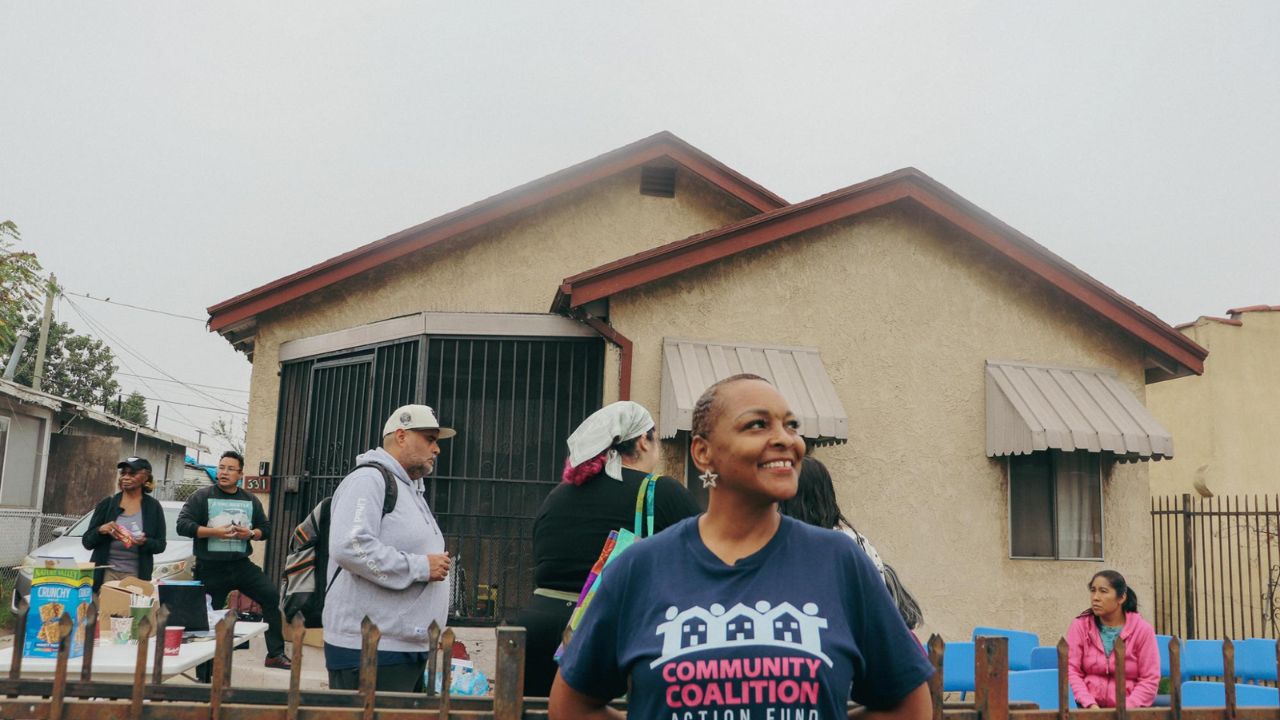
One of the most effective ways to tailor your emergency plan is by connecting with your local community. Whether you’re in a high-rise building or a rural neighborhood, your neighbors are your first line of defense during emergencies.
- Form or Join a Community Group: In urban areas, building a network with neighbors and local organizations can help in coordinating evacuations and providing support.
- Community Resources: Foothill areas might lack resources like hospitals, so it’s essential to work with your neighborhood to stockpile medical supplies and create mutual aid networks.
Special Considerations for Vulnerable Populations
Both urban and foothill areas of LA have populations that are more vulnerable during disasters. These include the elderly, children, and individuals with disabilities. Tailoring your emergency plan should consider these groups:
- In Urban Areas: Ensure that elderly family members can easily evacuate and have access to mobility aids. Consider accessibility needs for wheelchairs or walkers.
- In Foothill Areas: Vulnerable individuals may need assistance evacuating in cases of limited access due to fires or landslides.
The Role of Technology in Your Plan
While it’s important to plan for a worst-case scenario where technology fails, leveraging technology can significantly improve your ability to prepare for and respond to an emergency. For both urban and foothill residents:
- Emergency Apps: Download apps that provide real-time information on wildfires, earthquakes, and road closures. Apps like FEMA, Red Cross, or local government apps can keep you updated.
- Social Media: Follow local emergency management agencies on social platforms for alerts.
Conclusion: Tailor Your Plan, Stay Safe
Whether you live in the heart of Los Angeles or the more remote foothill areas, your emergency plan should reflect the unique challenges of your location. Regularly review and update your plan to ensure that it remains effective during any situation. The key to being prepared is knowing the risks and having the right resources and knowledge to act quickly when the time comes.
Don’t wait until the next emergency happens—start tailoring your emergency plan for LA today. Involve your family, your neighbors, and local resources to ensure you’re ready for any situation that may arise. Visit BeReadyLA.org for expert tips, community preparedness guides, and more resources to help you stay safe in Los Angeles.