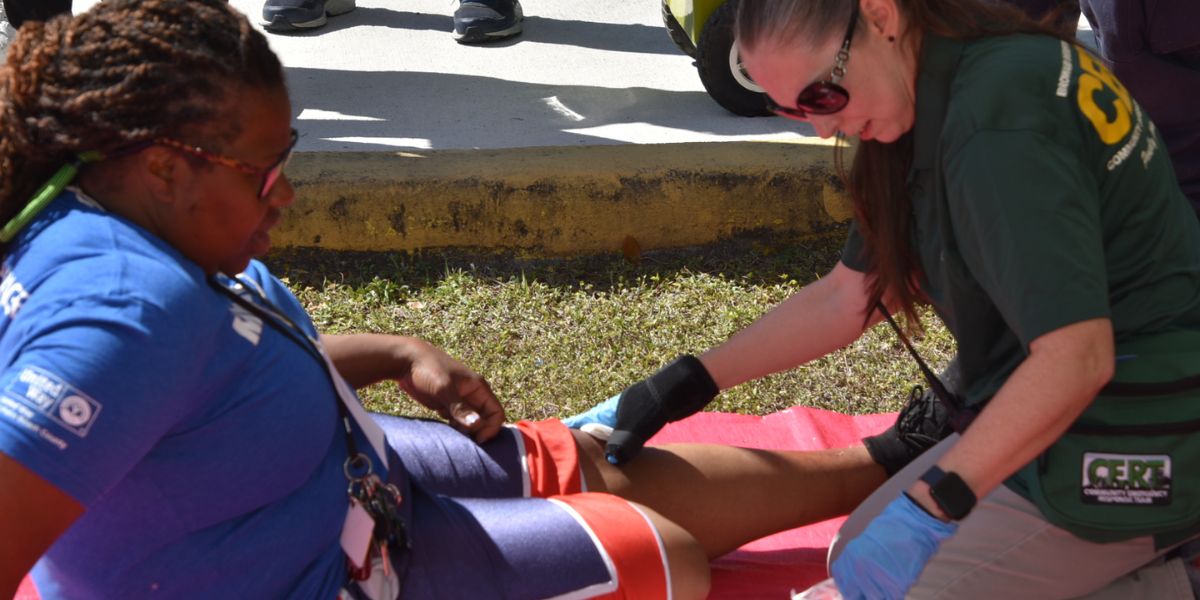
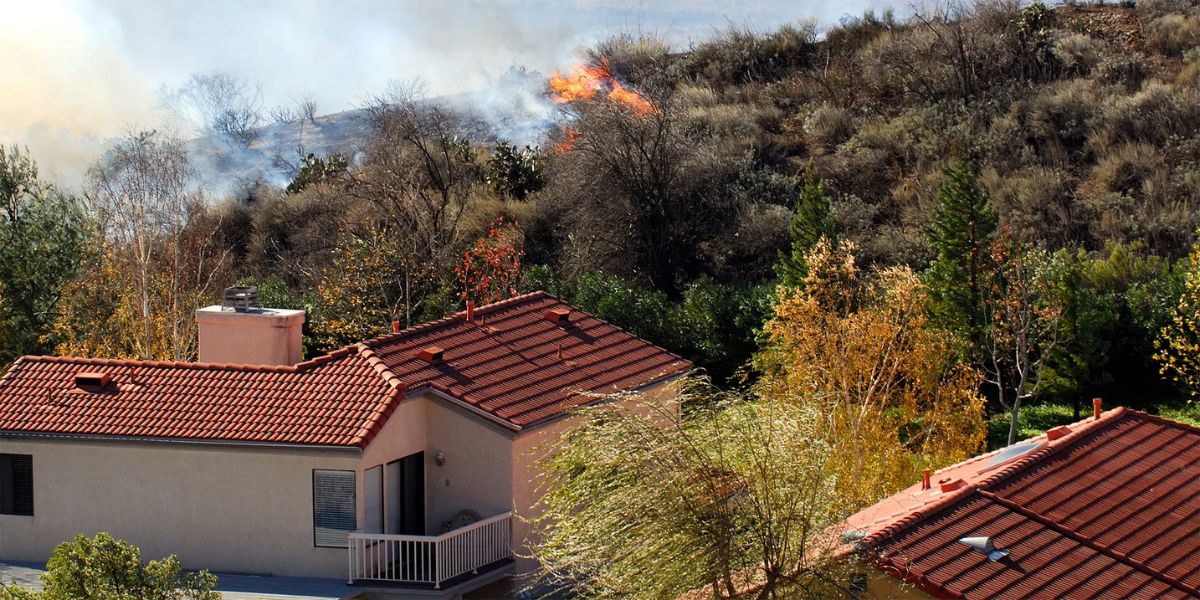
Preparing for the first 72 hours after a disaster is one of the most important steps an LA family can take. Earthquakes, wildfires, power outages, and sudden evacuations can happen with little warning, and the ability to remain self-sufficient for three days can make a significant difference in safety and recovery. This guide breaks down the essential items, planning steps, and local considerations every household in Los Angeles should follow.
Understanding Why 72 Hours Matter
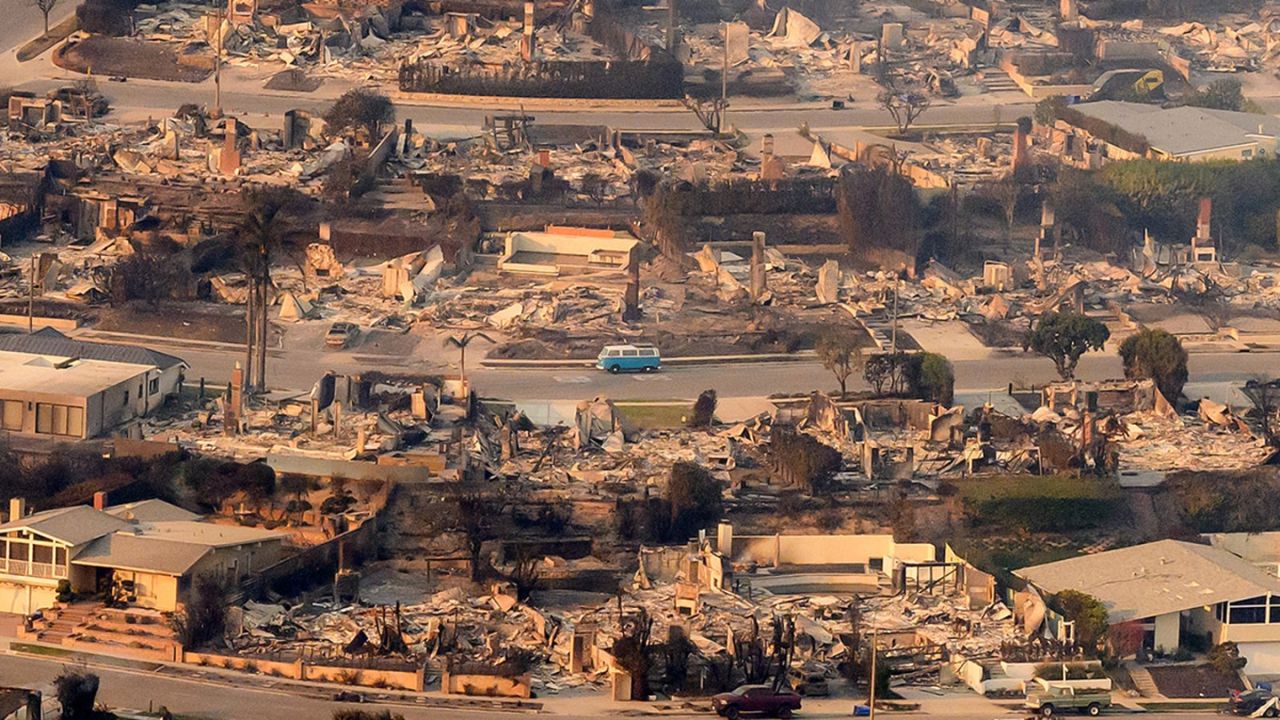
The reason experts emphasise a 72-hour window is simple. After a major emergency, first responders prioritise the most critical cases. Roads may be blocked, utilities may be down, and communication networks can become overloaded. Families with supplies, water, and a clear plan can stay safe until assistance reaches their area. For a dense and diverse region like Los Angeles, being prepared is not optional — it’s necessary.
Table of Contents
Core Supplies Every Household Must Store
Water and Hydration Essentials
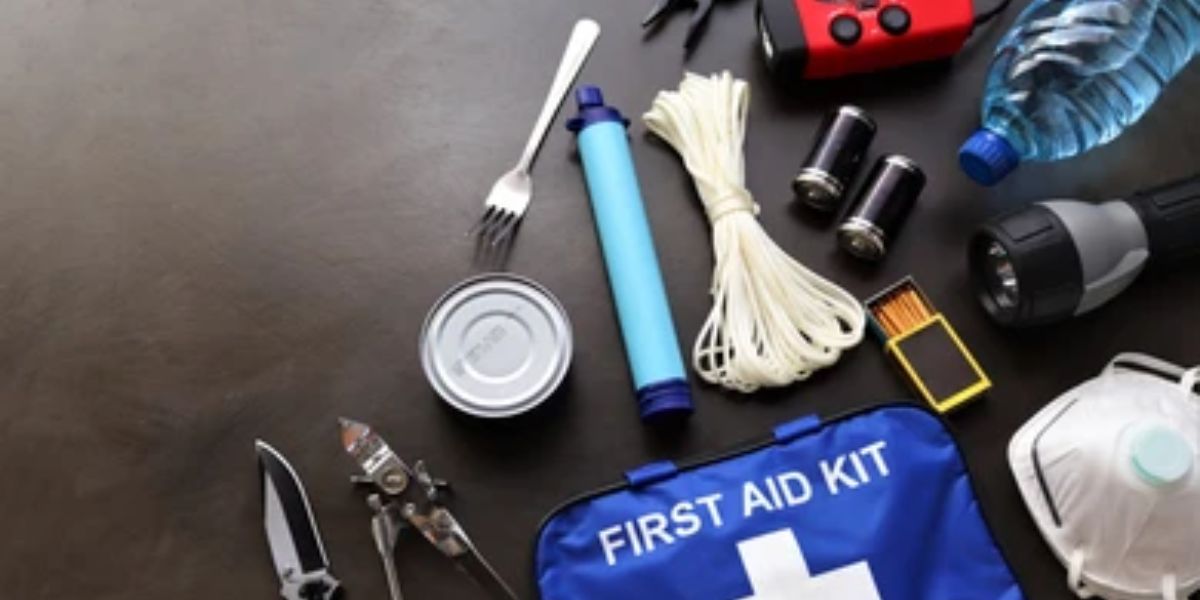
Water is the most critical component of a 72-hour kit. Each family member should have a minimum of one gallon per day — enough for drinking, basic hygiene, and cooking if needed.
H3: What to Include
- Pack sealed water bottles or store water in food-safe containers.
- Add water purification tablets or a portable filter.
- Keep a collapsible container for emergencies where you may need to collect water from a distribution point.
Food and Nutrition
Emergency food should require no cooking and have a long shelf life.
H3: Recommended Items
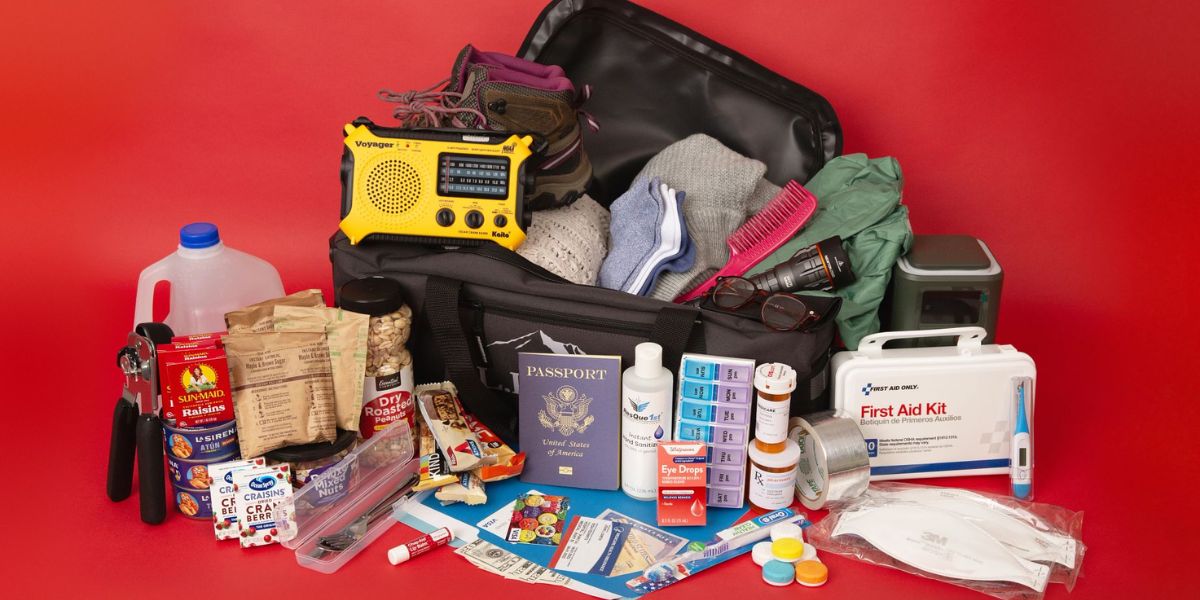
- Canned vegetables, beans, tuna, or chicken
- Ready-to-eat meals (MREs)
- High-calorie energy bars
- Instant foods that require minimal water
- Manual can opener
Store items in a cool, dry place and rotate every six months to prevent spoilage.
Health, Safety, and Personal Protection Items
First Aid
A well-stocked first aid kit is crucial. Include bandages, antiseptic wipes, gauze, medical tape, tweezers, pain relievers, and any prescribed medications. Families with children or elderly members should prepare specialised medical supplies.
Hygiene and Sanitation Supplies
Disasters often disrupt plumbing, which can quickly create unsafe conditions. Include items such as:
- Hand sanitiser
- Moist towelettes
- Garbage bags
- Toilet paper
- Basic toiletries
Safety Gear
Los Angeles is earthquake-prone, so protective gear matters.
- Sturdy gloves
- Dust masks or respirators
- Protective eyewear
- Emergency blankets
- Flashlights with extra batteries
Communication and Navigation Tools
Staying Connected
Communication failures are common in emergencies. To stay informed and reachable, store:
- A battery-powered or hand-crank radio
- Backup power bank
- Extra charging cables
- Whistle for signalling
- Printed list of emergency contacts
During wildfire events, phones drain faster due to heat and network congestion, making power backups essential.
Navigation and Evacuation Aids
Have paper maps of Los Angeles, including local roads and neighbourhood evacuation routes. GPS may fail, and knowing alternate ways out of your neighbourhood can save valuable time.
Family Documents and Financial Preparedness
Protecting Vital Records
Keep copies of important documents in a waterproof folder:
- IDs
- Insurance papers
- Home and vehicle documents
- Medical records
- Contact lists
Having digital copies stored on an encrypted USB drive adds an additional layer of security.
Cash for Emergencies
Power outages often disrupt ATMs and card machines. Store small-denomination cash that can be used for fuel, food, or supplies.
Tools, Equipment, and Household Readiness
Basic Toolkit
A simple toolkit prepares you for small repairs or emergency adjustments. Include:
- Multi-tool
- Pliers
- Adjustable wrench (important for turning off gas)
- Duct tape
- Nylon rope
Lighting and Heating
Flashlights, lanterns, glow sticks, and emergency candles help keep your home safe during outages. Avoid relying solely on your phone’s flashlight to preserve battery life.
Planning for Pets, Children, and Older Family Members
Pet Preparedness
Pets need their own 72-hour kits. Pack:
- Pet food
- Water
- Medications
- Leash and carrier
- Comfort items
Children’s Needs
Kids may require extra essentials like formula, diapers, medication, or comfort toys to stay calm.
Support for Seniors
Older adults may need mobility aids, medical equipment, or additional medication reserves. Preparing early helps prevent medical emergencies during disasters.
Creating a Family Emergency Plan
A checklist is only effective when paired with a plan. Identify meeting points, discuss evacuation routes, and create a communication strategy if family members get separated. Every household should also practice earthquake drills, know how to shut off utilities, and keep shoes near the bed to avoid injuries from broken glass.
Maintaining and Updating Your Kit
Schedule reminders every six months to check expiration dates, replace batteries, rotate food, and update documents. Household needs evolve, so your kit should evolve with them.
Conclusion
A complete 72-hour emergency checklist gives Los Angeles families confidence and control during unpredictable events. When the next wildfire, earthquake, or power outage hits, the families who have prepared will be the ones who cope best, recover quickly, and support their neighbours. Preparation is an investment in safety and resilience.
What do you think of this guide? Share your thoughts in the comments below at bereadyla.org.