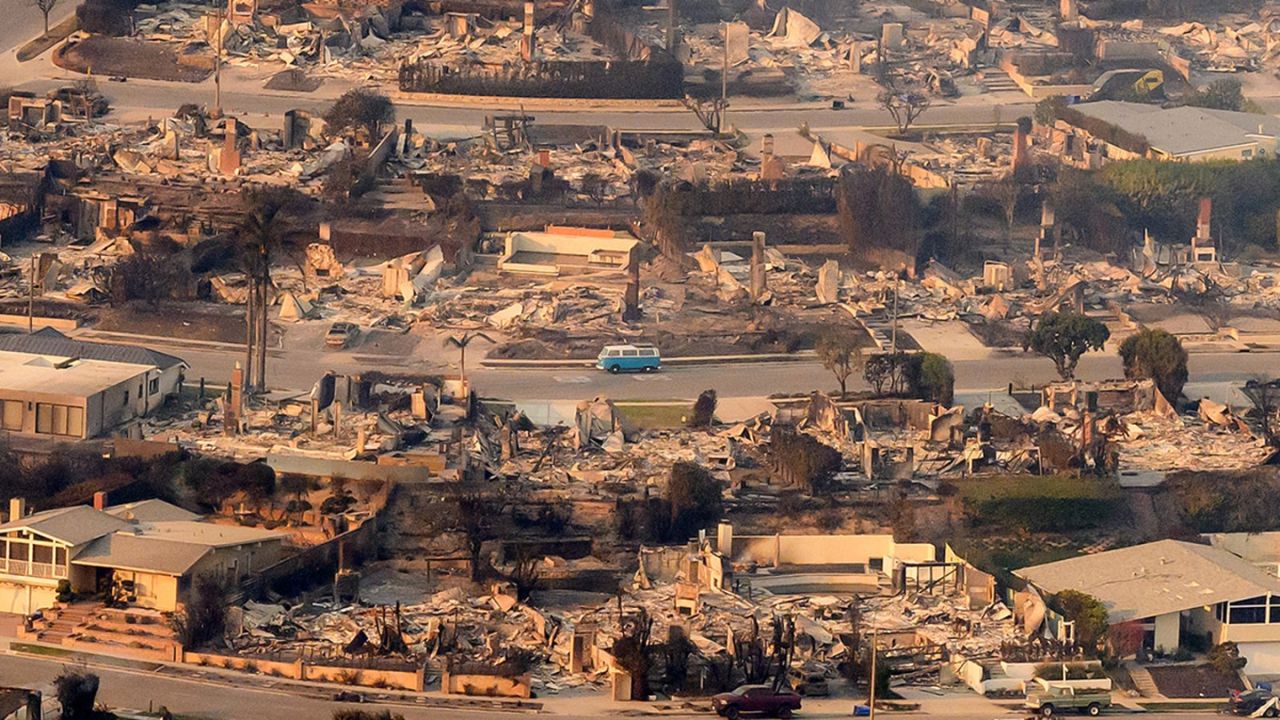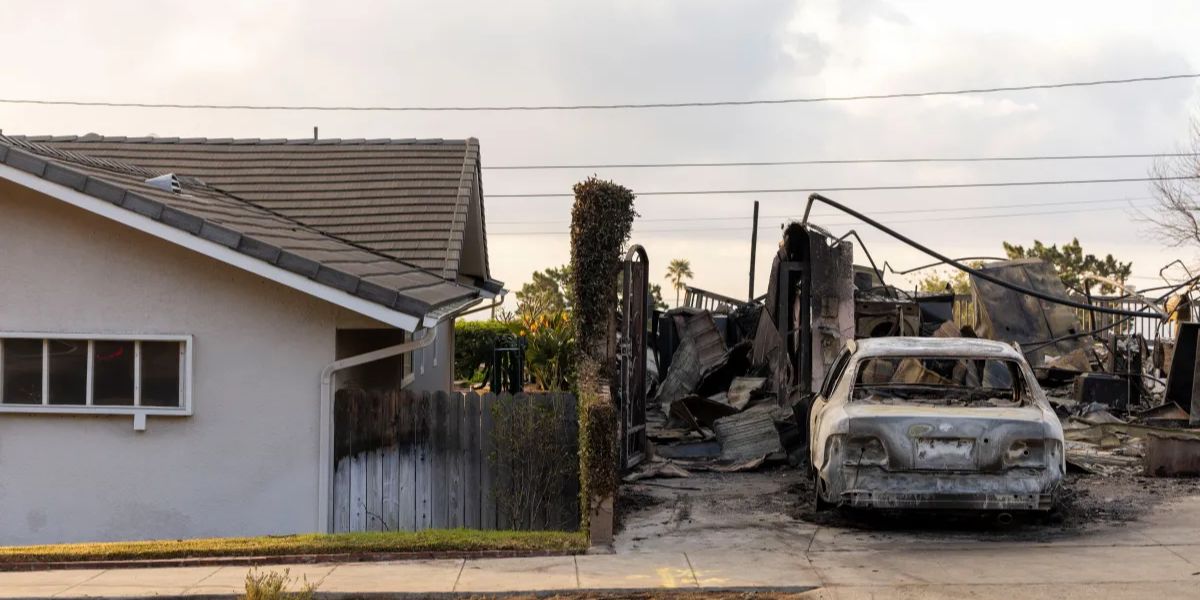
Every wildfire season, embers—tiny, wind-driven pieces of burning material—are responsible for igniting homes even miles away from the main fire. For Los Angeles homeowners living in foothill or canyon areas, understanding how ember-resistant vents work is not just a technical detail—it’s a line of defense that can determine whether a house survives a wildfire.
Understanding the Ember Threat
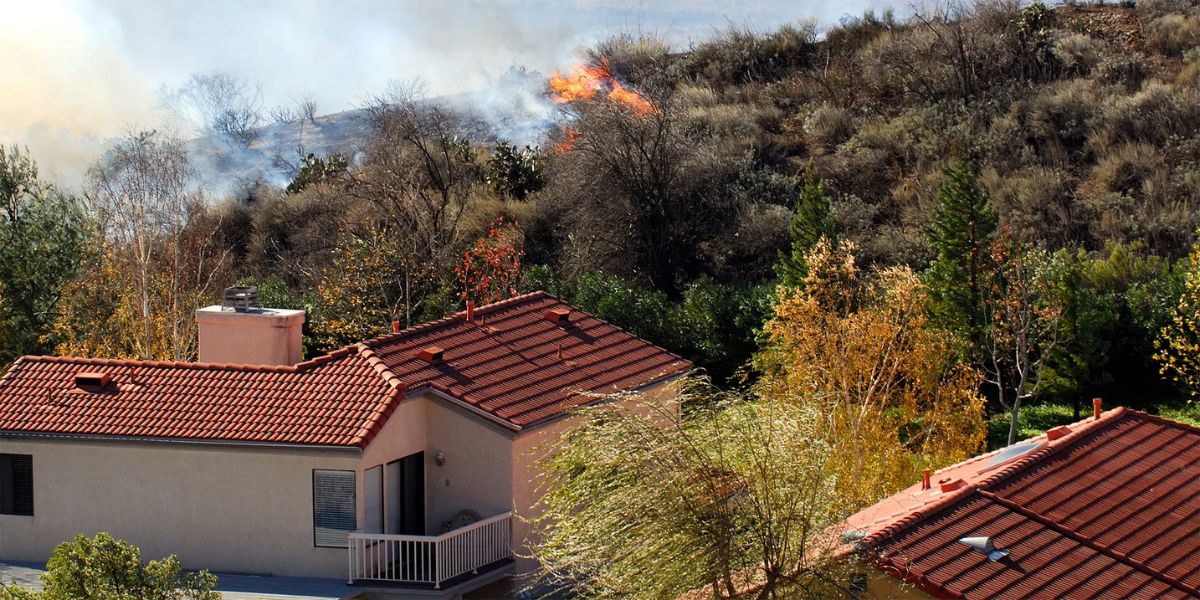
When a wildfire burns through vegetation, it creates embers that can travel long distances through strong winds. These embers often land on rooftops, decks, and most dangerously, enter through attic or crawl space vents. Once inside, they can ignite stored materials like insulation, wood framing, or debris—causing the house to burn from the inside out.
Table of Contents
In Southern California’s dry and windy conditions, such as the Santa Ana winds, ember storms can easily reach neighborhoods thought to be miles away from danger. This is why building science now emphasizes ember control as one of the most effective strategies in wildfire defense.
What Are Ember-Resistant Vents?
Ember-resistant vents are specifically designed to block embers from entering a structure while still allowing air circulation. Traditional vents use open mesh or perforated metal, which provides ventilation but allows small embers to pass through.
Modern ember-resistant vents use fine stainless-steel mesh (1/8 inch or smaller) or an intumescent material—a special coating that expands when exposed to heat, temporarily sealing the vent during a fire.
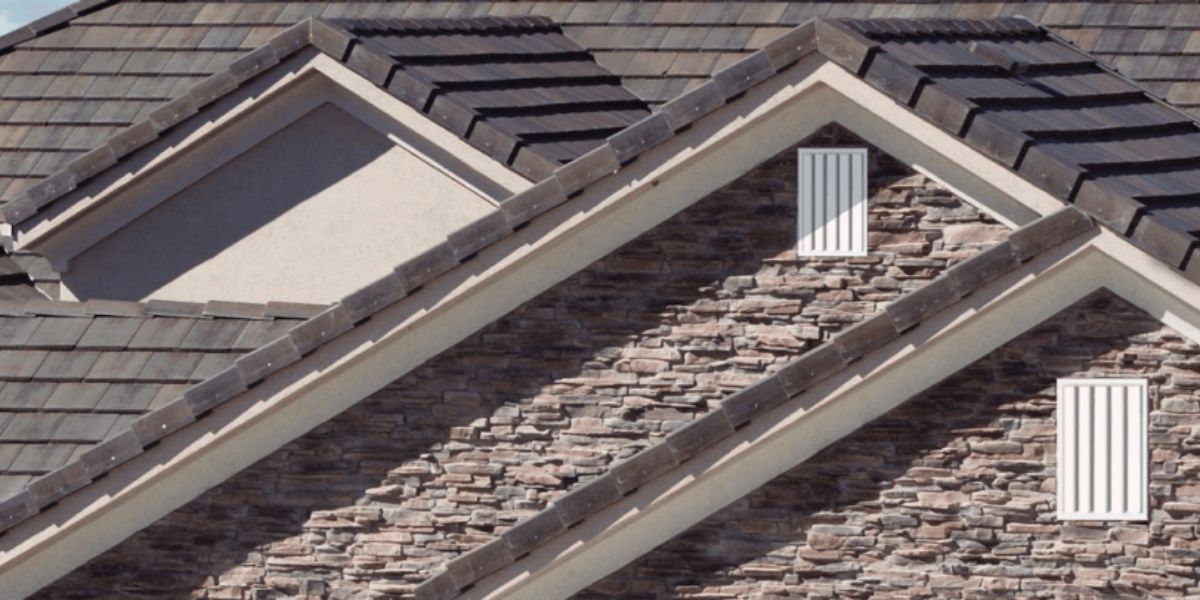
These vents are most commonly installed in:
- Attics and soffits
- Crawl spaces
- Gable ends and eaves
The key is balancing ventilation and fire protection—too much sealing can trap moisture, but too little can invite embers in.
The Science Behind Their Design
The performance of ember-resistant vents lies in fluid dynamics and material science. Embers are carried by turbulent wind currents, and as air passes through the vent, small changes in pressure and velocity determine whether those embers will make it inside.
By using mesh with a smaller aperture size, vents reduce airflow speed and cause embers to lose momentum and fall away before entering the home. The metal or composite materials also resist heat transfer, preventing embers from igniting surrounding surfaces.
Some high-end vents, tested under ASTM E2886/E2886M standards, have shown that they can block direct ember intrusion even under simulated wildfire wind speeds. The intumescent coatings add an extra layer of defense—expanding like foam under heat to completely block air gaps when temperatures rise above 400°F.
California Building Standards and Requirements
In wildfire-prone areas like Los Angeles County, ember-resistant vents are more than a recommendation—they’re a code requirement. The California Building Code Chapter 7A mandates that new construction in designated Wildland-Urban Interface (WUI) zones must use ember-resistant venting materials.
For homeowners retrofitting older structures, local fire departments and agencies such as CAL FIRE and the Los Angeles County Fire Department Forestry Division offer resources and inspection programs to help assess vulnerabilities.
Upgrading vents can also make homeowners eligible for insurance discounts or grants under programs like the California Wildfire Mitigation Program (CWMP).
Benefits Beyond Wildfire Protection
While the primary function is to prevent ember intrusion, these vents offer additional benefits:
- Improved air quality: They filter out debris, insects, and dust that can enter attics through traditional vents.
- Moisture control: Proper airflow reduces humidity buildup, protecting roof structures from mold and decay.
- Energy efficiency: Modern vent systems can enhance thermal regulation in attics, reducing energy use during LA’s hot summers.
Practical Steps for Homeowners
For Los Angeles residents considering upgrades, here’s how to get started:
- Inspect existing vents: Look for gaps, rust, or mesh openings larger than 1/8 inch.
- Choose certified products: Verify that replacement vents meet WUI and ASTM standards.
- Hire licensed contractors: Ensure proper installation to maintain ventilation balance.
- Combine with other defenses: Pair vent upgrades with fire-resistant roofing, sealed eaves, and cleared defensible space around the property.
Regular maintenance is also critical—clear leaves and debris from vent openings, as buildup can reduce effectiveness over time.
Local Los Angeles Examples
Communities in Topanga Canyon, Malibu, and Glendale have already implemented ember-resistant retrofits as part of their local fire-safe councils. After the Woolsey Fire, post-incident studies found that homes with upgraded vents and defensible space had a significantly higher survival rate.
In fact, a 2022 CAL FIRE study noted that homes using ember-resistant vents were up to 40% less likely to experience structure ignition from airborne embers.
Why It Matters for Every LA Resident
Even if you don’t live directly in a wildfire hazard zone, ember travel distances can exceed two miles. That means preparedness is everyone’s responsibility. By installing ember-resistant vents, homeowners take a measurable, science-backed step to protect not only their property but also their neighbors and community.
Final Thoughts
Wildfires are part of Southern California’s natural landscape—but home loss doesn’t have to be. Understanding the science behind ember-resistant vents empowers Los Angeles residents to make smart, preventive choices that can save lives and property.
What do you think? Have you or your neighborhood upgraded to ember-resistant vents? Share your experiences in the comments below on BeReadyLA.org and help your community stay safer this wildfire season.