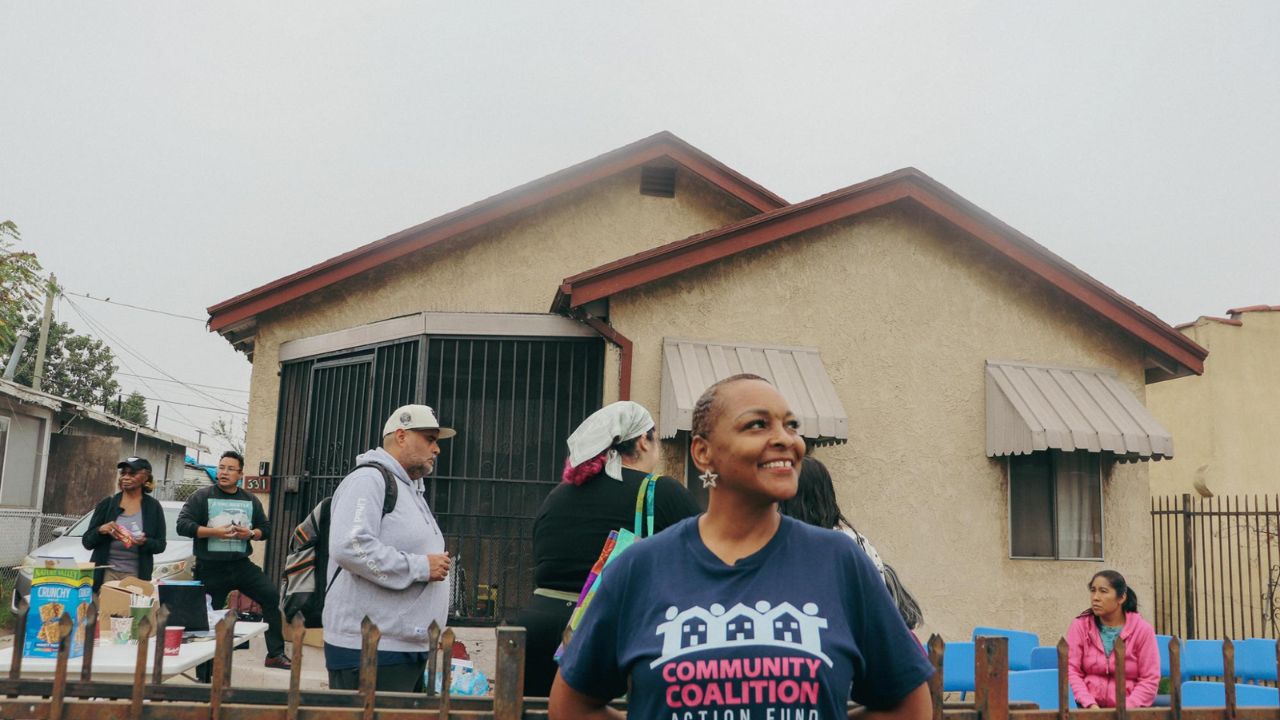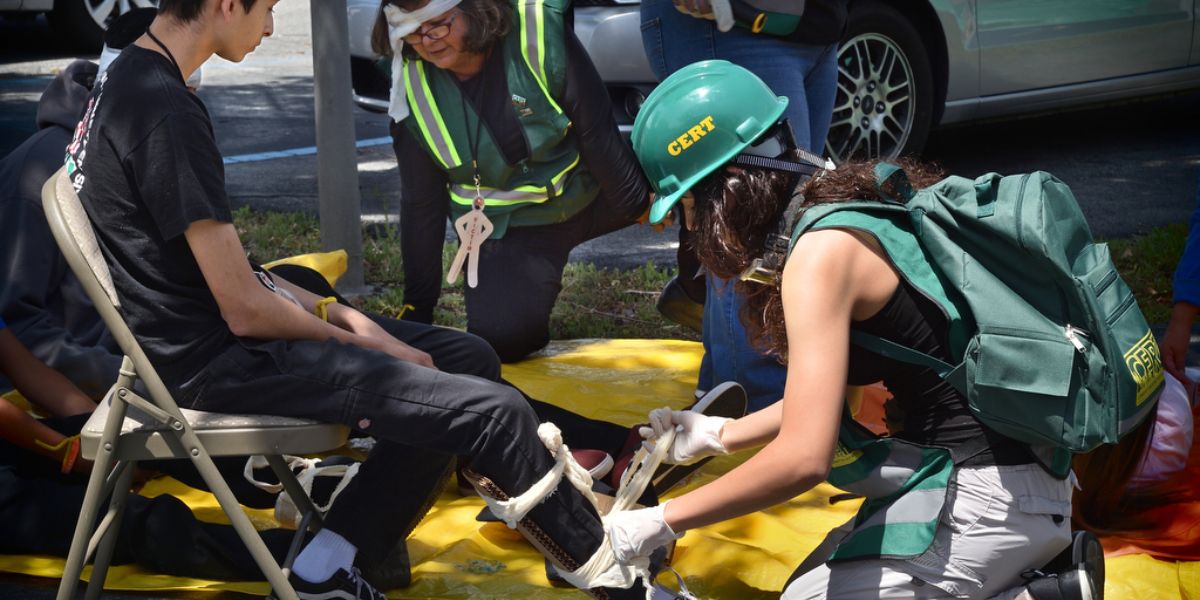
When disasters strike, volunteers are the backbone of the response efforts. In Los Angeles, where natural hazards like wildfires, earthquakes, and floods are frequent, the ability to manage volunteers efficiently can make all the difference in saving lives and mitigating damage. Whether you’re a community leader, an emergency planner, or part of a local response team, learning how to effectively manage volunteers during community emergency response events is crucial. Here are some essential tips to ensure a smooth, coordinated effort when every second counts.
1. Establish Clear Roles and Responsibilities
One of the first steps in managing volunteers effectively is defining clear roles. In a chaotic emergency situation, uncertainty can lead to confusion and inefficiency. By assigning specific tasks ahead of time, volunteers will know exactly what is expected of them.
Table of Contents
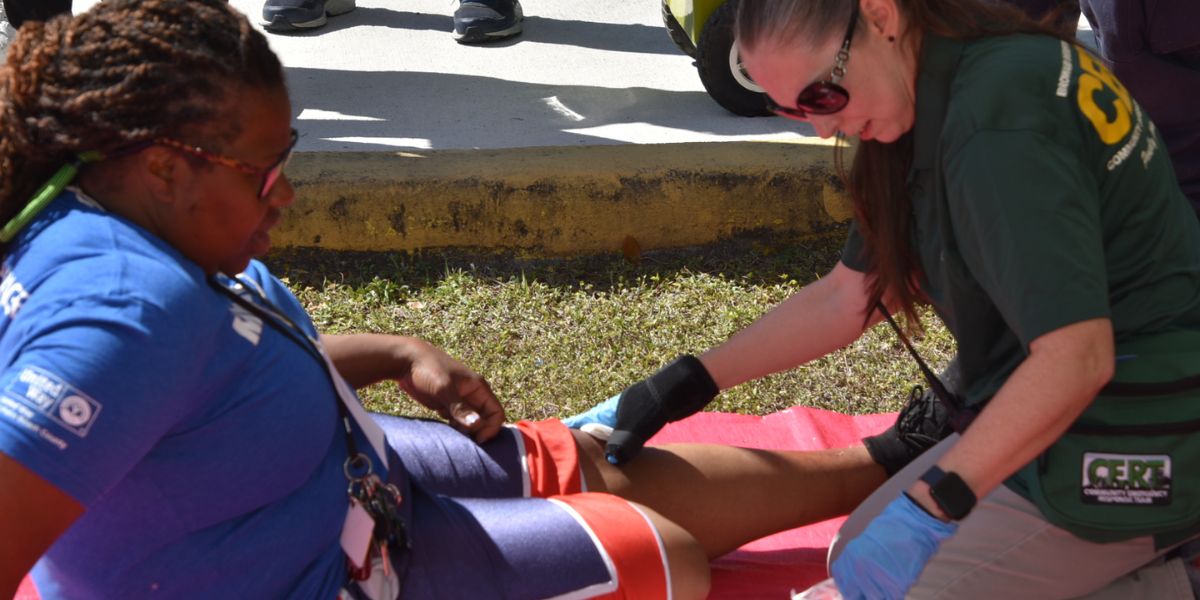
For example, designate volunteers to handle crowd control, assist with evacuation routes, provide first aid, or manage communication channels. When organizing roles, consider each volunteer’s skills and strengths—some may have medical experience, while others might be better suited for logistics or supporting affected families. Having clear assignments ensures that all needs are met without overlap.
2. Pre-Event Training and Orientation
Effective volunteer management begins before the emergency event occurs. Conducting pre-event training or orientations can ensure that volunteers are prepared to handle the specific challenges of a crisis.
For Los Angeles communities, this training might focus on the specifics of local disasters—such as wildfire evacuation procedures or earthquake preparedness—and provide an understanding of the geographic layout. Volunteers should also be trained on basic first aid, communication protocols, and the proper use of emergency equipment. The more knowledgeable and confident the volunteers are, the more effectively they will respond in the moment.
3. Create a Volunteer Communication Plan
In an emergency, communication is critical. Setting up a reliable communication plan that connects all volunteers, leaders, and first responders can help avoid confusion and streamline decision-making.
Consider using walkie-talkies, radio systems, or a reliable mobile app that allows quick messaging in real-time. Make sure that everyone understands how to report incidents, request assistance, and stay updated on the latest instructions. This system should be tested before an emergency, so everyone is comfortable using it.
For Los Angeles communities, it is also helpful to integrate local emergency management systems (like the LA County Emergency Operations Center) into your communication plan, ensuring that volunteers are in sync with citywide efforts.
4. Foster a Supportive and Motivating Environment
Emergency response events can be physically and emotionally taxing. Volunteers may be working long hours under stressful conditions. As a manager, it’s important to create a positive environment where volunteers feel supported and motivated.
Offer regular breaks, hydration, and food to keep everyone energized and focused. Acknowledge the hard work of your volunteers with praise and encouragement. When people feel appreciated, they’re more likely to stay engaged and perform well, especially during a prolonged event like a wildfire evacuation or search-and-rescue operation.
Furthermore, address any concerns or anxieties your volunteers might have. In LA, with its diverse population, some may be more vulnerable or have specific needs during emergencies. Consider offering emotional support or providing a quiet space where volunteers can decompress if needed.
5. Use a Centralized Volunteer Management System
To track volunteer participation, assignments, and contact information, consider using a centralized volunteer management system (VMS). This system allows you to track who is available, what tasks they’re assigned to, and how long they’ve been working.
In Los Angeles, a system like this can be especially useful for large-scale events, such as evacuations due to wildfires or after an earthquake, when numerous volunteers are spread across the city. A VMS ensures that no one is overlooked, and it provides real-time updates for any changes or additional resources that may be needed.
Many VMS platforms allow volunteers to check in and out electronically, keeping everyone organized and helping to manage their schedules efficiently. This system can also be invaluable for follow-up after the event, ensuring that volunteers are properly thanked and informed about any additional roles.
6. Ensure Safety and Well-Being of Volunteers
Volunteer safety is paramount, especially in emergency response situations. It is crucial to ensure that volunteers have the proper equipment to protect themselves, whether it’s PPE (personal protective equipment), fire-resistant clothing for wildfires, or emergency medical kits.
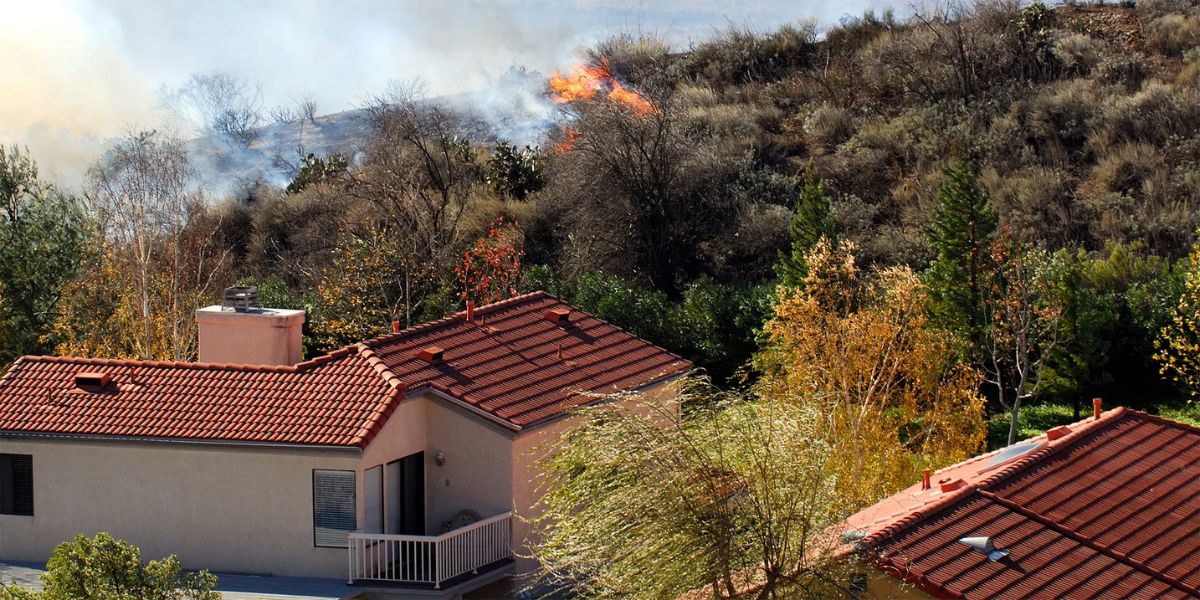
In Los Angeles, where wildfires and earthquakes pose significant risks, providing safety training before and during the event is essential. Volunteers should be equipped with information on how to protect themselves from smoke inhalation, burns, or falling debris. If they are handling large groups or vulnerable individuals, they should also be trained on crowd management and first-aid basics.
Safety measures also extend to mental well-being. Volunteers may experience trauma or exhaustion during large-scale emergencies, and offering mental health resources, or at least recognizing the signs of burnout, can prevent volunteers from feeling overwhelmed.
7. Debrief and Recognize Volunteer Contributions
After the emergency response event is over, it’s important to debrief with your volunteers. This helps identify what went well, what needs improvement, and how future responses can be more efficient. Debriefing sessions also allow volunteers to share their experiences, which can be valuable for refining strategies.
Recognizing your volunteers’ contributions is key to maintaining their morale for future events. Consider holding a thank-you event or issuing certificates of appreciation. Celebrating their hard work will encourage continued participation and build a stronger sense of community.
Managing volunteers during community emergency response events in Los Angeles can be challenging, but with the right strategies and preparation, you can ensure a well-organized, efficient response. If you’re ready to make a difference in your community, consider becoming a volunteer yourself, or start organizing training and planning efforts in your neighborhood. The power of a prepared and motivated community cannot be underestimated—every person’s effort counts in the face of disaster. Get involved, and help build a stronger, more resilient Los Angeles today!