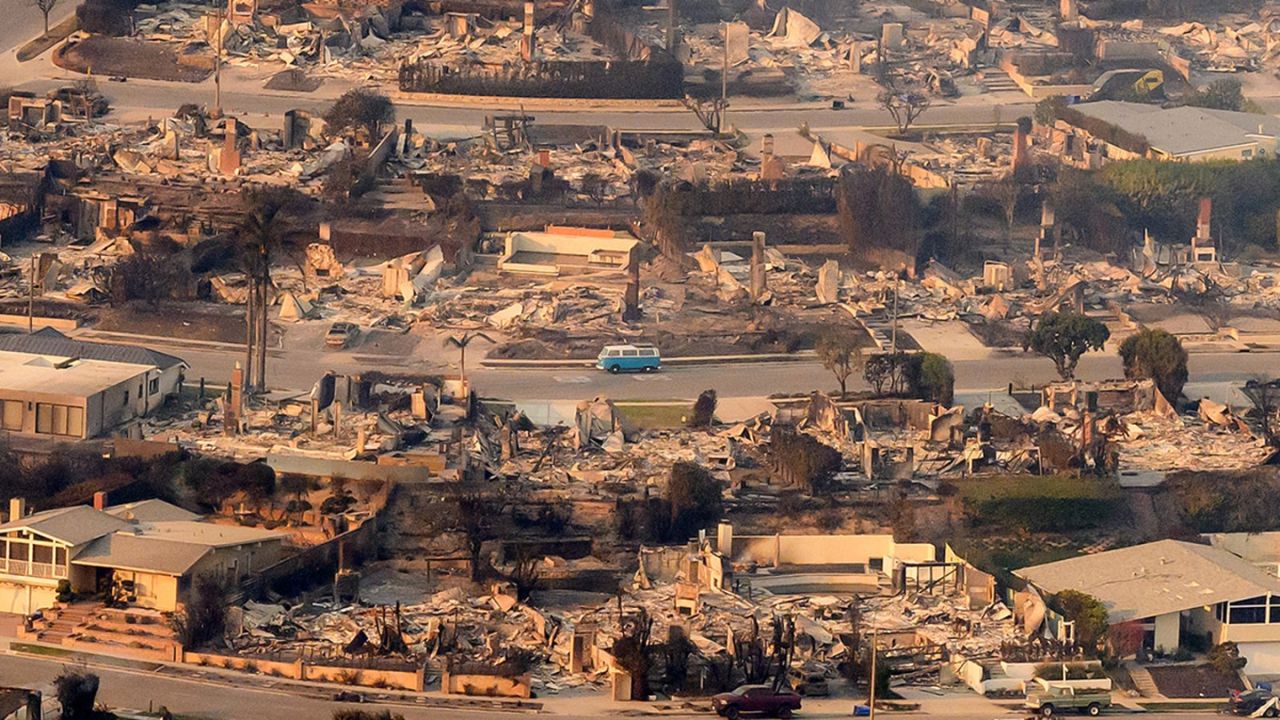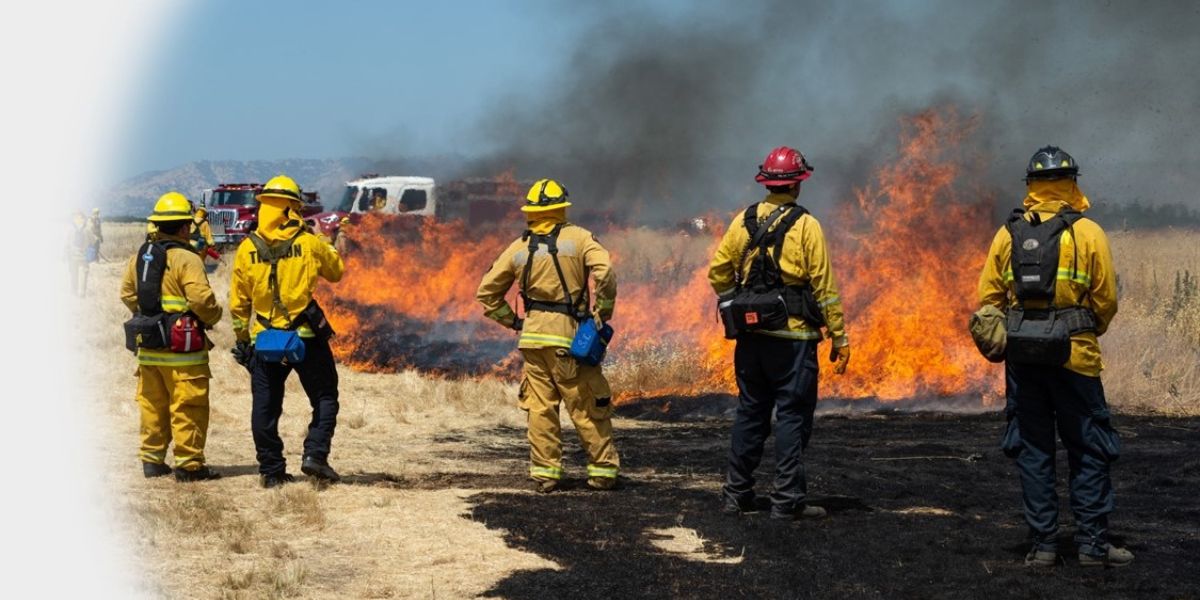
Los Angeles, a sprawling urban area with diverse geography and populations, faces various natural hazards, including wildfires, earthquakes, floods, and landslides. To protect the city’s residents, businesses, and infrastructure, Los Angeles has developed and continuously updates its hazard mitigation strategies. These efforts aim to reduce the risks associated with these hazards, ensuring the community is better prepared, more resilient, and less vulnerable to disasters.
What is Hazard Mitigation?
Hazard mitigation refers to actions that reduce or eliminate long-term risks and impacts of disasters. In the context of Los Angeles, this involves measures to minimize damage from natural events and speed up recovery when disasters occur. Hazard mitigation is proactive; while emergency response and recovery focus on reacting after a disaster strikes, mitigation focuses on preparing beforehand to prevent loss of life, property damage, and economic disruption.
Table of Contents
Key Hazard Mitigation Strategies in Los Angeles
1. Wildfire Risk Reduction and Defensible Space
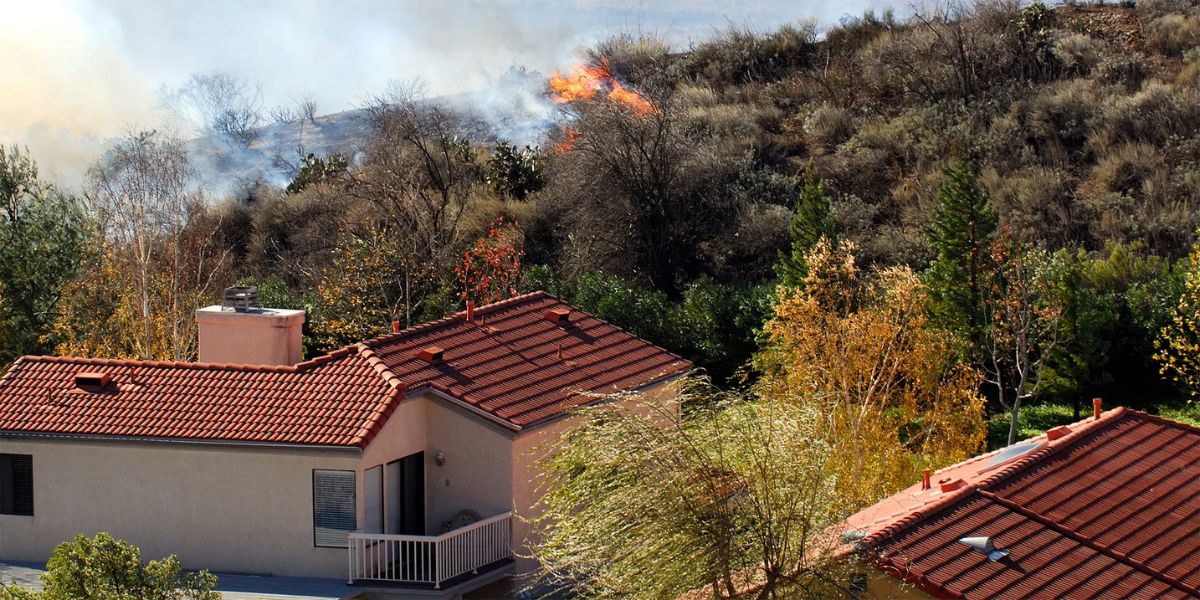
Los Angeles County, particularly its hillside areas, faces significant wildfire risks. In response, the city has implemented various strategies, such as creating defensible space around homes and properties. Defensible space is an area cleared of flammable vegetation, brush, and debris to slow the spread of wildfires and provide firefighters with space to operate safely.
Programs like the Los Angeles County Fire Department’s Wildfire Mitigation Program help homeowners clear their properties of wildfire fuel, ensuring compliance with fire safety regulations. These strategies also include public education on fire-resistant landscaping, as well as home hardening techniques such as fireproofing roofs and windows.
2. Earthquake Preparedness and Infrastructure Reinforcement
Earthquakes are a constant threat in California, and Los Angeles is no exception. As a result, the city has implemented a variety of earthquake preparedness strategies, including retrofitting older buildings and infrastructure to withstand seismic activity. Programs such as the Los Angeles Seismic Retrofit Program help businesses and homeowners make essential upgrades to their properties.
In addition to building retrofits, Los Angeles has invested in strengthening the city’s transportation infrastructure, including bridges and overpasses, which are particularly vulnerable during major earthquakes. These efforts are critical in minimizing the risk of collapse and ensuring that emergency responders can quickly access affected areas.
3. Flood Mitigation and Stormwater Management
Flooding is another significant hazard in Los Angeles, exacerbated by its heavy rainfall and urbanization. The city has implemented comprehensive flood mitigation strategies, such as the development of stormwater management systems designed to direct water away from vulnerable areas. These systems include detention basins, permeable pavements, and green infrastructure, which help absorb rainfall and reduce surface runoff.
The Los Angeles River Master Plan aims to improve flood control and transform the river into a more resilient ecosystem that can better manage floodwaters while providing public space and recreational areas. The city also works with FEMA to manage floodplain risks and educate residents on flood insurance and floodplain regulations.
4. Landslide Risk Reduction
In addition to wildfires and earthquakes, Los Angeles faces landslide risks due to its mountainous terrain and steep slopes. The city’s mitigation strategies include landslide risk mapping, early warning systems, and reinforcement of slopes in high-risk areas. Infrastructure like retaining walls, slope stabilization, and vegetation management helps to prevent landslides from damaging properties or blocking critical transportation routes.
5. Community Preparedness and Education
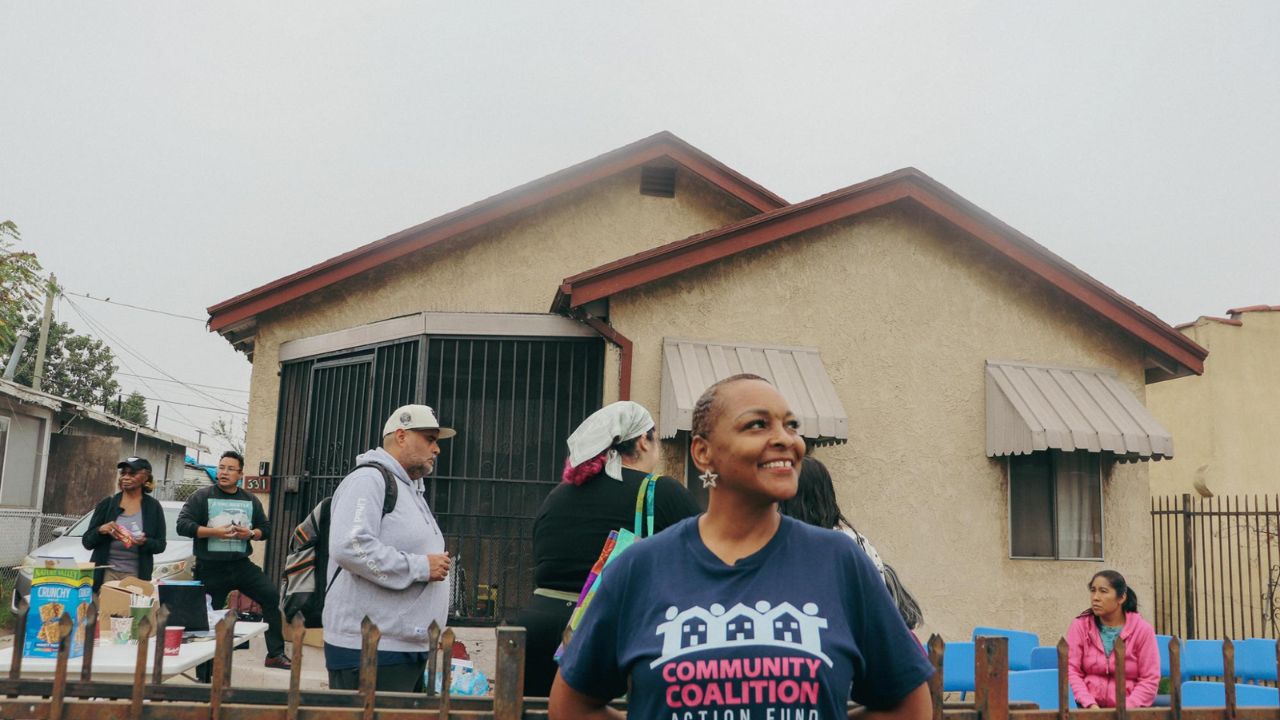
An essential aspect of hazard mitigation is ensuring that the local community is well-prepared and informed. Los Angeles works to engage its residents through public education campaigns and community preparedness programs. These efforts teach residents how to develop personal emergency plans, prepare emergency kits, and take actions to protect their homes and families during disasters.
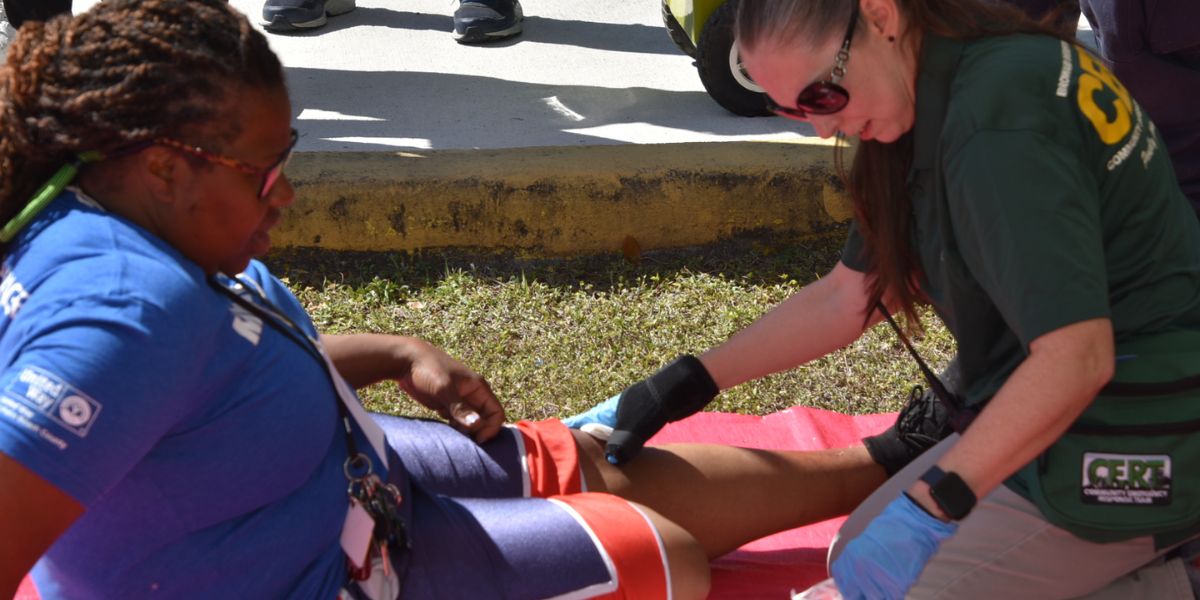
Programs like the Community Emergency Response Team (CERT) and Ready LA provide local residents with hands-on training to help them respond to emergencies and assist neighbors during times of crisis. This community-driven approach fosters resilience, allowing neighborhoods to work together during a disaster and speed up recovery.
6. Collaboration with Local Agencies and Stakeholders
Effective hazard mitigation requires coordination among various government agencies, private sector partners, and nonprofit organizations. Los Angeles leverages its partnerships with local entities such as the Los Angeles Emergency Management Department (OEM), Los Angeles Fire Department (LAFD), and Los Angeles Department of Water and Power (LADWP) to develop and implement coordinated risk-reduction efforts.
Additionally, the city collaborates with environmental organizations to incorporate sustainability and climate resilience into hazard mitigation strategies. This includes addressing climate change impacts like rising sea levels, extreme heat, and changing weather patterns that could increase the severity of natural hazards.
The Role of Technology in Hazard Mitigation
Technology plays a critical role in Los Angeles’ hazard mitigation strategies. The use of Geographic Information Systems (GIS) allows for better mapping of risk zones, enabling targeted mitigation efforts. Moreover, early warning systems such as earthquake detection networks and wildfire alert platforms give residents and emergency responders real-time information, allowing for quicker evacuations and resource allocation.
Los Angeles has also integrated smart city technologies to monitor air quality, track water usage, and analyze data from weather sensors. These technological advancements not only aid in immediate disaster response but also contribute to long-term planning and sustainability efforts.
How Residents Can Support Hazard Mitigation Efforts
While the city’s strategies are crucial for hazard mitigation, residents also have a vital role to play. Here are a few ways individuals and families can contribute to LA’s hazard mitigation efforts:
- Prepare a personal emergency plan that includes evacuation routes, family communication plans, and emergency contacts.
- Create defensible space around homes and clear away any combustible materials to protect against wildfires.
- Participate in community preparedness programs like CERT to gain knowledge and training that can benefit the entire neighborhood.
- Stay informed by subscribing to emergency alerts and using apps that track wildfires, earthquakes, and floods in real time.
Conclusion
Los Angeles has a robust and comprehensive approach to hazard mitigation, addressing risks from wildfires, earthquakes, floods, landslides, and other natural disasters. Through a combination of infrastructure upgrades, community engagement, and the use of advanced technologies, the city is working to reduce the risks of these hazards and increase the resilience of its residents. By staying informed and taking proactive measures, residents can further support these efforts, helping to create a safer and more prepared Los Angeles.
Are you prepared for an emergency in Los Angeles? Start today by creating a neighborhood plan and preparing your family’s emergency kit. Visit BeReadyLA.org to access resources and get involved in local preparedness programs. Stay safe and help make your community more resilient!