Living in a city as dynamic and diverse as Los Angeles means enjoying vibrant communities, cultural richness, and year-round sunshine. However, it also means facing unique safety challenges—from wildfires and earthquakes to power outages and severe heatwaves. Every neighborhood in Los Angeles should have a comprehensive safety plan that keeps residents prepared, connected, and resilient when emergencies arise.
Understanding the Importance of a Neighborhood Safety Plan
A neighborhood safety plan isn’t just a checklist—it’s a collective strategy that empowers residents to protect themselves, their families, and their community during crises. Such a plan establishes clear communication networks, identifies vulnerable areas, and defines response procedures to ensure swift, coordinated action.
Table of Contents
Without one, even the most resourceful neighborhoods can face confusion, delays, or preventable harm during emergencies.
Key Components of an Effective Safety Plan
Every neighborhood’s safety plan should address Los Angeles’s most pressing hazards, focusing on both prevention and response.
1. Emergency Communication Network
In emergencies, reliable communication saves lives. Each neighborhood should maintain a shared contact list including residents’ phone numbers, emergency services, and city resources.
Tip: Set up a neighborhood text alert system or WhatsApp group for instant updates. The City of Los Angeles also provides Ready LA Alerts, a free notification service for local emergencies.
2. Evacuation Routes and Assembly Points
Los Angeles neighborhoods, particularly those in hillside or wildfire-prone areas, should map multiple evacuation routes. Clearly mark safe assembly points—parks, schools, or open areas where residents can gather.
Tip: Conduct annual neighborhood drills to ensure everyone knows the routes and meeting locations.
3. Home and Building Safety Checks
Structural preparedness is crucial in earthquake and fire zones. Encourage residents to inspect their homes for vulnerabilities such as unsecured furniture, faulty wiring, or outdated smoke detectors.
Tip: Partner with local fire departments for free home safety inspections and disaster readiness workshops.
4. Emergency Supply Kits
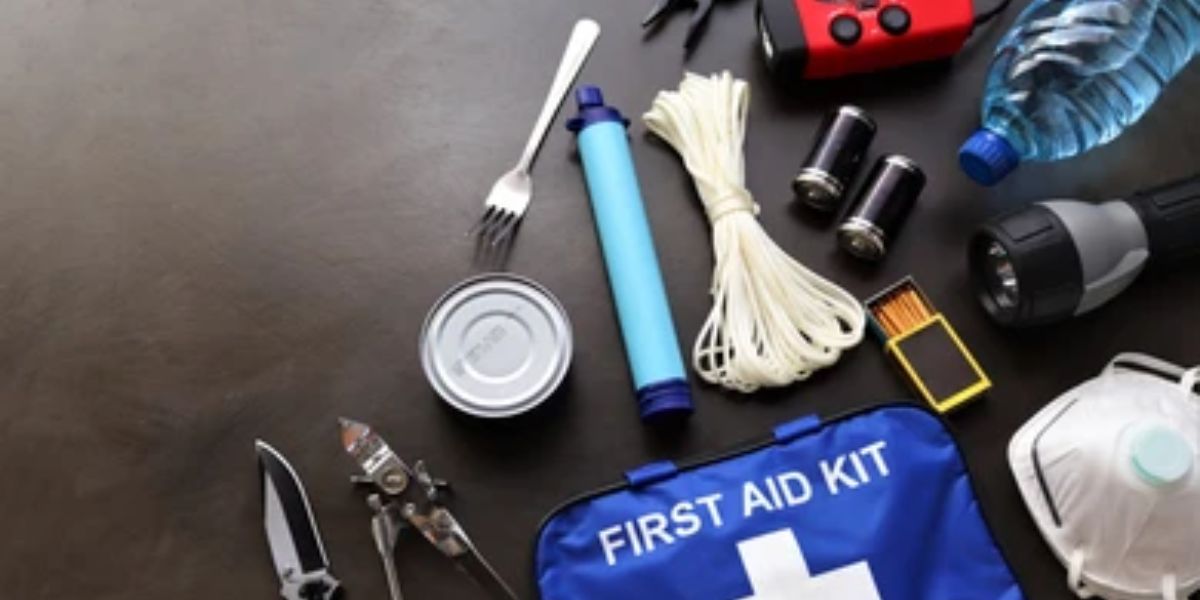
Each household should maintain a 72-hour emergency supply kit including essentials such as:
- Non-perishable food and bottled water
- First aid supplies and medication
- Flashlights, batteries, and blankets
- Copies of IDs and important documents
Encourage residents to store kits in easily accessible locations and include supplies for pets.
5. Special Assistance for Vulnerable Neighbors
Los Angeles has a large population of elderly residents, people with disabilities, and families with young children who may need extra help during emergencies. A good safety plan includes a neighborhood registry of residents who may require assistance with evacuation, medical needs, or transportation.
6. Fire Prevention and Wildfire Defense
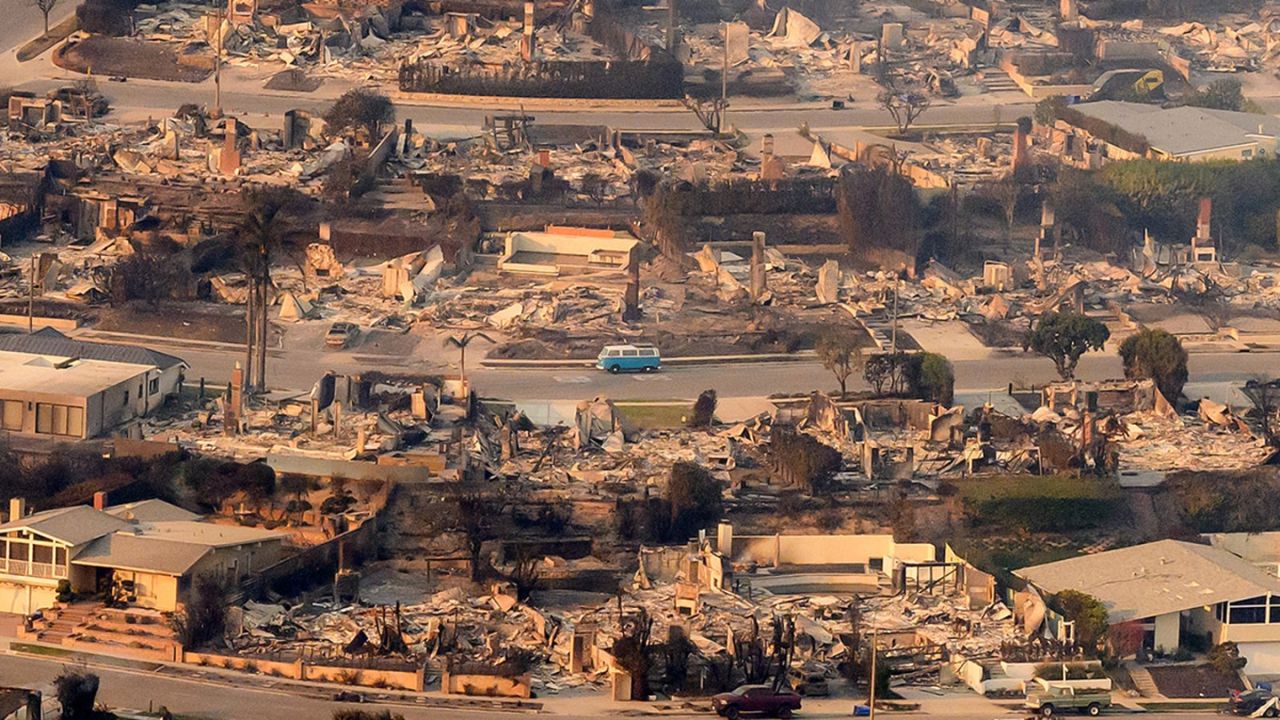
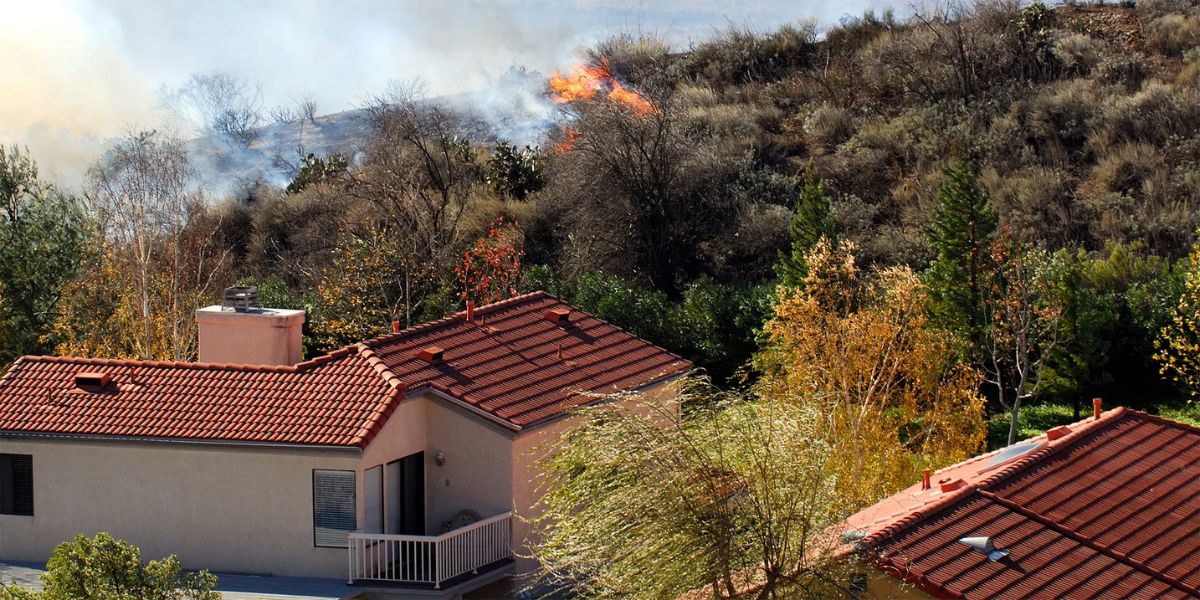
Wildfires remain a major threat across Southern California. Neighborhoods should adopt defensible space measures—clearing brush, trimming trees, and using fire-resistant landscaping.
Tip: The Los Angeles Fire Department’s Ready, Set, Go! Program offers free guidance on home hardening and evacuation readiness.
7. Earthquake Preparedness
Earthquakes strike without warning. Each home should have a designated “safe spot” away from windows or heavy objects. Encourage residents to secure shelves, TVs, and heavy furniture.
Tip: Keep sturdy shoes and a flashlight near every bed in case of nighttime quakes.
8. Community Training and Volunteer Teams
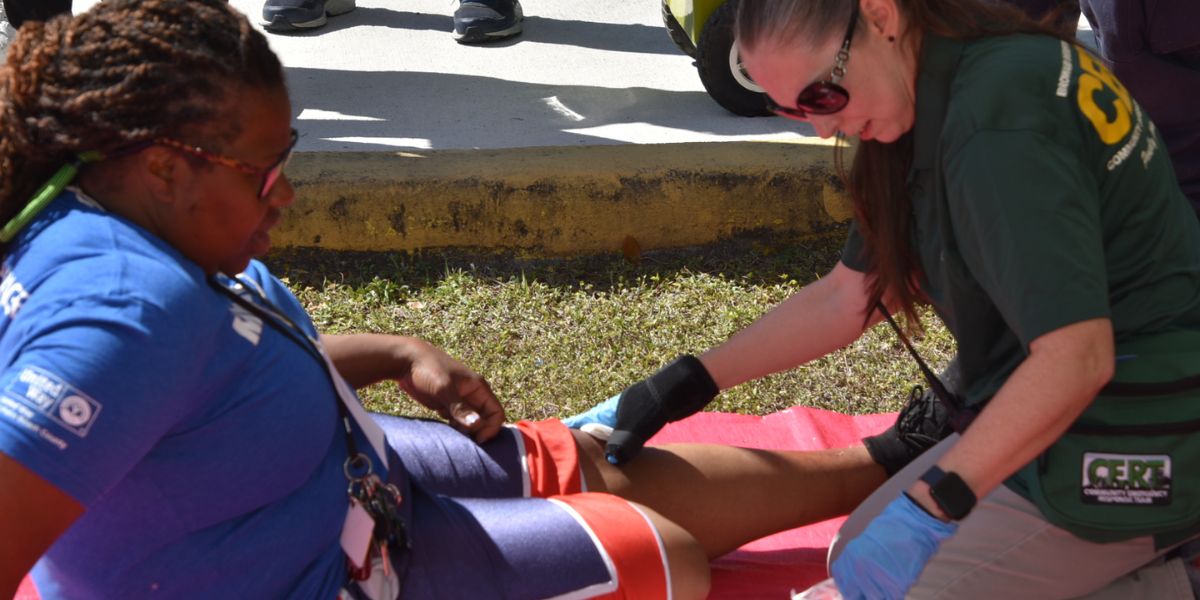
A strong neighborhood safety plan relies on community participation. Encourage residents to take part in CERT (Community Emergency Response Team) training offered by the City of Los Angeles. These programs teach first aid, fire suppression, and search-and-rescue basics—skills that can make a real difference before professional responders arrive.
9. Pet and Animal Evacuation Plan
Los Angeles is home to many pet-loving families. During wildfires or earthquakes, pets can become disoriented or trapped. Include a section in the safety plan for animal evacuation procedures and identify local shelters that accept pets during disasters.
10. Neighborhood Coordination with City Agencies
A good safety plan aligns with city and county emergency frameworks. Stay connected with agencies like the Los Angeles Emergency Management Department (EMD) and Cal OES (California Office of Emergency Services). Collaborating ensures that your local plan complements citywide efforts and receives up-to-date information.
Building Resilience Through Connection
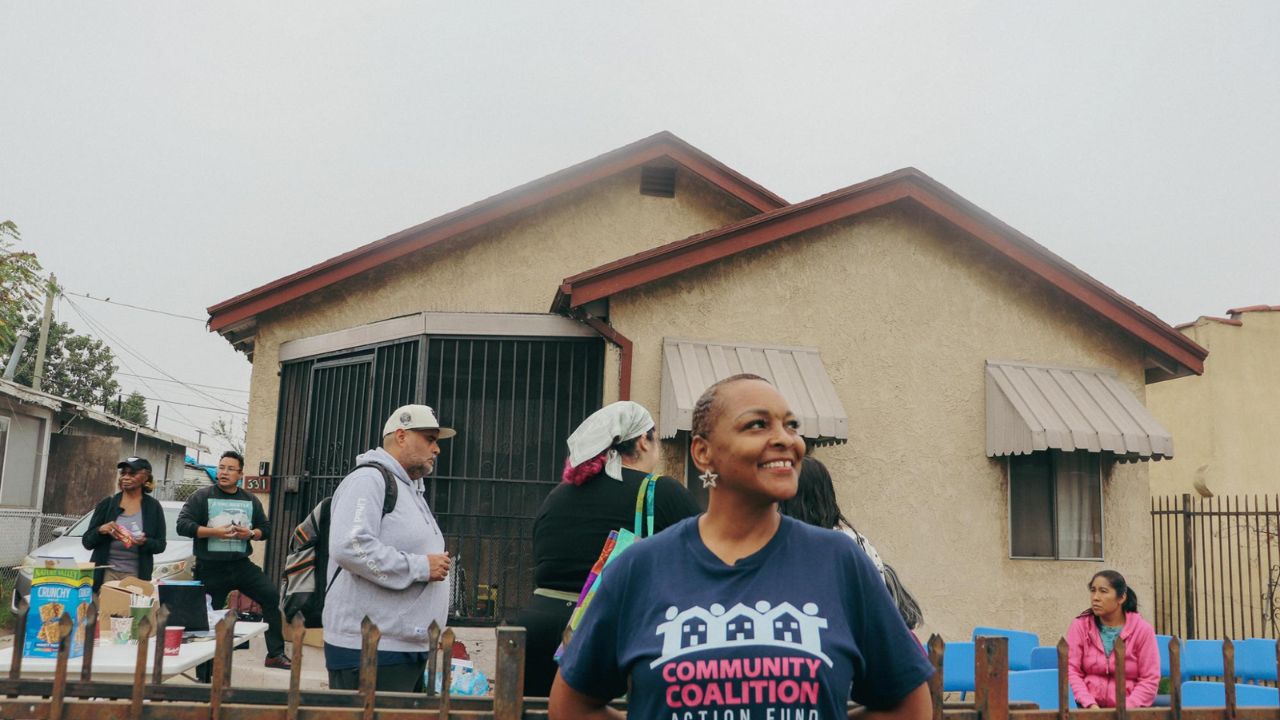
A neighborhood that communicates regularly and collaborates on preparedness becomes more resilient. Organize monthly safety meetings or block parties with readiness themes—like fire extinguisher training or CPR demonstrations. These events strengthen social bonds, ensuring people know and trust their neighbors when it matters most.
Keeping the Plan Updated
A safety plan should evolve with time. Update contact lists, adjust evacuation maps for new developments, and refresh emergency kits at least once a year. Review your plan after every drill or real incident to identify improvements.
Conclusion
Los Angeles neighborhoods thrive when safety becomes a shared responsibility. A strong neighborhood safety plan not only prepares residents for emergencies but also builds unity, confidence, and care across communities. When every block has a plan—and every resident knows their role—the city becomes stronger, safer, and more connected.
Call to Action: Learn how to build a custom safety plan for your area and discover more local preparedness resources at BeReadyLA.org.