Los Angeles, CA – Living in Southern California means earthquakes are part of life. While scientists can’t predict exactly when the next big one will strike, residents can take steps to be ready. Having a well-prepared earthquake survival kit is one of the most effective ways to protect your household during and after a quake. The key is not just having supplies, but packing the right items that meet your family’s specific needs and the realities of Los Angeles life.
Understanding Why a Survival Kit Matters
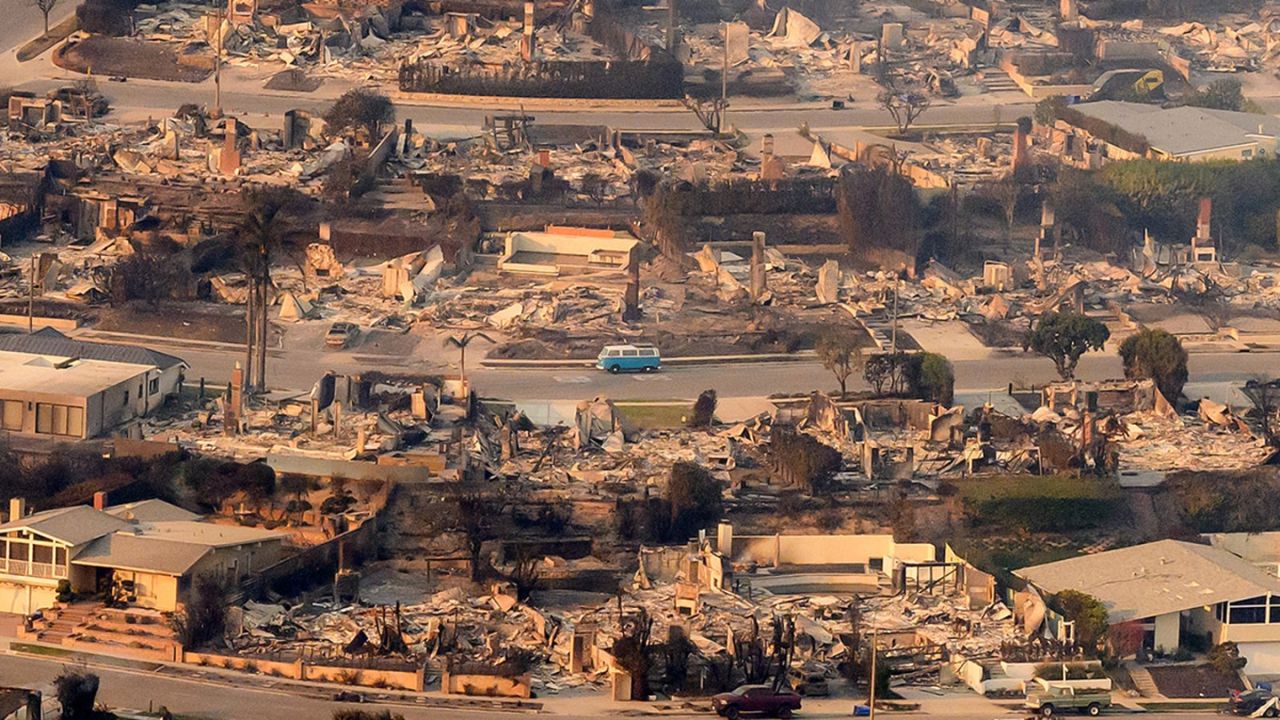
Earthquakes can disrupt power, water, gas, and communication networks for hours—or even days. Roads may be blocked, and emergency services could be overwhelmed. Your survival kit serves as your lifeline, giving you and your family essential supplies to stay safe and self-sufficient until help arrives.
Table of Contents
Los Angeles’ unique geography and urban density make it especially important to be prepared. From freeways to hillside neighborhoods, access can become difficult after a strong quake, so keeping supplies nearby is critical.
The Essentials: What Every Kit Should Include
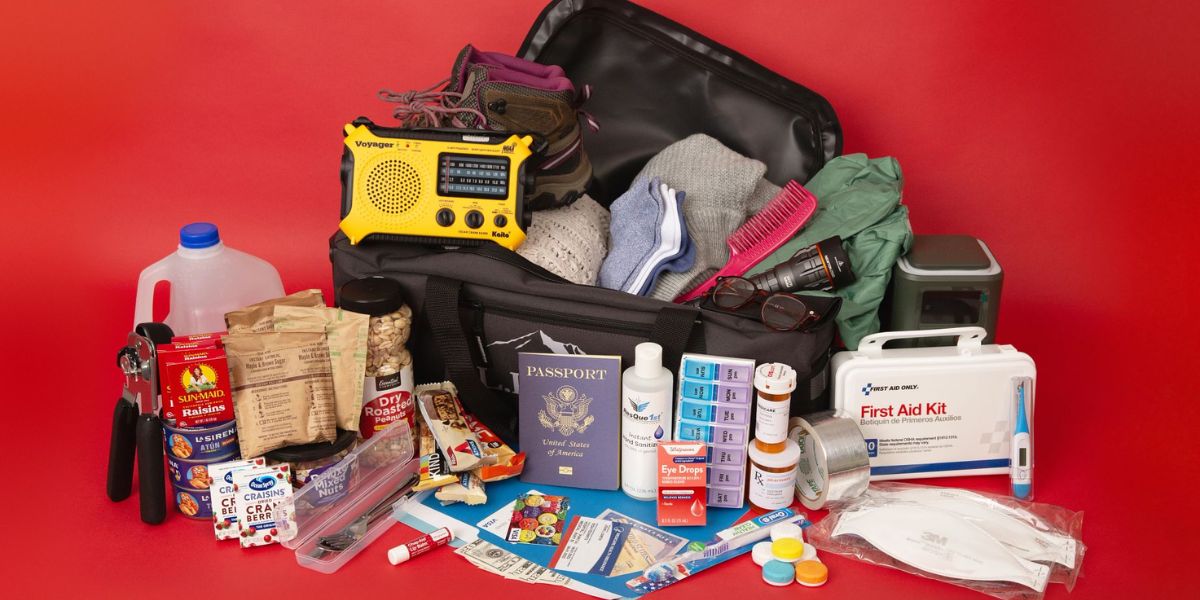
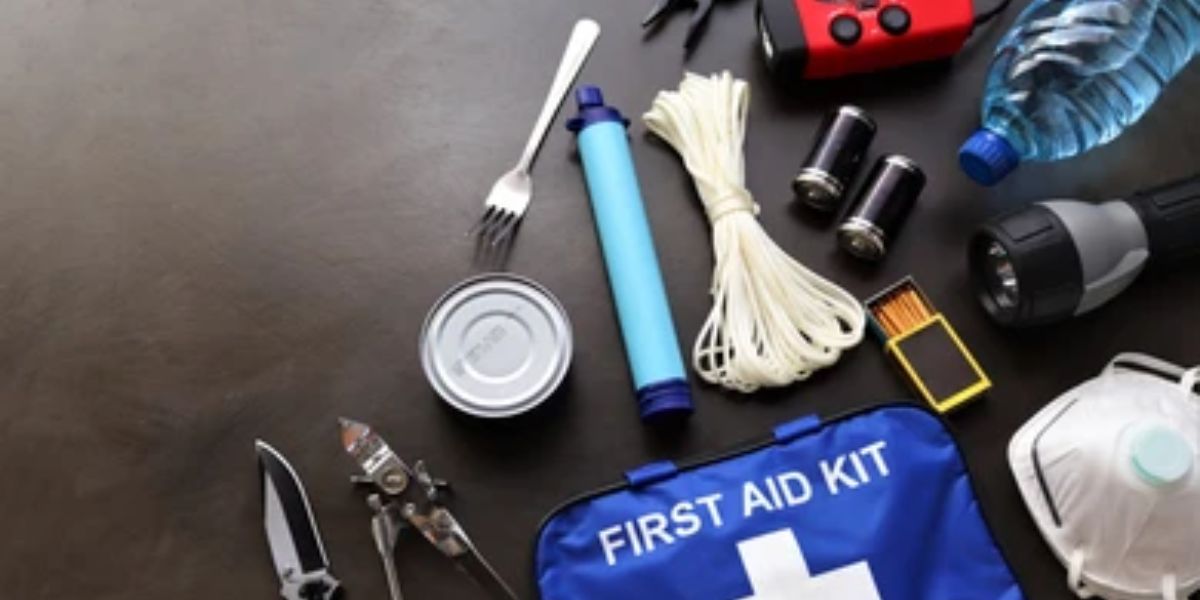
When building your earthquake survival kit, think in terms of sustaining yourself for at least 72 hours. Here are the fundamental items to include:
- Water: One gallon per person per day for at least three days, for both drinking and sanitation.
- Non-perishable food: Canned goods, energy bars, nuts, and dried fruit are lightweight and easy to store.
- Manual can opener: Don’t rely on electric openers that won’t work without power.
- Flashlights and extra batteries: Opt for LED flashlights or headlamps for hands-free use.
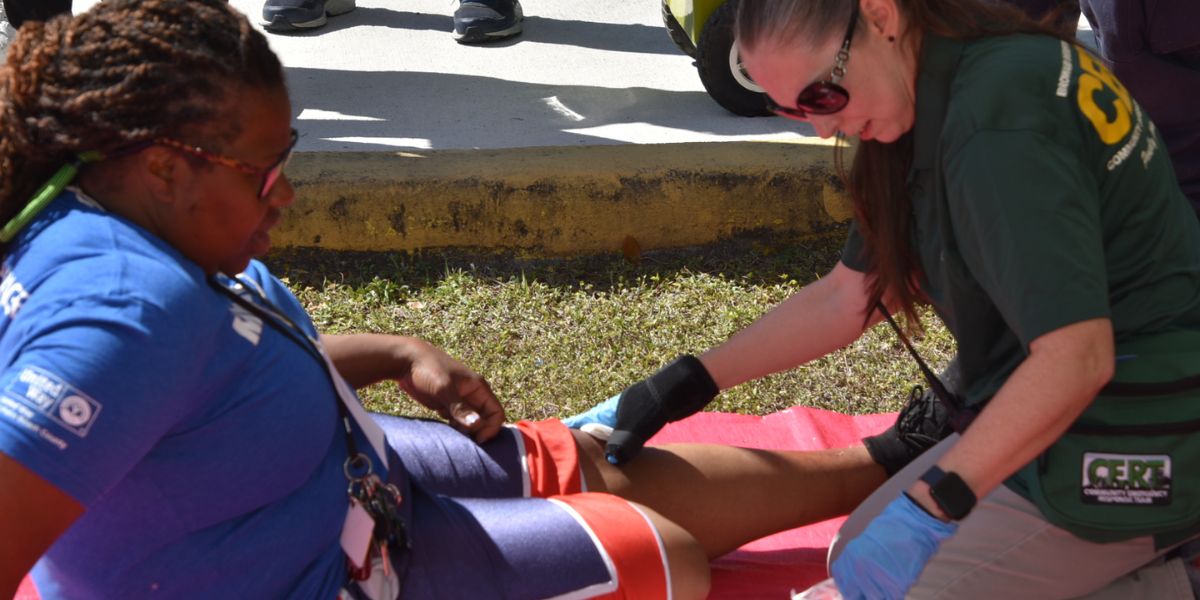
- First aid kit: Include bandages, antiseptic wipes, pain relievers, and any necessary prescription medications.
- Battery-powered or hand-crank radio: Stay informed through local stations and emergency broadcasts.
- Whistle: Useful for signaling rescuers if you’re trapped or in need of assistance.
- Multi-tool or Swiss Army knife: Essential for small repairs and cutting materials.
- Dust masks: Help protect against debris and dust after a quake.
Personal Items You Shouldn’t Forget
Beyond the basics, consider what your household personally needs to stay comfortable and safe. In Los Angeles’ diverse households, this may vary widely.
- Copies of important documents: Identification, insurance papers, and medical information stored in waterproof bags.
- Cash in small bills: ATMs and credit card systems may be down after a major quake.
- Clothing and sturdy shoes: Include seasonal items, plus gloves for handling debris.
- Blankets or sleeping bags: If your home becomes unsafe, you may need to sleep outdoors or in temporary shelters.
- Personal hygiene items: Soap, toothbrushes, feminine hygiene products, and hand sanitizer.
- Glasses or contact lenses and solution.
- Charged power banks: Keep at least one backup charger ready for mobile phones.
Special Considerations for Los Angeles Residents
Because LA is such a large and varied city, consider local conditions when packing your kit.
- Heat protection: Include sunscreen, hats, and electrolyte packets, especially if you live in hotter inland areas.
- Pet supplies: Food, water, leashes, and carriers for your animals.
- Masks and gloves: Urban areas may have higher dust and debris levels after a quake.
- Portable solar chargers: Useful during long power outages, especially for mobile communication.
- Local maps: Don’t rely on GPS—cell service may be limited.
If you live in a multi-story apartment or hillside community, keep a smaller “go bag” near your front door or car with essentials like a flashlight, whistle, and water pouch in case evacuation is needed quickly.
Family Planning and Accessibility
Each household member should know where the kit is stored and how to use it. If you have children, elderly relatives, or people with disabilities at home, make sure your kit accommodates their specific needs—such as mobility aids, medications, or baby supplies.
It’s also wise to have one kit per location—one at home, one in your car, and one at work. Earthquakes can strike at any time, and being caught without supplies could make recovery harder.
Maintenance: Keeping Your Kit Updated
Even the best-prepared kits need regular upkeep. Mark your calendar to check it every six months—swap out expired food, replace dead batteries, and update documents or medications. Spring and fall are great times for this, aligning with Los Angeles’ emergency awareness campaigns and changing weather conditions.
How to Involve Your Neighborhood
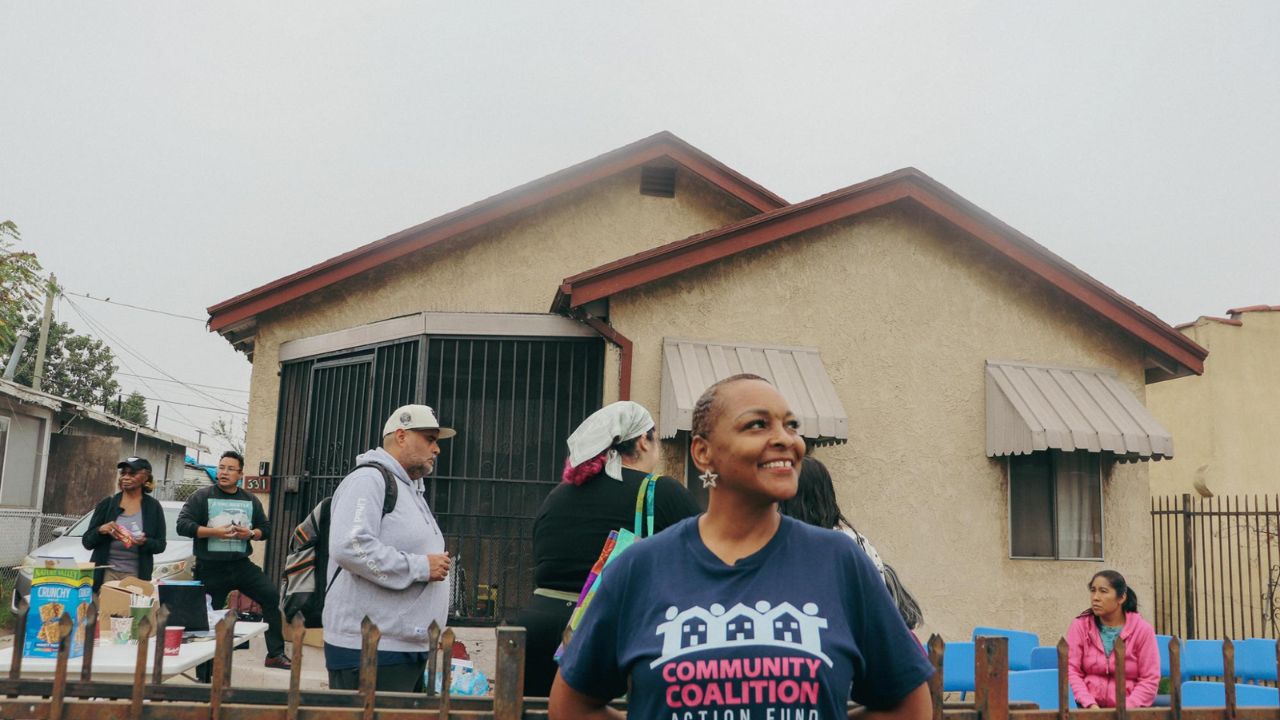
Preparedness works best when shared. Talk to your neighbors or local council about setting up a neighborhood safety plan. Sharing tips, resources, and even pooling emergency tools can strengthen community resilience. Los Angeles has active programs through Ready LA and the Los Angeles Emergency Management Department (EMD) that encourage neighborhoods to coordinate plans and drills.
The Bottom Line
Earthquakes may be unpredictable, but preparation is not. A well-stocked survival kit can mean the difference between comfort and crisis in the aftermath of a quake. Taking the time now to build or update your kit gives you peace of mind and ensures you’re ready for whatever the ground may bring.
Have you built your earthquake survival kit yet? Share what’s in your bag or your best tips for staying prepared in the comments below at BeReadyLA.org.