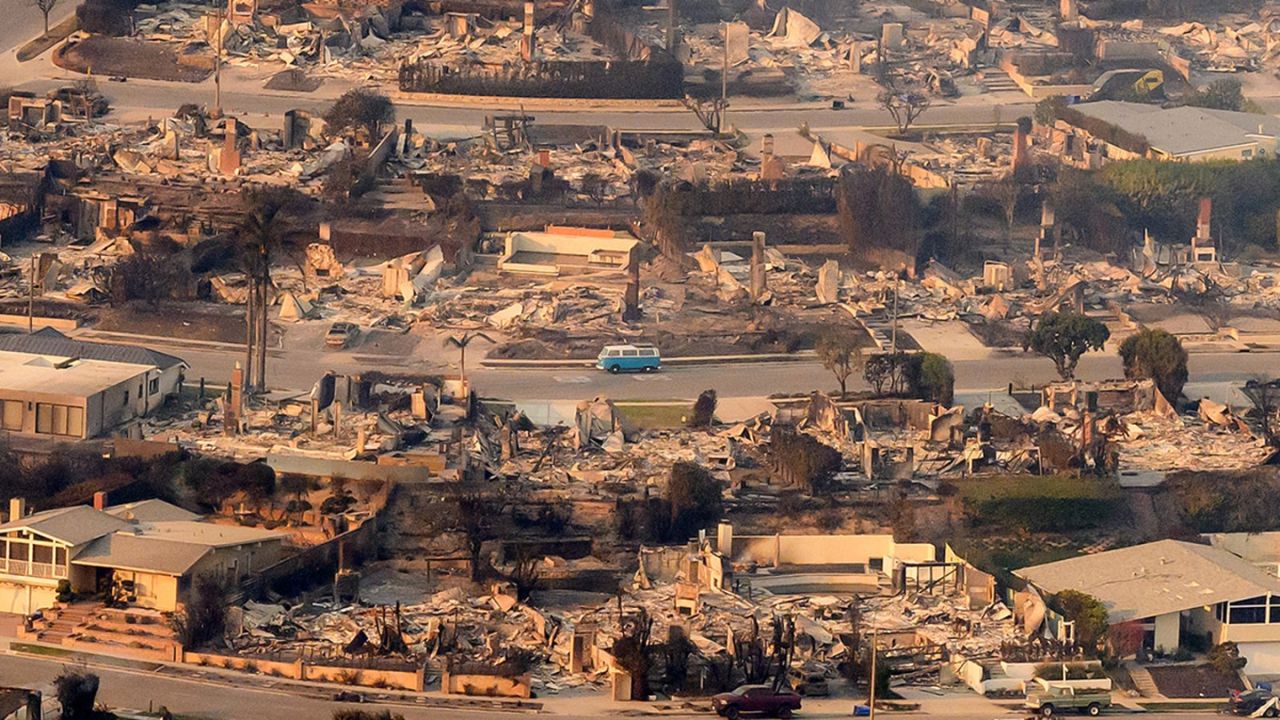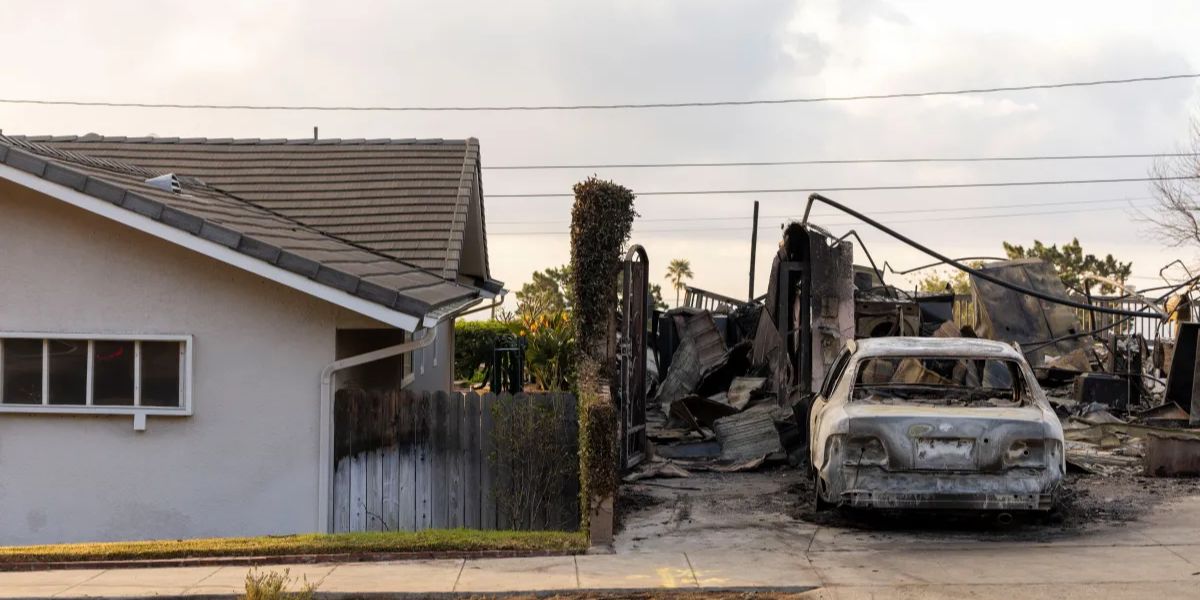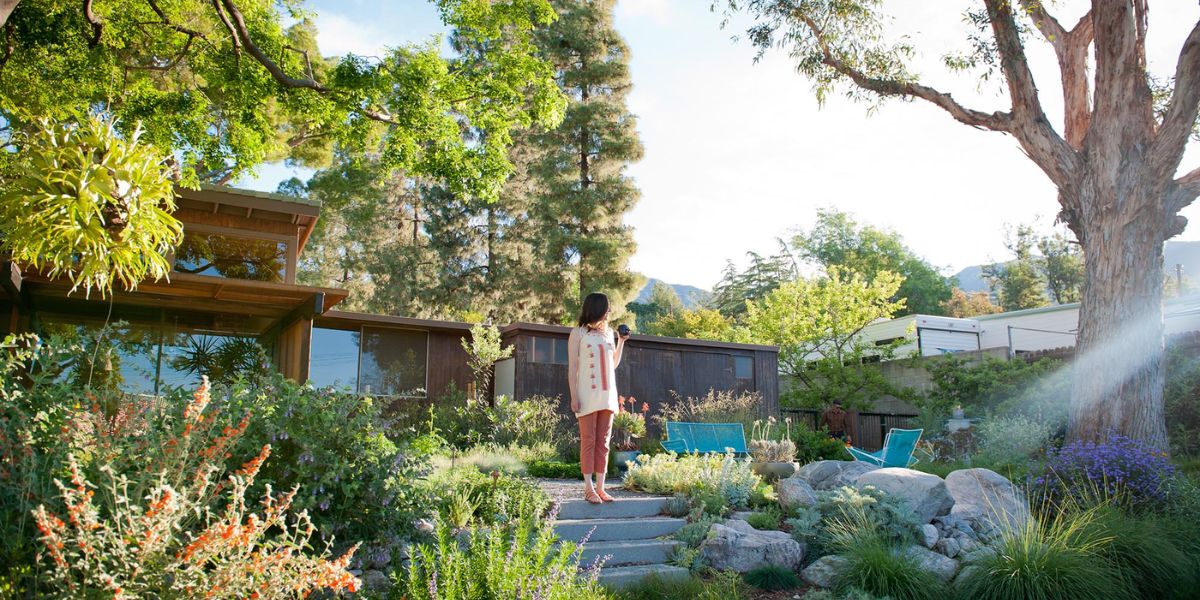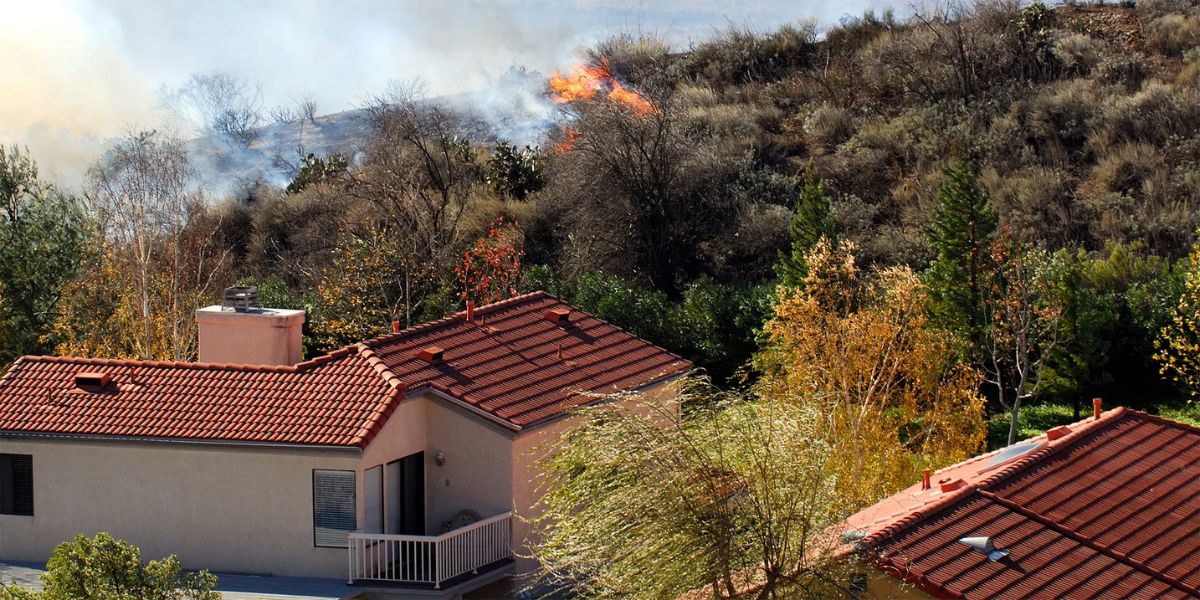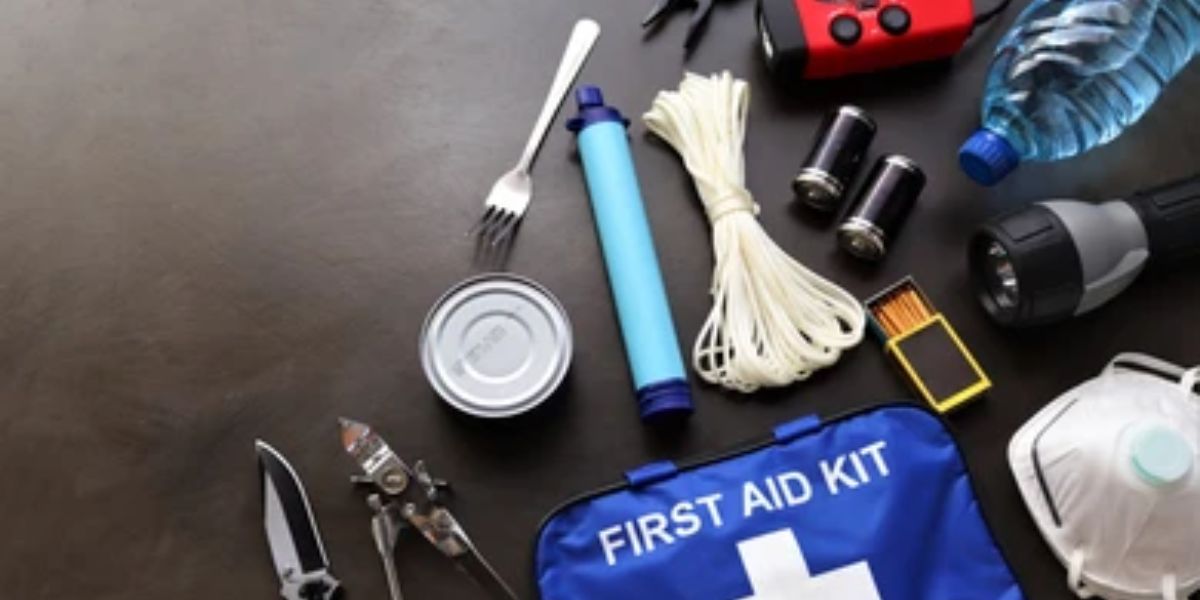
Los Angeles residents know all too well the risks posed by wildfires, especially during the dry summer and fall months. Protecting your home goes beyond having fire extinguishers and emergency kits—it starts right outside with your landscaping. A well-designed, wildfire-resistant landscape can slow the spread of fire, reduce property damage, and even save lives. In this article, I’ll guide you through practical, locally relevant landscaping strategies tailored for Los Angeles homeowners.
Understanding Wildfire Risk in Los Angeles
Southern California’s Mediterranean climate—hot, dry summers, and Santa Ana winds—creates a perfect environment for wildfires. Hillside neighborhoods, foothill communities, and areas near canyons are particularly vulnerable. While wildfires can strike unexpectedly, strategic landscaping can act as a buffer between your home and the flames.
Table of Contents
Choosing Fire-Resistant Plants
One of the first steps in wildfire-proof landscaping is selecting plants that resist ignition. Native plants adapted to Southern California’s climate often fare best. Some tips include:
- Succulents and Cacti: These retain moisture and are less likely to catch fire.
- Deciduous Trees: Trees that lose leaves in winter reduce dry fuel load.
- Hardy Groundcovers: Avoid dry grasses; instead, use low-growing, fire-resistant plants.
- Well-Spaced Shrubs: Dense, continuous shrubs can act as fuel for fire. Keep them spaced to prevent fire from leaping between plants.
Avoid highly flammable plants such as junipers, eucalyptus, and certain pines near your home.
Creating Defensible Space
The California Department of Forestry and Fire Protection (CAL FIRE) recommends creating defensible space around your property. This is essentially a safety buffer designed to slow or stop wildfire spread. Key zones include:
- Zone 0 (0-5 feet from your home): Use non-combustible landscaping like stone, gravel, or concrete. Keep plants well-watered and low-growing.
- Zone 1 (5-30 feet from your home): Plant fire-resistant shrubs and remove dead vegetation. Maintain at least 10 feet of separation between tree canopies.
- Zone 2 (30-100 feet or to property line): Thin out dense vegetation, remove ladder fuels (plants that allow fire to climb from the ground to tree canopies), and maintain open space.
Hardscaping as a Fire Barrier
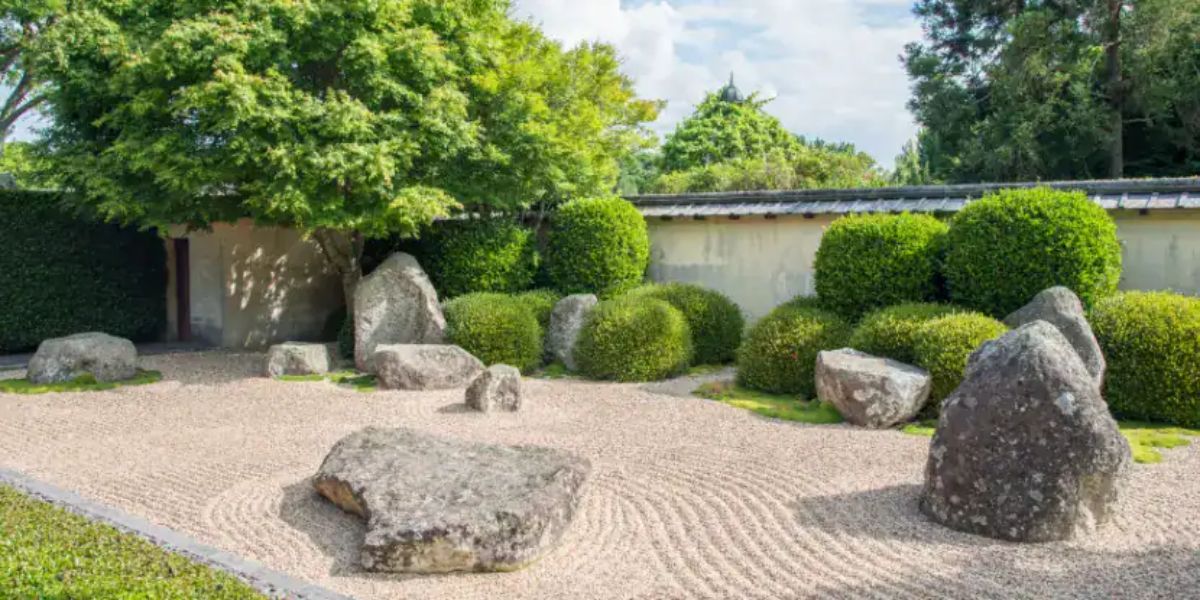
Hardscaping—using non-flammable materials in your yard—can greatly reduce wildfire risk. Consider:
- Stone pathways, patios, and retaining walls
- Gravel or decomposed granite mulch
- Fire-resistant fencing and walls
These elements not only enhance the aesthetic of your property but also act as fire breaks, slowing or diverting flames from reaching your home.
Pruning and Maintenance
Regular maintenance is essential for wildfire-proof landscaping. Key practices include:
- Prune Trees and Shrubs: Remove dead branches and keep foliage trimmed.
- Clear Debris: Remove dead leaves, needles, and branches from yards, gutters, and roofs.
- Water Wisely: Maintain healthy, well-irrigated plants to prevent them from drying out and becoming fuel.
- Mow Grass: Keep lawns short, especially near your home.
Consistent maintenance reduces fuel loads and strengthens your property’s wildfire resilience.
Using Fire-Resistant Mulches
While mulch is commonly used for aesthetic and soil benefits, not all mulch is safe in fire-prone areas. Consider:
- Inorganic Mulch: Gravel or lava rocks are excellent fire-resistant options.
- Treated Mulch: If using organic mulch, keep it moist and away from structures.
- Mulch-Free Zones: Maintain a clear area around the base of your home free of combustible materials.
Emergency Access and Water Sources
Landscaping should also consider emergency preparedness. Ensure:
- Driveways and access paths are wide enough for fire trucks
- Water sources like hoses, sprinklers, or outdoor taps are easily accessible
- Outdoor water tanks or ponds can be used as emergency water sources
Strategic landscaping can help firefighters protect your home during a wildfire.
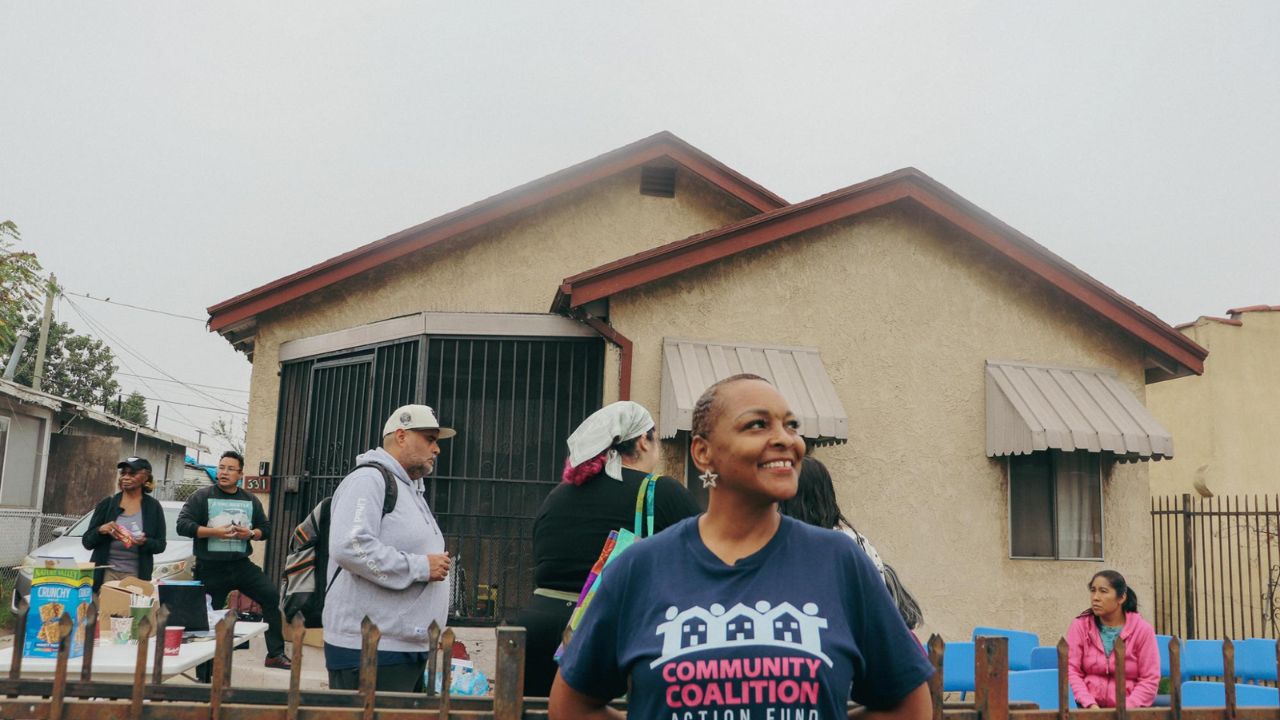
Community Collaboration
Wildfire safety is more effective when practiced collectively. Encourage neighbors to:
- Maintain their own defensible spaces
- Participate in local fire safety workshops
- Share resources like water or evacuation plans
Strong community preparedness enhances protection for everyone in your neighborhood.
Conclusion and Call to Action
Wildfire-proof landscaping isn’t just about aesthetics—it’s a life-saving strategy for Los Angeles homeowners. By choosing fire-resistant plants, maintaining defensible space, implementing hardscaping, and regularly pruning and clearing debris, you can drastically reduce your property’s vulnerability to wildfires.
Don’t wait for the next fire season to start planning. Begin assessing your landscape today, make necessary changes, and involve your neighbors in building a safer, fire-resilient community. For more tips on wildfire preparedness and neighborhood safety, explore our guides on bereadyla.org and take action to protect your home and family before it’s too late.