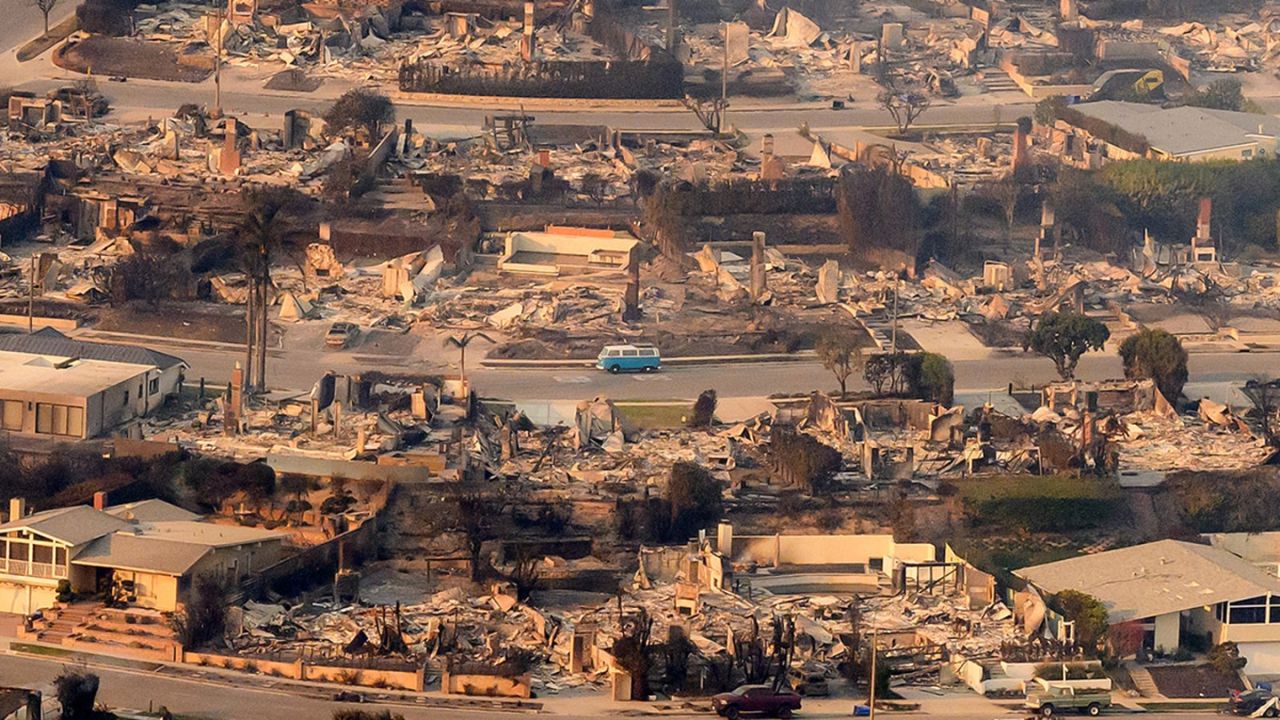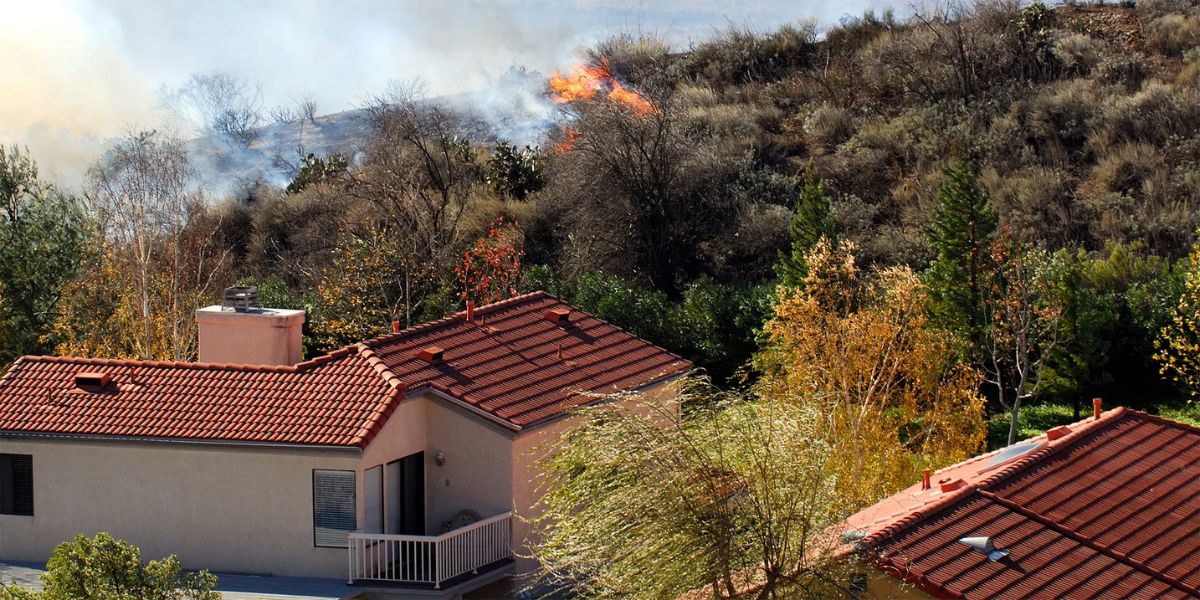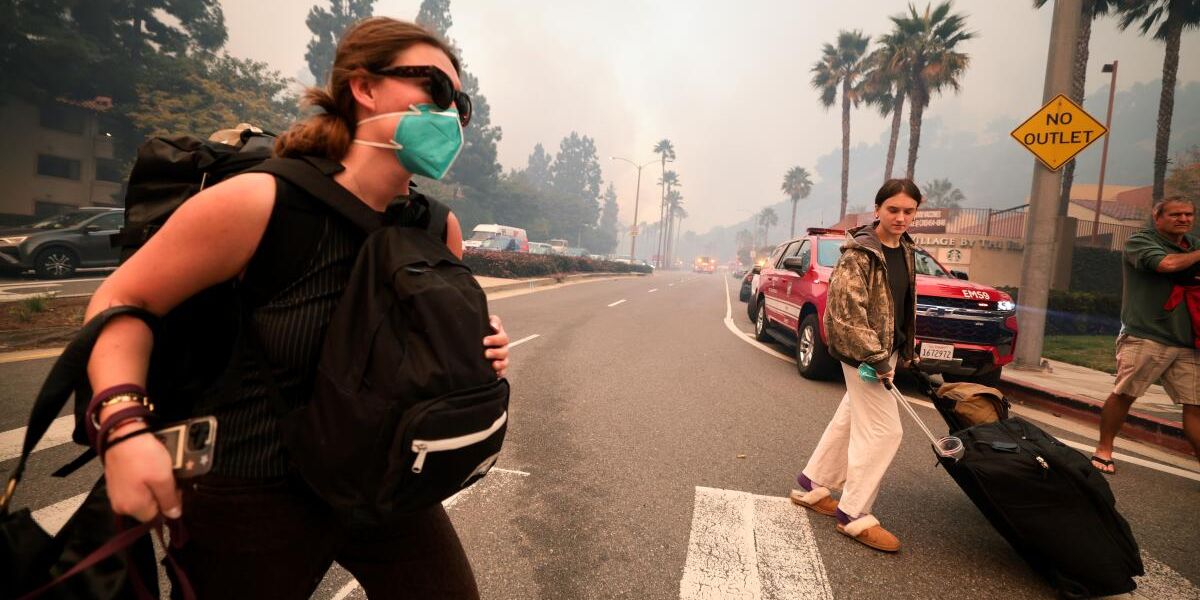
Los Angeles, CA – Living in Los Angeles means dealing with beautiful weather, vibrant communities—and the ever-present risk of wildfires and home fires. Whether you live in the foothills, the valley, or an urban neighborhood, fire preparedness is not optional. Having a detailed home fire emergency checklist can make the difference between safety and tragedy when every second counts.
Understand Your Local Fire Risks
Before you create your checklist, it’s important to understand what you’re protecting against. Los Angeles County faces two major threats: wildfires in the surrounding hills and urban structure fires caused by electrical faults, cooking, or heating equipment. Residents in wildfire-prone areas should focus on defensible space and evacuation readiness, while those in denser neighborhoods need to ensure fire alarms, exits, and communication plans are in place.
Table of Contents
Knowing your local hazard level through resources like Ready LA County and Cal Fire’s Fire Hazard Severity Zones map can help you tailor your checklist.
Install and Maintain Smoke Alarms
Every home should have working smoke alarms in each bedroom, hallway, and common area. Test alarms monthly and replace batteries twice a year. If your smoke alarm is older than 10 years, replace it entirely.
For added safety, consider installing smart smoke alarms that send alerts to your phone, especially useful if you’re away from home. Renters should also ensure their landlords meet all fire safety requirements under Los Angeles building codes.
Prepare a Family Evacuation Plan
Create a plan that includes two exits from every room, and make sure everyone in the household can open windows and doors easily. Designate a safe meeting spot outside—like a neighbor’s driveway or a street corner.
Practice your evacuation plan at least twice a year. During drills, simulate nighttime conditions or blocked exits to ensure everyone knows what to do even under stress. Keep a printed version of the plan on your fridge and a digital copy in your phone’s notes app.
Build a Ready-to-Go Emergency Kit
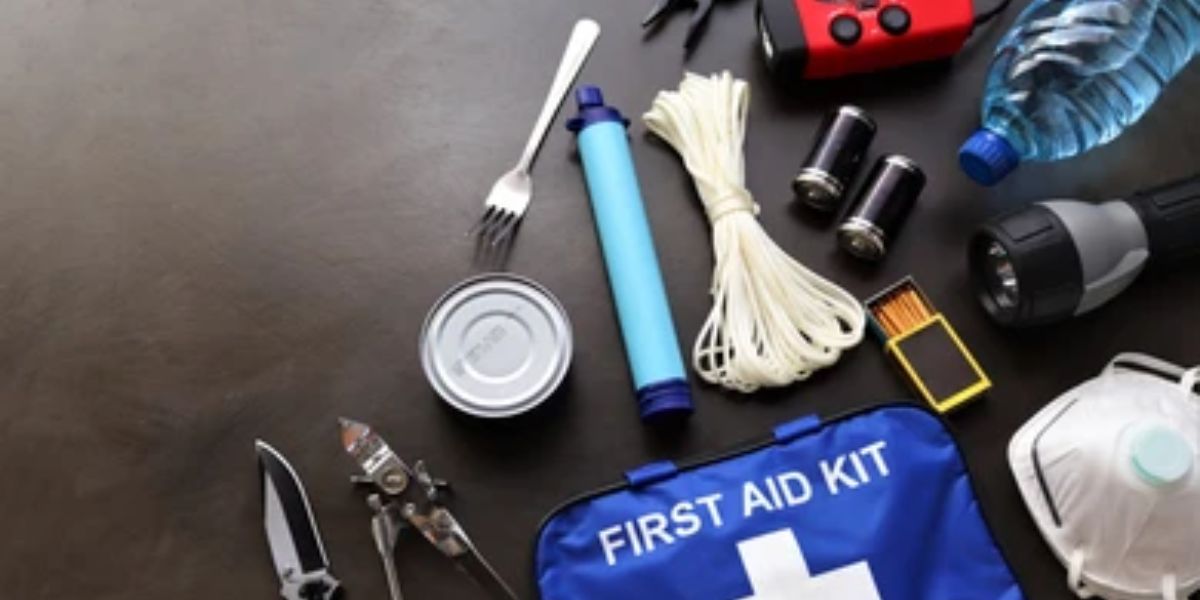
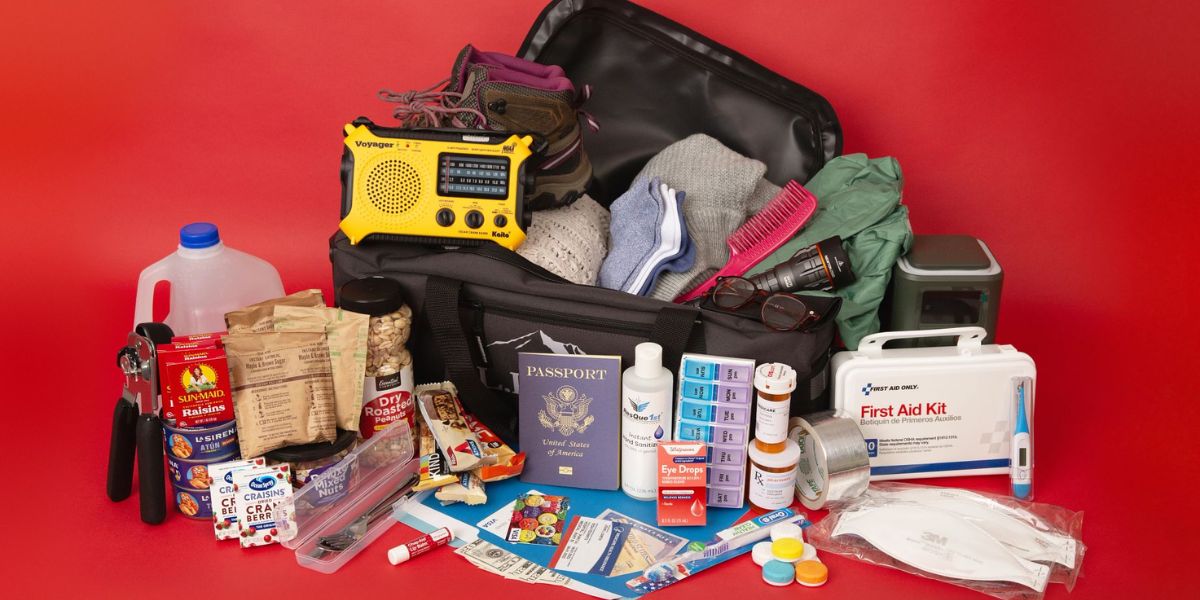
In a fire, you may have only minutes to evacuate. A pre-packed emergency kit ensures you don’t waste time searching for essentials. Here’s what to include:
- Copies of identification, insurance papers, and important documents
- A battery-powered flashlight and extra batteries
- Bottled water and non-perishable snacks
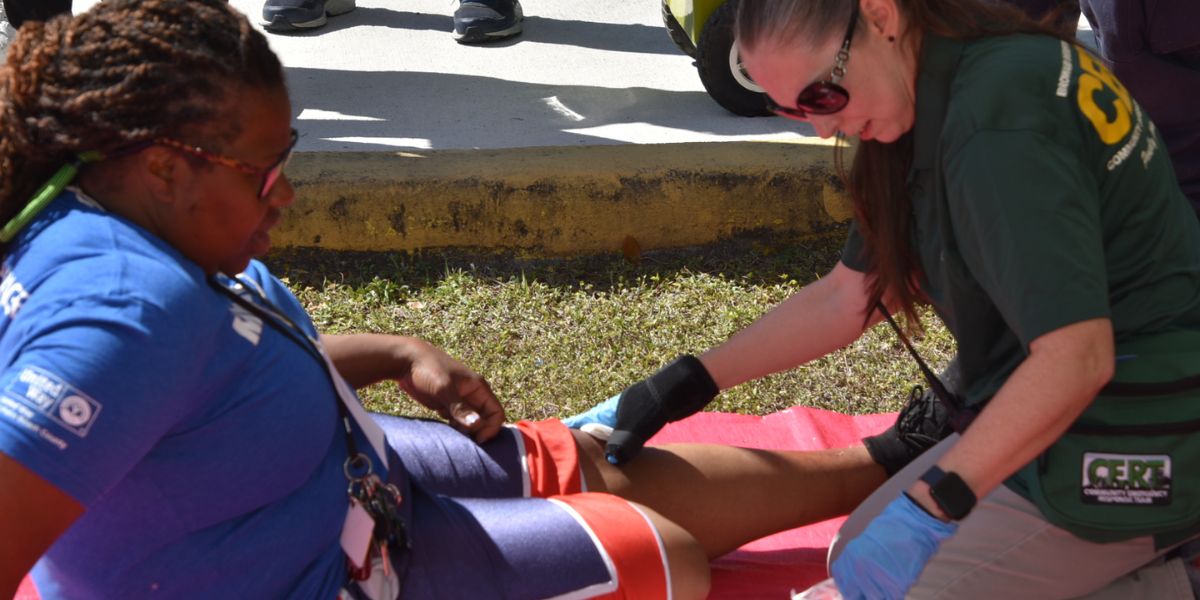
- A small first-aid kit
- Masks to protect against smoke inhalation
- Prescriptions or medications
- Cell phone charger and power bank
- Spare keys, cash, and credit cards
Keep this kit near your main exit or in your vehicle so it’s easy to grab quickly.
Make Your Home Fire-Resistant
Simple maintenance can dramatically reduce your home’s fire risk. Start by clearing dead leaves, pine needles, and debris from your roof and gutters. Trim back any tree branches that hang within ten feet of your home.
If you live near brush areas, maintain a defensible space of at least 100 feet by removing flammable vegetation. Use fire-resistant plants like succulents and California lilac in your landscaping.
Inside your home, avoid overloading outlets, inspect power cords for damage, and never leave candles or space heaters unattended.
Know When to Evacuate
Many Los Angeles residents hesitate to leave during wildfires until it’s too late. Follow evacuation alerts from LA County Fire Department and Ready LA Alerts. If you’re told to evacuate, do so immediately—roads can become blocked within minutes.
Keep your car’s gas tank at least half full during fire season and store an extra emergency bag in your trunk. Remember that pets need evacuation plans too—keep carriers, leashes, and food in an easy-to-reach location.
Protect Your Important Information
When fire strikes, losing your home is devastating—but losing your records can make recovery even harder. Store digital copies of important documents (like insurance policies, birth certificates, and property titles) on a secure cloud drive or an encrypted USB.
Also, take photos or videos of your property and belongings for insurance documentation. This step greatly speeds up claims if you ever experience fire damage.
Stay Informed During Emergencies
Sign up for Alert LA County, which sends emergency text messages to residents based on location. Follow trusted sources such as @LACoFDPIO and @ReadyLACounty on social media for real-time updates.
During a wildfire, listen to local radio stations like KNX 1070 AM for evacuation routes and shelter information. Communication lines can go down, so keep a battery-powered radio in your emergency kit.
Review and Update Regularly
Your home fire checklist isn’t a one-time task—it should evolve as your household changes. Review it every six months, especially before peak wildfire season (May through October). If you move, remodel, or adopt new technology, update your plan accordingly.
Teach children and elderly family members how to use fire extinguishers, escape windows, and emergency phones. Preparedness grows stronger when everyone knows their role.
Final Takeaway
Being ready for a home fire in Los Angeles is about planning, practicing, and protecting what matters most. By building a clear checklist and keeping it updated, you reduce panic and increase safety when it matters most.
Stay proactive, stay informed, and help your neighbors prepare too.
What steps has your family taken to stay ready for a fire emergency? Share your tips in the comments below to help other Angelenos prepare at BeReadyLA.org.