Living in an earthquake-prone area, like Southern California, means being prepared for the unexpected. Earthquakes can strike without warning, but with proper planning, you can minimize risks to your home and family. This checklist will guide homeowners through the necessary steps to take before, during, and after an earthquake to ensure safety and swift recovery.
Before an Earthquake: Preparation is Key
Secure Your Home
One of the most critical steps you can take before an earthquake is securing your home. This includes:
Table of Contents
- Fasten heavy furniture like bookshelves, cabinets, and appliances to walls. Secure fragile items to prevent them from falling and causing injury.
- Check the foundation of your house for cracks or weaknesses. If needed, consult a structural engineer to reinforce it.
- Anchor large items, such as water heaters, to the floor to prevent them from toppling during shaking.
Create a Family Emergency Plan
Communication is crucial during an earthquake. Ensure your family knows what to do in case of an emergency:
- Designate safe spots in each room, such as under sturdy furniture or against interior walls, to protect from falling debris.
- Establish an out-of-area contact person who can help family members reconnect if local lines are busy or down.
- Practice emergency drills with your family so everyone knows how to respond quickly and calmly.
Prepare an Emergency Kit
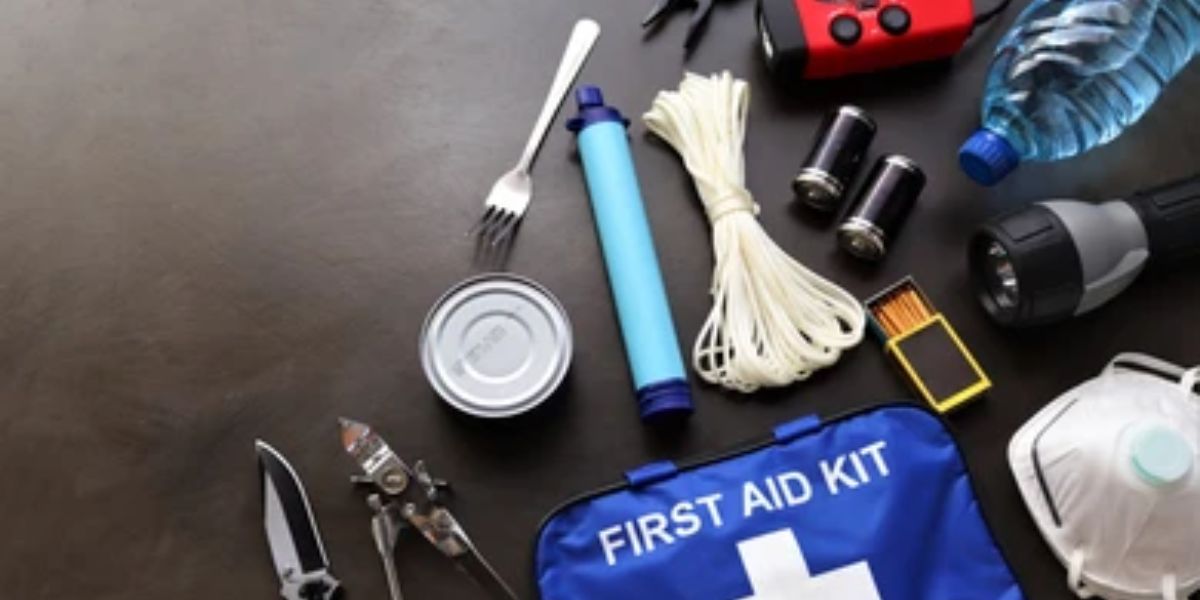
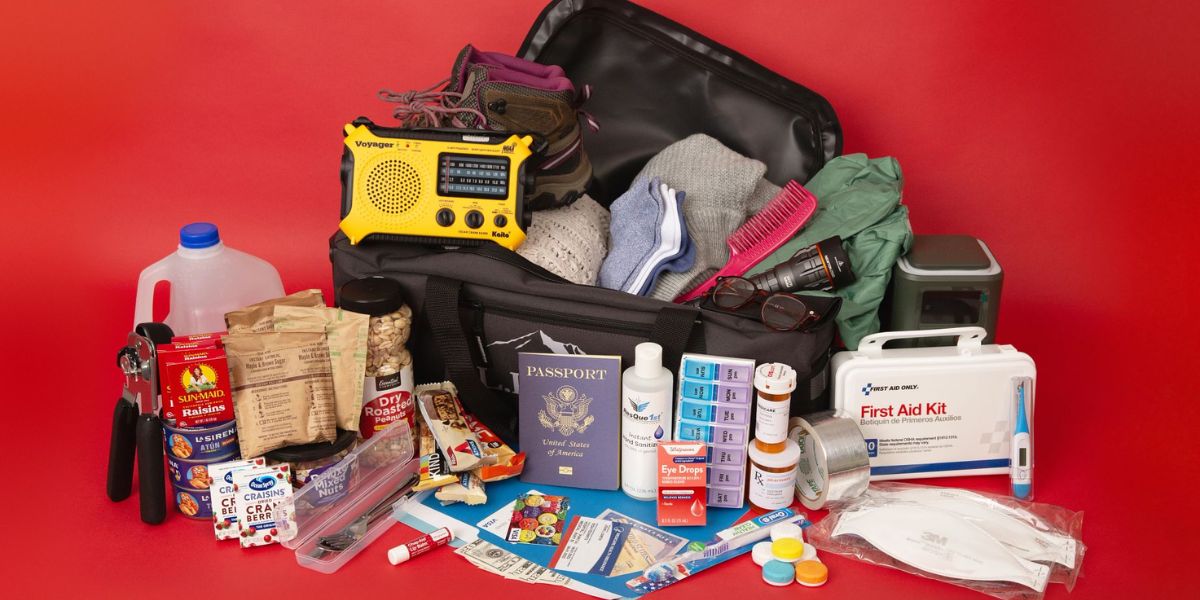
Every homeowner should have an emergency kit with essential supplies to last at least 72 hours. Items to include are:
- Non-perishable food and water for each person
- First-aid kit and necessary medications
- Flashlight and extra batteries
- Battery-powered radio or emergency communication device
- Cash in small denominations, as ATMs may be down
- Comfort items, such as blankets, hygiene products, and pet supplies
During an Earthquake: Staying Safe
Drop, Cover, and Hold On
When an earthquake hits, remember the fundamental steps to protect yourself:
- Drop to the ground to avoid being knocked over.
- Cover your head and neck with your arms and take shelter under sturdy furniture.
- Hold On until the shaking stops, as aftershocks are often common.
If You’re Inside
- Stay indoors during the shaking. Going outside increases the risk of being hit by falling debris or glass.
- Move away from windows, heavy furniture, and anything that could fall and injure you.
- Take shelter under a sturdy table or desk to protect yourself from falling objects.
If You’re Outside
- Find an open area away from buildings, trees, and streetlights. Drop to the ground and protect your head.
- Stay clear of overpasses or bridges, as they may collapse during the quake.
If You’re in a Vehicle
- Pull over to a safe spot away from overpasses, bridges, and buildings. Stay in the vehicle until the shaking stops.
- Keep your seatbelt on for protection against any possible movement.
After an Earthquake: Recovery and Safety
Check for Hazards
Once the shaking stops, it’s essential to assess your home for any potential hazards:
- Inspect for gas leaks by smelling for gas or checking for a hissing sound. If you suspect a leak, turn off the gas valve and leave the house immediately.
- Check electrical lines for visible damage. Do not use appliances or electrical devices if there are visible wires exposed.
- Look for structural damage such as cracks in walls, ceilings, or the foundation. If the damage is significant, evacuate the house and contact emergency services.
- Be cautious of aftershocks, which can occur minutes to hours after the initial quake. Stay alert to potential dangers.
Communicate with Loved Ones
Once it’s safe, use your out-of-area contact person to check in with loved ones. Since local phone lines are often overwhelmed, an out-of-state contact may be more accessible. Update them on your safety and check on family members who live in other areas.
Take Precautions with Water and Food
- Boil water before using it, as pipes may have been damaged during the earthquake.
- Use non-perishable food from your emergency kit until you can assess the safety of your kitchen supplies.
Begin Cleanup and Repair
- Clear debris from walkways and living spaces once it’s safe to do so.
- Hire professionals to inspect the structural integrity of your home before attempting any significant repairs.
- Document the damage for insurance purposes and file a claim as soon as possible.
Stay Informed
Listen to emergency broadcasts on a battery-powered radio or smartphone for updates on the situation in your area. Authorities will provide critical information regarding aftershocks, evacuation routes, and shelter locations.
Final Thoughts: Be Prepared, Stay Safe
Earthquakes can happen at any time, and being prepared is essential to minimizing their impact on you and your loved ones. By taking the necessary steps to secure your home, develop a family plan, and stay informed, you can ensure a safer environment during and after an earthquake.
Don’t wait for the next disaster to catch you off guard. Start preparing your home and family today by creating an emergency kit, securing your home, and practicing your earthquake safety plan. For more information on how to keep your family safe in Los Angeles, visit Be Ready LA and access our comprehensive resources.